Acting
Serginho Groisman hosts weekly debates on relevant topics, featuring the participation of the audience, artists, and personalities from various fields.
Os Trapalhões was a Brazilian comedy group and also a Brazilian television series created by Wilton Franco. Its members were Dedé Santana, Zacarias, Mussum and their leader Didi Mocó, that was played by Renato Aragão. The name Trapalhões is derived from the Portuguese verb atrapalhar, which means the opposite of helping, to do something the wrong way or to Those that confuse. The name is translated "Tramps" in English DVD subtitles. It was aired by Rede Globo from 1977 to 1999. On March 18, 1990, Zacarias died due to respiratory failure, but the group and the series didn't come to an end until July 29, 1994, when Mussum died due to an unsuccessful heart transplant.
No description available.
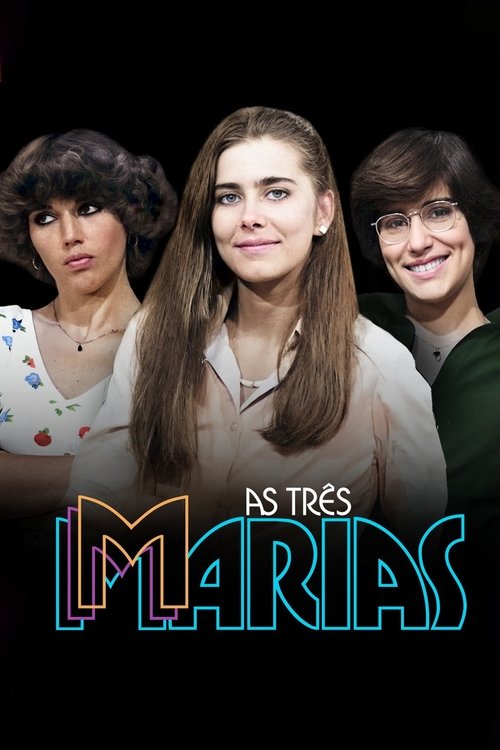
Maria Augusta, Maria José, and Maria da Glória reunite in Rio after studying together in Switzerland and prove their friendship despite many twists and turns, crimes, and romances.
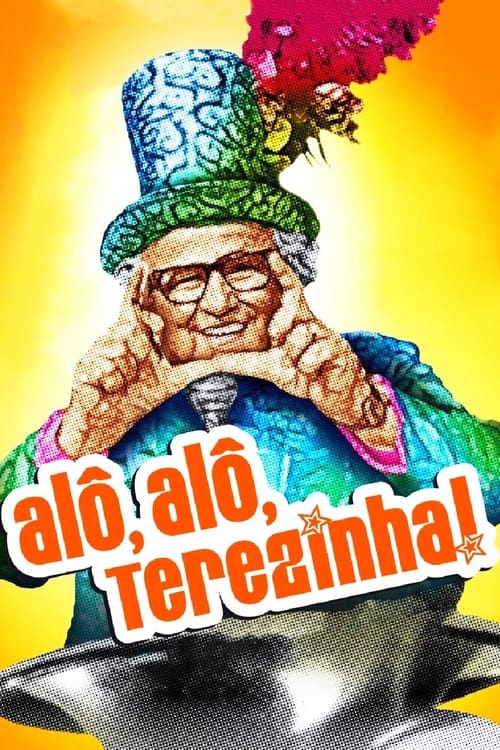
Hello, Hello, Terezinha! is a feature-length documentary about the country's biggest communication phenomenon. Politically incorrect, radical, renewing, Chacrinha changed Brazilian television forever and expressed a Brazil that was around it, but was not perceived. The film tells the great adventure of Abelardo Barbosa through the eyes of the presenter. It gathers the nuclei of its constellation - chacretes, fledglings and artists who passed through its programs - to identify their individualities and their emotions.
Television performance.
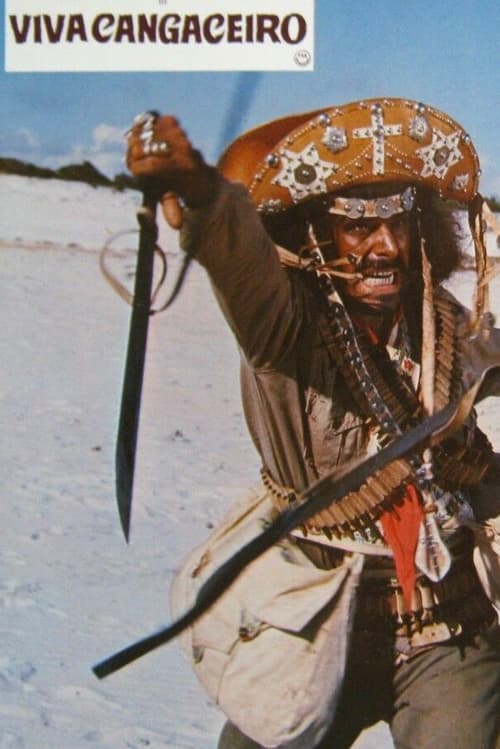
Brazil, the 1920s. The sadistic colonel Minas massacres the hometown of a famous cangaceiro (a kind of revolutionary bandit). The only survivor is a young farmer called Espedito; he is nursed back to health by a hermit who thinks he has been sent by God and therefore baptizes him the Redeemer. Espedito/The Redeemer forms his own gang of cangaceiros but doesn’t really understand what he’s doing until he befriends the proverbial European intellectual, a Dutch Oil prospector, who introduces him to important people. Espedito is hired by the Dutchman and a corrupt local governor, but then the Dutchman changes sides …
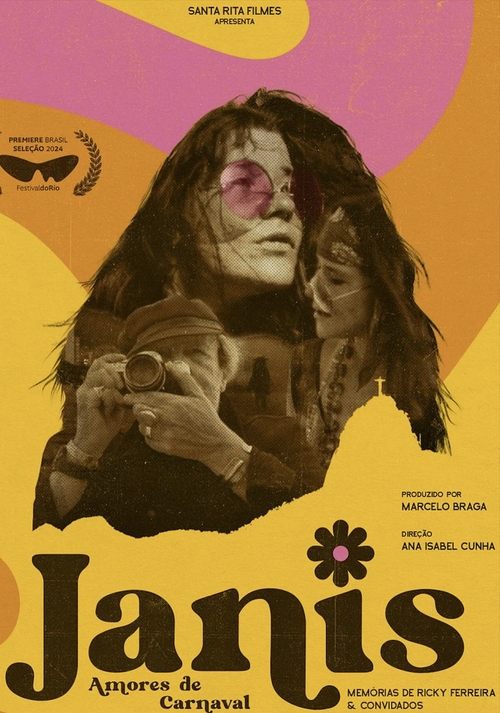
In the summer of 1970, Janis Joplin went to Brazil to get away from heroin. During her meteoric and nearly anonymous stay, the singer was thrown out of the Copacabana Palace, drank heavily, and met the love of her life.
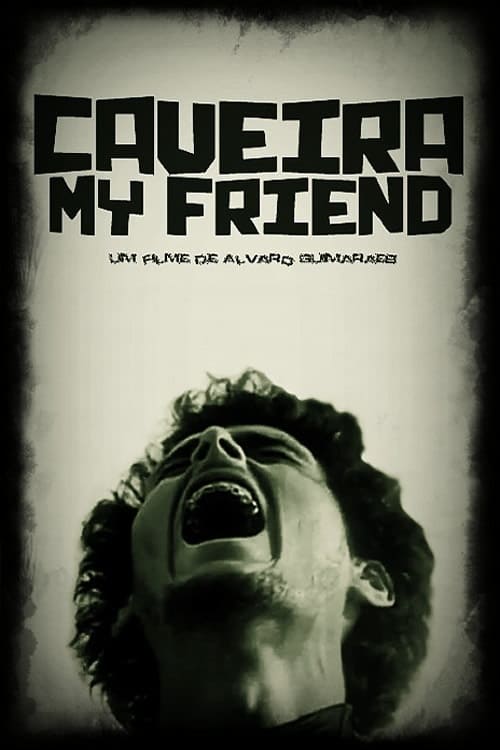
The adventures of a gang of thieves and murderers led by violent Caveirinha. A radical disruption proposal from the postulates of the Cinema Novo, a film with a loose narrative structure. Through the actions of a group of outlaws, the director sews in scenes that propose iconoclasm and elation as forms of opposition to the military dictatorship oppression.
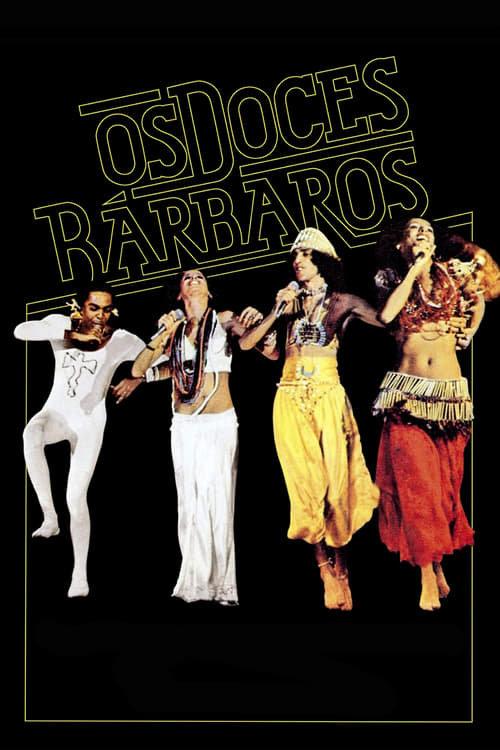
The film records the commemorative tour of the ten years of the career of the Bahia singers Caetano Veloso, Gilberto Gil, Maria Bethânia and Gal Costa, who formed the group with the name of Doces Bárbaros (Sweet Barbarians), at the suggestion of Bethânia. Conceived to present the shows of the live album that would be released (Doces Bárbaros - Live), the documentary changed of tone when registering the arrest and judgment of Gilberto Gil and of a companion by possession of drugs. Gil was forced to go to a detox clinic, and only went out to participate in the programmed shows.
Brazilian TV movie featuring the characters of the beloved literaly classic "Sítio do Picapau Amarelo"
Based on the autobiography of noted music executive André Midani, André Midani — An Insider’s Story of Brazilian Music (2015) explores Brazilian music throughout his five-decade career through informal gatherings and jam sessions at his home, featuring Caetano Veloso, Jorge Ben Jor, Gilberto Gil, and Marisa Monte, among other luminaries of the industry.