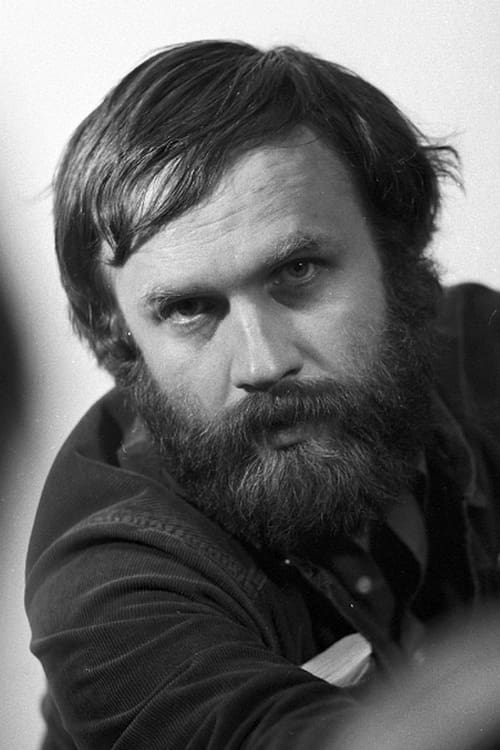
Paweł Kędzierski
Directing
Known For
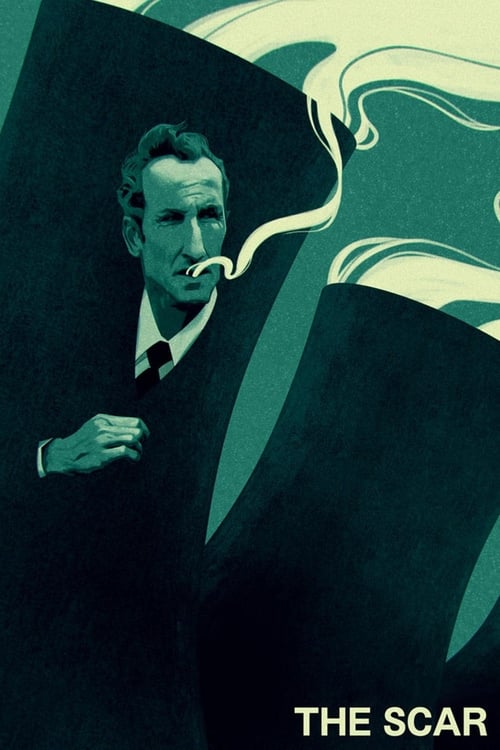
When a political decision is made as to the location of a new large chemical factory, Stefan Bednarz is put in charge of it. This honest communist party man has to confront the local community opposing the construction.
The Scar
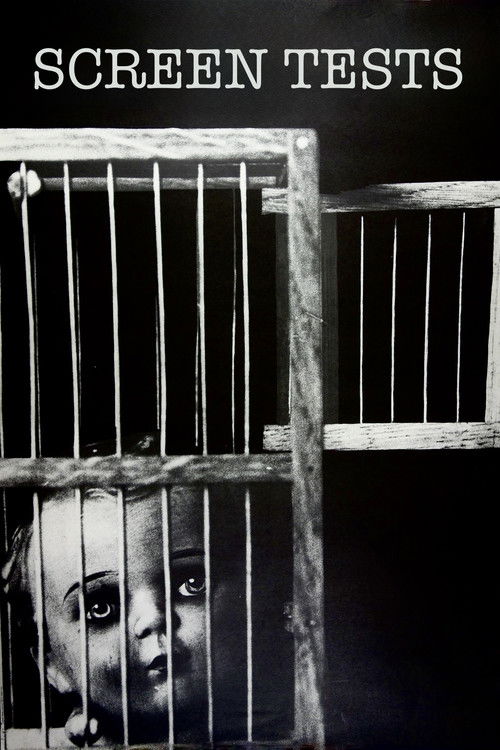
Three-part film centered around a film being made by a group of young directors. In the first a working-class girl finishes school and has her first love affair, which ends badly. In the second a provincial boy with dreams of life in the theater has an affair with his boss' wife. They meet during the film's screen tests.
Screen Tests
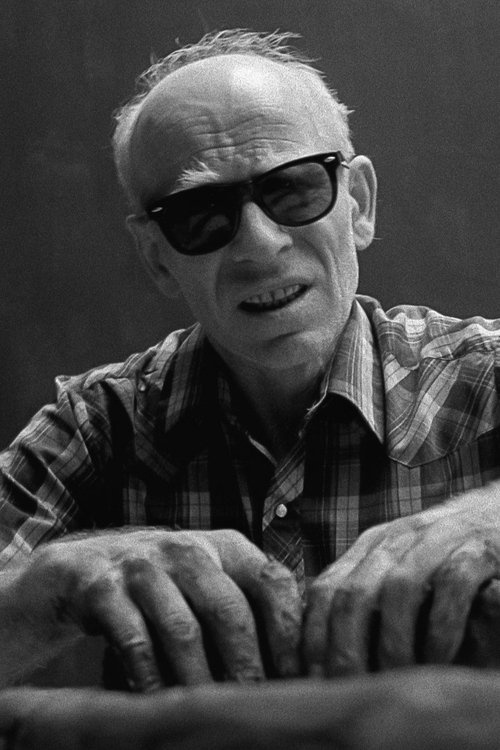
The film was made at the Polish Sculpture Center in Oransko, during sculpture workshops for deaf-blind people. The camera shows the process of creation, which is closely connected with getting to know oneself. It is accompanied by hesitation, anger and joy.
Silence, Darkness
A purge in the style of those of March 1968 is to take place at a party meeting. Instead, it turns into a psychodrama.
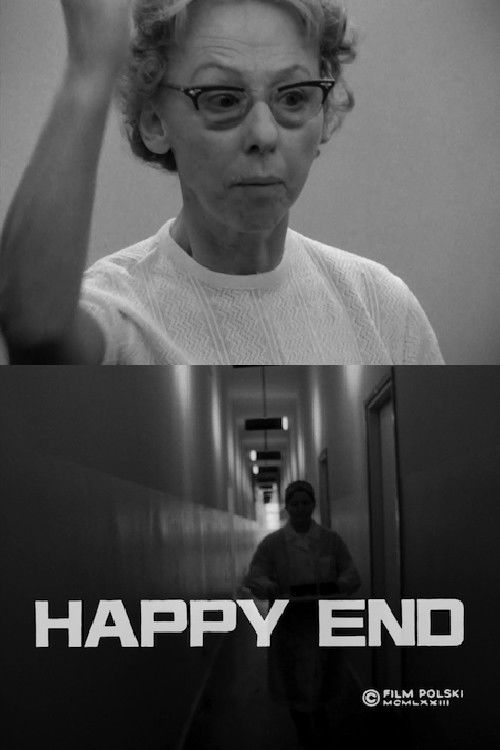
Happy End
A woman and a man meet in a crowded bus. A few years ago, they were in love.
Trochę wielkiej miłości

A documentary about the election campaign and the first free elections in Poland in 1990. The filmmakers look behind the scenes of the political game. They present candidates during meetings with voters, document meetings of election staffs and listen to the ‘voice of the street’.
The Choice of Poland
Activities of inspectors of the management board of the Olsztyn branch of the Agricultural Workers' Union; a visit and meeting at the Karwino State Farm and the Tymień combine.
Widziane z dołu
Matthew and Luke are brothers, 10 and 11 years old. In Paweł Kędzierski's film, perversely entitled Children's Day, we accompany them from a difficult morning wake-up call to going to bed in the evening. Although childhood is seen as a time of fun and carefree, Kędzierski's camera closely observes the full lives of the boys who take part in rehearsals for the absurd school play, learn by heart boring poems and help with everyday shopping. In the background, and sometimes in the foreground, the reality of the communist Poland.
Children's Day
Two film novels about psychology of lonely women
To be continued
The leitmotif of this editing film is the images of the first May marches, which were noisy every year during the communist era. The streets of Warsaw are walked by properly formed and organized masses of people, and from the grandstand they are greeted by successive leaders. There is an atmosphere of more or less artificially inspired enthusiasm. As time goes by, however, more and more images appear, contrasting with this idyllic vision of a constant holiday. Alongside images of official ceremonies, materials showing competitive, independent celebrations, organized by the illegal opposition, and pacified with the help of properly trained ZOMO troops, find their permanent place.
Where To
Together with the crew, Paweł Kędzierski managed to record the statements of nine cichociemni, including the only woman from this distinguished group - Elżbieta Zawacka, pseudonym "Zo". Two of the film's characters did not live to see its premiere. Neither of them is alive today. Thus, the documentary managed to capture for posterity the memories of the last living cichociemni, which gave it historical value.
We, the Silent Unseen. Voices of the Living
The employees of a tailor's workshop portrayed by him make their working hours more pleasant by chatting, during which the work itself sometimes comes to the background. Their conversations regularly cover the subject of the various issues that tailors and seamstresses have to deal with in their everyday lives. But when customers make complaints and comments about tight jackets and crooked jackets, they can only count on aggression or saying it can’t be helped. All for all is the title of a poem by Julian Tuwim, starting with a stanza: "A bricklayer builds houses, / The tailor sews clothes, / but where would he sew if he didn't have a flat". Kindergarten children learn from the poem that every job serves some purpose and we need each other. Paweł Kędzierski in his documentary ironically shows that the devil is in the details.