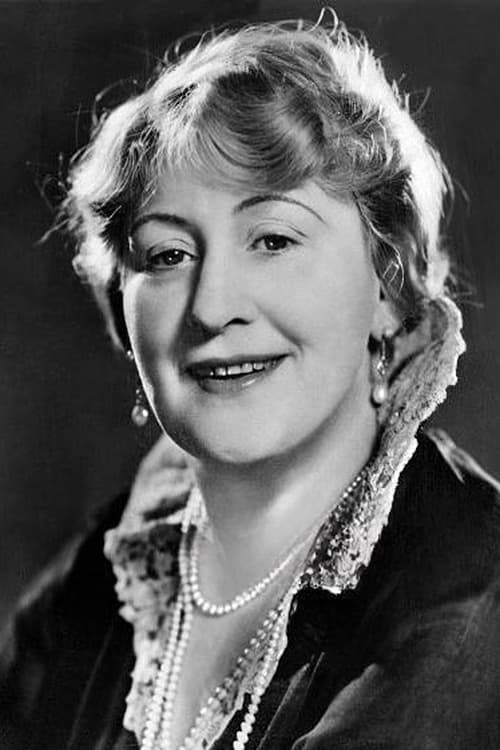
Julia Serda
Acting
Known For
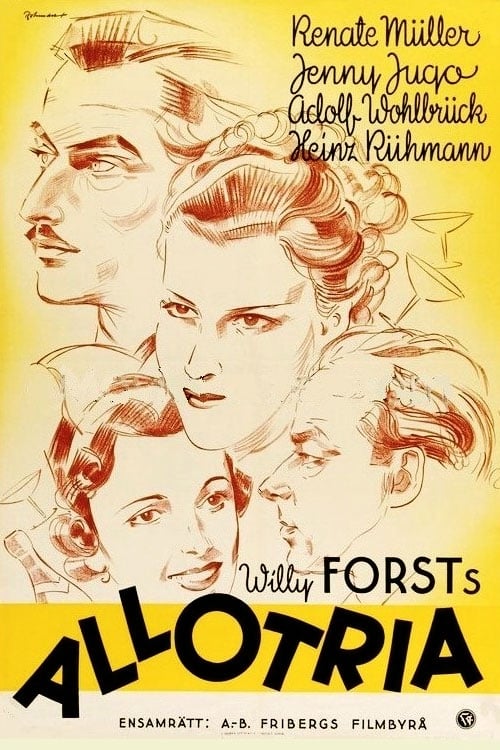
Best friends David and Philip have to end their love affair with their mistress Aimée which they - not knowing of each other - share, because they are going to marry their sweethearts Gaby and Viola. Of course Aimée will not accept her defeat. She interferes the engagement of Gaby and David, which lead to some turbulence and change of horses before they all end up in their honeymoon.
Allotria
No description available.
Der Taugenichts
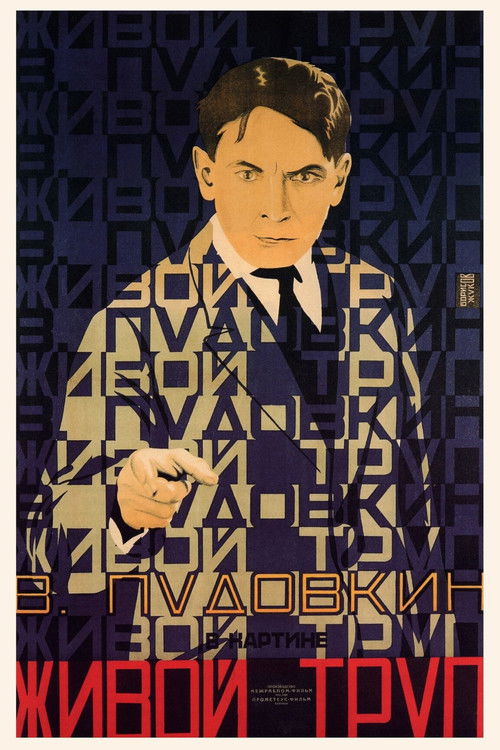
The central character of the play, Fedor Protasov, is tormented by the belief that his wife Liza has never really chosen between him and the more conventional Victor Karenin, a rival for her hand. He wants to kill himself, but doesn't have the nerve. Running away from his life, he first falls in with Gypsies, and into a sexual relationship with a Gypsy singer, Masha.
The Living Corpse
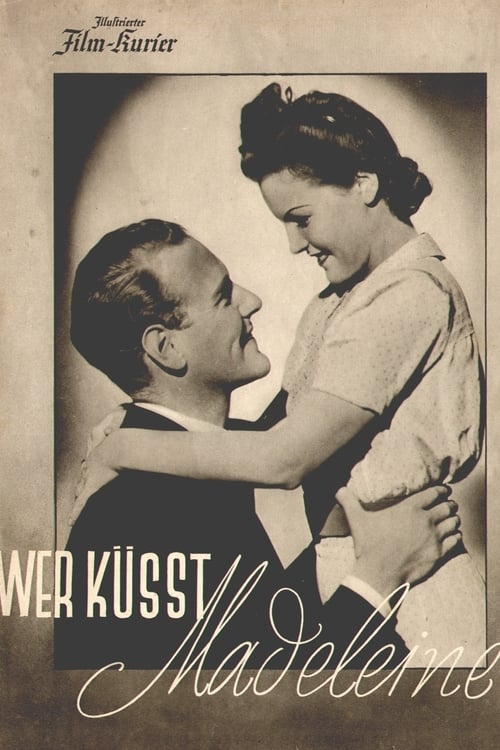
Pierre Pasqual has just about everything his heart desires: in his career as a commercial pilot, he is well known and successful; he has wealth and a beautiful wife. The only thing is, that because of his career, Pierre is frequently away and the thought constantly tortures him, that his wife is up to something when he’s not home. “Who’s kissing Madeleine?” is the question Pierre must have answered.
Who's Kissing Madeleine?
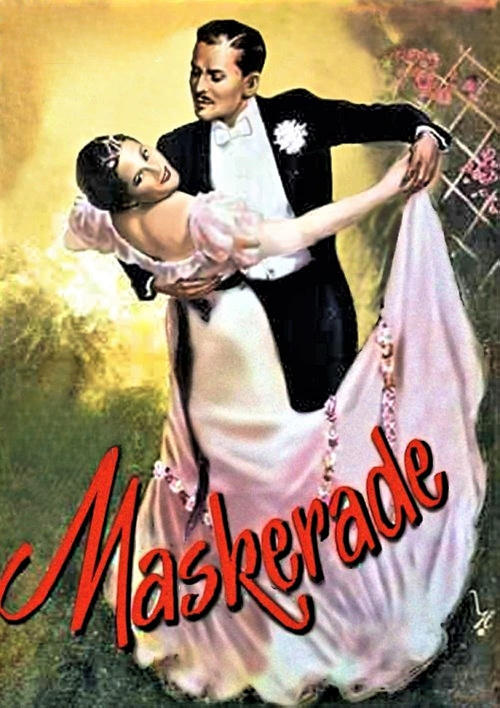
After a masked carnival ball, Gerda Harrandt, wife of the surgeon Carl Ludwig Harrandt, allows the fashionable artist Ferdinand von Heidenick to paint a portrait of her wearing only a mask and a muff. This muff however belongs to Anita Keller, in secret the painter's lover but also the fiancée of the court orchestra director Paul Harrandt. The picture is then published in the newspaper. When Paul sees it and asks von Heidenick some questions about the identity of the model, the artist is forced to improvise a story and on the spur of the moment invents a woman called Leopoldine Dur as the alleged model. Leopoldine Dur however turns out to be a real woman whose acquaintance Heidenick makes shortly afterwards.
Masquerade in Vienna
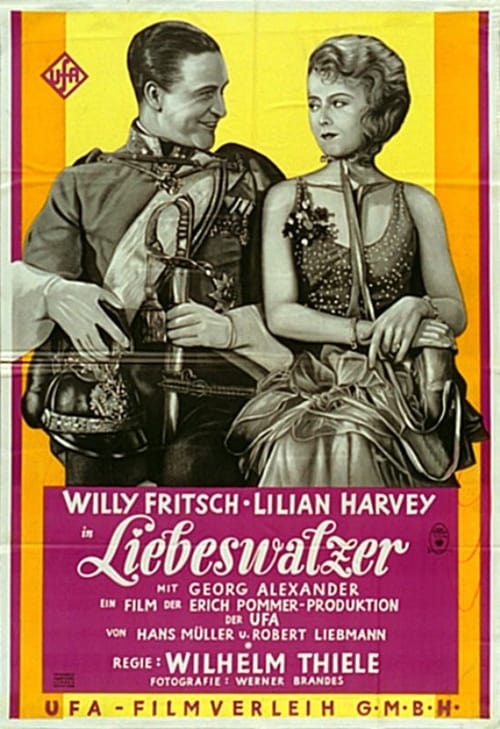
No description available.
Liebeswalzer

Gerhard Lamprecht sketches a cross-section of Germany's new post-war society, with its winners, social climbers, and losers, represented by the social microcosm of an apartment building. The gossip-mad Frau Mierig from the rear building gives the newly-arrived Frau Kaminski, the janitor's wife, a lively initiation into the tenants and their peculiarities.
People Among Us
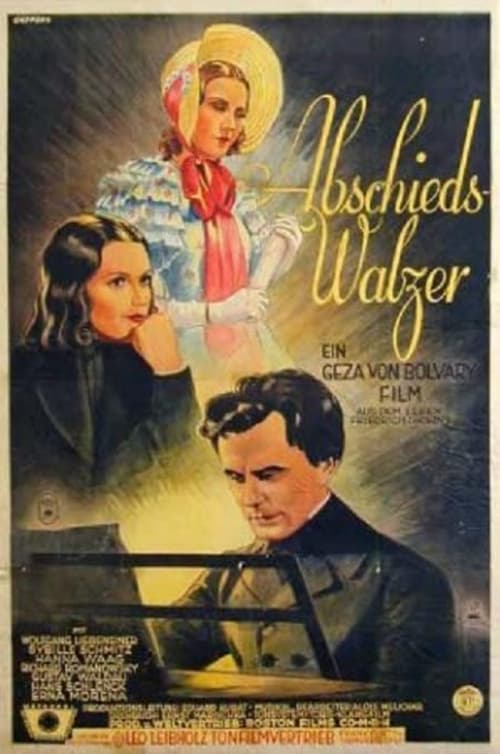
Warsaw 1831: The young music student Frédéric Chopin falls in love with the singer Constantia. When his professor learns that Polish revolutionaries want to persuade Chopin to take part in their uprising, he and Constantia hatch a plan to keep Chopin away from the revolution: Constantia pretends that she no longer loves him, so that Chopin accepts an offer to go to a concert in Paris. There, however, he meets the famous writer George Sand and falls in love with her.
Farewell Waltz
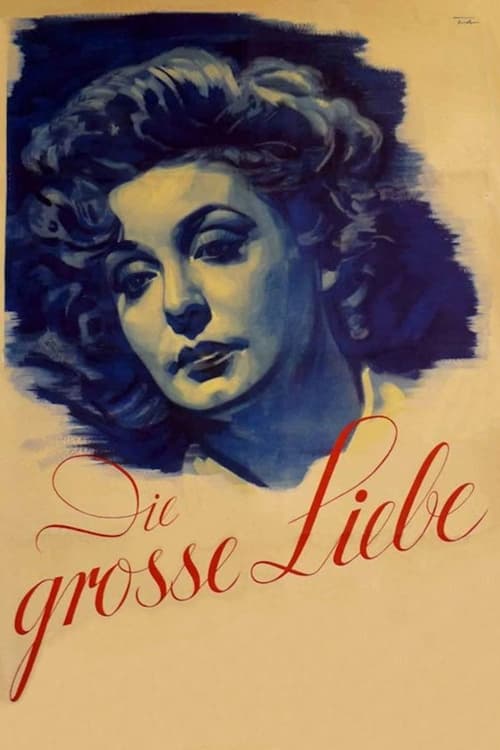
The attractive Oberleutnant Paul Wendlandt is stationed in North Africa as a fighter pilot. While in Berlin to deliver a report he is given a day's leave, and on the stage of the cabaret theatre "Skala" sees the popular Danish singer Hanna Holberg. For Paul it is love at first sight. When Hanna visits friends after the end of the performance, he follows her, and speaks to her in the U-Bahn. After the party in her friends' flat, he accompanies her home and chance throws them further together when an air raid warning forces them to take cover in the air raid shelter. Hanna reciprocates Paul's feelings, but after a night spent together Paul has to return immediately to the front. There now follows a whole series of misunderstandings, and one missed opportunity after another. While Hanna waits in vain for some sign of life from Paul, he is flying on missions in North Africa. When he tries to visit her in her Berlin flat, she is giving a Christmas concert in Paris.
The Great Love
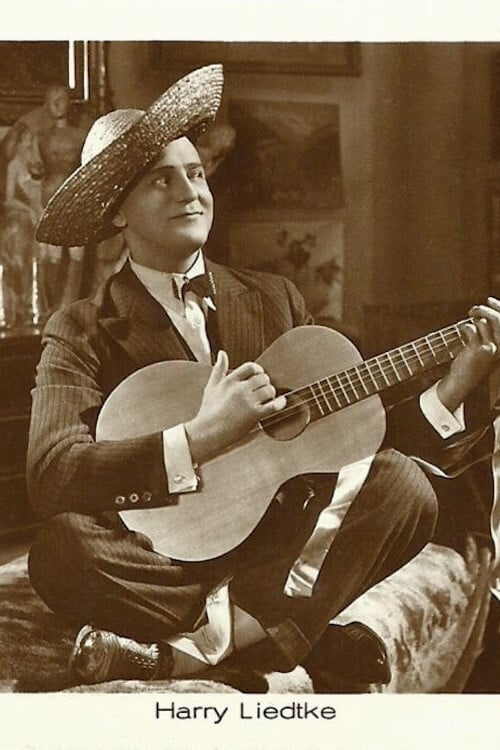
No description available.
Der Faschingsprinz
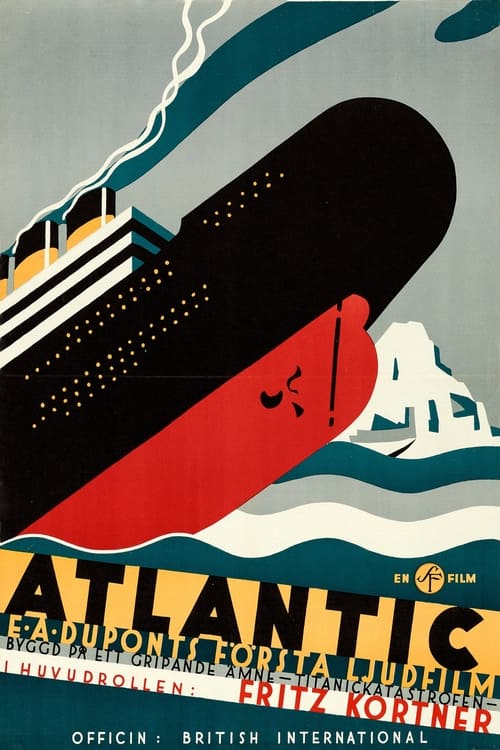
German-language version. "Atlantic" is a drama film based on the sinking of the RMS "Titanic" and set aboard a fictional ship, called the "Atlantic". The main plotline revolves around a man who has a shipboard affair with a fellow passenger, which is eventually discovered by his wife. The ship also has aboard an elderly couple, Heinrich and Anna Thomas, who are on their anniversary cruise. Midway across the Atlantic Ocean, the "Atlantic" strikes an iceberg and is damaged to the point where it is sinking into the Atlantic. The German version was filmed at the same time as the British version, with each scene first being filmed in English for the British version, then the same scene being filmed in German by a German cast, using the same sets.
Atlantic
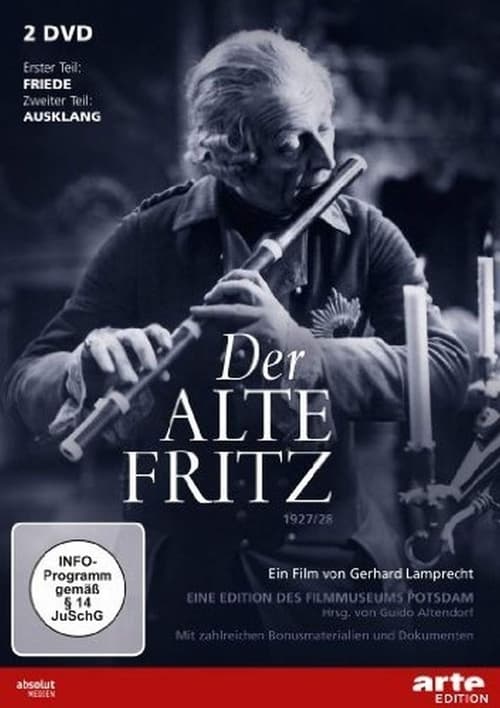
Silent epic on the final years of Frederick II.
The Old Fritz

While vacationing in Puerto Rico, a young Swedish woman falls in love with and marries a powerful local landowner. Ten years later, their marriage has turned sour; meanwhile, two Swedish doctors have arrived on the island to investigate a mysterious fever.
La Habanera
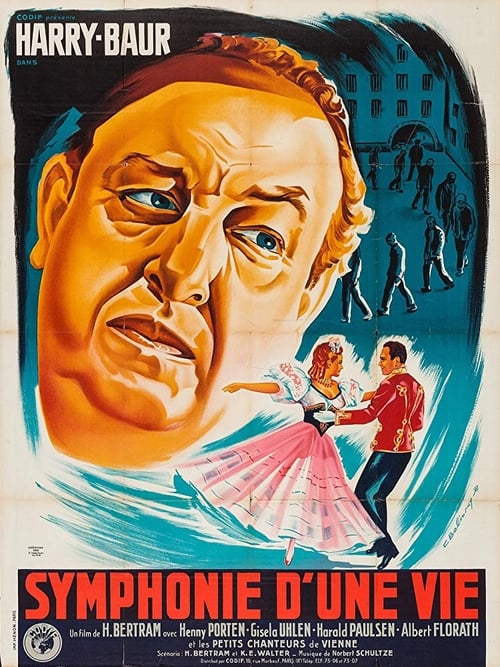
An aging musician looks back on his life, his roots in a country village, his loves, and his brief imprisonment.
Symphonie eines Lebens
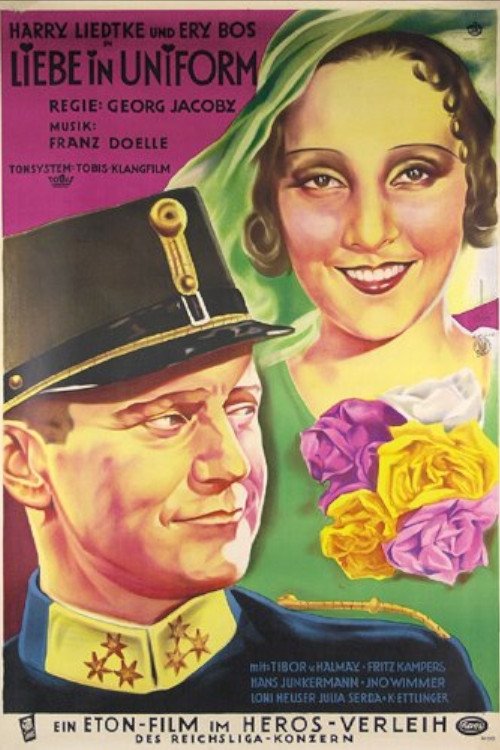
On the eve of the Great War, a cavalry captain who despises the opposite sex falls in love with a wealthy young lady.
Love in Uniform
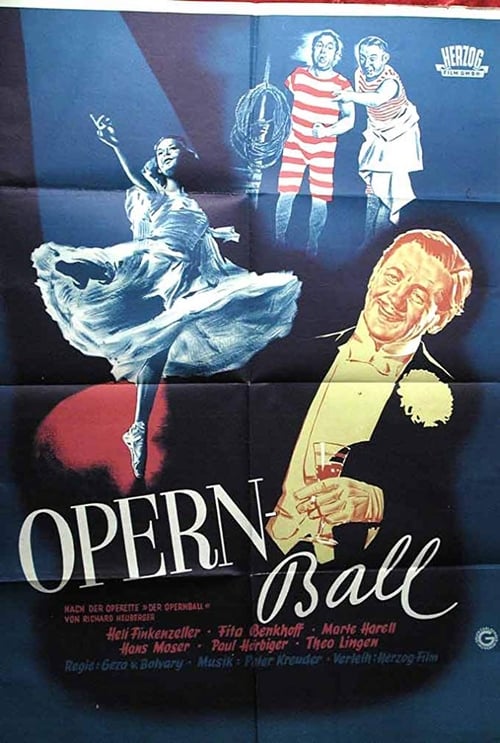
After the operetta of the same name of Richard Heuberger in 1890-1914 all kinds of situation comic from happy-go-lucky Vienna of the turn of the century, the time of the first cars and the absurd bath costumes: Husbands in the Chambre Separee, her little dizziness and mistake plays, the tumultuous whirl of a grand ball... - A high-spirited comedy at considerable entertainment level.
Opera Ball
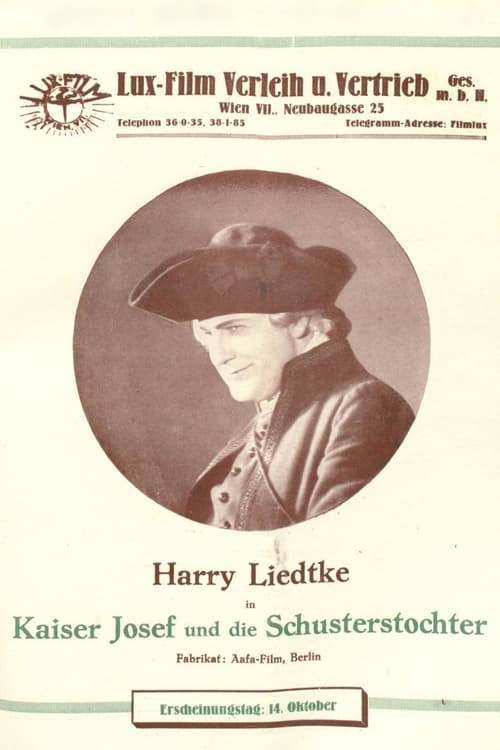
No description available.
Ein Mädel aus dem Volke
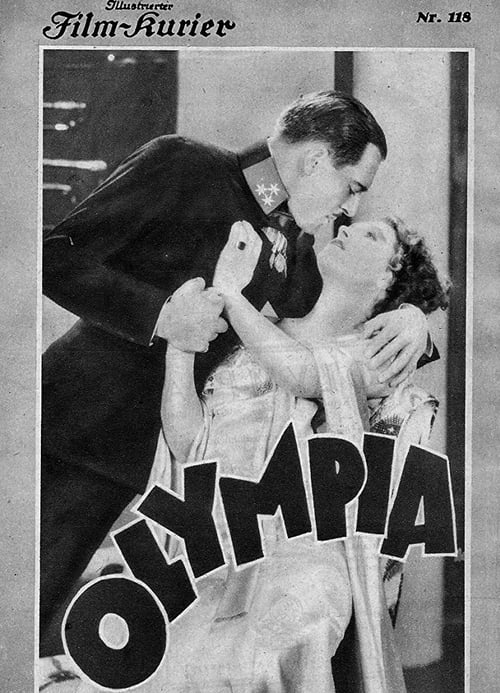
Theodor Shall is cast as handsome Lieutenant Kovacs, the sweetheart of the lovely Princess Olympia. When the princess' snooty mother breaks up the romance, the embittered Kovacs threatens to tell the world that he has "ruined" the girl (not true!), making her unfit for marriage. To ensure his silence, the Lieutenant is promised a night alone with Olympia, just before the wedding. It is at this point that Kovacs proves he's a gentleman after all by marrying the Princess, which is what he intended to do all along.
Olympia
No description available.
Königsliebchen
No description available.