Acting
No description available.
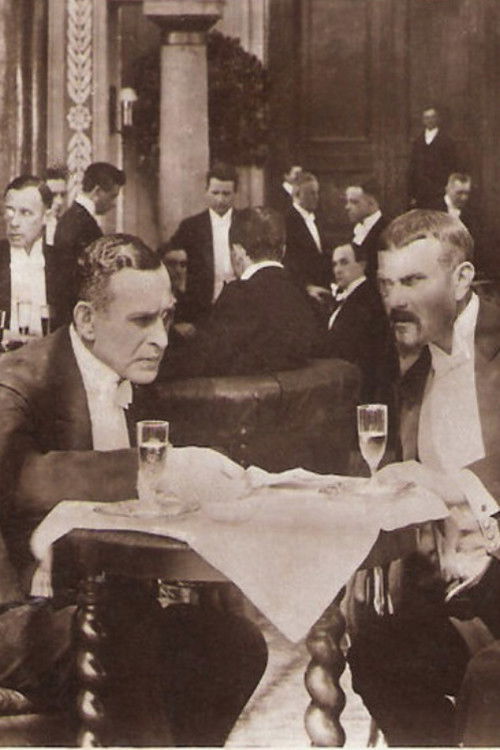
Weltbrand is the first part of the two-part silent movie Christian Wahnschaffe.
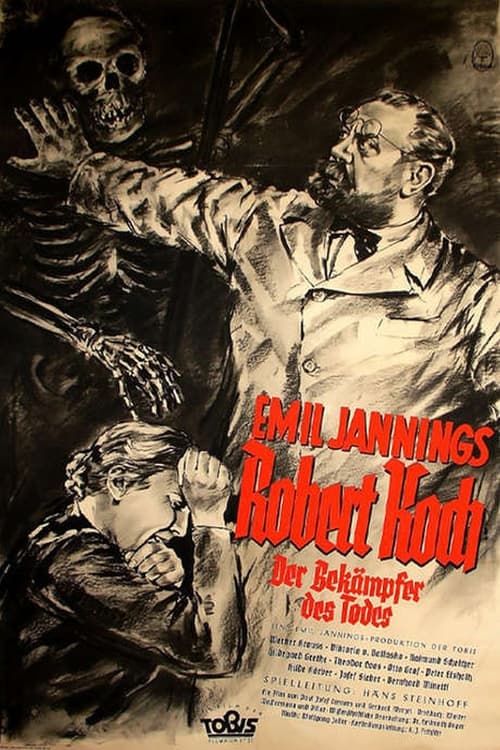
Country Dr. Robert Koch is desperate: a tuberculosis epidemic is decimating the children in his district and no one is able to do anything about it. Every fourth child is already sick and the parents must helplessly watch as their young ones die. Now Koch is undertaking to find the cause of the tuberculosis --- something he has already been working on for years --- which has been causing this plague of illness. His work is made more difficult by envy; for example, that of his teacher, who was wounded defending his honor. But his greatest obstacle is the famous Berliner scientist and Reichstag deputy, Privy Councilor Rudolf Virchow: He is extraordinarily skeptical of Koch's theory, that the cause for tuberculosis is a bacteria.
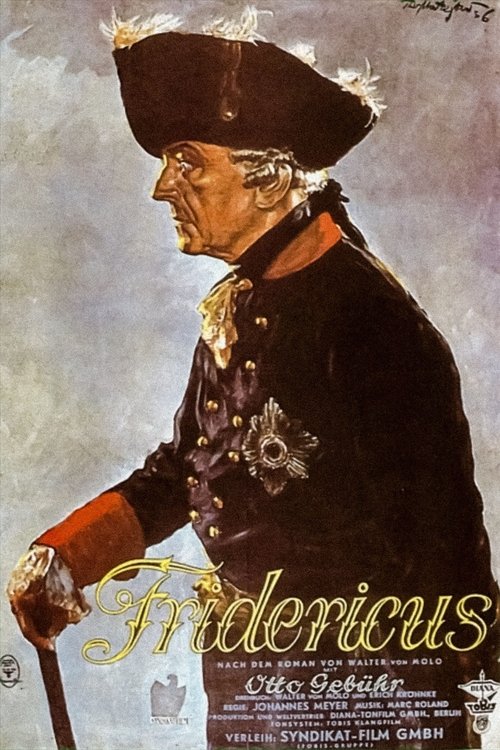
In 18th century Europe, King Friedrich II of Prussia leads his army through the seven-years-war with neighboring states, and after numerous near defeats, eventually brings a victorious army back to Berlin.
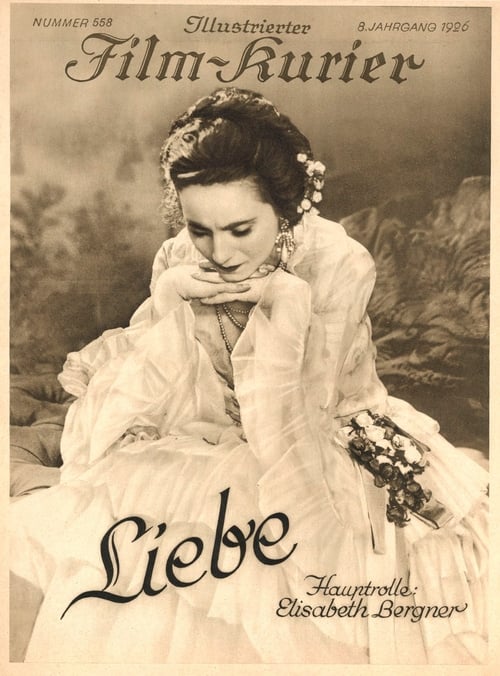
Based on Honore de Balzac’s story of Madame de Langeais. Costume drama about the infamous loves of the countess.
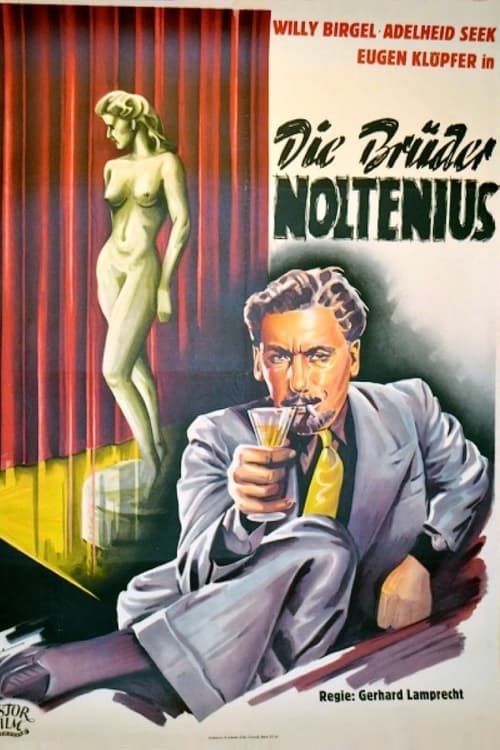
Wolf Noltenius is a real globetrotter. Early on, this talented young man travelled far and wide, where he earned fame as a construction planner. He moved to Brazil; but one day, homesickness got the best of him. He spontaneously travelled back to his hometown to visit his brother Werner and his family. Wolf and Werner, who both went into the same profession, couldn't be any more different: the one is worldly and an experienced man-about-town; the other a small bourgeois.
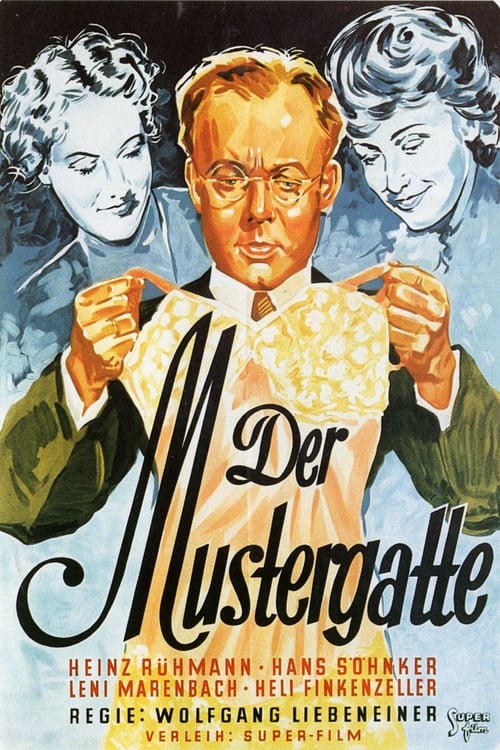
Heinz Rühmann plays the "model husband" who, when his bored wife threatens to leave him, embarks on an adventurous night.
The House on the Moon
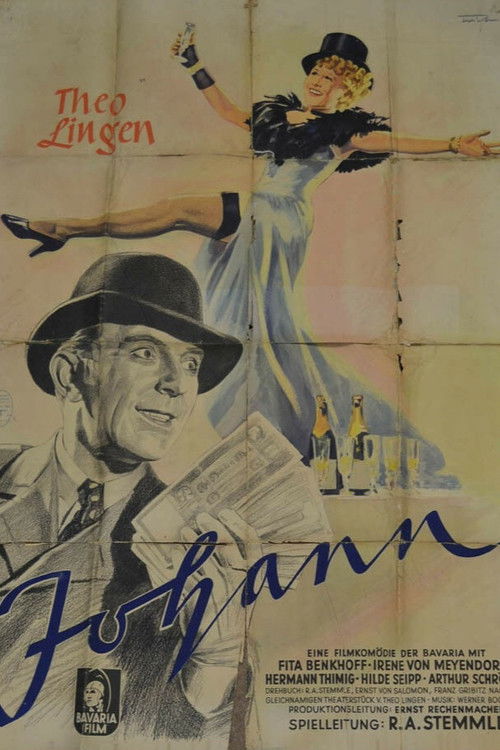
Johann, the trusted valet of Count Zirndorf, has an affair with chambermaid Marie, but this liaison ends, as does the count's marriage. Years later trouble ensues when the count's daughter falls for young Hans who might be her brother.
Although she is known as a patron of the arts, a graceful duchess nevertheless refuses her nephew to marry an enterprising actress in this German melodrama starring Kathe Dorsch and silent screen legend Henny Porten. When Philine (Hilde Krahl), the troupe's ingénue, is rejected as proper marital material by the Duchess of Weissenfels (Porten), Karoline Neuber (Dorsch) creates such a furor that she is banished from the country. A performance at the court at St. Petersburg also ends in disaster for the unhappy actress and abandoned by all, Karoline dies a suicide.
Jonny Wilken is an ageing lion trainer in a circus. He is in love with his younger colleague Jutta Sarris. On her wedding day, Jutta's favorite Bengal tiger attacks her out of jealousy and kills her. Jonny, full of pain and out of revenge, enters the cage to kill the animal with his bare hands. However, the tiger bows to him without any resistance.
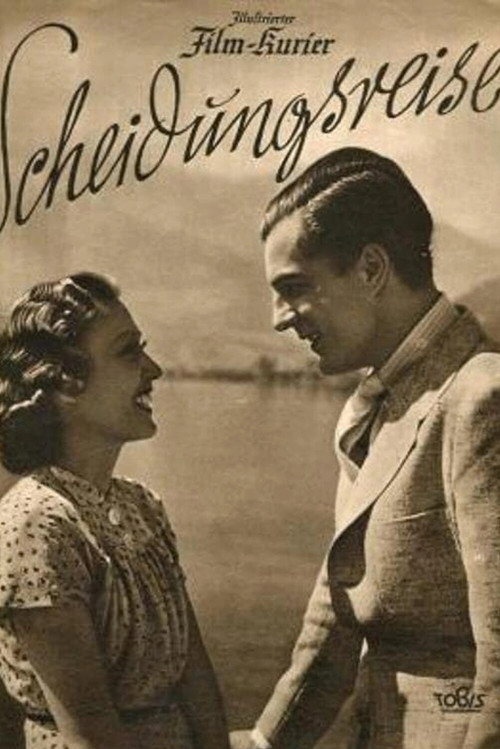
On their wedding night, the very night Dr. Delius and his wife Marianne had been so eagerly anticipating, a heated argument erupted between the newlyweds. Marianne's loyal dachshund took its protective instincts a little too seriously, constantly thwarting every attempt Delius made to get closer. This led to a fierce debate, culminating in the couple's immediate decision to file for divorce.
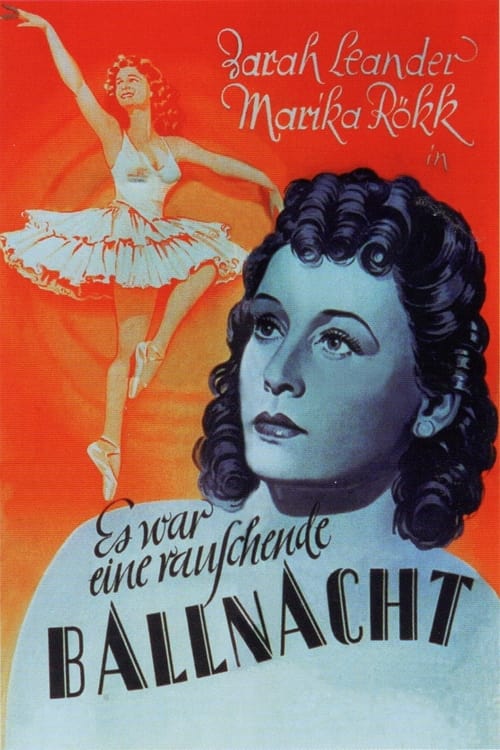
1865. Katharina goes to a ball in Moscow. There she meets again Tchaikowsky, her first and only love. The young, who is now married to wealthy Michael Iwanowitsch Murakin, a man she does not love, has not forgotten Piotr Illich, the (not yet) famous composer. Both are still in love with each other but Piotr is engaged to Nastassia, a dancer, while for her part Katharina cannot leave her husband. Tchaikowky's first love then decides to sacrifice her happiness to the success of the composer, sponsoring him in secret. Something Piotr will learn only years after. When Katharina finds herself free at last it is too late: Tchaikowsky is dying of cholera and she only has time to close his eyes.
Attorney General Trevor's second wife is found stabbed to death in his safe. Due to a ring with the initials DG, which is also found in the safe, the suspicion initially falls on Donald Gordon, the fiancé of Trevor's daughter.
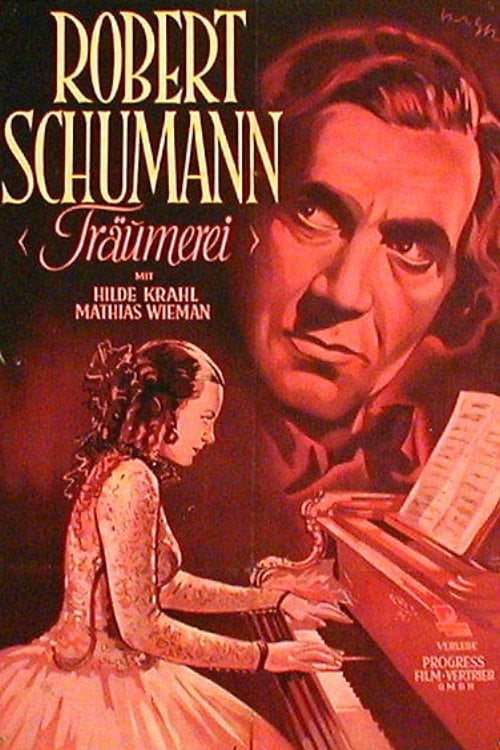
A musical film based on biographical facts about Clara Wieck's love for composer Robert Schumann (1810-1856), her marriage against her will, Schumann's triumph, and his tragic end due to mental illness. The film is beautiful and entertaining, full of noble spirit and beautiful words about art and love, which only conflict in a theoretical context; not least thanks to its solid cast, this film is quite serious and far from kitsch. Completed in 1944, during World War II, the film was rejected by the Nazi leadership, but was eventually released and enjoyed success with an audience already weary of war.
a movie by Heinz Paul
German silent film
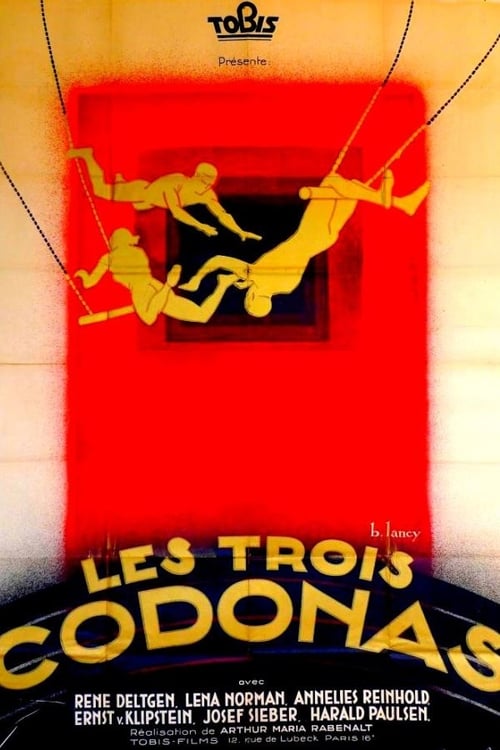
Biography of the life of the circus performer Alfredo Codona.