Manuel Romero
Directing
Biography
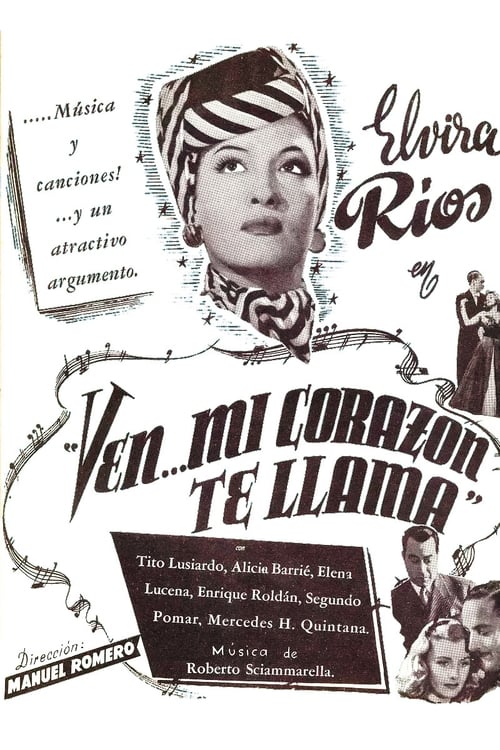
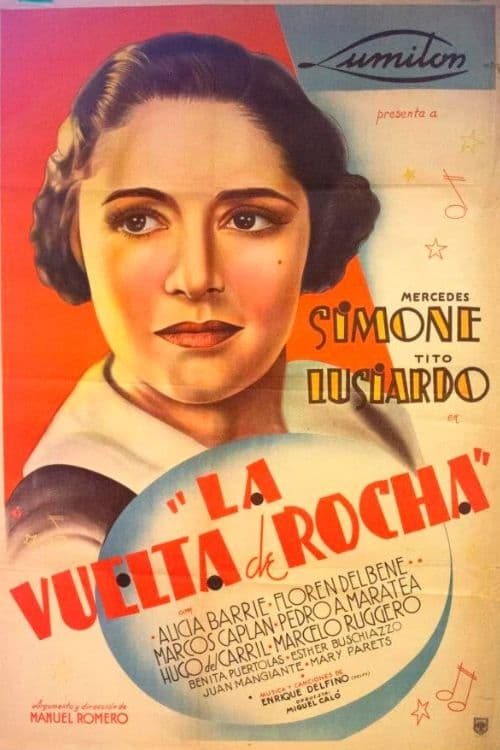
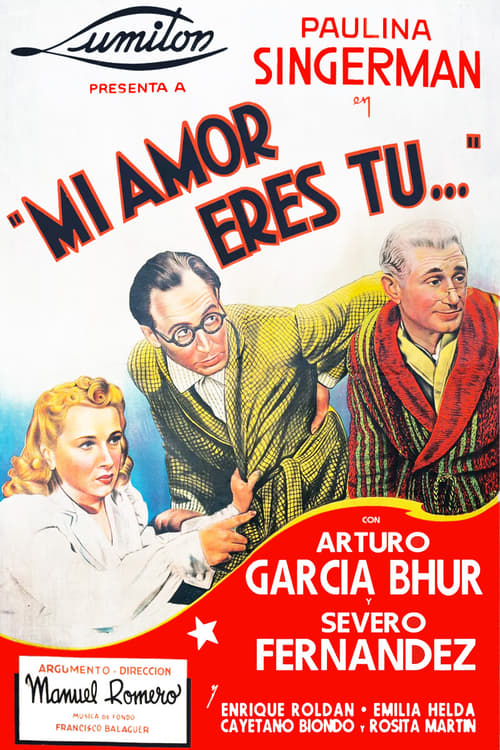
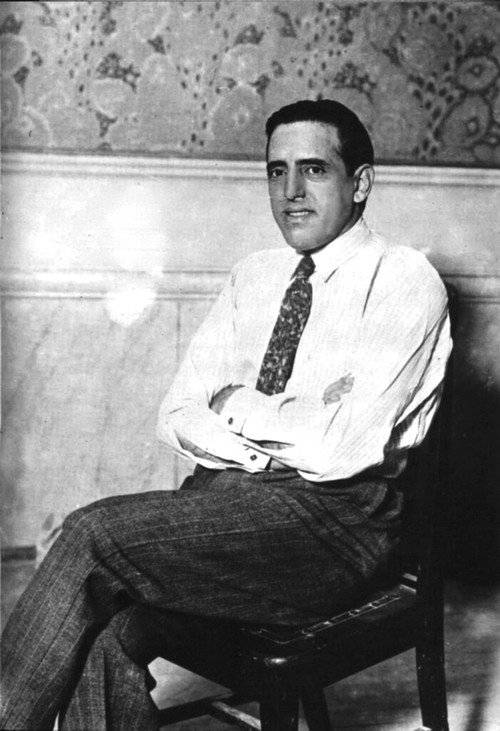
Manuel Romero (1891–1954) was an Argentine dramatist, film director, screenwriter and tango lyricist. He wrote and directed over 50 films between 1931 and 1951 even composing the musical scores for several.
Known For

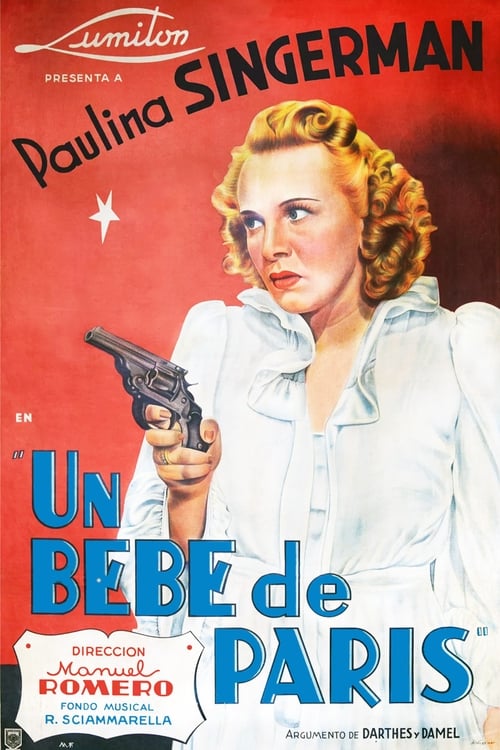
A single mother who is denied work to support the son she had with the aristocrat who had seduced her, is helped by a singer, a director of orchestra and an American female singer, who get her shelter in the humble pension where they live.
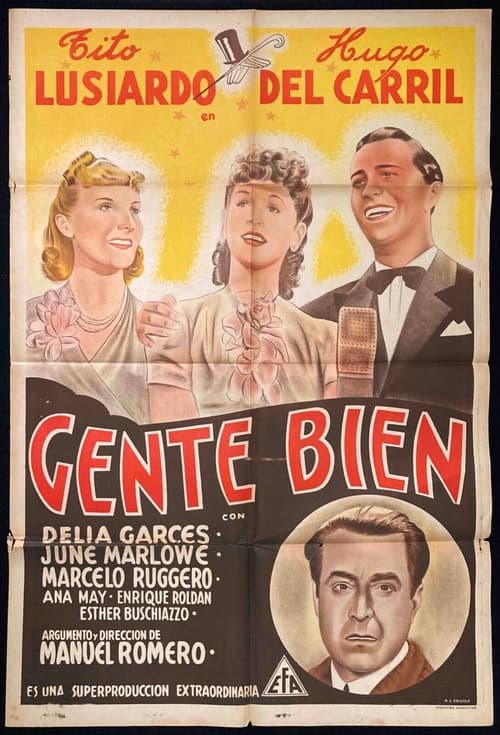
Gente bien

A young millionaire meets a mechanic who has invented a carburetor as a result of a breakdown in her car.
Valentina
The employees of a cabaret who aspire to become artists get the opportunity to work on the radio.
Radio Bar

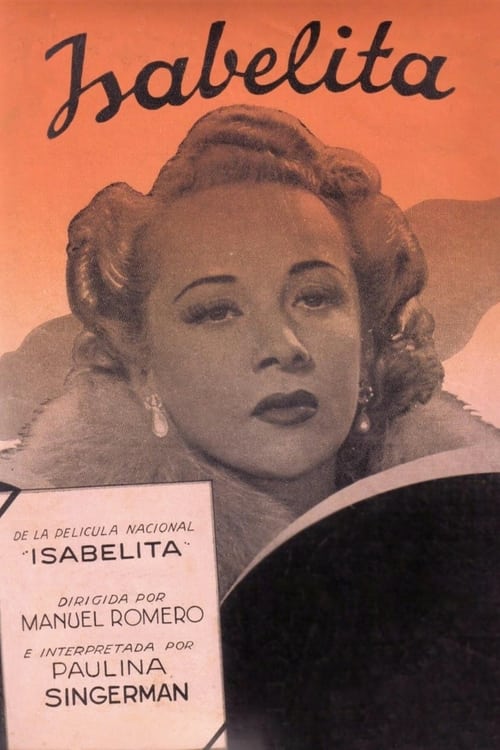
In order to seduce a humble man, a rich girl pretends to be a maid.
Isabelita

A woman and a winning ticket bring a neighborhood boy to the center.
Juan Mondiola

A mechanical worker and football fanatic finds the meaning of life in encouraging, following and collaborating with the club that he loves, to the point of indefinitely postponing the marriage with his eternal girlfriend.
El hincha

Tango musician moves to France to put an unhappy love affair behind him. Inspired by the life of tango composer Eduardo Arolas.
Derecho viejo

The romance between a young man from a wealthy family and the dancer from a place of fun.
Yesterday's Boys Didn't Use Hair Fixers

A rich lady is suddenly in the street after her father's suicide and moves to a pension with many working women from different origins whom she had previously humiliated.
Women Who Work

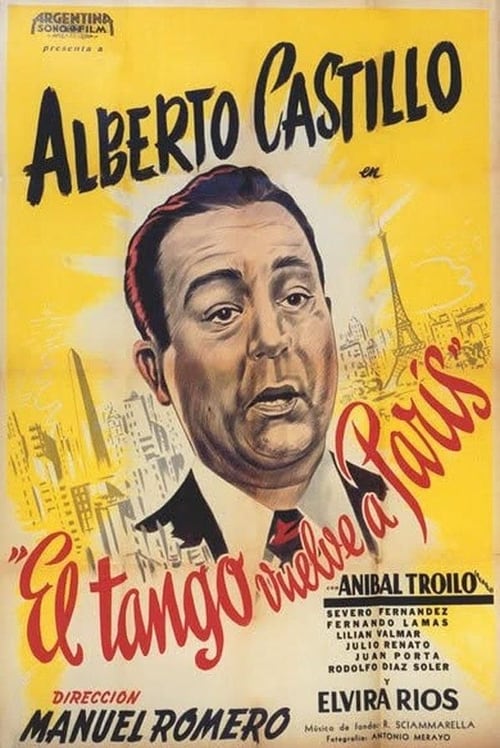
Obsessed by a Mexican singer, an Argentine doctor arrives in Paris; Far from his land he begins to find his true identity transforming into a singer of tangos.
The Tango Returns to Paris

Unscrupulous businessman is plotting a hostile takeover, looking for ways to fix a horse-race, and scheming to force a failed businessman to marry his daughter to him to avoid financial ruin.
El caballo del pueblo

The director of a tango set is in love with the singer but she marries another man who eventually abandons her. In their old age, their children will fulfill their dreams.
La historia del tango

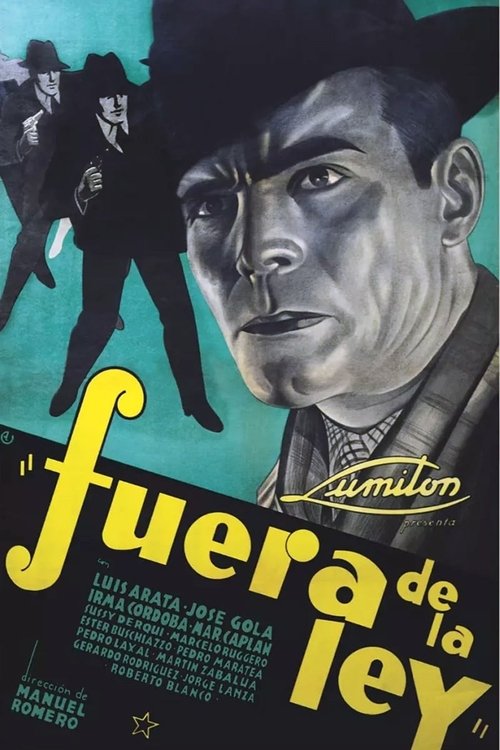
A delinquent, the son of a police commissioner, leaves prison to seduce someone who should be like a sister to him: a girl raised and loved by his parents. To force her to give in to his obsession, he kidnaps her little daughter.
Outside the Law

A rich man offers marriage to a humble girl to be able to get her but he is discovered in his lie.
Don Quijote del Altillo

Anselmo works as the patron of a ranch and he is dating Elvira. One day, a visiting businessman from the city hears her sing and offers her a contract to work in Buenos Aires. She accepts and Anselmo is heartbroken.
The Lights of Buenos Aires

A woman and her two companions get lost in a storm and end up in a creepy house where a mad doctor is conducting experiments in the basement.
A Light in the Window

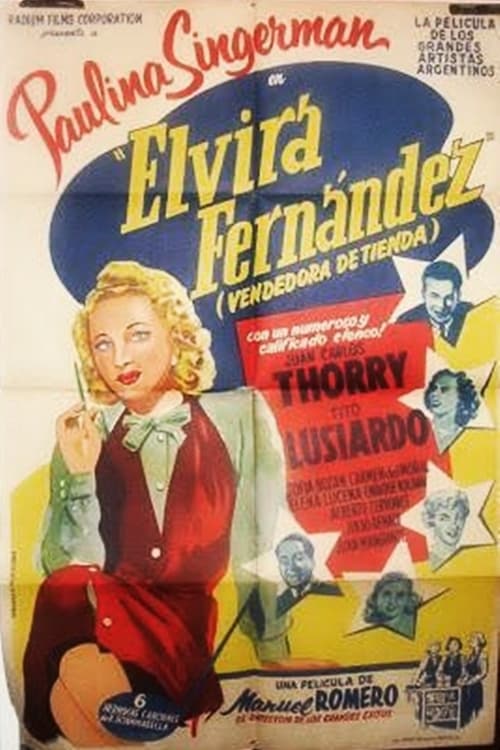
Rich girl with progressive ideas goes undercover as a sales clerk at her father's department store.
Elvira Fernández, vendedora de tienda

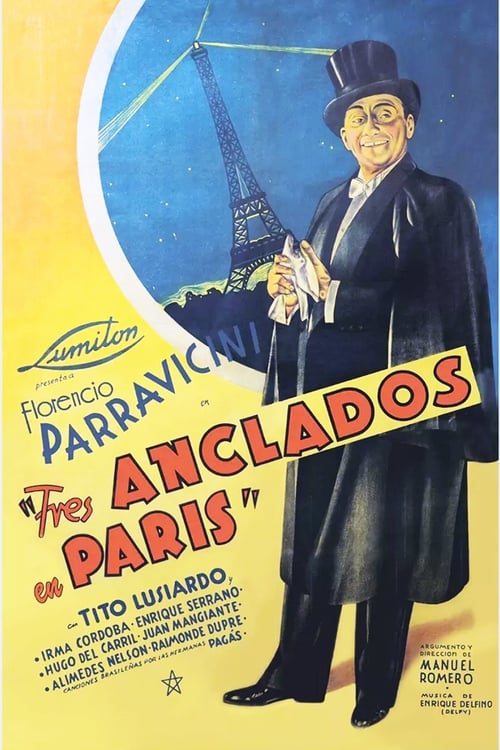
Three Argentines who live in Paris and dream of returning to Buenos Aires but lack resources for the passage, find their opportunity when a landowner, a business man and his daughter arrive in Paris. In a game of rigged poker the three anchors obtain the money for the passages from the newcomers; it happens however that the employer has made an embezzlement and will go to jail if he does not return the money. The character represented by Parravicini, who is the true father of his adopted daughter, gives him the money won to solve his problem and the three remain in Paris to see them in an end with the best poetry of Romero crossing a bridge under the mist , silent, once again anchored but with the happy sadness of recovered self-esteem.
Three Argentines in Paris

A woman dreams of being a great classical dancer and that the public cheers her on, which gives rise to the most absurd situations.
Mujeres que bailan

¡Tango! follows a formula established by Carlos Gardel with films such as Luces de Buenos Aires (The Lights of Buenos Aires, 1931) in which a melodramatic story is interspersed with tango songs. However, the film had less dialog and more music, making it more like a musical revue. This format would be copied by many subsequent films. The plot is derived from tango songs. Many of these songs tell of the seduction of an innocent slum girl by a rich man who promises her a glamorous life, but who abandons her when her looks fade. The stylized and sentimental plot of ¡Tango! revolves around a young man who is abandoned by his girlfriend for an older rich man and is heartbroken. The film follows his misfortunes.