Huang Zuolin
Directing
Known For

No description available.
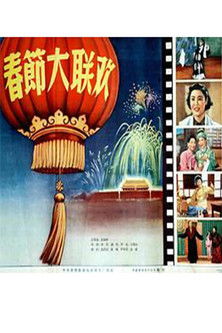
春节大联欢

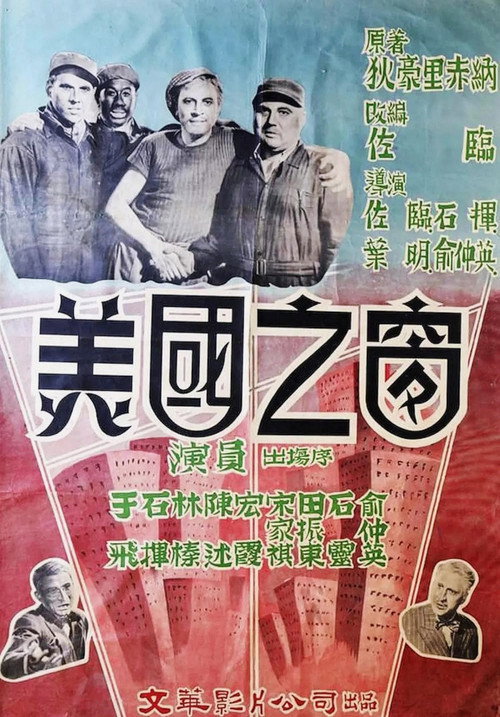
A New York City businessman meets a window washer hoping to commit suicide and decides to market his grief to the highest bidder in this acidic satire on American capitalism, one made even more memorable by the fact that the entire “American” cast are Chinese actors in whiteface. The greedy Mr. Butler (Shi Hui) convinces the suicidal “Charley” that he might as well endorse some cigarettes as he jumps out of his office window, and maybe wear a particular suit too. A true cinematic oddity, this Korean War–era propaganda piece is a satire that Frank Tashlin could envy.
Window to America

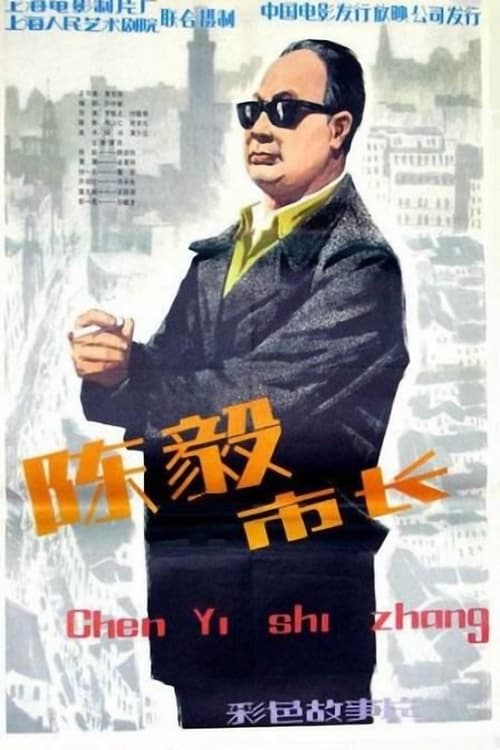
Set in the early stage after liberation of Shanghai, Chen Yi is delegated to be mayor and deals with a lot of economic and social issues.
Mayor Chen Yi

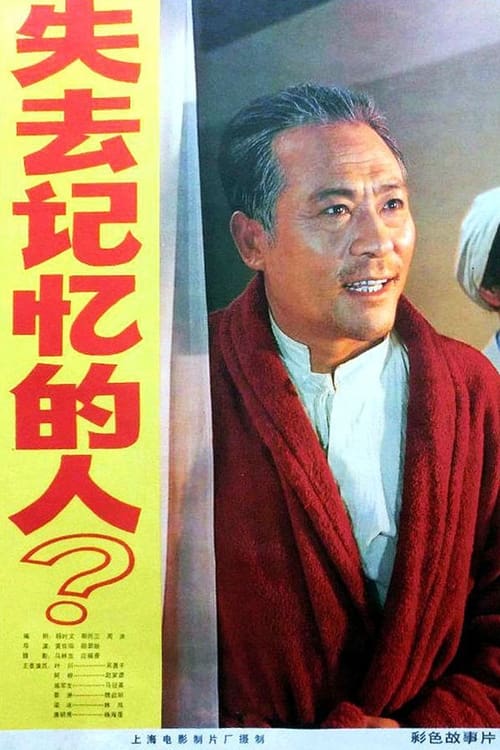
Set in 1976, Ye Chuan, the party secretary of a certain city Dongfeng Chemical Equipment General Factory, resolutely implemented the task of trial-manufacturing large-scale chemical equipment issued by the State Council and the Ministry of Petroleum and Chemical Industry.
Loss of Memory of the People

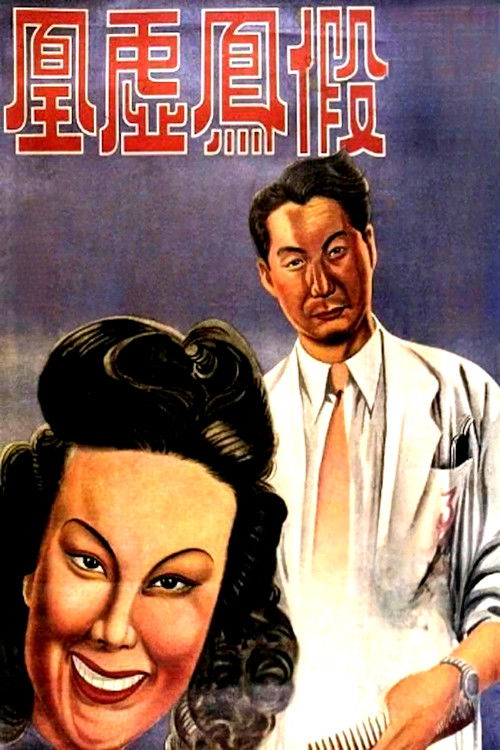
Young widow Fan Ruhua feigns the daughter of a tycoon and solicits husbands on papers. But Fan bumped into Yang Xiaomao, a barber, who similarly pretends to be a suiter for a broke businessman to court a daughter from a wealthy family. After a series of misunderstandings, Yang and Fan finally give up vanity and live honest lives.
Phony Phoenixes

No description available.
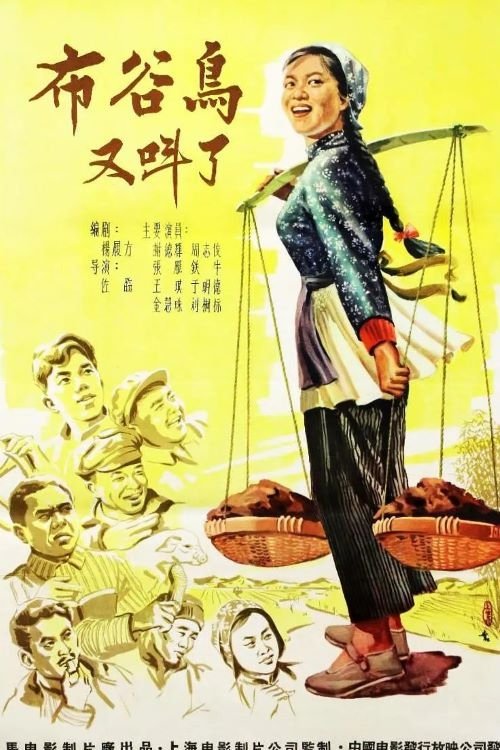
布谷鸟又叫了

Country boy San-Mao comes to metropolis Shanghai to learn living skills.
Sanmao Learns to Do Business

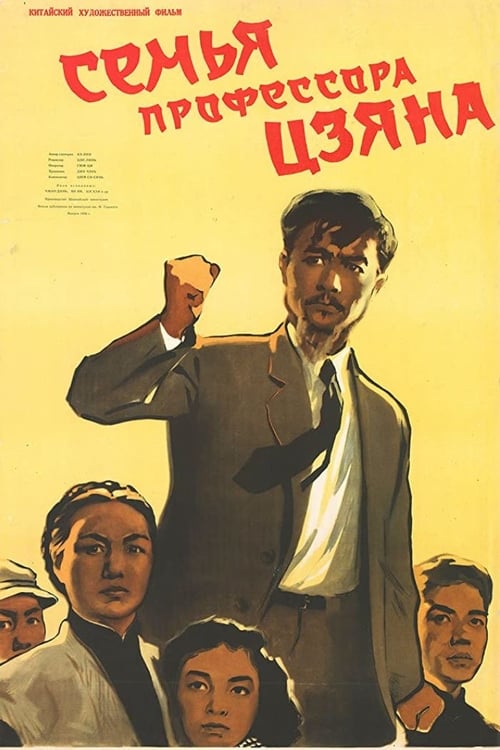
A professor of East China University and his family become supporters of the Communists after America supports the Nationalists.
For Peace

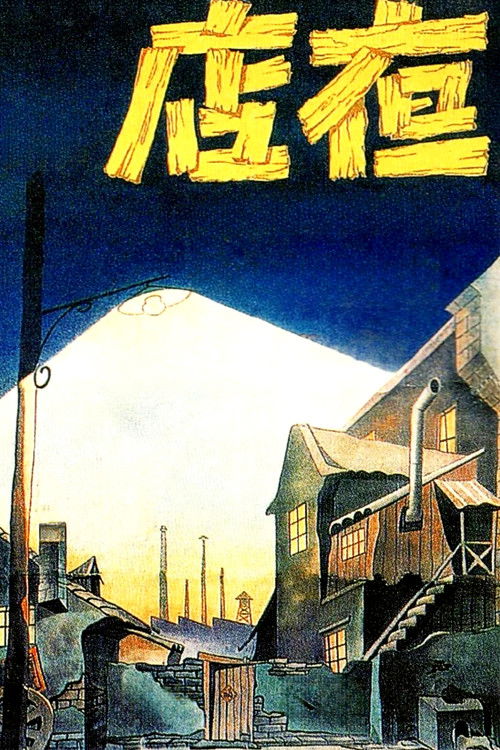
Night Inn (Chinese: 夜店; pinyin: Yè Diǎn) is a Chinese black-and-white film released in 1947, directed by Huang Zuolin and starring the popular Shanghai singer Zhou Xuan. The film is based on the Chinese theatrical adaptation of Maxim Gorky's The Lower Depths by playwright Ke Ling. The play and the film were both banned in China during the Cultural Revolution but were popular in the post-Mao period.
Night Inn

No description available.
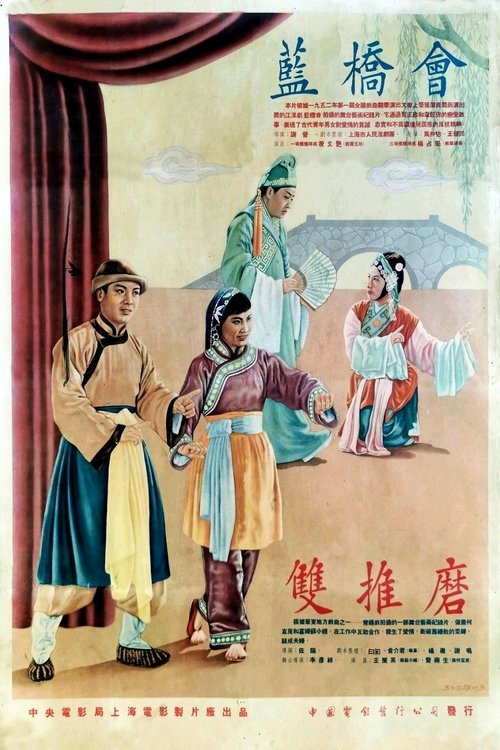
双推磨

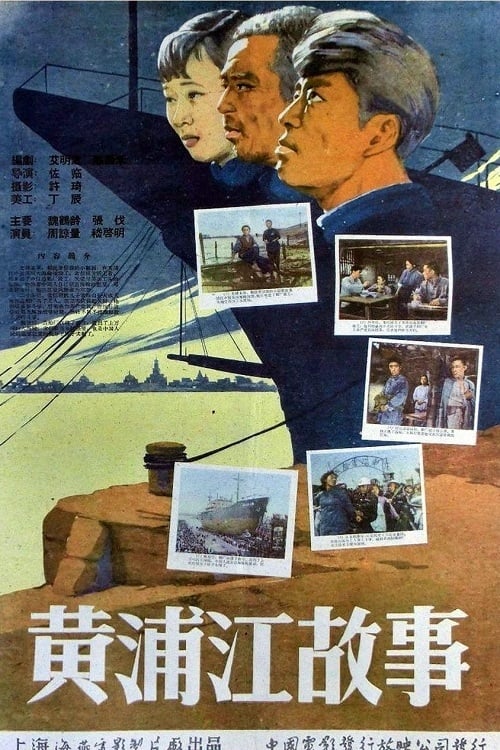
The fate of a Chinese worker who devoted his life to the revolutionary struggle, about his family, who gave many years to their native factory, about the victory of people's power in the country.
Stories of the Huangpu River

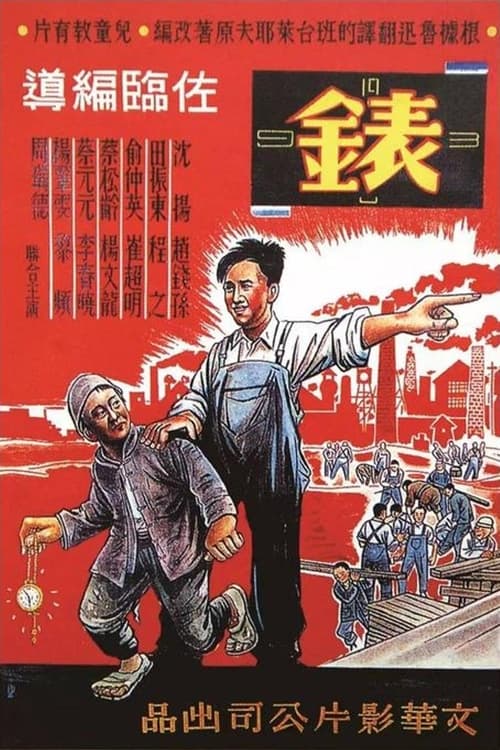
A street-wise and tough orphan called Maverick is arrested for a petty theft and sent to an orphanage, but succeeds in concealing a watch he had stolen from an old shopkeeper just before his arrest. At the orphanage, he is recruited by a crooked warder for further and more serious crimes. But when two more children are admitted to the orphanage -- a boy called "Fatty" and a girl called "Little Mouse" -- he makes the first friends he has ever had. But when Maverick learns the girl is the granddaughter of the old shopkeeper he stole the watch from, and what ruin it brought to her family, he has a crisis of conscience.
The Watch

In 1949, Shanghai after liberation. Many intellectuals entered the East China People's Revolutionary University and were reformed in this revolutionary melting pot.
Ideological Problems

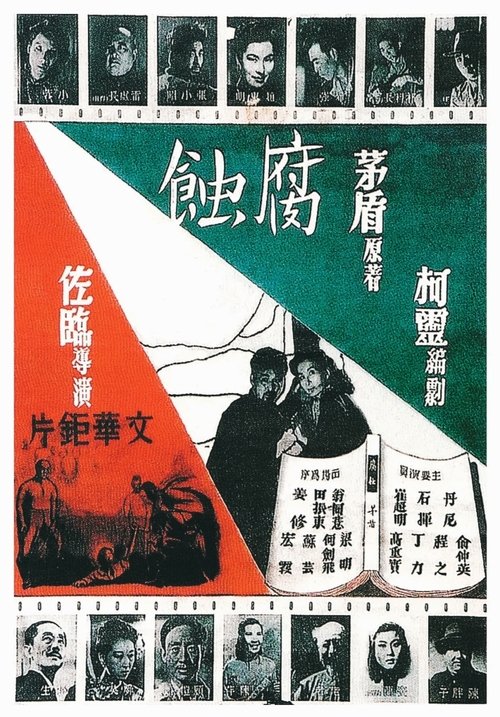
During the war against Japan, a young woman fell into the enemy's spy organization, and engaged in a series of espionage activities, before being inspired by members of the Communist Pary.