Sound
This short documentary shows Canada's top swimmers in training for the 1964 Olympic Games. Under the critical eye of coach Ed Healy, they practice long hours in the gym and in the pool to build strength and stamina.
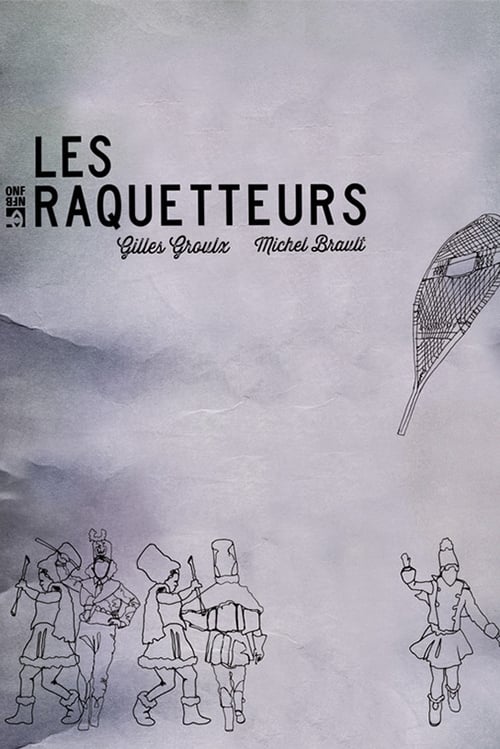
This short documentary records the celebration and ritual surrounding a snowshoe competition in Sherbrooke in the late 1950s. The film marked the beginning of a new approach to reality in documentary and prefigures the trademark style of the NFB's newly formed French Unit. Today, "Les raquetteurs" is considered a precursor to the birth of direct cinema.
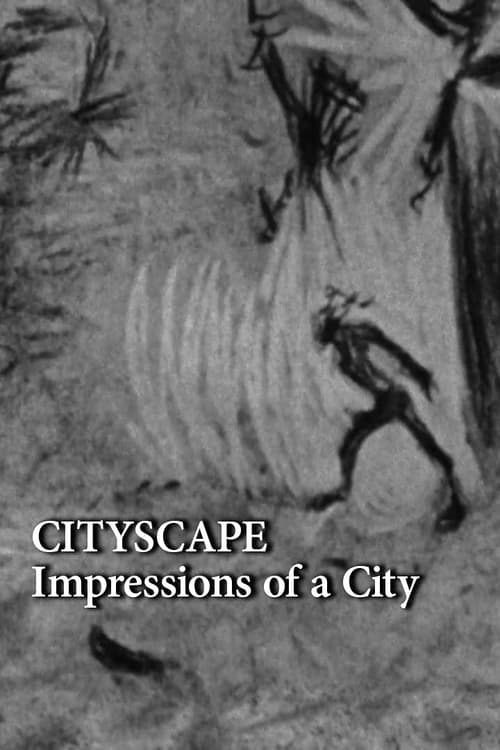
In this experimental animated short, Ryan Larkin (Walking) creates a series of figures who move across the screen and disappear into a hole. Eventually, the hole metamorphoses into a bridge, on top of which stands the young man from whom the others figures originated.
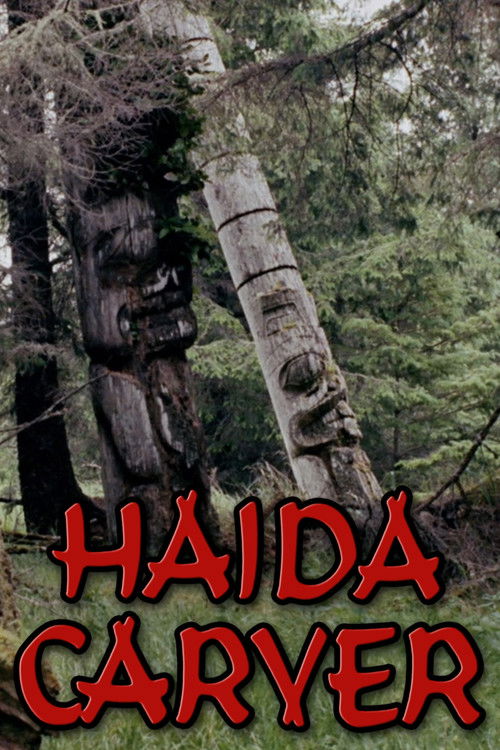
On Canada's Pacific coast this film finds a young Haida artist, Robert Davidson, shaping miniature totems from argillite, a jet-like stone. The film follows the artist to the island where he finds the stone, and then shows how he carves it in the manner of his grandfather, who taught him the craft.
A slow-motion study by Norman McLaren of the pas-de-deux adagio, one of the most exacting and difficult dances of classical ballet. A ballet originally choreographed by the Russian ballet master Asaf Messerer is performed for this film by the internationally known Canadian pair, David and Anna Marie Holmes, to the music of Albinoni’s Adagio. A film to heighten the aesthetic appreciation of classical ballet and to afford observation of the technique and mechanics of the adagio movements.
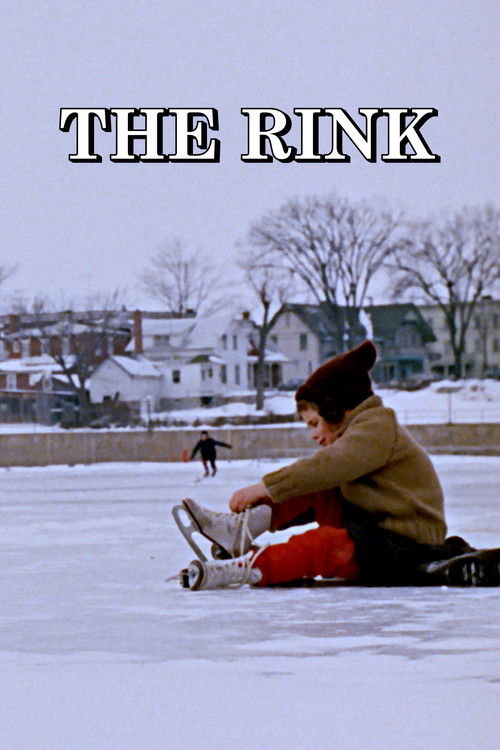
This short, silent film captures a Sunday afternoon at a community skating rink. Iconic Quebec director Gilles Carle has the camera follow toddlers learning to skate, young girls flashing their skates and boys decked out in the colours of their favourite hockey teams. A picture perfect moment on a bright winter's day.
Here you will see Marie Dressler, Mary Pickford, Norma Shearer, Walter Huston and a host of other Canadians who achieved world renown on the silver screen. Slapstick, romance, tragedy, comedy--it's all here in an entertaining sampling of what audiences have applauded down the years. You see the audiences too, and the theatres where early movies first drew in the fans. As guide you could hardly find a more knowledgeable or familiar figure than Walter Pidgeon, a Canadian with eighty or more films to his credit. He recalls the personalities of the great stars he has known and explains how the technology developed that shows the stars on the screen.
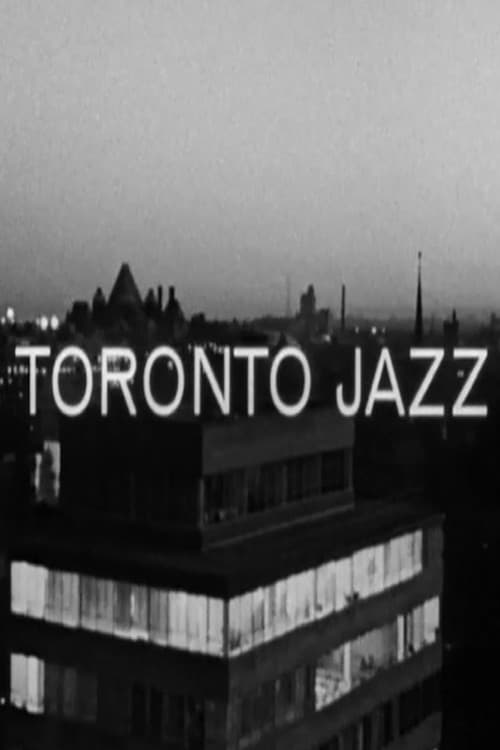
Toronto is regarded as the third largest jazz centre in North America. This film features a cross-section of jazz bands of that city: the Lenny Breau Trio, the Don Thompson Quintet and the Alf Jones Quartet. Their styles show creative self-expression, hard work, and improvisation.
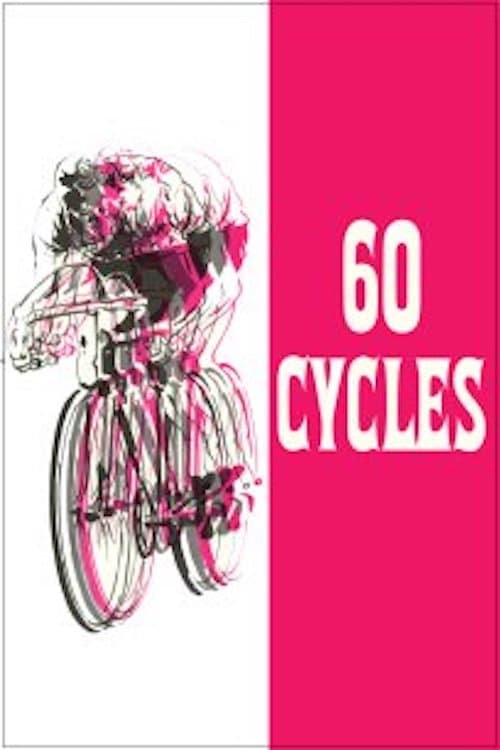
On your marks. Follow cyclists from 13 countries as they cover 2.400 km of Gaspé countryside in 12 days-a course longer than those of Italy, Belgium or Spain. The long shots of curving landscape and open road are set to a mesmerizing soundtrack in this documentary, and the results are spellbinding.
A documentary about the self-taught painter William Kurelek, told through his paintings. There are scenes of village life in the Ukraine and the early days of struggle on a prairie homestead and the growing comfort of family life. In Ontario, Kurelek paints the present life of Canada with the same pleasure he painted the old.
A man sets a ping-pong ball into motion and it becomes fruitful and multiplies.
A boy's carved boat travels through the Canadian wilderness until it reaches the ocean.
One day in a kindergarten classroom at Van Horne Public School in Montreal. The teacher encourages children to turn their curiosity into questions and organizes group activities and play periods.
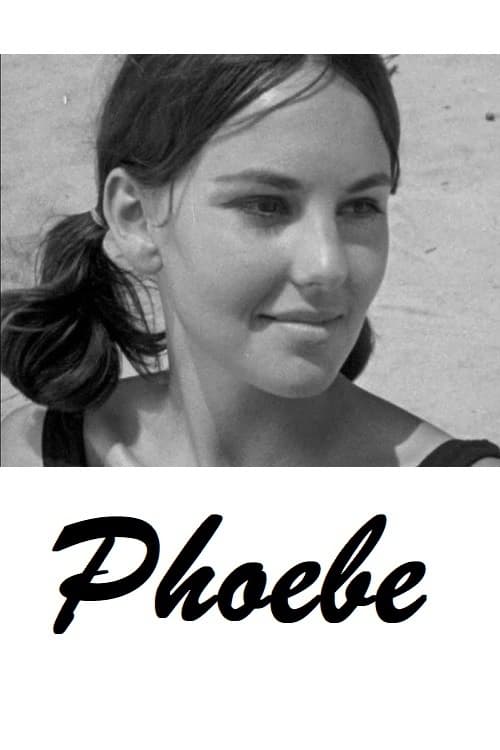
A young, unmarried teenager finds herself pregnant. The film mirrors the state of her mind as she worries about the possible positive and negative reactions of her parents, boyfriend, etc in a series of vignettes.
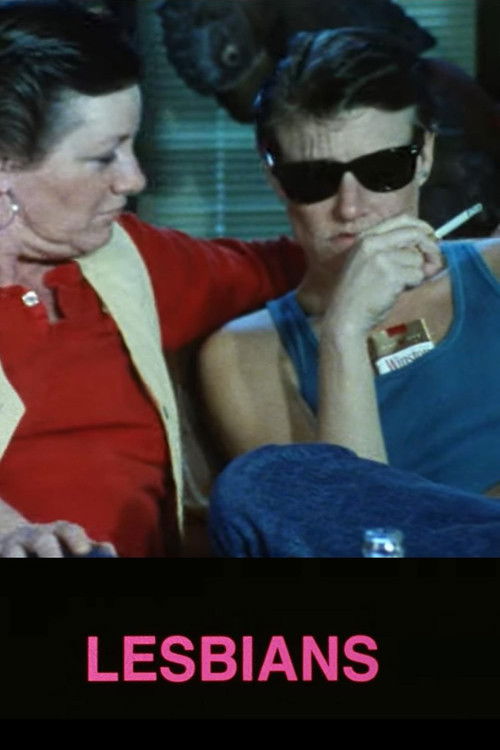
Three politically incorrect lesbians talk about being lesbian.
This short documentary shows the reactions of European immigrants as they land in Halifax at the beginning of the 1960s. From the port, we follow them on a snowy journey by train to Montreal.
The unusual short story of a Canadian Judoka Doug Rogers, who developed, in Japan, a talent for Judo that led him into competition for the world championships at the Tokyo Olympics and subsequent competition at the Pan American Games. The short film shows the intensive training he took at a Tokyo college as well as glimpses of his life in Japan while studying with legendary Judoka Kimura Sensei.
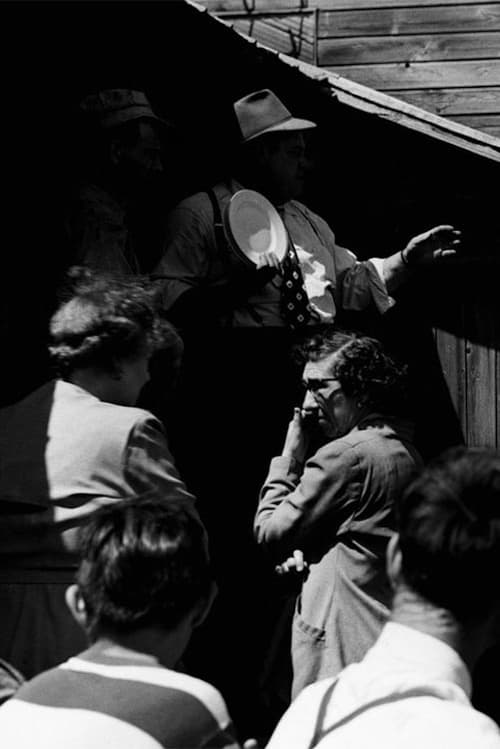
Household effects and farm implements under the hammer. Here is the auctioneer's cajoling patter, the jostling crowd, pungent observations from one or two old-timers and, over all, the kindly curiosity of folks who gather to see the end of a neighbour's life on the farm.
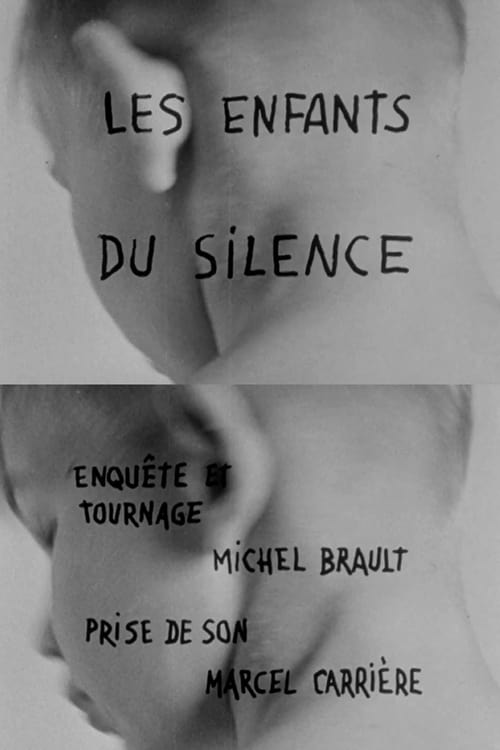
This film looks at the world of children with hearing loss and the importance of early diagnosis. With its straightforward, rigorous cinematic style and intimate approach to the subject, the film focuses on the human rather than the technical side of the problem of hearing impairment.
An aging union leader, after a lifetime of service for the cause, finds that he has outlived his usefulness and esteem among the workers of his factory, that times have changed and a new strategy is needed in bargaining with the company.