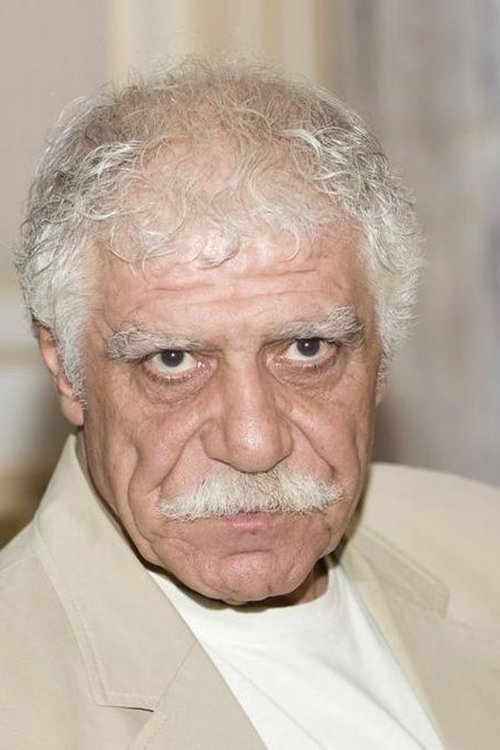
Khaled Taja
Acting
Biography
A Syrian actor of Kurdish origins, born in Damascus. At the age of eight he discovered that he was fond of drawing and fell in love with the imagination of the shadow. At the age of ten he began to frequently visit the seven theaters of Damascus, such as "Al-Nasr", "Al-Rasheed" and "Andalus". He starred in two theatrical works written and directed by one of his high school teachers. In 1956 he moved to the Free Theater troupe. He played a number of roles on stage, after which he moved on to writing and directing for theater. Among his works in this field is The Servants of the Rich, which he also co-starred in. He also wrote the play The Crazy, which did not see the light due to the bad financial circumstance he suffered after his father’s death. In 1965, the Yugoslavian director Boško Futonovic chose him to star in the movie Truck Driver.
Known For
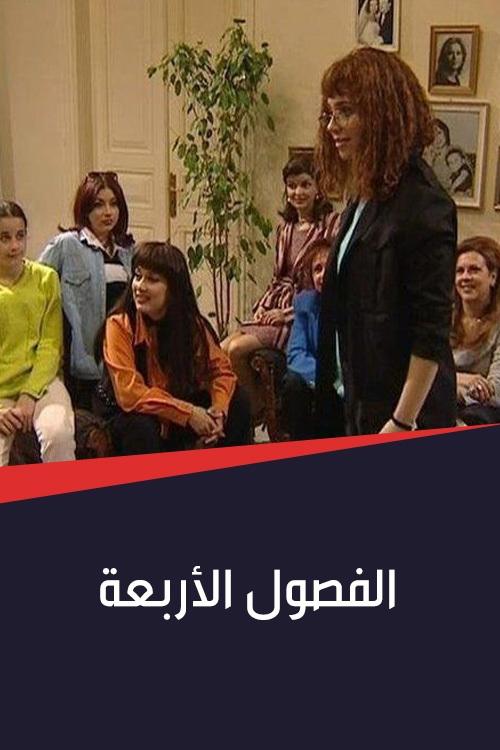
Damascus in the late 1990s. Kareem and Nabila are raising five very different daughters — each with her own personality, ambitions and complications — alongside a scene-stealing aunt Jamila. Every episode centres on a family issue that brings everyone together to argue, laugh and muddle through. Warm, witty and deeply rooted in Syrian daily life, it remains one of the most beloved family comedies in Syrian television history. Stars Jamal Suleiman and Khaled Taja.
The Four Seasons
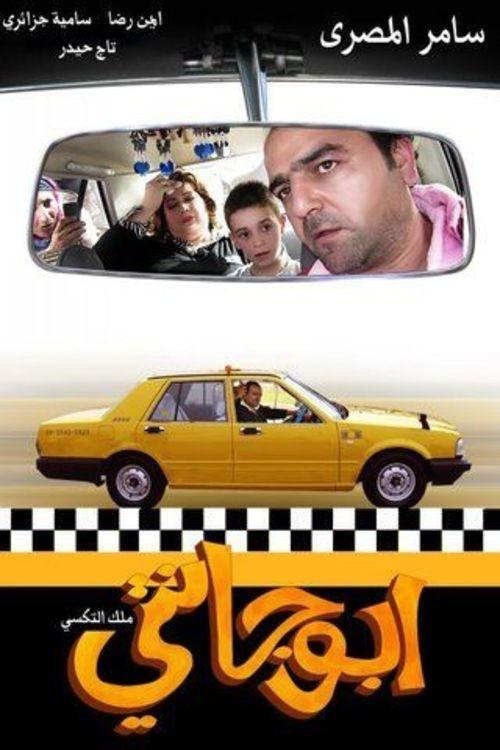
Abu Janti — self-proclaimed "King of the Lancer" — is a Damascus taxi driver whose cab doubles as a confessional, comedy club and social mirror. Each episode brings a new passenger with a new story, and Abu Janti can't help but get involved. Written by and starring Samer El Masri, born from a beloved sketch on Spotlight (2003), this Syrian black comedy uses the taxi as a window into everyday Damascus life — funny, sharp and occasionally heartbreaking.
Abu Janti (King of taxi/ King of lancer)
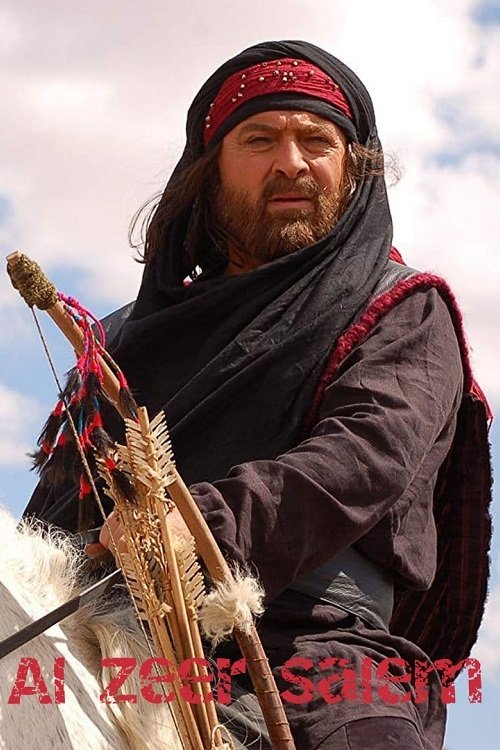
Chronicling the Basus War between two Arabian tribes and their allies, the drama follows the emergence of renowned Arab figure, Al Zeer Salem.
Al Zeer Salem

Men Under the Fez is a Syrian ensemble drama that explores the quiet gap between public virtue and private behaviour. Set in a society where educated, “progressive” men speak fluently about equality and modern values, the series gradually reveals the contradictions in their personal lives — and the emotional cost carried by the women closest to them. Through intersecting stories of marriages, desire, hypocrisy and self-deception, it offers a sharp, often uncomfortable portrait of everyday patriarchy. Directed by Hisham Sharbatji, starring Khaled Taja and Karess Bashar.
Men Underneath the Fez
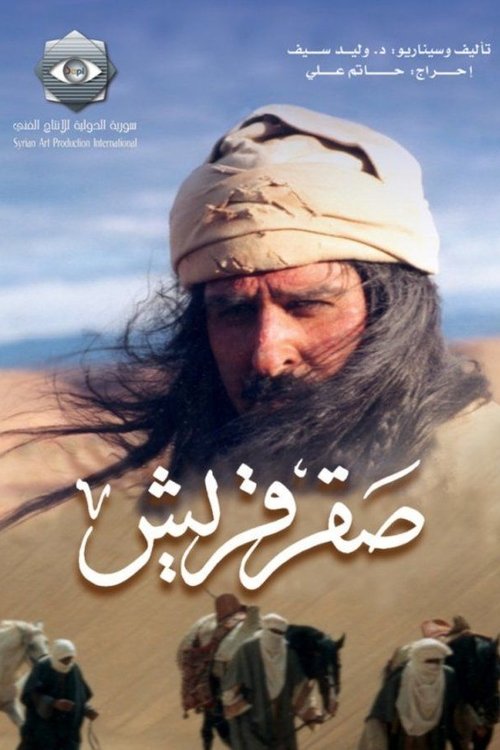
When the Abbasids overthrow the Umayyad Caliphate in Damascus, slaughtering nearly the entire dynasty, one young prince escapes — Abd al-Rahman. Hunted across deserts and seas, he eventually reaches the fringes of the Muslim world and, through sheer will and political genius, founds a new Umayyad emirate in Andalusia. Written by Walid Seif and directed by Hatem Ali, this is the first chapter of their celebrated Andalusian trilogy — epic, human and historically meticulous.
The Falcon of Quraish
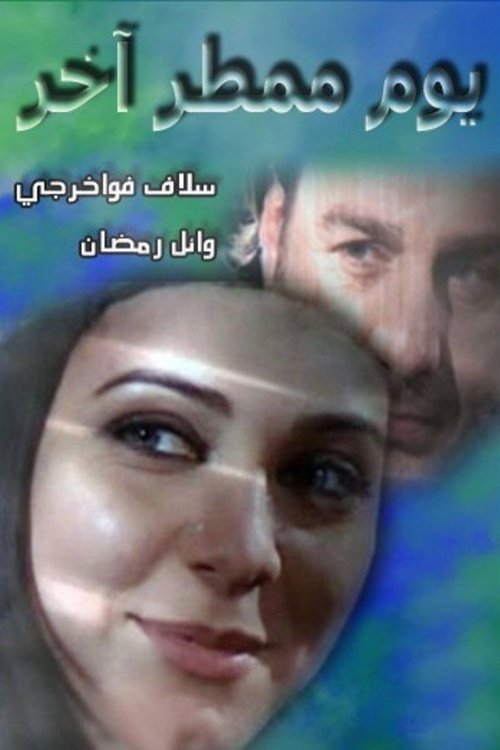
The series discusses the living conditions of middle-class families by presenting the daily lives of a group of educated characters looking for job opportunities and self-fulfillment in the capital, Damascus, and it deals with the relationships between spouses, siblings, friends, and lovers, as well as between parents and children.
Another Rainy Day

The Halaby family works in trade. When the father decides to write all his property over to one of his sons, the two brothers clash, until the eldest brother falls ill, and his younger son is forced to give up his ambition to take care of their business.
Big Dreams

In a dramatic and social framework, Abu Mansour’s children work hard to improve their financial conditions, but they encounter major life obstacles, which they try to overcome.
City Secrets
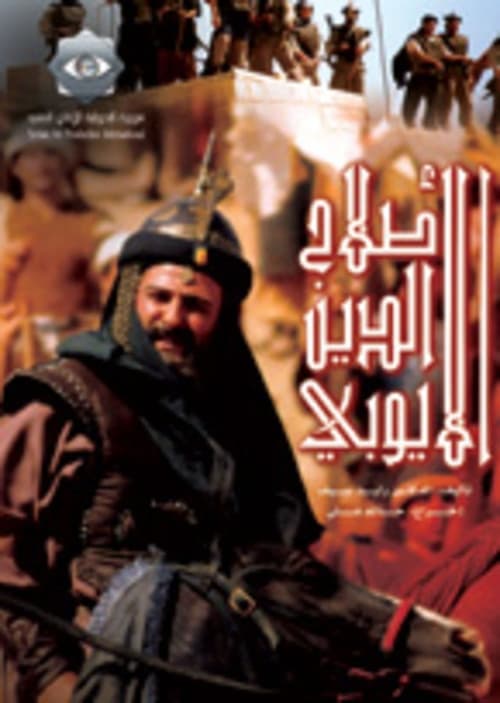
A sweeping historical epic tracing the life of Saladin from his humble origins to his unification of fractured Muslim kingdoms and his legendary recapture of Jerusalem from the Crusaders after nearly a century of occupation. Starring Jamal Suleiman and directed by the late Hatem Ali, written by Walid Seif — the same partnership behind Palestinian Alienation — this is widely regarded as one of the finest historical dramas in Arabic television, epic in scale yet deeply human in its portrayal of leadership, faith and sacrifice.
Salah Al-Deen Al-Ayoubi
A drama series that tells the story of the coastal environment during the era of the French mandate in Syria, especially the environment of fishermen in light of the exploitation and greed of some people and the bitter struggle of others against the French occupier.
الحوت
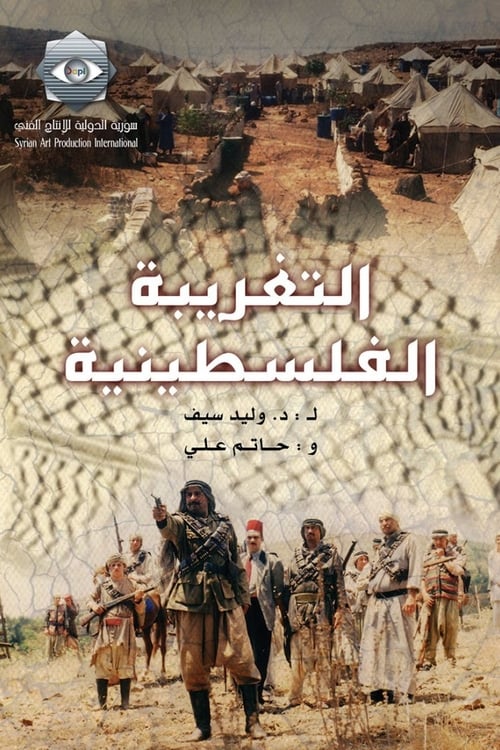
The first comprehensive dramatic telling of the Palestinian Nakba, seen through the eyes of a poor rural family from the 1930s British Mandate era through the massacres of 1948 and the defeat of 1967. Written by Palestinian poet Walid Seif — based on his own family history — and directed by the late Syrian master Hatem Ali, this is widely considered one of the greatest Arab television dramas ever produced. A monumental work of collective memory, historical witness and human endurance.
Palestinian Alienation
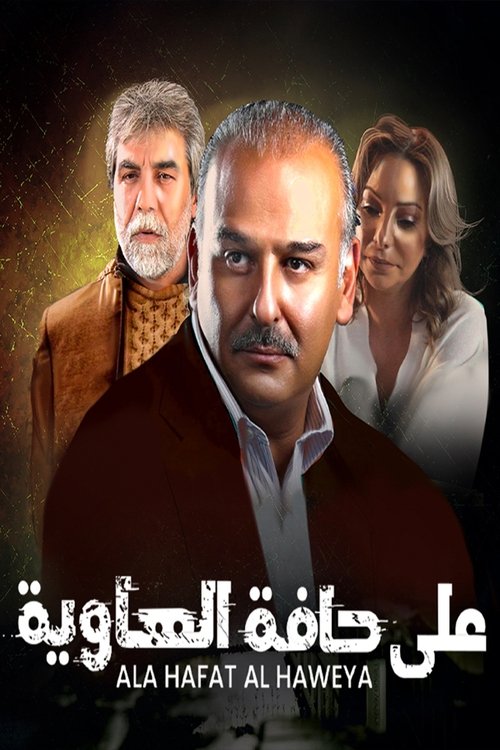
Nader is lost between his parents, who are experiencing a struggle between love and hate, Lulia, who is persecuted by her stepmother, Dalal, whose hatred for her stepdaughter reaches the point of attempting murder. Dalal considers Lulia the reason for her unhappiness, but when Lulia leaves her life, she discovers her mistake. Tahseen her husband can only run away from problems and cannot solve any of them.
On the Edge of the Abyss
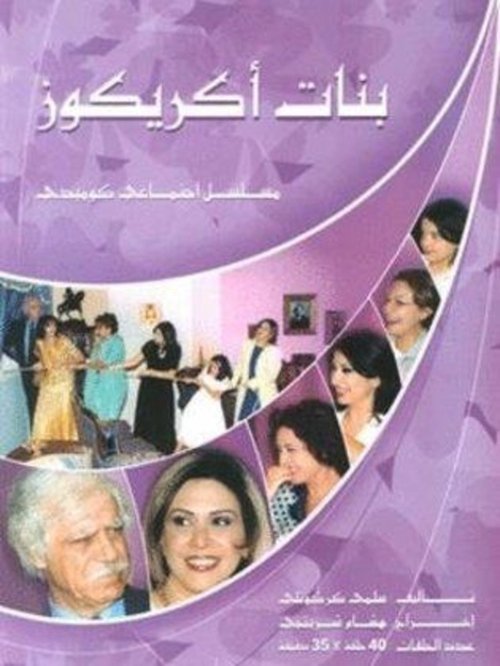
The story of the work revolves around four girls and their mothers waiting for their traveling father throughout the episodes of the series and they have a uncle, a former ministerial candidate with a good financial income. In each episode, the family is exposed to funny situations and exciting adventures within a funny family template.
Akrekoz's Girls
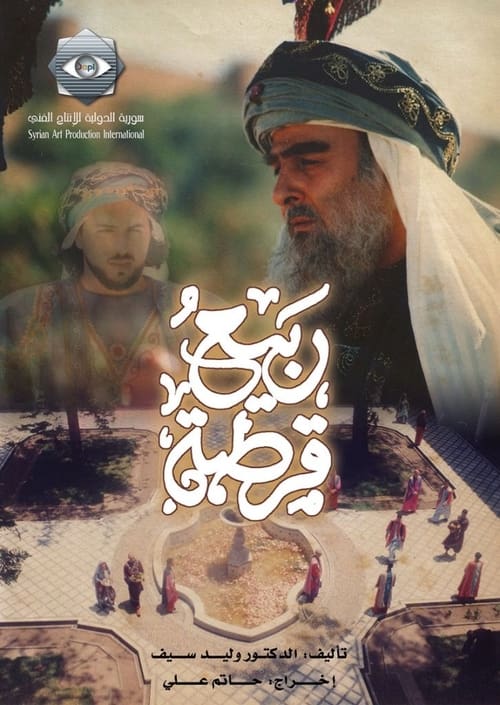
The second chapter of the acclaimed Andalusian trilogy by Walid Seif and Hatem Ali. Set in the golden age of Umayyad Cordoba, it traces the extraordinary rise of Muhammad ibn Abi Amir — known as Al-Mansur — from a young scholar arriving in Cordoba seeking knowledge, to the most powerful man in Andalusia. A sweeping story of ambition, political genius and the glittering, fragile peak of Arab civilisation in Spain. Stars Taim Hassan and Jamal Suleiman.
Cordoba's Spring
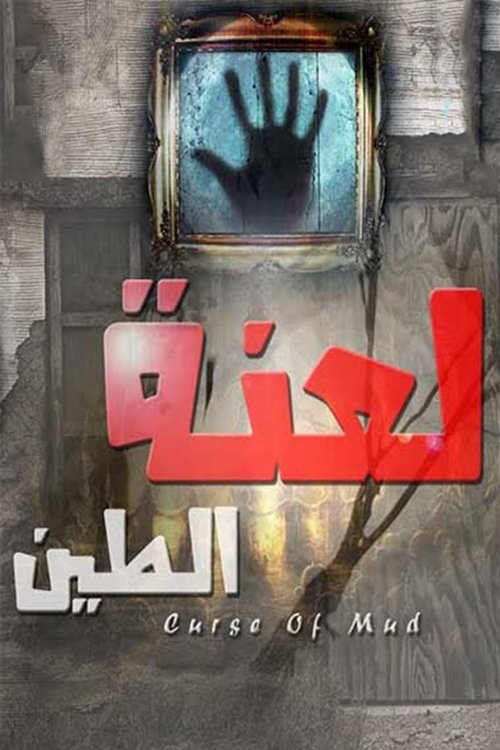
The series revolves around politics and corruption in 1980s Syria. An aspiring university student is forced to become a police officer and climb the political ladder, revealing bitter truths along the way.
The Curse of Mud
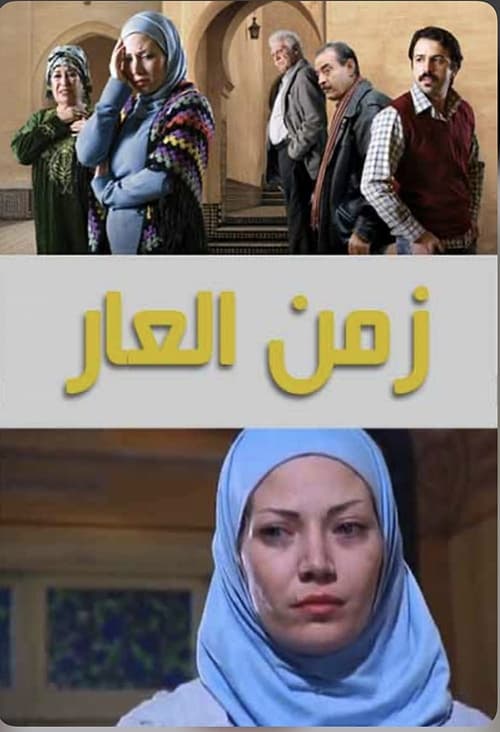
Having spent most of her 20s taking care of her sick mother and her family's household, a sexually repressed woman elopes and has to face the hypocrisies of middle eastern society.
The Age of Shame
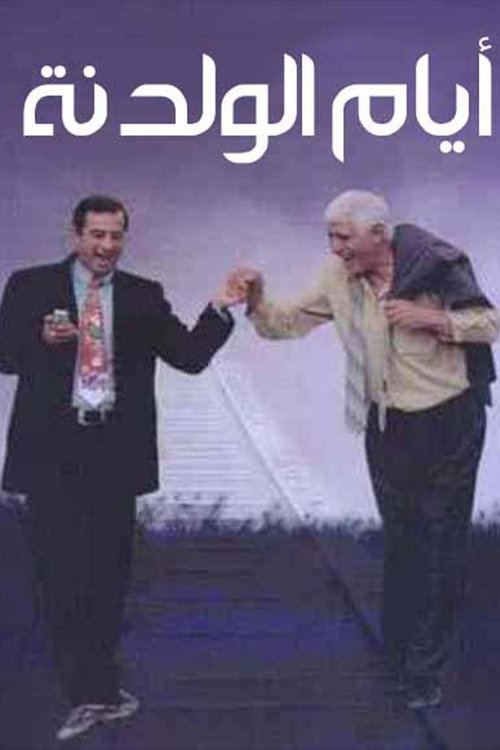
Abu Razouq is a rich man, who discovers that he is infected with a serious and deadly disease, and worries about this matter; but his biggest concern is his legacy, and how his children and wives can share it, except for his son Razouq, who does not care about money, but his father. Abu Razouq helps his son with the trick that he has died, so that he knows who loves him for his person and who loves his money.
أيام الولدنة
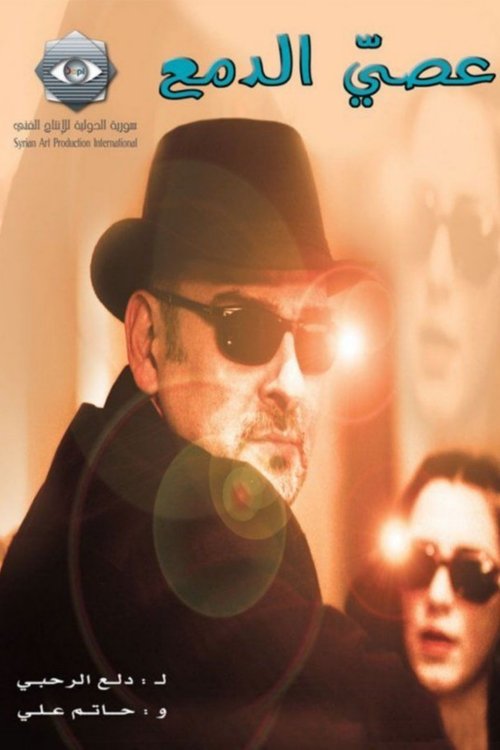
The series examines the change in the composition of the Syrian family, through the life of a number of Damascene families that are connected by a number of intertwining relationships, as love blossoms between the lawyer Riyad El Emary and the interior designer Riad El Merady.
Holding Back Tears
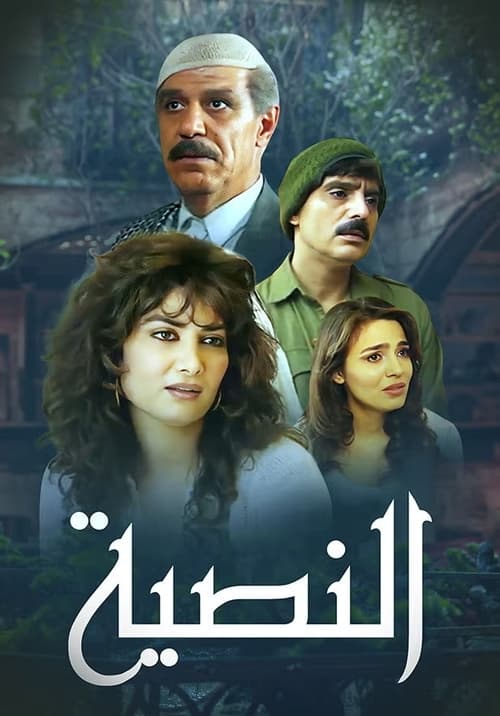
No description available.
النصية
The show tells the story of a playwright, Jalal, who holds secular views, and his close friendship with Michel, his childhood friend. Michel initially worked as a lawyer but later transitioned to journalism, founding his own magazine in which he boldly addresses societal issues, drawing significant criticism. Additionally, the narrative explores themes of separating religion from civil and political life through a love story between a man and a woman from different faiths: Jalal (a Muslim) and Hanan (a Christian). Their relationship culminates in a secret marriage, which lasts until Jalal’s sudden passing. Throughout the story, the work focuses on two major issues related to secularism: the demand for a civil personal status law that permits civil marriage, and the call for a secular education system that allows students the freedom to seek their own truths instead of being indoctrinated with a predetermined "absolute truth." It also tackles issues of political and social corruption.