
Clemente de la Cerda
Writing
Biography
An outstanding Venezuelan film director, de la Cerda's films were characterized for their denunciation of social conditions of the underprivileged in Venezuelan society. As a child, his family moved to Caracas, where he soon enrolled in the School of Plastic Arts. Between 1962 and 1963 he frequented the Venezuelan Institute of Movie Studies, directed at the time by the actor Luis Salazar. Later, he studied theater with Humberto Orsini in the Central University of Venezuela for 8 months. At the same time, he began to work at Televisa (later Channel 4) as a camera assistant, advancing in responsibilities until getting to direct musical programs and soap operas, among those shows "La telenovela criolla" ("The Creole Soap Opera"), which starred Maria Escalona and Américo Montero. As a result of the arrival of videotape recording, he decided to leave television for film, working in news and commercials, first as a cameraman and soon as a director. In 1964 he began his career as a film director, producing a series of narrative films that, over the course of 10 to 20 years, made him the most active film director of that time in Venezuela. Among his more important films are: Isla de Sal [Island of Salt] and El Rostro [The Hidden Face] (1964), Sin fin [Endless] (1971), Cahuramanacas (short film, 1971), Soy un delincuente [I Am a Delinquent] (1976), Reincidente {a sequel to I Am a Delinquent} and Companer de viaje [Fellow Traveller] (1977), El crimen del penalista [The Crime of the Criminal Attorney] (1979), Los criminales [The Criminals] (1982), Reten de Catia and Agua que no haz de beber [Water Not to Drink] (1984). His film "I Am a Delinquent" was not only a box office success, but marked the beginning of a new wave in Venezuelan cinema. In effect, its point of view, denouncing the material and psychological conditions of Venezuelan society, cemented his work as a prominent part of the national cinema
Known For
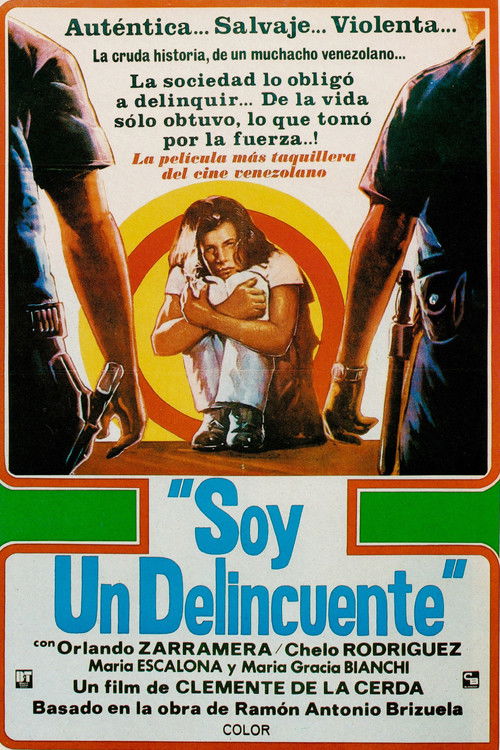
The film tells the story of Ramón Antonio Brizuela, who since childhood has to deal with rampant violence and the drugs, sex and petty thievery of a Caracas slum. Starting with delinquency, Ramón moves on to serious gang activity and robberies. He grows into a tough, self-confident young man who is hardened to violence. His views change when his fiancée's brother is killed in a robbery.
I'm a Delinquent

Ramon Antonio Brizuela is a criminal whose life passes between rounds, parties and showdowns. Recognized by a witness during an assault, he is taken to jail where he becomes aware of the unfair and corrupt judicial system.
Second Offender

Two young men decide to rob a residence believing it uninhabited, once inside the homeowners and another couple maintain a perverse game as fun for Sunday. One of the young enters the house but is cornered and subjected to all sorts of harassment and abuse.
The Criminals
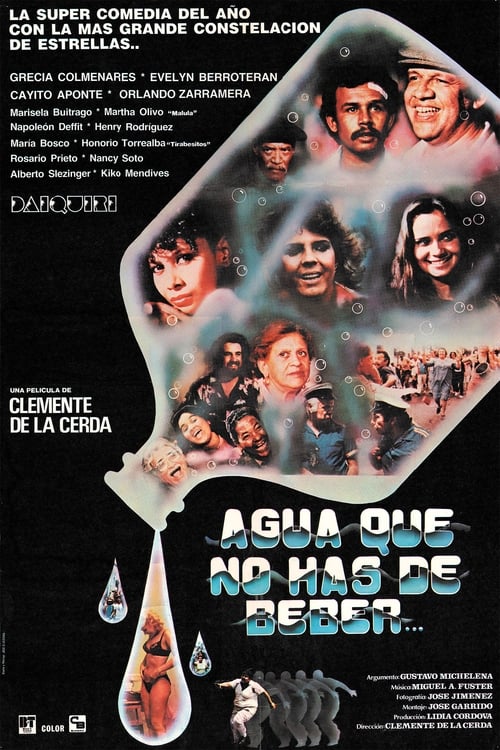
One of the delivery men and three workers from a water bottling plant discover that the owners, due to the depletion of the spring, are using common water. The four friends think about denouncing the scam, but realizing that they would leave all the workers in the street, they decide to form a competing company based on the same ruse.
Agua que no has de beber
A tale of hate in a town in the Venezuelan Andes where the conflicts and passions of those who live enclosed in the mountains make violence an inevitable destiny.
Compañero de viaje
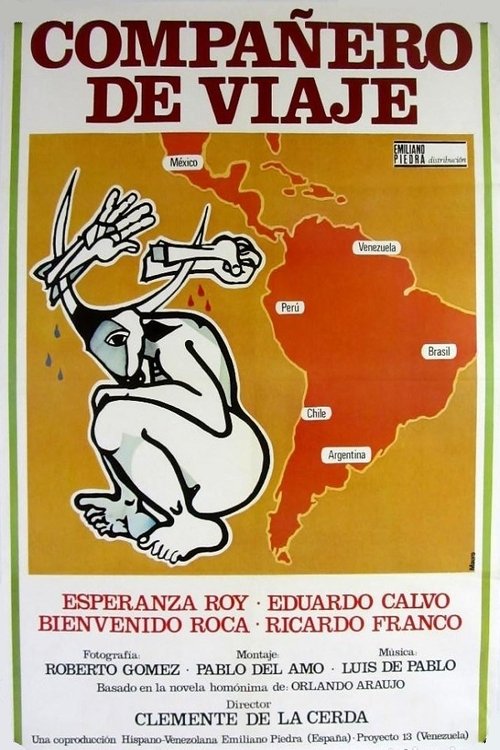
Pedro Che is a carefree taxi driver who advises his friends Sebastián and Artemio, politically committed law students, to do like him.
Retén de Catia
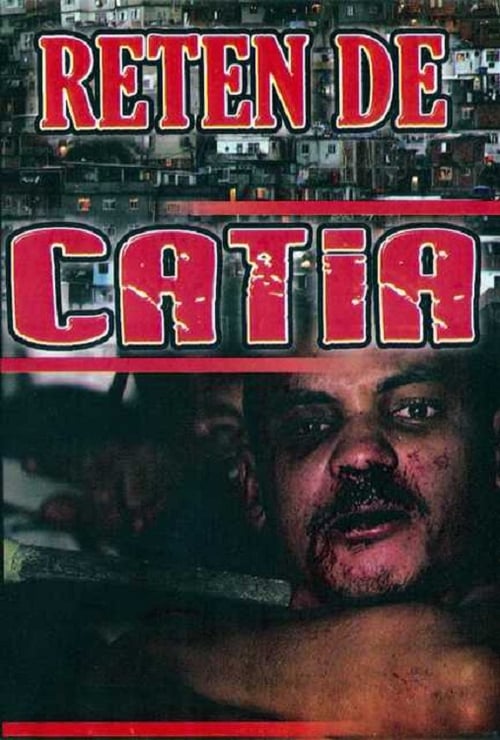
A gang of young people falls into a world of violence and drugs.
El rostro oculto
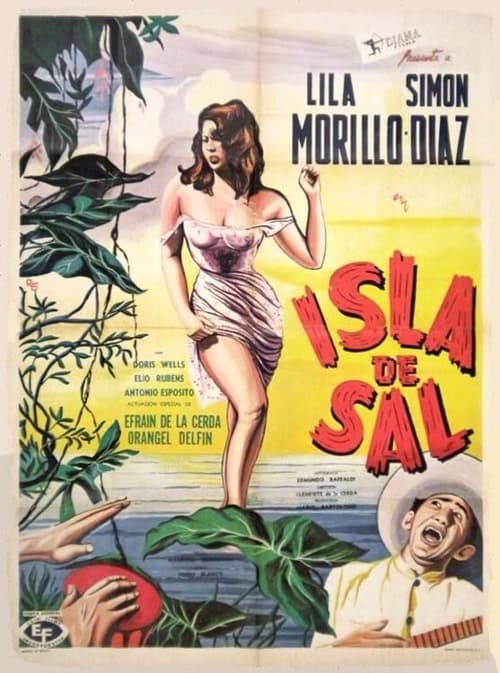
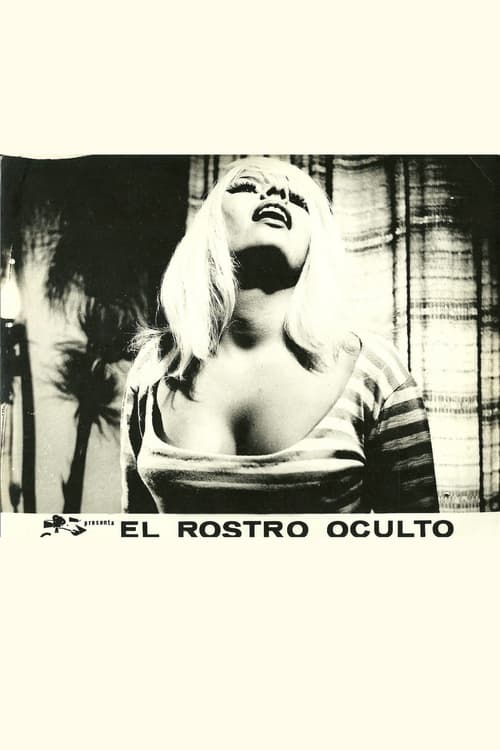
Aurora is a humble and warm-hearted young woman from Chichiriviche who, upon learning that her father is burdened with a heavy debt after buying a new boat for his work as a fisherman, decides to migrate to Caracas with her godfather, Simón, to try her luck as a singer. Her journey begins after she is discovered by Walter Pérez, a famous television producer, despite the opposition of Venancio, Aurora’s longtime boyfriend, and the jealousy of Lidia, Walter’s lover.
Isla de sal
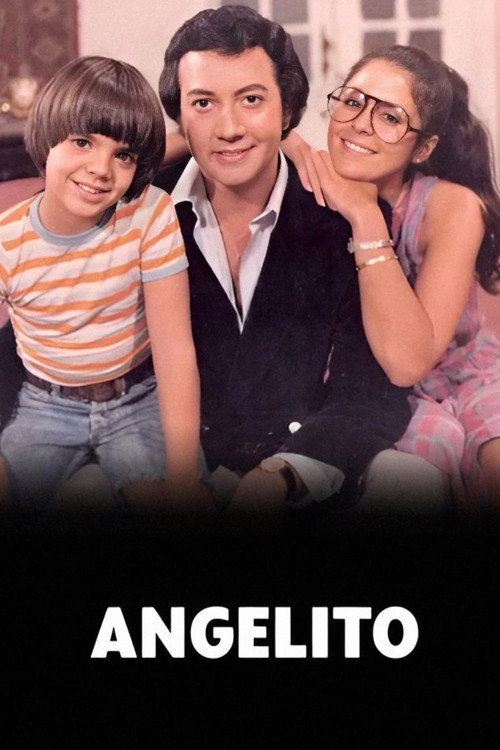
No description available.
Angelito
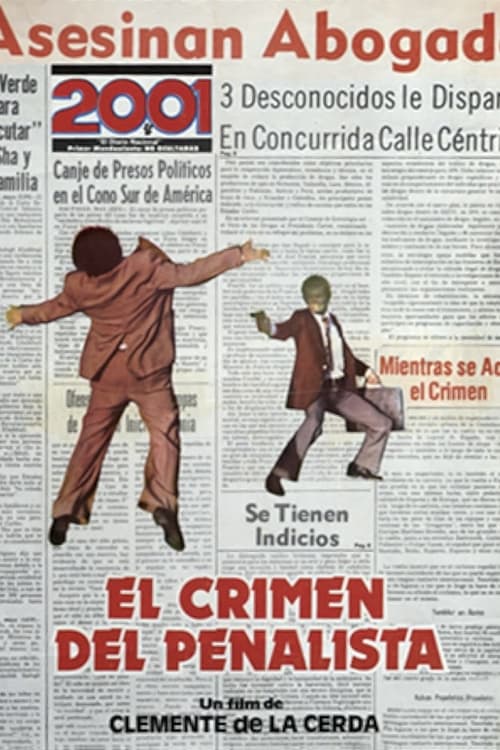
Based on the real story of the murder of Venezuelan lawyer Ramón Carmona Vásquez by a paramilitary group. Based on the book Grupo Táctico Operacional GATO by Alexis Rosas.
El crimen del penalista

A Marian devotion is born when a Venezuelan woman finds an image and people come to the protection of the Virgin during a plague.
La Virgen de Chiquinquirá
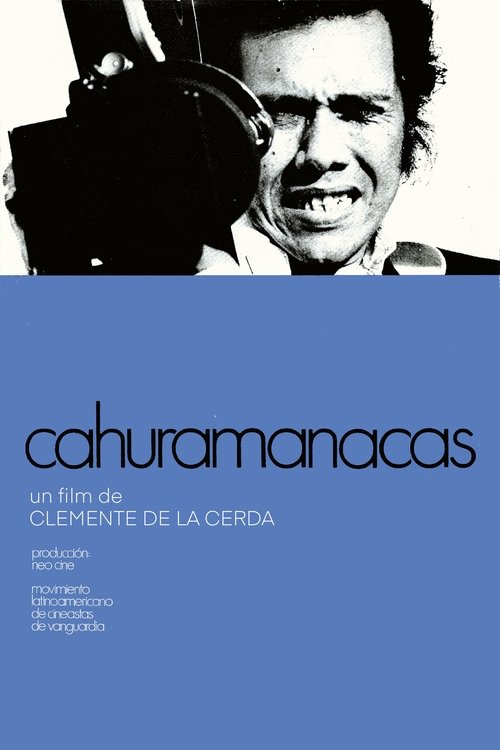
Documentary by Clemente de la Cerda about Caracas.
Cahuramanacas
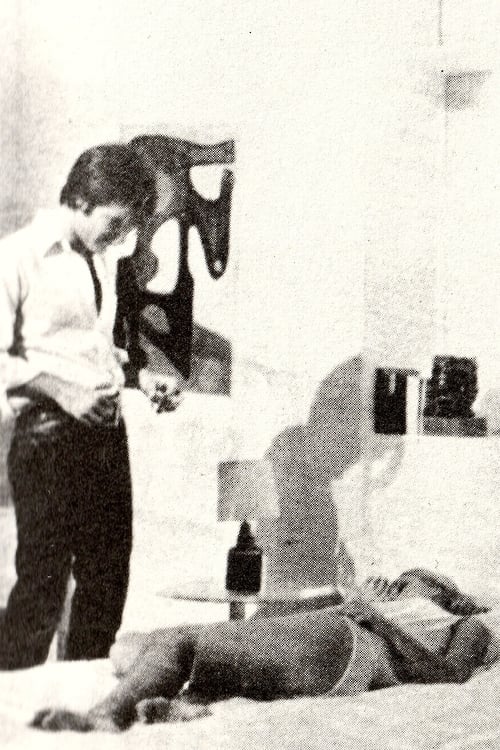
Punctures the myths sustaining modern publicity and advertising methods.