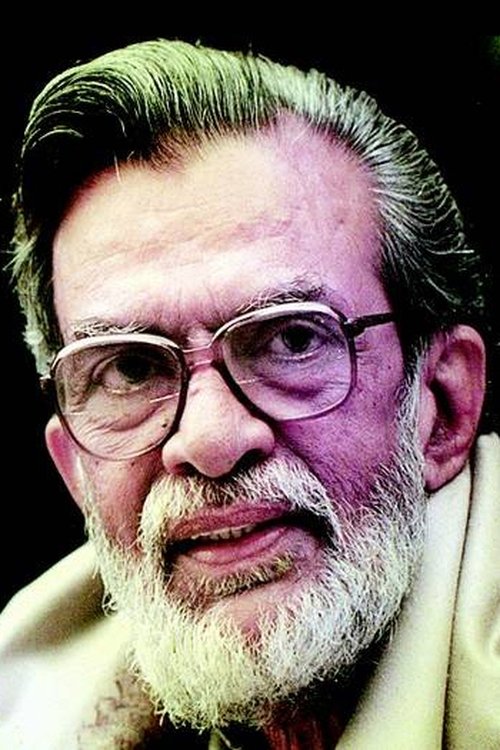
B.V. Karanth
Sound
Biography
Babukodi Venkataramana Karanth (19 September 1929 – 1 September 2002) widely known as B. V. Karanth was an Indian film director, playwright, actor, screenwriter, composer, and dramatist known for his works in the Kannada theatre, Kannada cinema, and Hindi cinema. One of the pioneers of the Parallel Cinema, Karanth was an alumnus of the National School of Drama (1962) and later, its director. He received the Sangeet Natak Akademi Award (1976), six National Film Awards, and the civilian honor Padma Shri for his contributions towards the field of art.
Known For
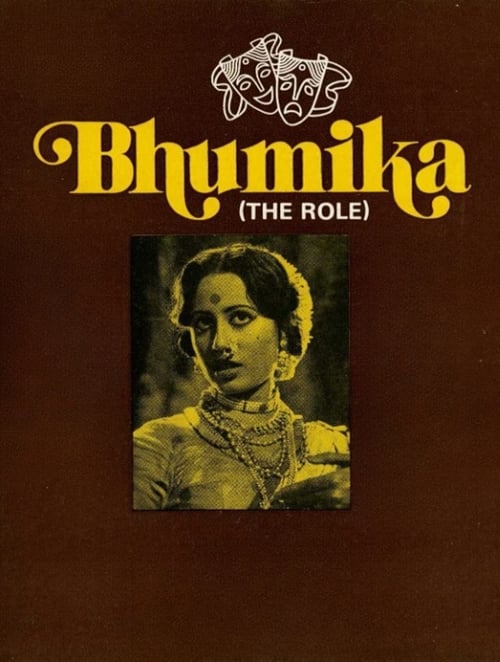
The film follows the life of a successful film star, revealing her increasing alienation in a role both glamorized and patronized by society. After being forced into show business by her family, she spends her time between studios and disastrous love affairs, and feels more and more dissatisfied.
Bhumika
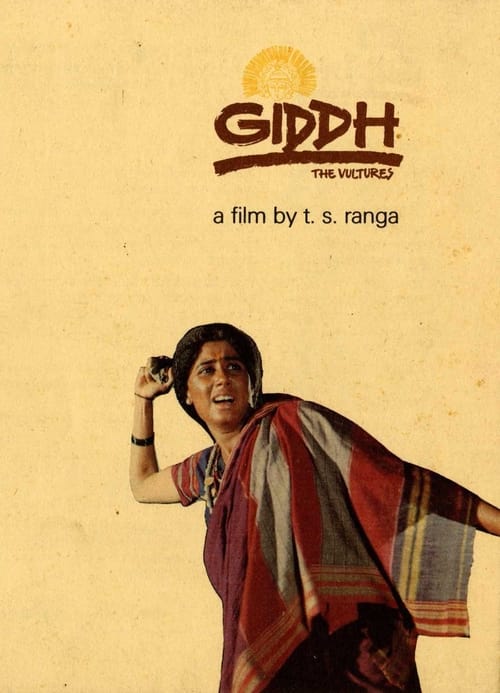
In a remote village at Karnataka-Maharashtra border in India, the poor residents follow Devdasi tradition according to which young girls are given up in the service of Goddess Yellamma.
Giddh: The Vulture

The movie explores the cultural problems experienced by an American woman, newly married to an Indian, adjusting to Indian norms and customs. It depicts a modern man who studies agriculture in the United States, returns to India with an American wife with their different views. The theme is one alienation from the fellow human beings.
Tabbaliyu Neenade Magane
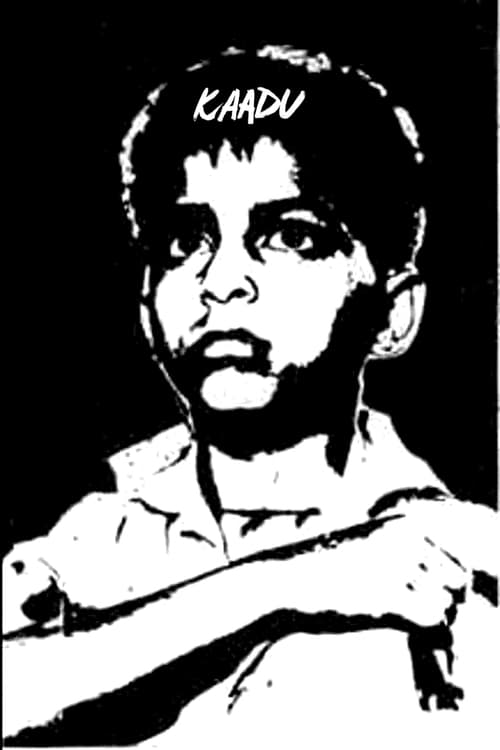
A rural drama about the rivalry between two villages as seen through the eyes of a young boy, Kitti.
Kaadu

An adaptation of the Hindu religious book Bhagavat Gita, an epic centering around two families and their fight for the throne.
Bhagavad Gita

Set in 1920s India, the story follows Kanneshwara Rama, a defiant peasant who becomes a legendary outlaw after confronting local injustice. After a prison stint where he encounters Gandhi’s followers, he joins and eventually leads a group of bandits, becoming a Robin Hood-like figure who aids the poor and challenges feudal authority. His journey is complicated by his relationship with Malli, a former bandit’s mistress, and his growing ambition to establish his own principality.
Kanneshwara Rama
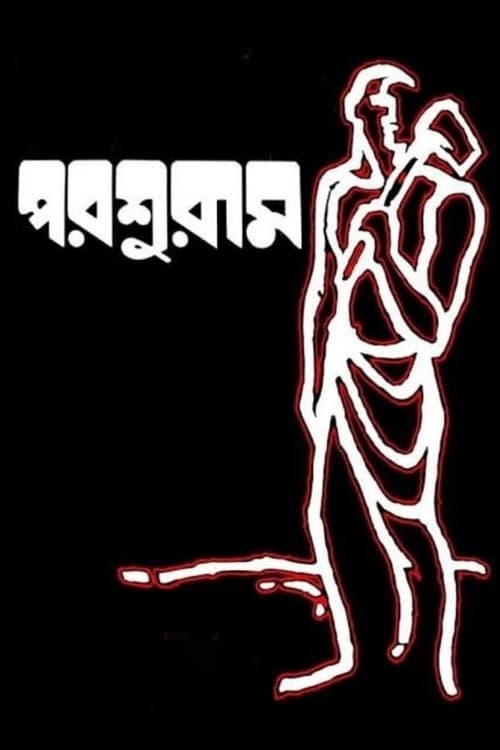
After being accused wrongly of theft, a slightly addled servant runs away to the city, carrying as his only real possession an axe, which he claims to have killed a tiger with. He takes up life among India's throngs of city-dwelling homeless, and for a little while almost has a decent time of it. He has a girlfriend, and one good friend, and gets by through begging and doing odd jobs.
The Man with the Axe
Through the story of a young widow who is devoted to her father-in-law but also desires to remarry the film portrays evolving Indian attitudes towards women's roles in society.
Vamsha Vriksha

1987 Kannada political drama film directed and co-produced by Krishna Masadi and is based on the novel written by the acclaimed writer U. R. Ananthamurthy. The film starred Anant Nag in the lead role along with a host of real-time politicians like J. H. Patel, D. B. Chandre Gowda, M. P. Prakash and B. K. Chandrashekar in the key roles.[1] Other pivotal roles were played by B. V. Karanth, M. Bhaktavatsala, Chandrashekhara Kambara, Archana and Bhargavi Narayan. The film's score and songs were composed by Vijaya Bhaskar. The film upon release was critically acclaimed and won multiple awards at the Karnataka State Film Awards for the year 1987–88.
Avasthe
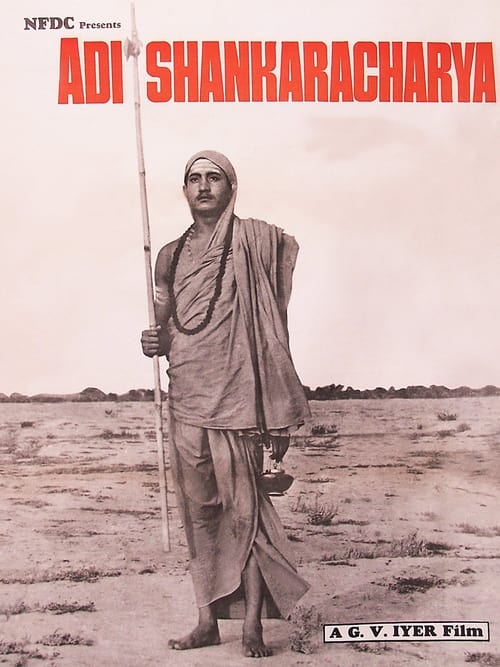
The movie follows the life and times of Sankara - the founder of the non-duality (Advaita) school of Indian philosophy.
Adi Shankaracharya

The bread-winning daughter in a middle-class family fails to return from work one evening. The saga begins with worries at home, followed by midnight searches and finally a deepening crisis arising out of economic and moral constraints prevalent in the society. Yet the film speaks of hope and of strength hidden behind despair.
And Quiet Rolls the Dawn
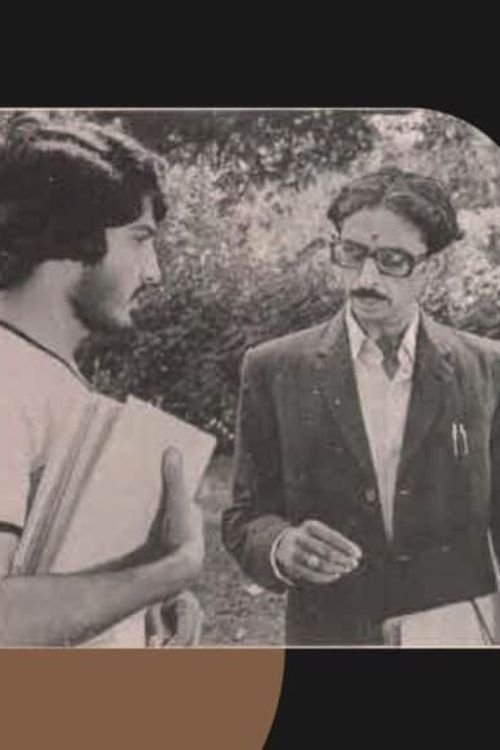
No description available.
Akramana
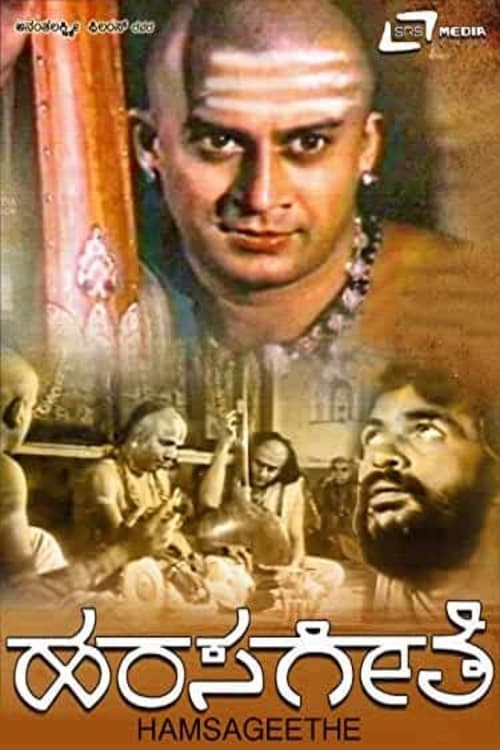
Venkatasubbaiyya's master asks him to compose a musical masterpiece before his death. However, Venkatasubbaiyya's failure to handle fame lands him in trouble.
Hamsageethe
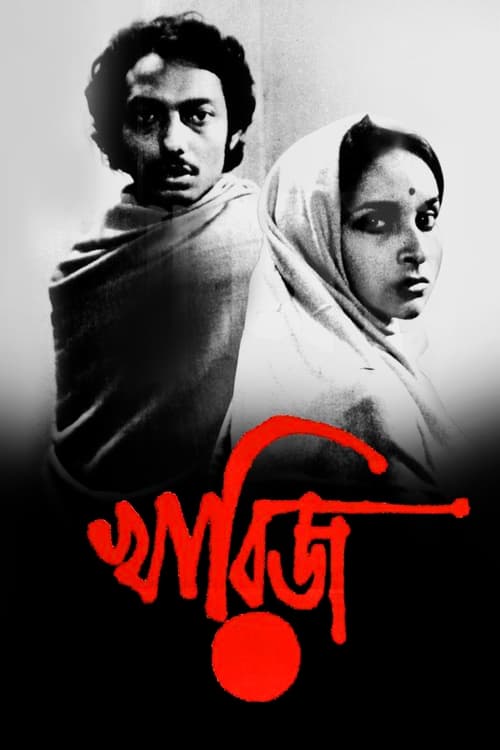
A pre-teenager servant boy dies of carbon monoxide poisoning on a cold winter night in the kitchen. The happy household is suddenly thrown into a psychological trauma. Torn between a sense of guilt and fear of a police case and consequently scandal, the employer and his wife expose their petty, hypocritical selves.
The Case Is Closed

A young brahmin boy studying in a village away from home and a young widow isolated by her condition form a bond.
The Ritual
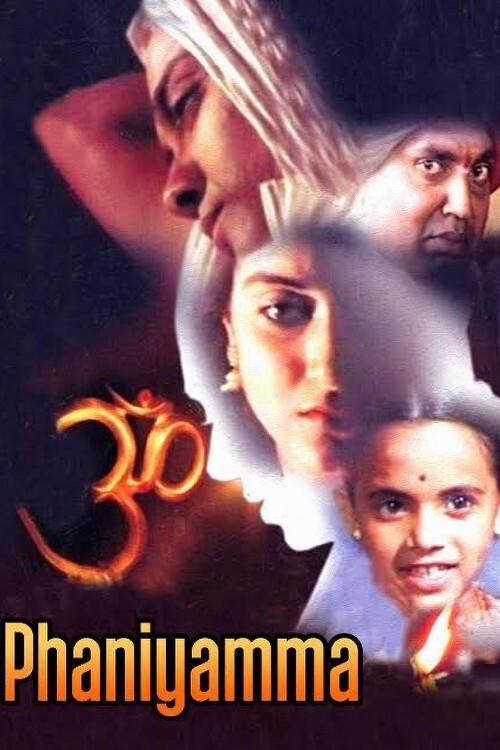
Based on a true story, the film depicts the life story of a child widow who grows up facing the unkind treatment that society metes out to such women. Yet, she shows exceptional kindness to others.
Phaniyamma
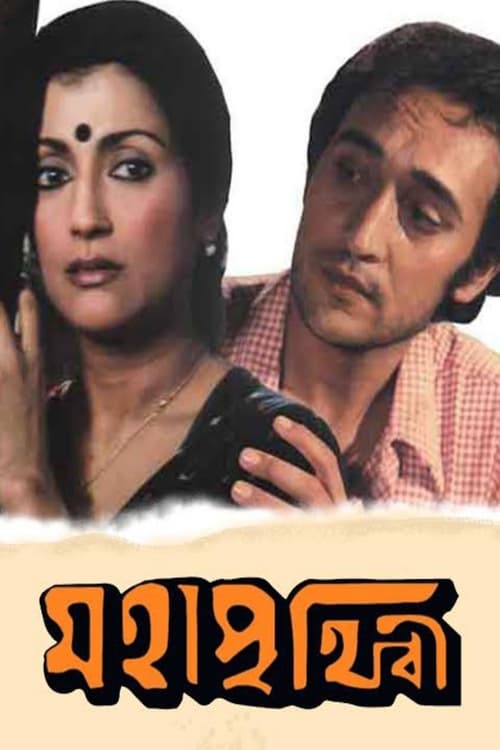
When the elderly mother of a Kolkata middle-class family commits suicide, no one has the courage to read the old woman's diary. When the eldest son returns from Germany, his anxious questioning brings to light the disorientation experienced by the family and the way world history penetrates into the fabric of individual lives.
World Within, World Without
Subbamma (Tara), third wife of Chandre Gowda (Girish Karnad), is a rebellious mistress of the household and encourages sporadic acts of defiance against men from among her women friends.
Kaanooru Heggadithi
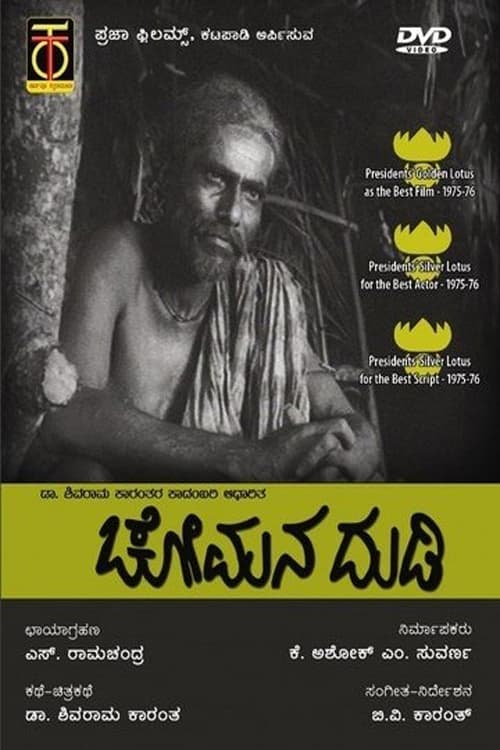
Choma is an untouchable bonded-labourer in a village who is working along with his family for a landlord, as he belongs to a backward class. Due to his social status, he is not allowed to till his own land, something that he desires most. Though he managed to rear a pair of bullocks that he found straying in the forest, he cannot use them to till the land. He comes in contact of Christian missionaries who try to convert him giving him the lure of the land, but Choma does not want to let go of his faith. He releases the fury that fate has beset on him, by beating his drum.
Chomana Dudi
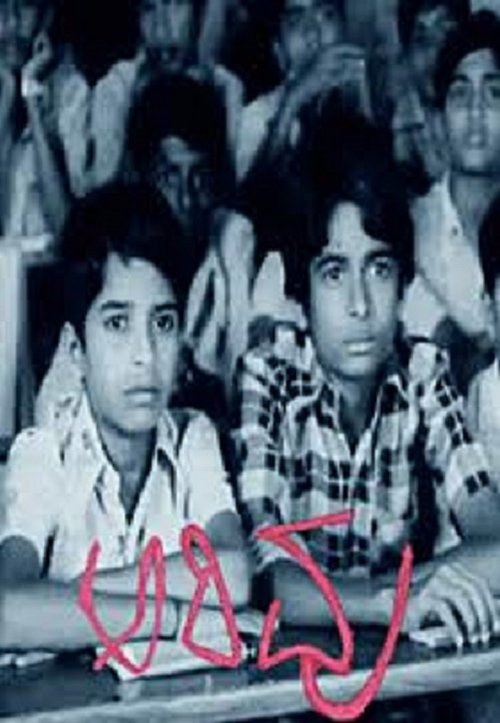
A shy, pretty new teacher arrives at a rural boys' elementary school.