Chelsea Winstanley
Production
Known For
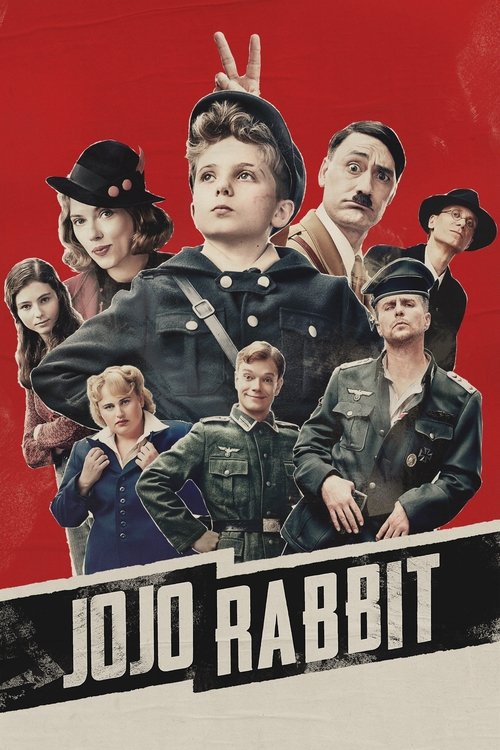
Jojo, a lonely German boy during World War II has his world shaken when he learns that his single mother is hiding a Jewish girl in their home. Influenced by a buffoonish imaginary version of Adolf Hitler, he begins to question his beliefs and confront the conflict between propaganda and his own humanity.
Jojo Rabbit
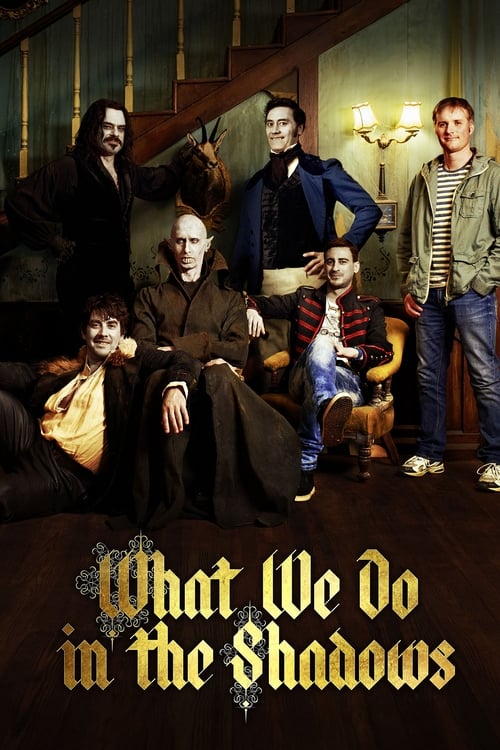
Vampire housemates try to cope with the complexities of modern life and show a newly turned hipster some of the perks of being undead.
What We Do in the Shadows

The year is 2043. A military occupation controls disenfranchised cities in post-war North America. Children are property of the State. A desperate Cree woman joins an underground band of vigilantes to infiltrate a State children’s academy and get her daughter back. Night Raiders is a female-driven dystopian drama about resilience, courage and love.
Night Raiders
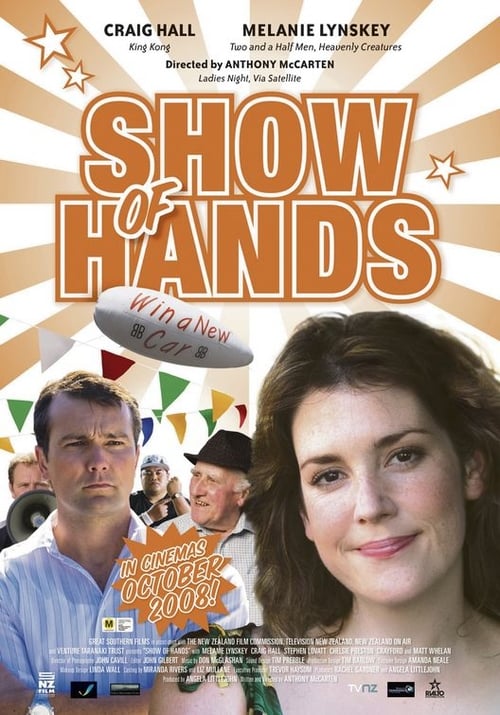
Jess is a solo mother and reluctant parking warden. Tom is a self-obsessed greetings cards salesman with an addiction to competitions who will do anything to win. Together they are just two of the competitors in a gruelling endurance contest to win a car - whoever keeps their hand on it the longest wins. As the sleepless days wear by, what price will they pay for winning this competition?
Show of Hands
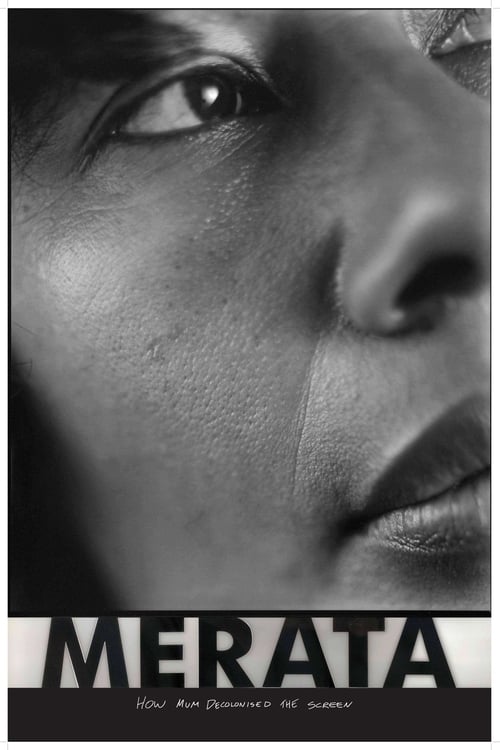
This film is an intimate portrayal of pioneering filmmaker Merata Mita told through the eyes of her children. Using hours of archive footage, some never before seen, her youngest child and director Hepi Mita discovers the filmmaker he never knew and shares the mother he lost, with the world.
Merata: How Mum Decolonised the Screen
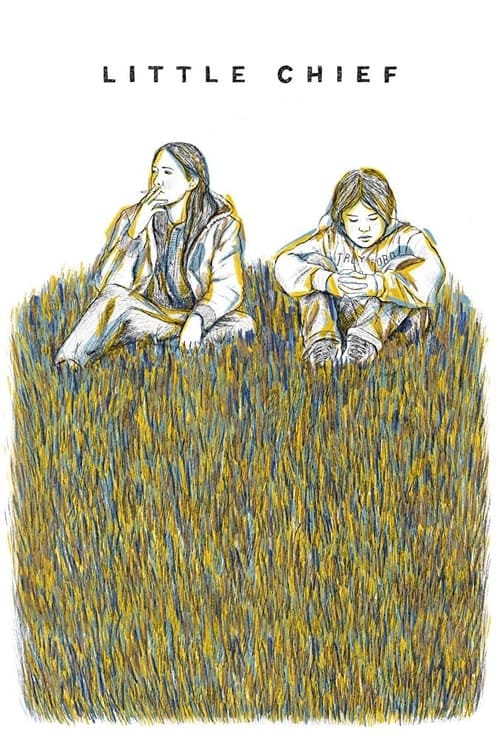
The lives of a Native woman and a troubled young boy intersect over the course of a school day on a reservation in Oklahoma.
Little Chief
Saving Grace - Te Whakarauora Tangata is the final work of director Merata Mita, who passed away suddenly before the film could be completed. The film addresses some of the deepest and most distressing issues Māori communities face, and shows how extraordinary creative solutions are being provided by Māori communities themselves. Mita asks Maori men to front up to some grim realities by talking openly and honestly about the violence and abuse that has plagued their communities for many years. The film is a personal response to this violence, with Mita making a case for a return to an older model of Maori manhood, when men were the ones who sweetly sang the children to sleep. “Merata intended the documentary to count in ways that mattered deeply to her and to change perceptions of abuse and violence by using themes of responsibility, redemption, revitalisation, forgiveness and, most of all, love.” - Carol Hirschfeld, Māori Television.
Saving Grace - Te Whakarauora Tangata
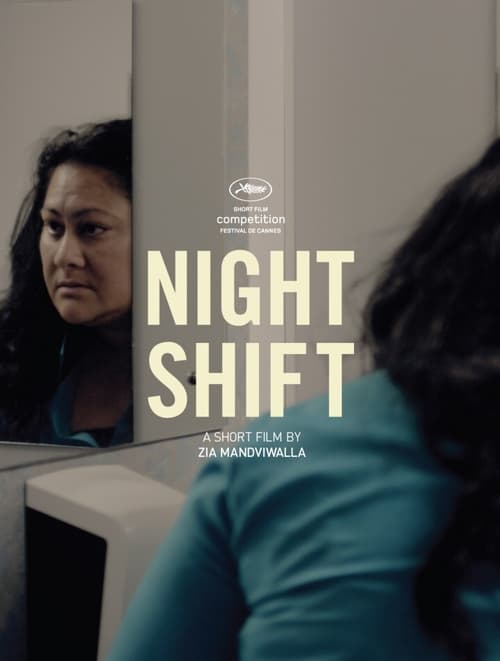
Follows a cleaning lady going through an overnight shift at an airport. Her actions throughout may seem selfish and heartless but they all become incredibly understandable at the end.
Night Shift
Documentary Hautoa Mā! The Rise of Māori Cinema reveals the remarkable impact Māori have made on New Zealand cinema.
Hautoa Mā! The Rise of Māori Cinema
A forbidden love story in a forbidden place.
Forgive Me
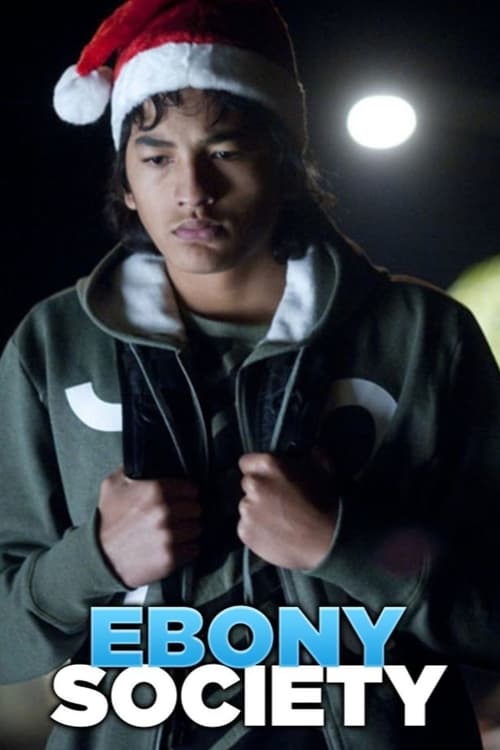
Young Vinnie and Jonah are bored on the mean streets — tagging, BMX-ing — when Jonah peer pressures Vinnie to join him in breaking and entering a house. When they find more than Christmas pressies inside, it tests mateship, moral codes and festive spirit.
Ebony Society
In this poetic short film, writer/director/songwriter Kararaina Rangihau tells a story of great significance to the Tūhoe people. Unfolding entirely in te reo Māori, the narrative follows a child (played by Te Ratauhina Tumarae) learning the origins to the waiata 'Taku Rākau E', from her great-grandmother (Menu Ripia). Flicking between the present day and 1873, the great-grandmother tells how Mihikitekapua, a blind women of Tūhoe (also played by Ripia), first sang this important waiata. Rangihau was mentored by prominent filmmaker Merata Mita, who produced the film with co-producer Chelsea Winstanley.
My Weaponry

Indigenous curator Nigel Borell’s groundbreaking Māori art exhibition becomes both a cultural triumph and a battleground for power, captured with extraordinary behind the scenes access in Chelsea Winstanley’s directorial feature debut, TOITŪ: Visual Sovereignty.