Writing
After spending five years in prison, rapper Matías Escobar moves to the calm of a beach resort during the off-season. The sea, old friends, melancholy, and loneliness plunge him into an introspective limbo where writing and songwriting flow.
No description available.
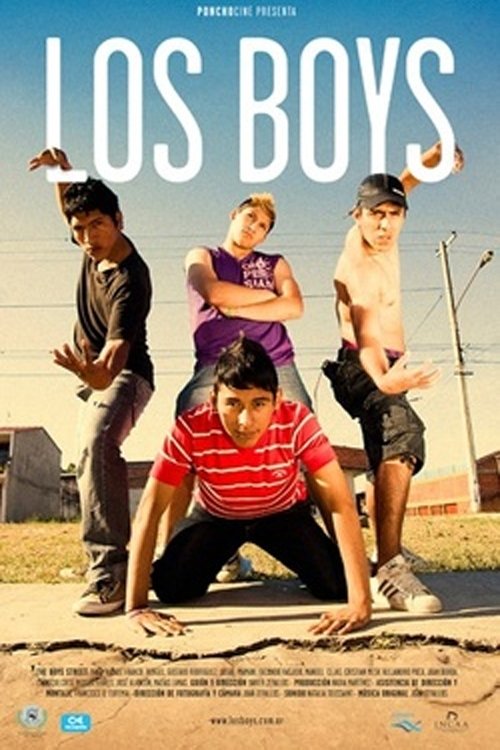
If breakdance was a dance of cultural resistance of the Afro community in the US, perhaps this documentary shows a continuity with the northern Argentine adolescence. The Boys Street is a breakdancing group recognized through their presentations on the reality television show Talento Argentino, where they reached the final. Its members are adolescents between 12 and 18 years old from Palpalá, a town in the southeast of the province of Jujuy. Without technical knowledge, the group recorded the process of participating in the program with their own video cameras, crudely portraying their experience as a counterpart to the formality and aestheticization of reality. Los Boys recovers the history of the group at the same time that it captures the daily life of its members in the present day of Palpalá, a town that was recognized as "Mother of Industry" since it had several industrial parks, but was systematically dismantled after the coup d'état and during the privatizations of the '90s.
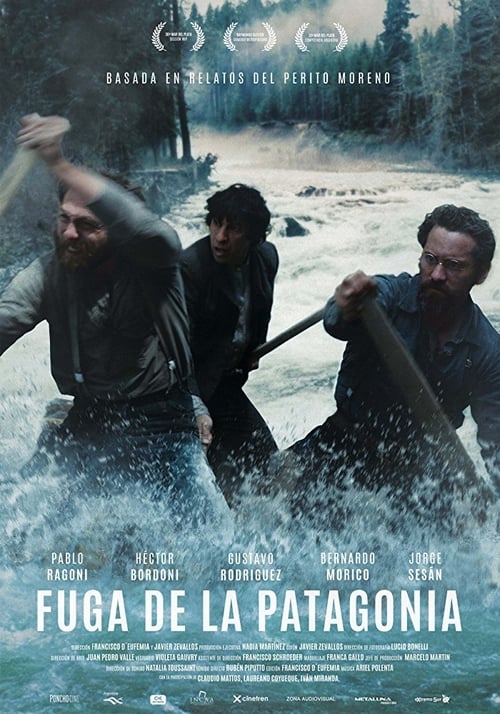
Escape from Patagonia is a gaucho-western film set in the tumultuous Patagonia of late nineteenth century. It's a story of survival, based on real facts from the personal diary of the Argentinian pioneer Francisco P. Moreno.
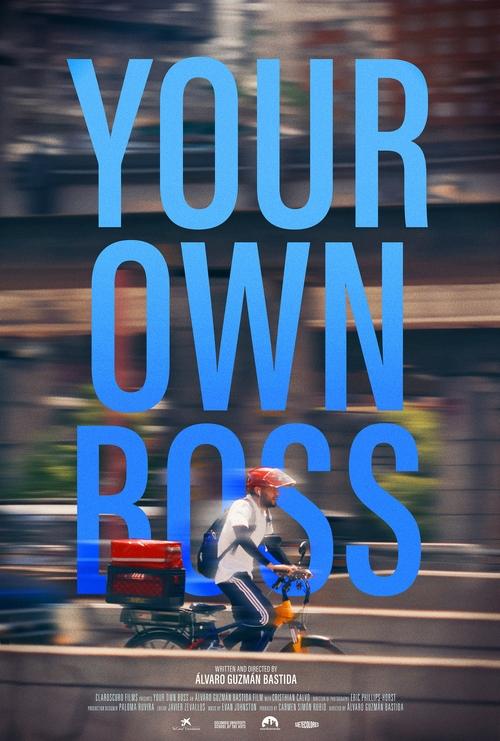
A food delivery driver and new father struggles to find a balance between his family life and the demands of an algorithm that pushes him to his limits.
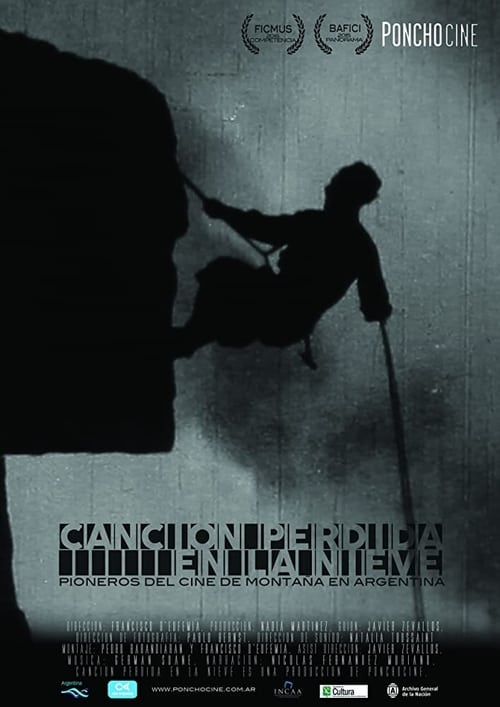
At the beginning of the 50s, a group of men and women from different corners of Europe met casually in Bariloche and began, almost without knowing it, a unique cinematographic movement: the Argentine Mountain Cinema.
Javier is in love with Romina. At a party, we hear his thoughts and sometimes he even talks to us. Playing between reality and fantasy, Javier will try to overcome his fears and get the girl of his dreams.
Zebras follows the team representing Argentina at the 2014 Street Child World Cup in Rio de Janeiro. The film shows the training, the economic difficulties, the first trip by plane, the pressure of the competition and, above all, the struggle of the 9 boys to face their own limitations and demons and give the best of themselves.