Mehboob Khan
Directing
Biography
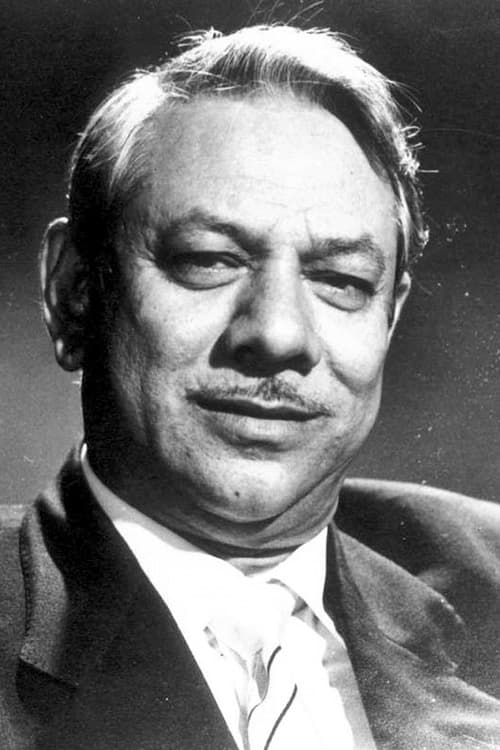
Mehboob Khan was a pioneer producer-director of Indian cinema, best known for directing the social epic Mother India (1957), which won the Filmfare Awards for Best Film and Best Director, two National Film Awards, and was a nominee for the Academy Award for Best Foreign Language Film. He set up his production company – Mehboob Productions, and later a film studio – Mehboob Studios in Bandra, Mumbai in 1954. He also created the dacoit film genre with Aurat (1940) and Mother India, and is also known for other blockbusters including the romantic drama Andaz (1949), the swashbuckling musical Aan (1951), and the melodrama Amar (1954).
Known For

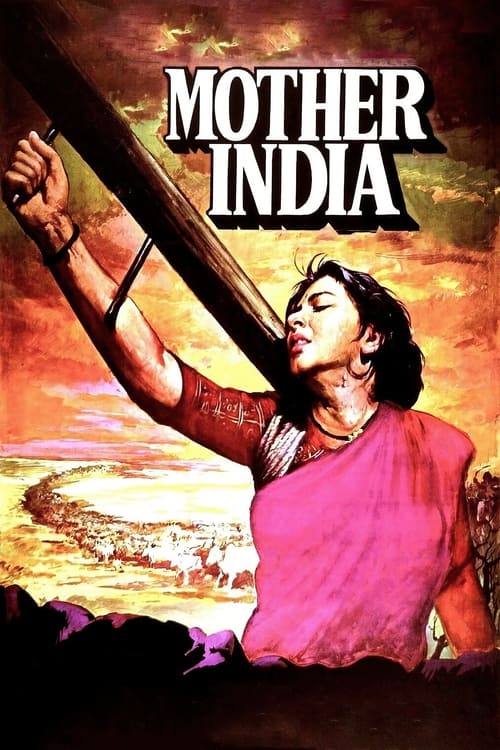
A poverty-stricken woman raises her sons through many trials and tribulations. But no matter the struggles, always sticks to her own moral code.
Mother India

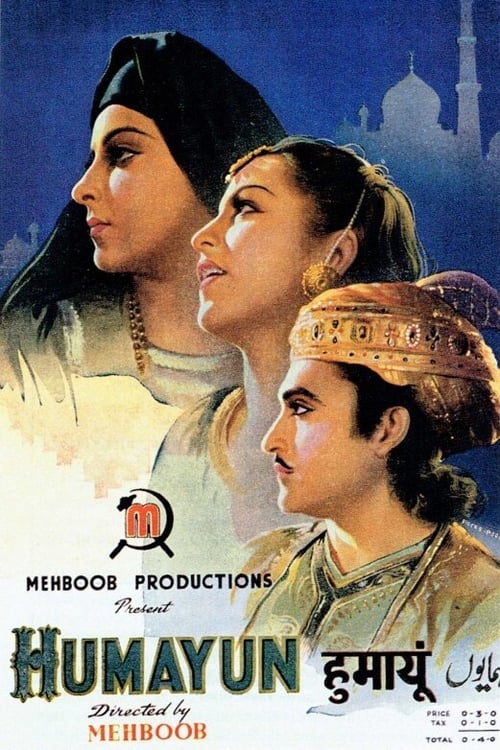
The film follows Humayun’s rise to the throne, his struggles to maintain the empire, and his conflicts with rivals—especially Sher Shah Suri, who defeats him and forces him into exile. Amid political upheaval and personal loss, the story also explores Humayun’s relationships, particularly with his noble wife Hamida Banu. Eventually, with Persian support, he regains his empire, but his triumph is short-lived, as his reign ends with a fatal accident.
Humayun

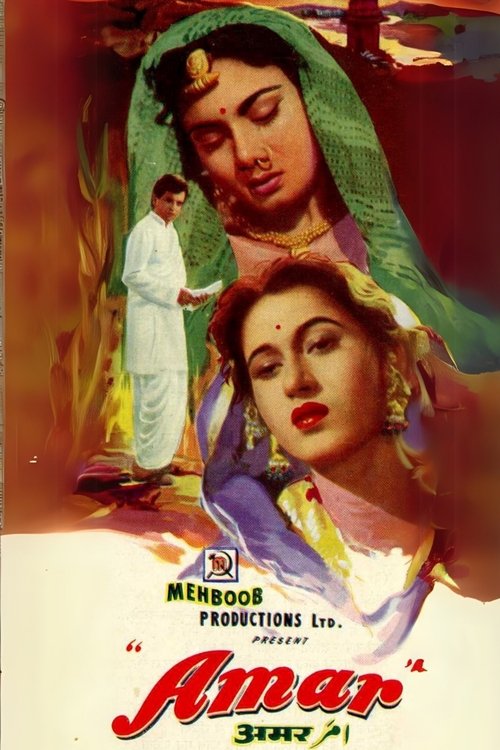
A delicately nuanced psychological drama, exploring a 3-way relationship between the main characters and the crisis of conscience that rocks it. A prosperous, well-respected lawyer, in love with and engaged to an educated, socially-conscious young woman, rapes a poor local village milkmaid. The rest of the story deals with the aftermath of this tragic event, with all the inevitable undercurrents of guilt, penitence and pervasive heartbreak that stem from it.
Amar

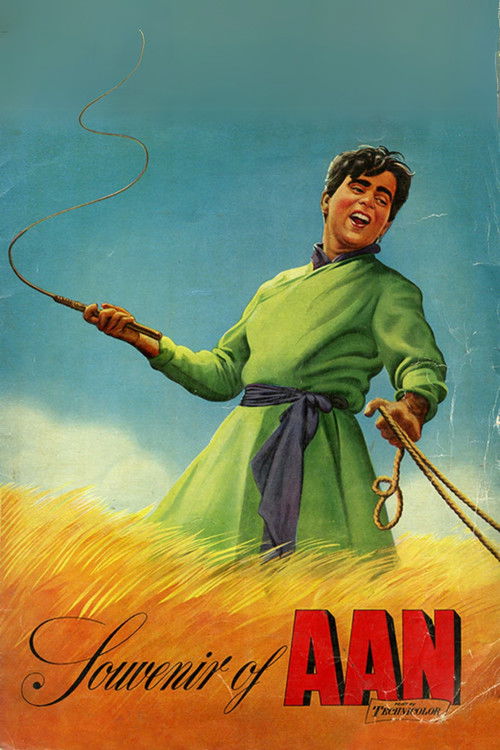
A poor farmer conquers the love of an Indian princess, whose brother wants to kill their father to become king.
Aan

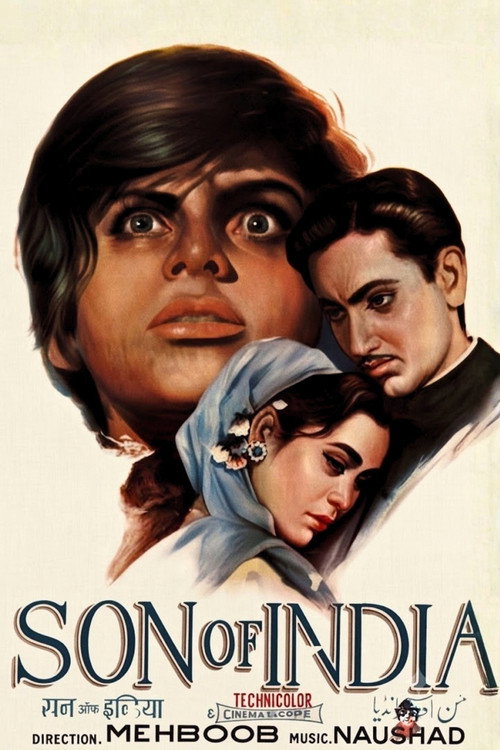
The film is based on an incredible true story about a village woman who gets lost at a railway station and waits fourteen years for her husband to come.
Son of India

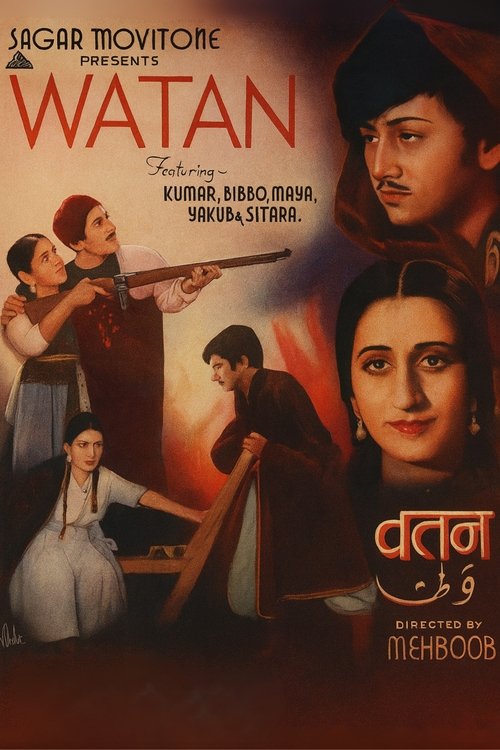
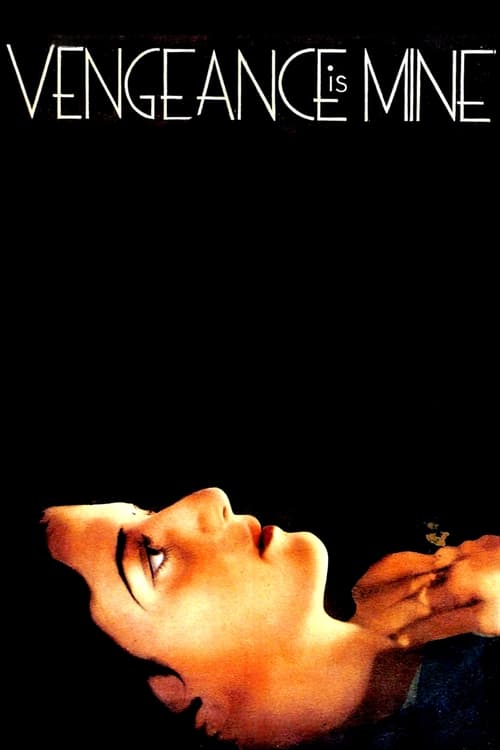
Film starring Sitara Devi and Kumar.
Vengeance Is Mine

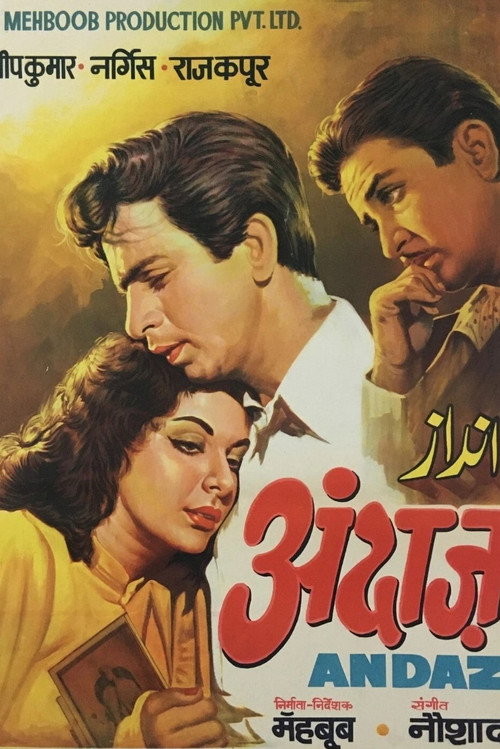
Nina is a rich and spoiled girl. Dilip accidentally meets her and starts liking her, not knowing that she is already engaged.
Andaz
No description available.
Minoo

Childhood sweethearts from opposing social standings are separated when one's family moves elsewhere, leaving behind only a watch as a token of their friendship. Years later, as adults, they strive to meet again.
Anmol Ghadi

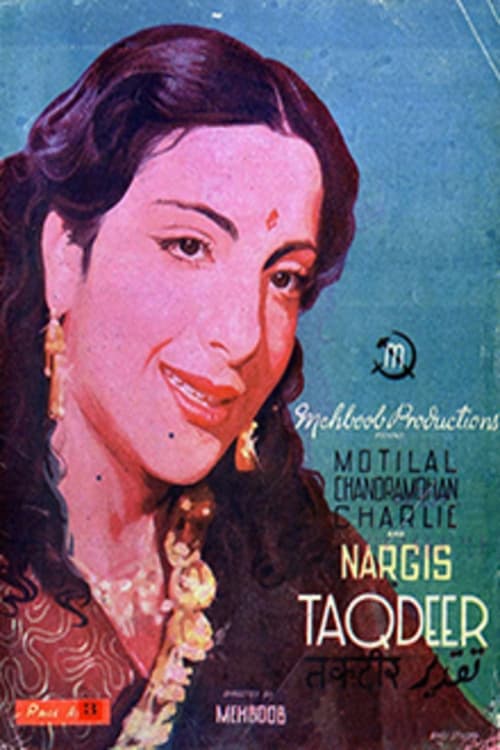
In between his more ambitious Najma (1943) and Humayun (1945), Mehboob made this lightweight comedy about Justice Gangaprasad (Chandramohan) and theatre-owner Seth Badriprasad (Charlie) who lose their daughter and son respectively in the Kumbh Mela.
Taqdeer

Najma is a 1943 Indian film directed by Mehboob Khan and starring Ashok Kumar and Veena. The film's music is by Rafiq Ghaznavi with lyrics by Anjum Pilibhiti. Najma was the first film under Mehboob Khan's Mehboob Productions banner. Due to its financial success upon release, the film became a blueprint for Muslim socials that followed.
Najma

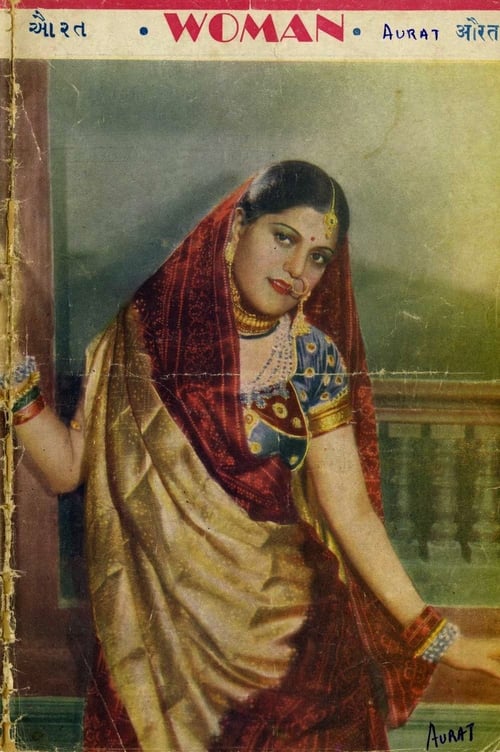
Radha is a resolute mother, who strives hard against poverty and a lecherous money lender to feed her two sons who grew up with contrasting temperament.
Aurat

Set in the Ottoman Empire, it deals with the Caesar's (Pande) army and its skirmishes with the local Muslim rulers. The Sultan's (Asooji) son Ziyad (Kumar) is arrested by the Roman army. The Roman princess Rahil falls in love with him. A Muslim maid Leela (Sitara Devi) and the princess help him escape. Long chase scenes and fights follow, which ultimately lead to success for Ziyad and his people.
Judgement of Allah

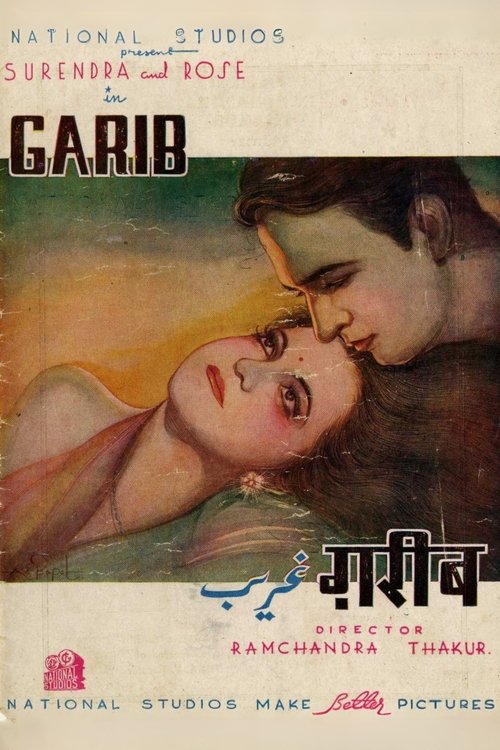
An unemployed graduate uses his charm to help a blind beggar. He then falls for a rich heiress and convinces her industrialist father to open a factory for the poor. It's a success, but a jealous fiancé tries to shut it all down and frame our hero. Can truth prevail and save the struggling community from returning to poverty?
Garib

Roti made in the early 1940s inspired by the German Expressionism, is a real critique of Indian society with prophetic insight. It deals with two models - one of a millionaire, possessed by money and power in an industrial civilisation, the other of a tribal couple living in a primeval state of nature. The millionaire is saved by the couple after an air crash, the tribal couple emigrate to the city, do not find happiness and return. The millionaire is ruined in the city, tries futilely to find salvation among the tribal.
Roti

Javed is a poor student who falls in love with Nazparvar. Circumstances force her to marry his cruel cousin instead. Years later, Javed becomes a lawyer and must defend Nazparvar in court when she’s accused of murdering her husband, confronting their shared past and the quest for justice.
Elan

An early Indian sound film, Zarina is a dramatic tale featuring Zubeida as a vibrant and passionate circus girl. The film explores a bold romance that reportedly pushed the boundaries of on-screen intimacy for its era, leading to early censorship debates.
Zarina

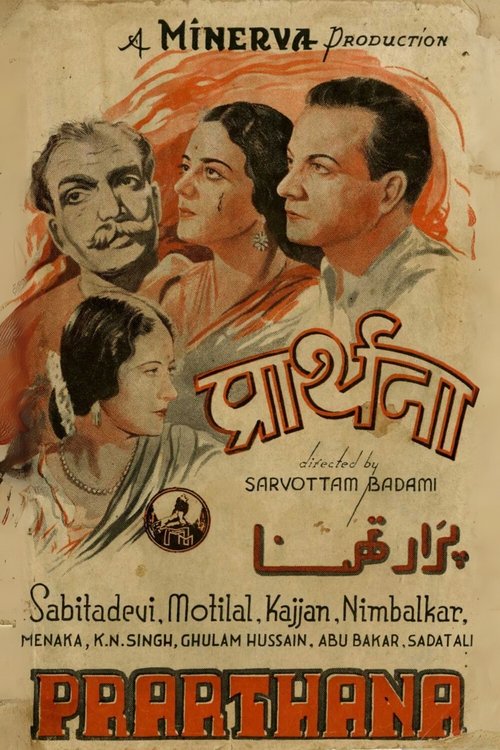
An early Indian film explored themes of faith, hope, societal struggles, and the role of prayer or devotion in overcoming adversity
Prarthana

The follow-up to Manmohan (1936) again starred Surendra and Bibbo. She is Neela, he plays Jagirdar Surendra. They secretly marry and have a child. When Jagirdar is presumed dead in a shipwreck, the child is considered illegitimate. The poor peasant Shripat (Pande) helps Neela by marrying her and raising her son Ramesh (Motilal). The husband eventually returns and violently quarrels with Shripat about who ‘owns’ Neela. When the villain Banwarilal kills Shripat, the husband is framed for the killing. The real problem, however, is the son’s rejection of his father, solved when together they face the gangsters in Narayanlal’s (Yakub) den.
Jagirdar

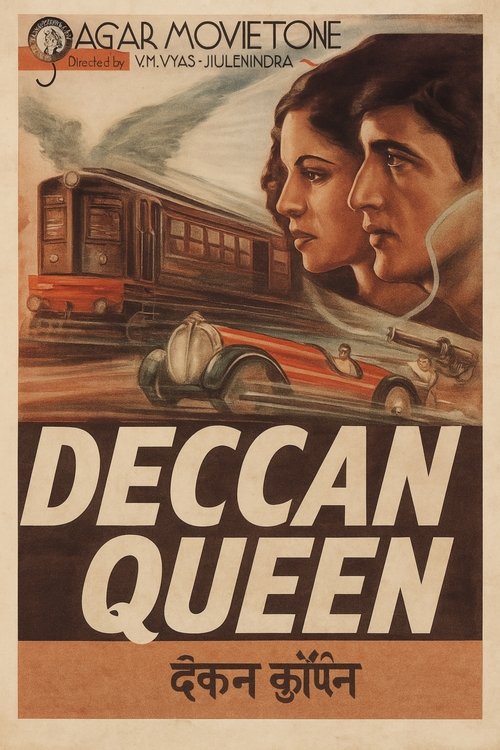
A traumatized beautiful woman loses her memory in a train accident.