Directing
This German format is not a series properly speaking, as it has no permanent cast or script continuity, but presents each time a 45 minutes documentary, usually in part presented as a docudrama (not faction, as close to scientific knowledge as possible, but visually attractive), elaborating a specific historical theme, widely varied, often exotic in the sense of a far time (as far back as prehistoric times) and/or place (around the globe), although some episodes fit together well, chronologically or thematically, but always fit to be watched separately. Usually authentic locations are used, as well as scenes from and/or interviews about the scientific research it is based upon.
It was a fateful expedition into the unknown. 50.000 children marched along the banks of the Rhine and the Loire Rivers dressed in rags, dragged themselves barefoot across the snow-covered Alps. They reached the shores of the Mediterranean in a state of exhaustion, and were loaded onto shady ships and ended up as slaves at North African markets. The film snatches the stirring fate of these children from the realm of the forgotten and gives them back their dignity on the pages of history.
Shot in high-definition video using rear-screen process plates from classic Warner Bros. films noirs. A young man (in color) searches for his past through black-and-white scenes from "The Big Sleep," "Mildred Pierce," and "Strangers on a Train."
No description available.
The life and struggles of Ferdinand Maximilian Joseph Maria of Habsburg-Lorraine (1832-1867), emperor of the Second Mexican Empire as Maximilian I of Mexico from 1864 to 1867 (under the wing of Emperor Napoleon III and the French Empire), his tragic confrontation with Mexican leader Benito Juárez, the defeat of the will and the end of a dream.
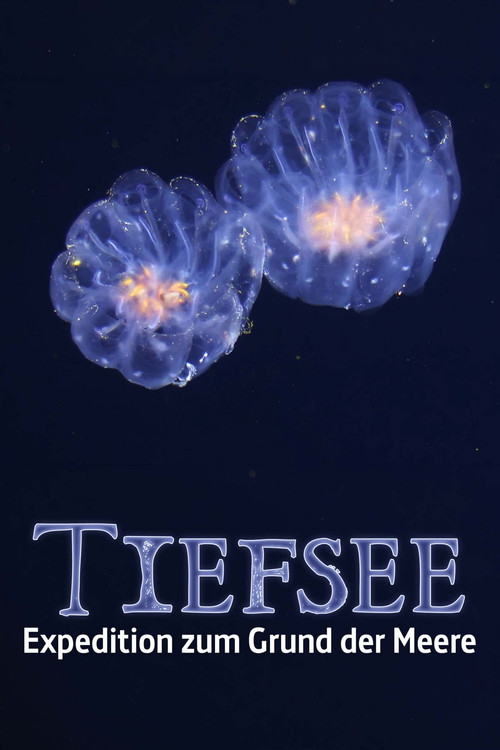
The deep sea has long fascinated humanity, inspiring both wonder and fear of the unknown. Covering most of our planet, it remains largely unexplored. This documentary reveals rare underwater footage and extraordinary marine life while exploring how human resource extraction threatens a vital ecosystem - inviting us to see the deep sea as an essential part of Earth's future.
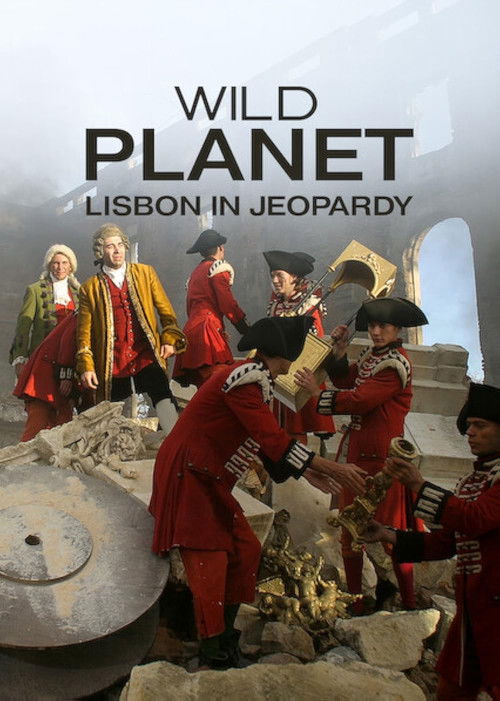
Modern science still researches how exactly tsunamis originate and cause additional havoc in cities they affect. A fascinating case for reconstruction purposes is the ruin of the Portuguese capital Lisbon, on 1 November 1755. The Tsunami killed a fifth of the population. Fear-paralyzed king Joseph's able prime minister, marquess Pombal, took charge of rescue and reconstruction. Minor seismic activity and religious fanatics kept complicating life. This made Pombal the real, absolutist ruler, who finally modernized Portugal.
This chronicle of the life of St. Nicholas illuminates his transformation from holy man to the ultimate symbol of Christmas cheer.
The great Lisbon earthquake of 1755 was the first great natural disaster to strike the heart of a large European city. For six minutes the earth shook, bringing down churches, palaces, and thousands of houses. After a 15-meter-high tsunami submerged the lower city, fires broke out and wrought more damage. The earthquake that laid waste to Portugal's capital city Lisbon on 1 November 1755 shook the West as severely as almost no other earthquake has before or since. This was not only because of the immense destruction it caused and the tens of thousands of lives it claimed, but because the event also affected European thinking over the long term by undermining the philosophical optimism of the Enlightenment, the belief in divine providence and the conviction of living in the best of all possible worlds.
Documentary about the life of Charlemagne
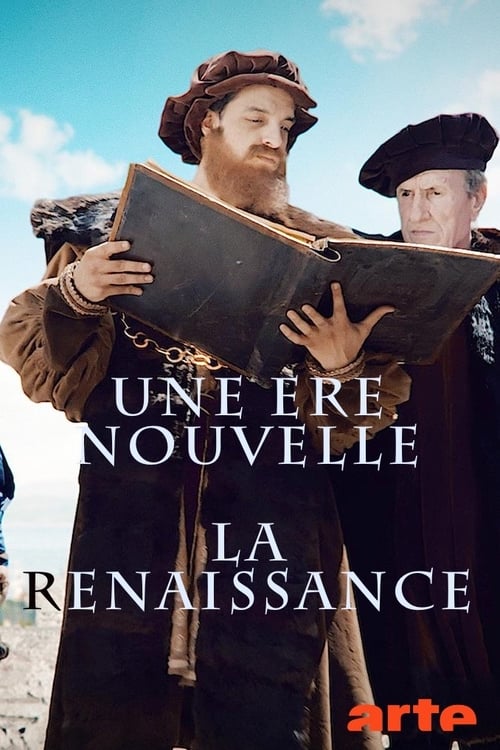
The great hours of the Renaissance, told in a lively, educational way. In two parts, this documentary looks back at one of the most fruitful periods in European history.
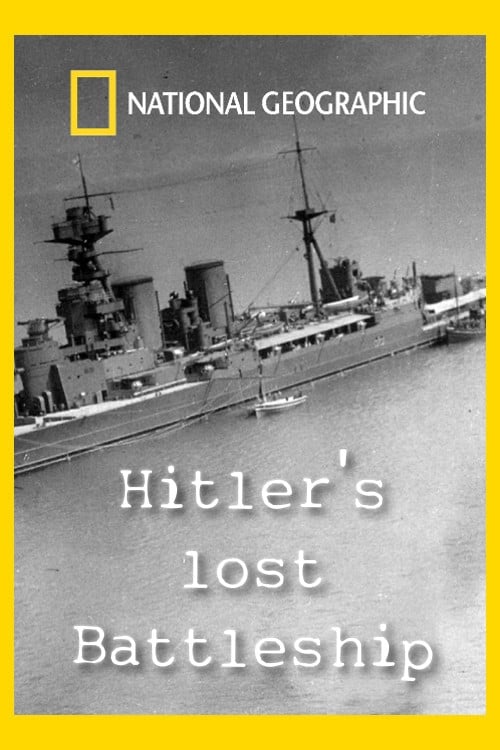
The small but immensely powerful Admiral Graf Spee was the pride of Hitler's naval fleet. Restricted to a limited size due to the impositions of the Treaty of Versailles, this 'pocket battleship' was still a formidable fighting force. It was faster than a battleship, and had firepower far beyond other ships of this size. It was responsible for the sinking of as many as nine Allied merchant vessels in the autumn of 1939 in the space of three months. Then, late in the year, the ship was ambushed off the coast of Uruguay by British cruisers determined to sink her. Faced with insurmountable odds, the ship's captain, Hans Langsdorff, opted to destroy his own vessel rather than capitulate to the enemy. Hitler's Lost Battleship retraces the events leading up to the ship's destruction. With high-end re-enactments, CGI reconstructions, and surprising revelations from naval researchers - all add up to shed new light on this fascinating episode in wartime history.