Acting
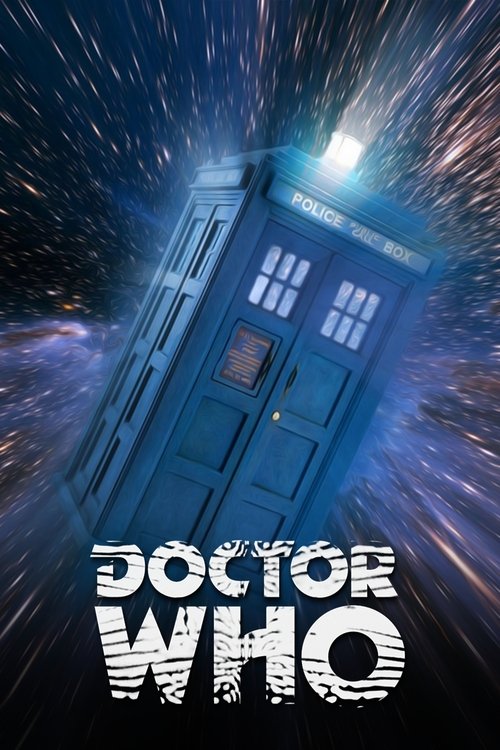
The adventures of The Doctor, a time-traveling humanoid alien known as a Time Lord. He explores the universe in his TARDIS, a sentient time-traveling spaceship. Its exterior appears as a blue British police box, which was a common sight in Britain in 1963 when the series first aired. Along with a succession of companions, The Doctor faces a variety of foes while working to save civilizations, help ordinary people, and right many wrongs.
A quirky spy show of the adventures of eccentrically suave British Agent John Steed and his predominantly female partners. Jonathan Steed - an urbane, proper gentleman spy - teams with various assistants throughout the series' run, including Dr. David Keel, Cathy Gale, Emma Peel and Tara King, to repeatedly save the world from diabolical schemes plotted by equally diabolical evil-doers (among them robots and man-eating monsters).
Jim Bergerac is a detective sergeant in The Foreigners Office who likes to do things his own way. While dealing with his own personal demons Bergerac has a knack of finding trouble, and sometimes causing it.
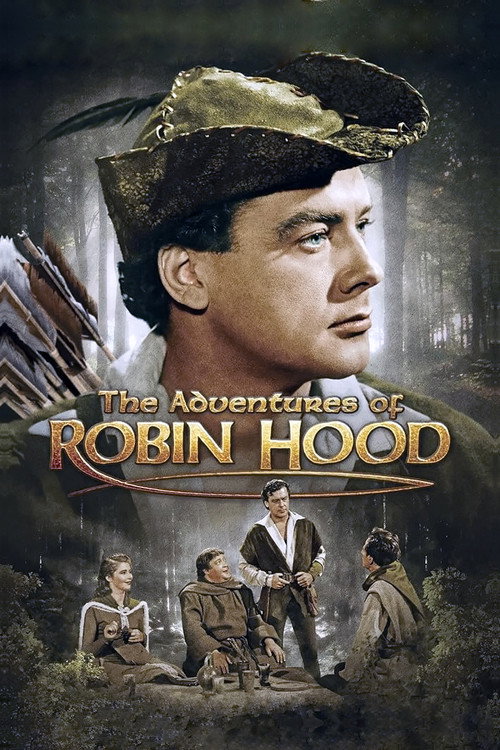
The legendary character Robin Hood and his band of merry men in Sherwood Forest and the surrounding vicinity. While some episodes dramatised the traditional Robin Hood tales, most episodes were original dramas created by the show's writers and producers.
Theatre 625 is a British television drama anthology series, produced by the BBC and transmitted on BBC2 from 1964 to 1968. It was one of the first regular programmes in the line-up of the channel, and the title referred to its production and transmission being in the higher-definition 625-line format, which only BBC2 used at the time.
World War II drama about covert organisation Lifeline helping allied airmen escape after being shot down in occupied Europe, working with the Resistance and hiding from the Gestapo.
Shine on Harvey Moon! is a British comedy-drama series made by Central Television for ITV from 8 January 1982 to 23 August 1985 and briefly revived in 1995 by Meridian. This generally light-hearted series was created by comedy writers Laurence Marks and Maurice Gran. The series is set in the East End of London shortly after the Second World War. Upon being demobbed RAF serviceman Harvey Moon, played by Kenneth Cranham, returns home and finds his family involved in various troubles. His wife Rita, played by Maggie Steed, is not interested in resuming their relationship, and works in a seedy nightclub frequented by American servicemen. He becomes involved with the Labour Party and the union movement. The name of the series is a wordplay on the title of the popular 1908 song 'Shine On, Harvest Moon'. The first series was commissioned and recorded by ATV at their Elstree studios with the remaining series filmed at newly constructed facilities in Nottingham.
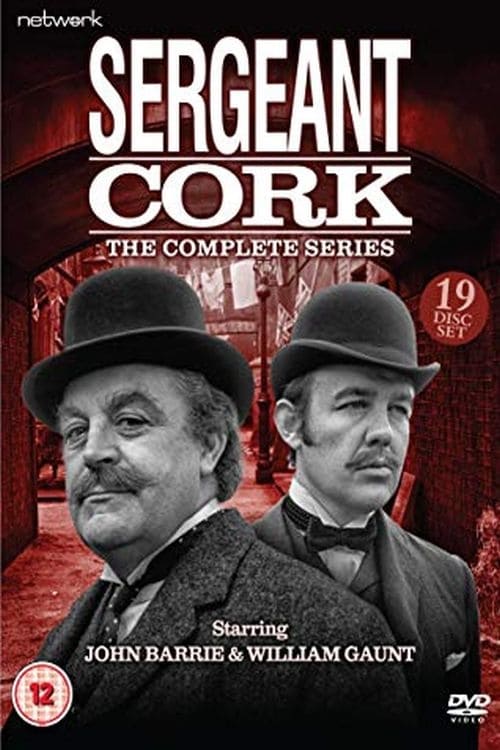
Sergeant Cork is a British detective television series which first aired between 1963 and 1968 on ITV. It was a police procedural show that followed the efforts of two police officers and their battle against crime in Victorian London. In all 66 hour-long episodes were aired during the five-year run, although the last episode was not broadcast until January 1968, 16 months after the others. Journalist Tom Sutcliffe has credited it as a first example of the use of the Victorian-era policeman in a television crime series. A 1969 review in The Age opined that rather than suspense, the strengths of the series were its "excellent period settings and wonderfully thick pea-soupers" which "add up to splendid evocative stuff", as well as the performance of star John Barrie. At no time during the whole series is Sergeant Cork's first name given.
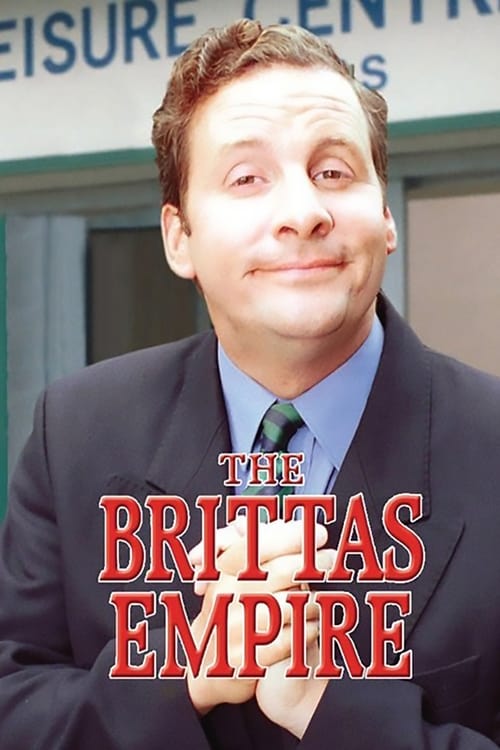
The Brittas Empire is a British sitcom created and originally written by Andrew Norriss and Richard Fegen. Chris Barrie plays Gordon Brittas, the well-meaning but incompetent manager of Whitbury New Town Leisure Centre. The show ran for seven series and 53 episodes — including two Christmas specials — from 1991 to 1997 on BBC1. Norriss and Fegen wrote the first five series, after which they left the show. The Brittas Empire enjoyed a long and successful run throughout the 1990s, and gained itself large mainstream audiences. In 2004 the show came 47th on the BBC's Britain's Best Sitcom poll, and all series have been released on DVD. The creators Andrew Norriss and Richard Fegen often combine farce with either surreal or dramatic elements in episodes. For example in the first series, the leisure centre prepares for a royal visit, only for the doors to seal, the boiler room to flood and a visitor to become electrocuted. Unlike the traditional sitcom, deaths were quite common in The Brittas Empire.
An anthology of half-hour standalone situation comedies starring British comedian Jimmy Edwards in various roles alongside guest stars.
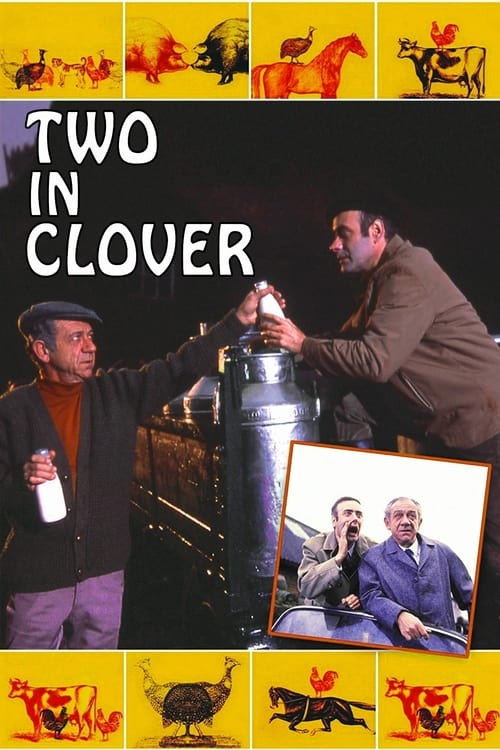
Two in Clover is a British sitcom produced by Thames Television for two series from 1969 to 1970 on ITV. It starred Sid James and Victor Spinetti and was written by Vince Powell and Harry Driver, and produced and directed by Alan Tarrant. The first series was made in black and white and the second series was made in colour. Frustrated office workers Sid Turner and Vic Evans decide to leave behind their nine-to-five lifestyle for the simpler life of living in the countryside and running a farm.
Based on the diaries of the naval adiminister Samuel Pepys, it portrays life at the court of Charles II during the 1660s.
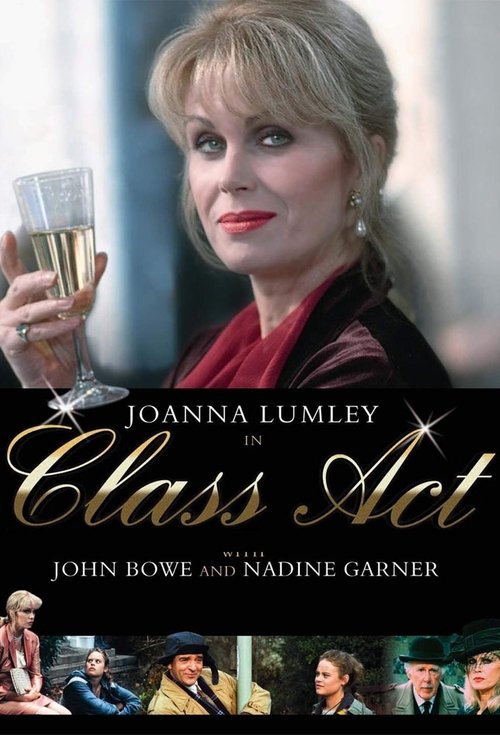
Class Act is a British comedy-drama series produced by Verity Lambert, and starring Joanna Lumley, Nadine Garner, and John Bowe. The series ran for two seasons of seven episodes each. Broadcast on ITV1, the first premiered on 7 April 1994, until 19 May. The second ran from 7 September to 19 October 1995. Desperate times call for desperate measures when aristocratic Kate Swift's rich husband disappears and she is forced to give up her champagne lifestyle.
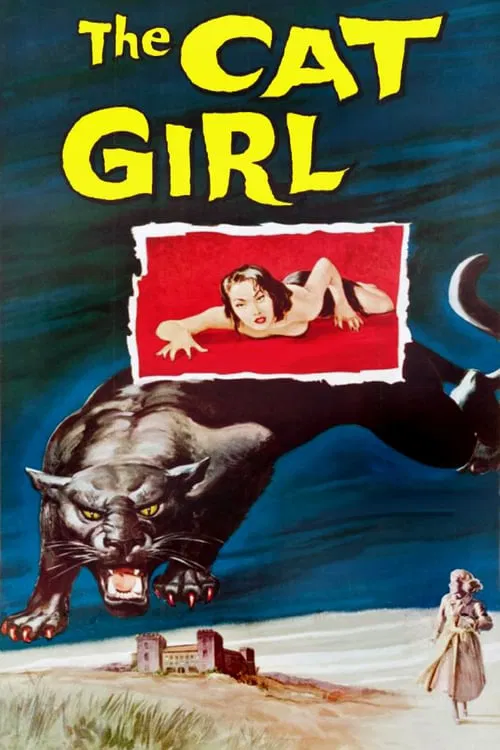
A psychiatrist treats a woman who is convinced that she turns into a killer leopard because of a family curse.
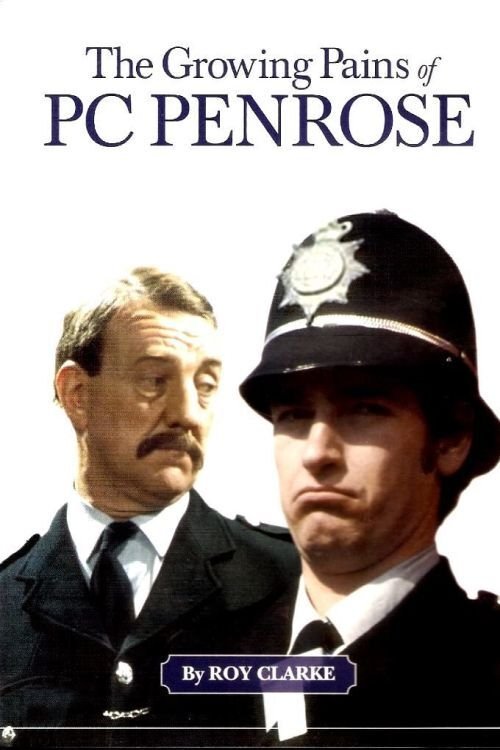
Earnest new recruit PC Penrose has left his hometown and joined the force in the Yorkshire town of Slagcaster. He's young and naive but seasoned officer Sergeant Flagg takes him under his wing and shows him the ropes, though his methods can be a little unconventional.
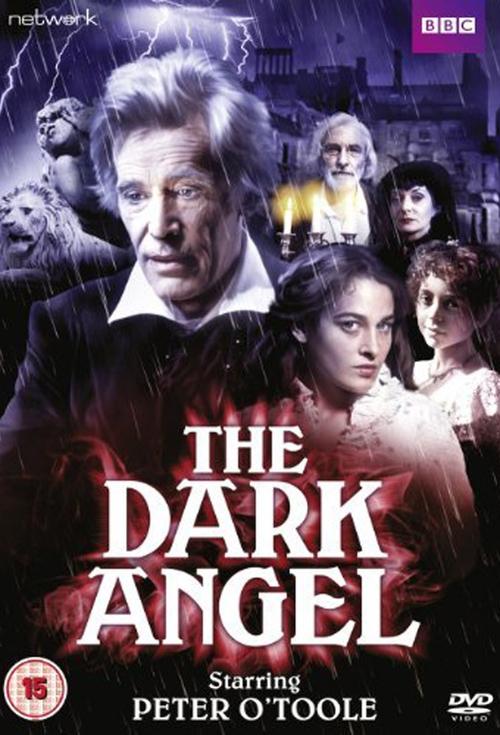
Lovely and sensitive Maud Ruthyn is sent to stay with her Uncle Silas, a charismatic rogue who stands to inherit the family fortune... should anything untoward happen to young Maud. With the tyrannical Madame De La Rougierre as her governess, Maud finds that the estate holds terrors beyond her imaginings.
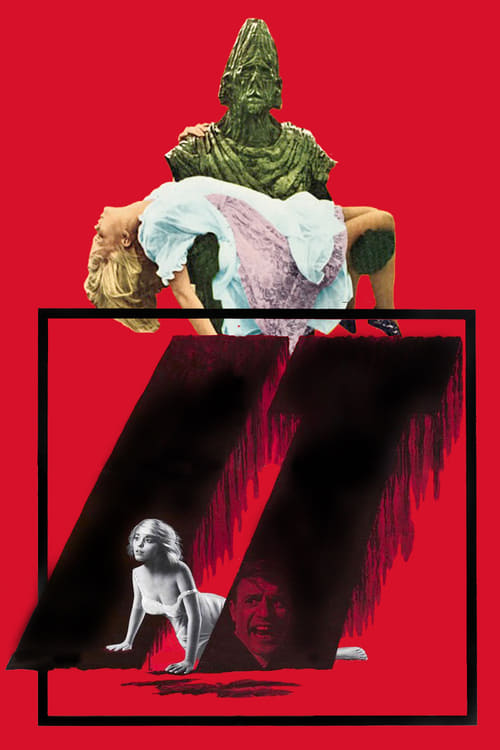
After a warehouse fire, museum director Grove and assistant Pimm find everything destroyed, only one statue withstood the fire mysteriously undamaged. Suddenly Grove is lying dead on the ground, killed by the statue? Pimm finds out that the cursed statue has been created by Rabbi Loew in 16th century and will withstand every human attempt to destroy it. Pimm decides to use it to his own advantage.
At the end of World War II, a Royal Navy submarine on routine patrol strikes and detonates a mine. The subsequent explosion sinks the submarine, killing most of its crew. Frantic efforts are taken to rescue those remaining alive.
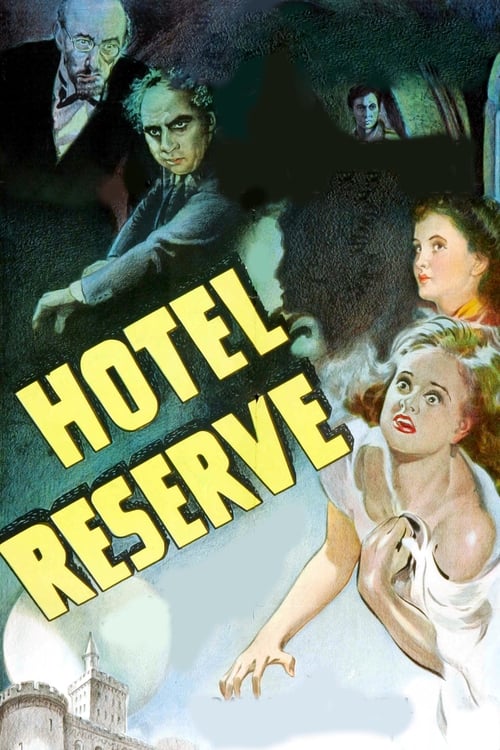
A hunt for a spy in a hotel in the South of France just before World War Two.
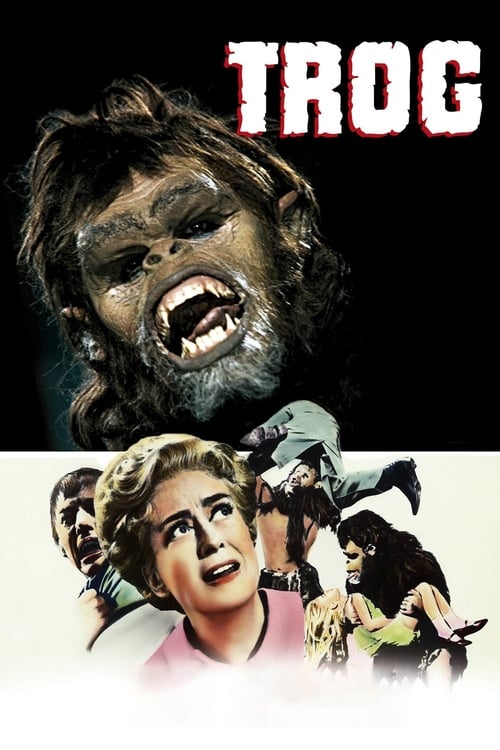
Anthropologist Dr Brockton unearths a primitive troglodyte — an Ice Age 'missing link': half-caveman, half-ape — in a local cave. Through experimentation, she manages to communicate with and domesticate him before he's released by an irate land developer and goes on a rampage, terrorising the local citizenry.