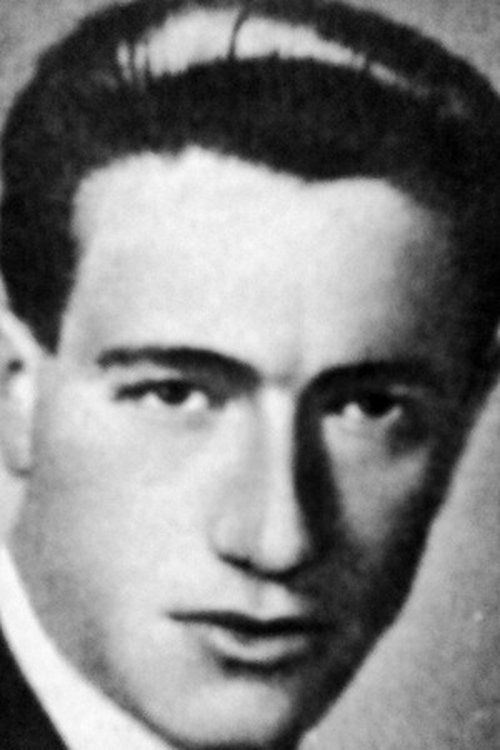
Corrado D'Errico
Directing
Known For
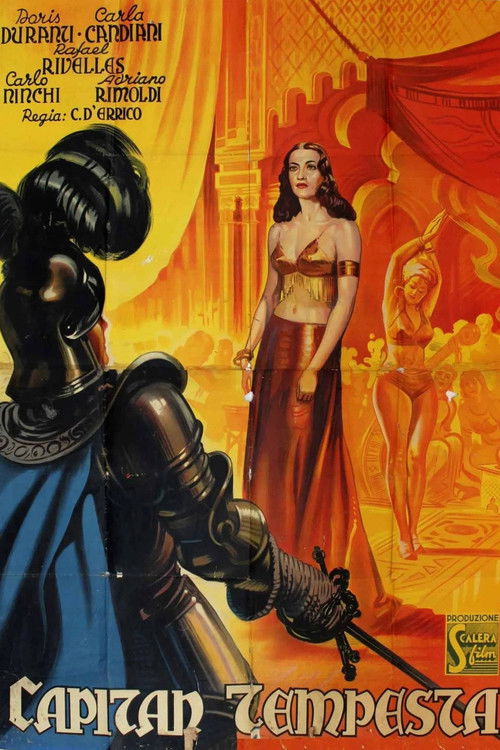
No description available.
Capitan Tempesta
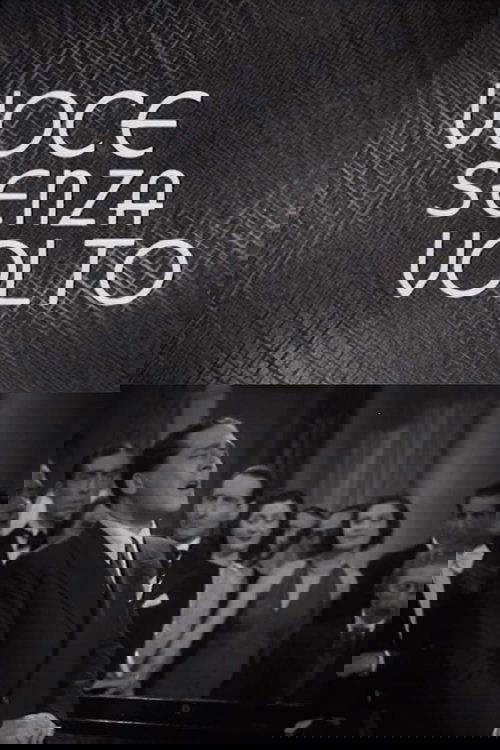
No description available.
La voce senza volto
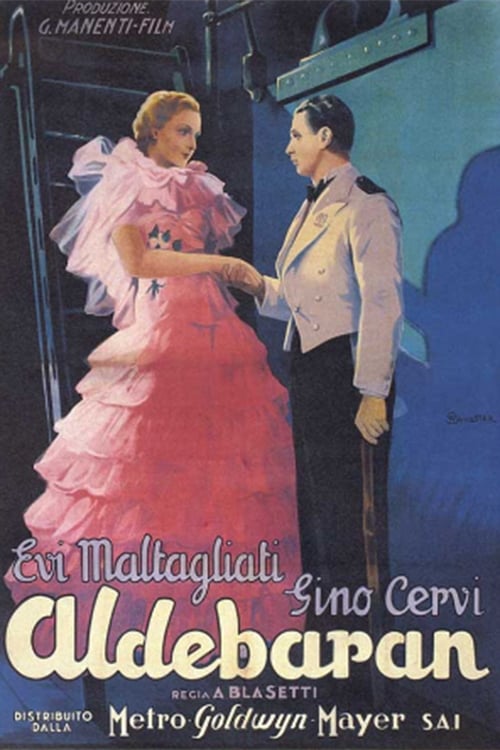
No description available.
Aldebaran
No description available.
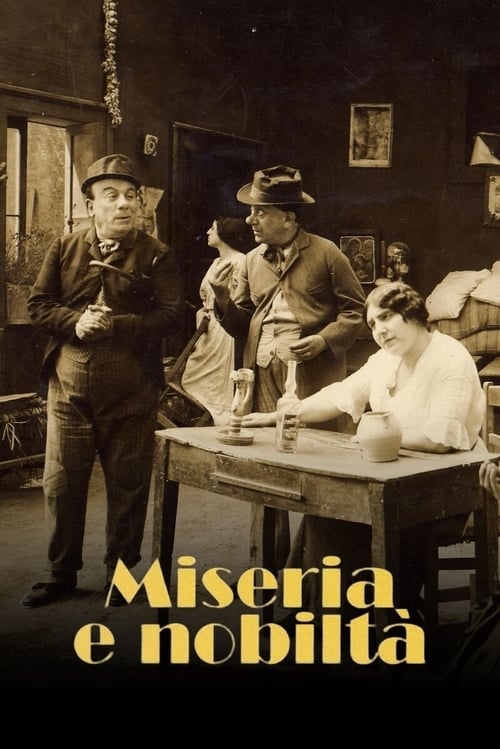
Miseria e Nobiltà
No description available.
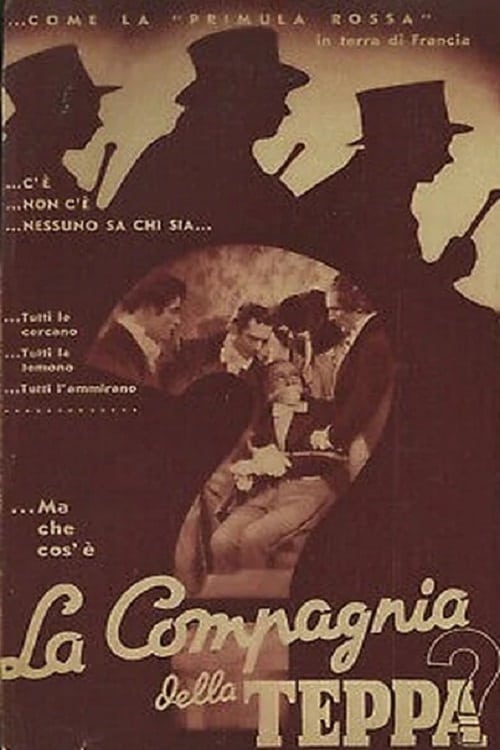
La compagnia della teppa
No description available.
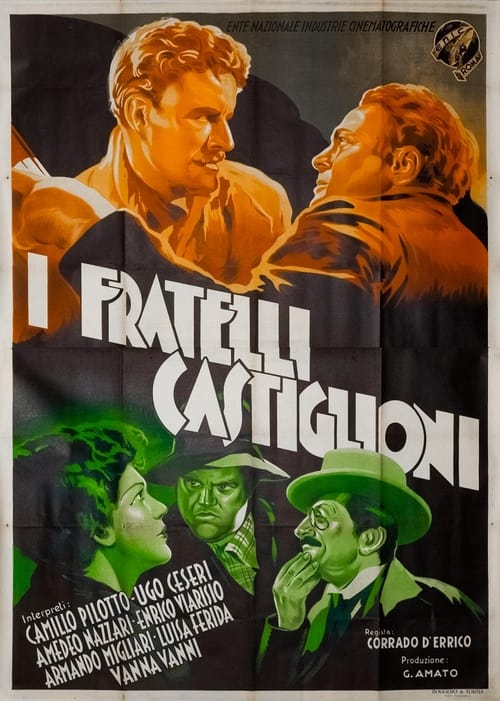
I fratelli Castiglioni
No description available.
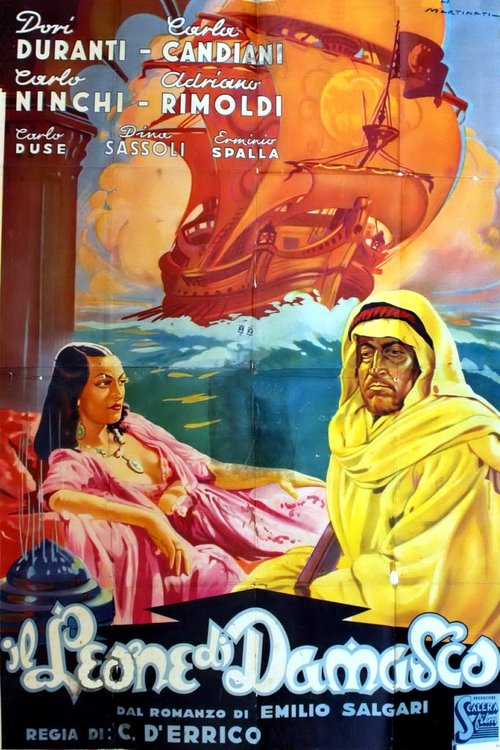
Il leone di Damasco
No description available.
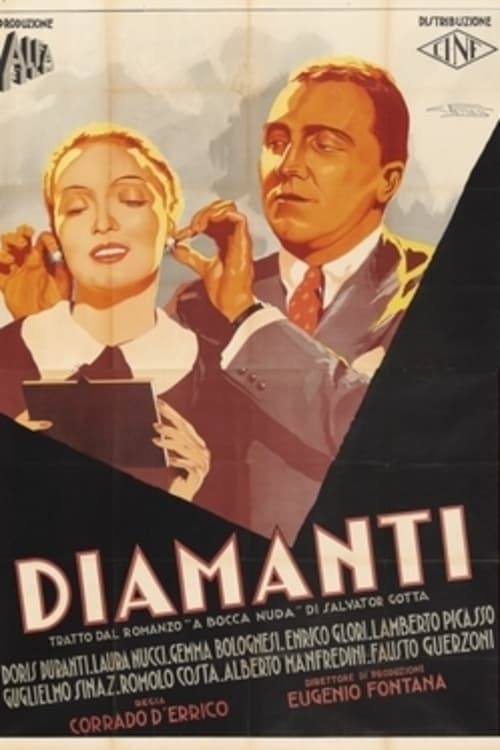
Diamanti
No description available.
Voce senza volto
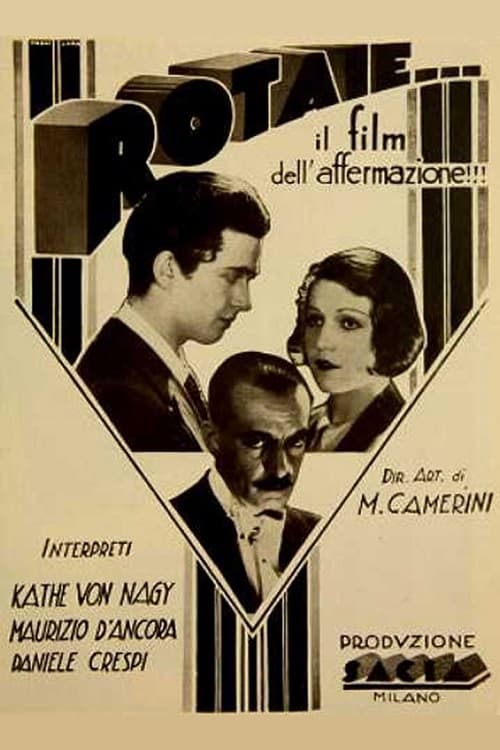
A young honeymooning couple are lured away to a seaside resort by a high-society sleazeball, who has plans to seduce the girl, while at the same time her hubby in desperation stakes all his money on the roulette wheels.
Rails
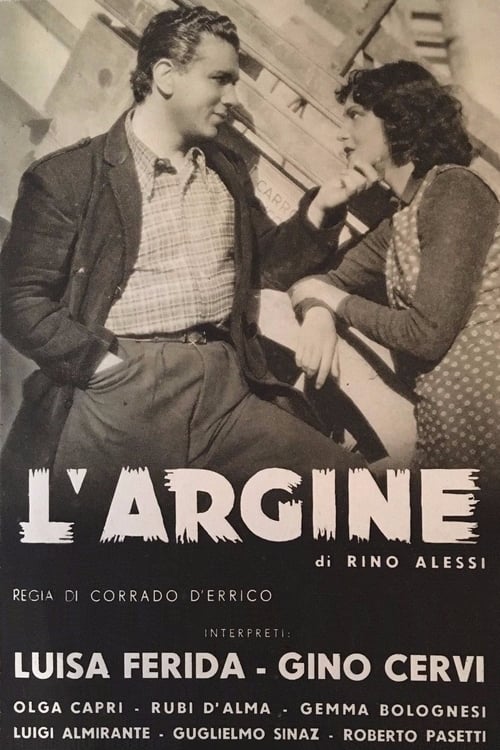
A ferryman assists a woman who had a car accident and falls in love with her. When she leaves suddenly, he sets out to find her.
L'argine
A vibrant ‘city symphony’ showing a day in the life of Milan, from factories to farmers’ markets, skyscrapers, nightclubs, and beyond, with sound effects of human voices and machines.
Stramilano
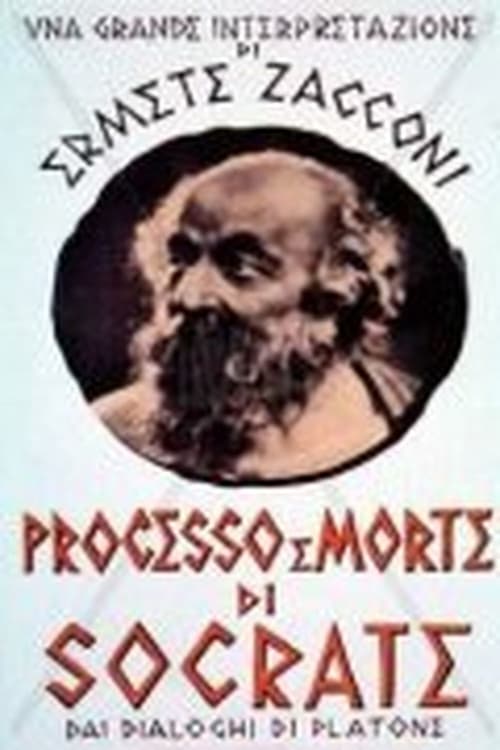
No description available.
Processo e morte di Socrate

It's the great documentary of the Ethiopian War. It begins in an original way by dealing with the multifaceted pre-war preparations. The central part of the film illustrates the resolution of logistical problems - first and foremost that of communications. The final part, finally, presents some episodes of the war, which ended victoriously, and some images of plowing the newly conquered lands.
Il cammino degli eroi
No description available.
Milizie della civiltà
Aboard the luxurious high-speed express “Freccia d’oro,” a jeweller carrying precious gems is targeted by thieves who take over the train, disabling alarms and barricading themselves in the baggage car. Meanwhile, a bridge ahead has collapsed, and the train is unaware due to the thieves’ isolation of the locomotive. Panic ensues among the passengers. Just as disaster looms, the young engineer sees a glowing cross in the fog, prompting him to stop the train in time. The cross is revealed to be a rosary from his mother, reflecting off the headlight. This divine sign saves everyone, and the thieves are captured.
Golden Arrow
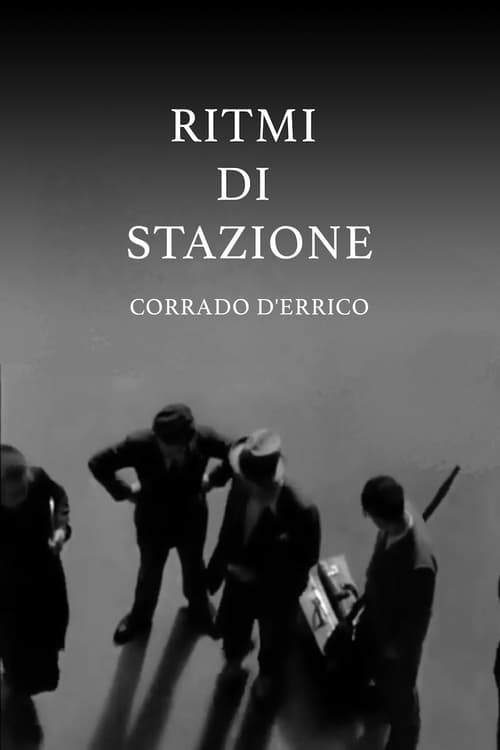
"Ritmi di stazione, impressioni di vita n. 1" is a 1933 Italian documentary short film directed by Corrado D'Errico and produced by the Istituto Luce. Running about 8–10 minutes, the film is an example of futurist cinema, celebrating speed, machinery, and industrial progress. It focuses on the frenetic activity of a train station, described as a "world of steel."
Impressions of Life, N°1: Station Rhythms
Contained in the "Music" section of the "Rivista Luce n. 2", it's the most experimental film by Corrado D’Errico, certified as a “work of visualized music” created on the notes of the overture of La Gazza Ladra (1817) by Gioacchino Rossini.