Directing
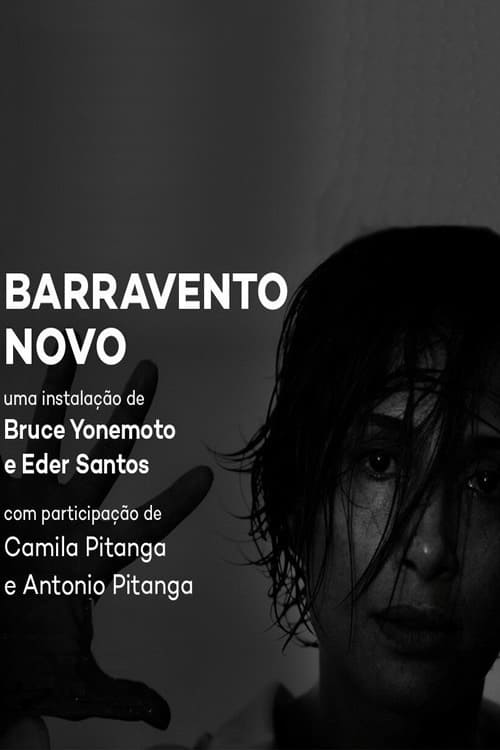
Barravento Novo depicts correspondences between Antônio Pitanga—a Cinema Novo actor seen here delivering lines from Glauber Rocha’s first feature, Barravento, from 1962—and his daughter, Camila Pitanga, a well-known actor and filmmaker working today.
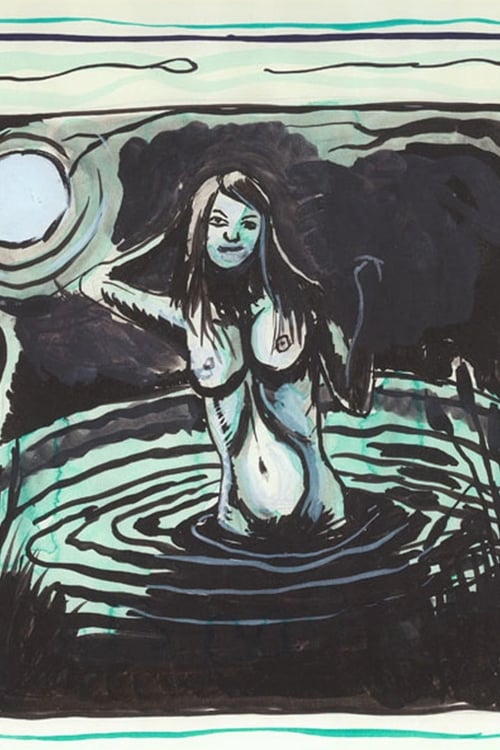
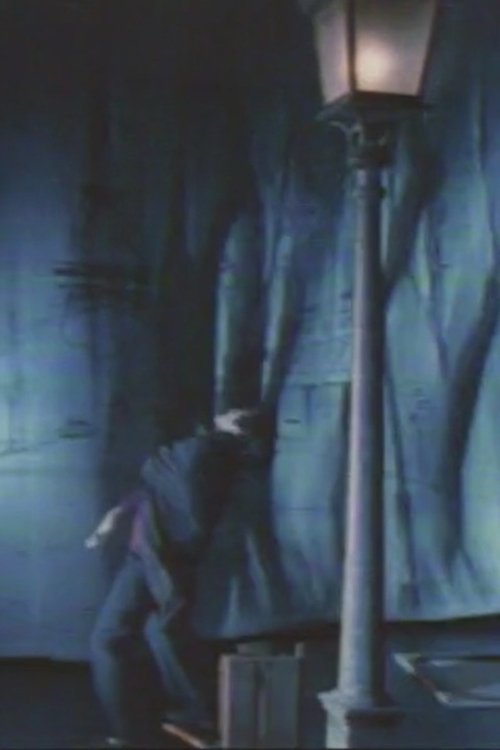
Deconstructing the myth of Oedipus within the framework of an ancient Japanese folk story, the Yonemotos craft a highly charged discourse of loss and desire. Quoting from Bunuel, Freud, pop media and art, they place the symbology of Western psychosexual analytical theory into a cross-cultural context, juxtaposing the Oedipal and Kappa myths in a delirious collusion of form and content. The Kappa, a malevolent Japanese water imp, is played with eerie intensity by artist Mike Kelley; actress Mary Woronov plays Jocasta as a vamp from a Hollywood exploitation film. Steeped in perversions and violent longings, both the Kappa and Oedipus legends are presented in highly stylized, purposefully "degraded" forms, reflecting their media-exploitative cultural contexts. In this ironic yet oddly poignant essay of psychosexual compulsion and catharsis, the Yonemotos demonstrate that even in debased forms, cultural archetypes hold the power to move and manipulate.
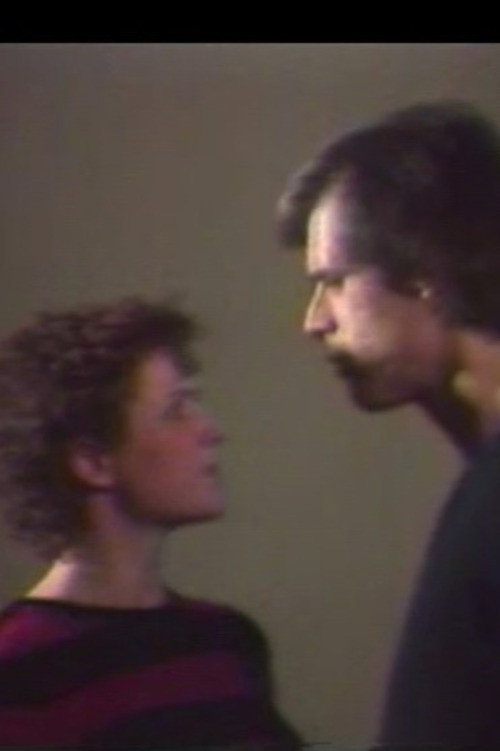
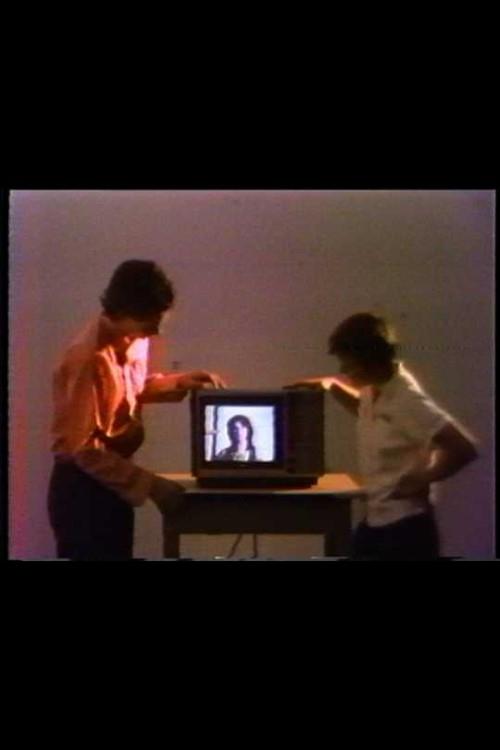
A couple's violent argument is repeated three times in this video, first in long shot, then in medium shot, and finally in close shot. As the camera moves in, the sound moves in the opposite direction; from a close perspective to silence. The subject of the argument satirically underscores the role electronic media plays in undermining the basic tenets of romantic relationships.
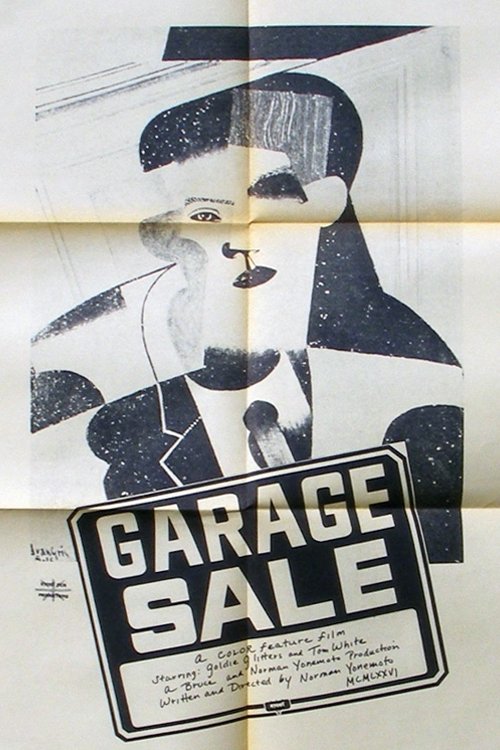
GARAGE SALE is a campy feature centered on a story of marital upheaval between drag queen Goldie Glitters and her fair-haired husband, Hero. A onetime member of San Francisco’s legendary Cockettes theatre troupe, Goldie was famously crowned Santa Monica College’s 1975 Homecoming Queen, captured in Bruce Yonemoto’s documentary HOMECOMING (1975). GARAGE SALE subverts the drag aspect of Goldie’s performance enabling her to sympathetically play a woman whose fantasies and expectations have been shaped by Hollywood romance films. The film follows the couple as Hero tries to regain Goldie’s love by seeking the advice of a cast of eccentric characters.
Focusing predominantly on Mexico City, this new work is an exploration of immigration and the ways in which different cultures intertwine or remain separate, via the prism of ethnic cuisines and the history of food. Excavating the surprising histories of various street foods, and interviewing individuals of different backgrounds, Yonemoto meditates on the visible and invisible manifestations of cross-cultural influence.
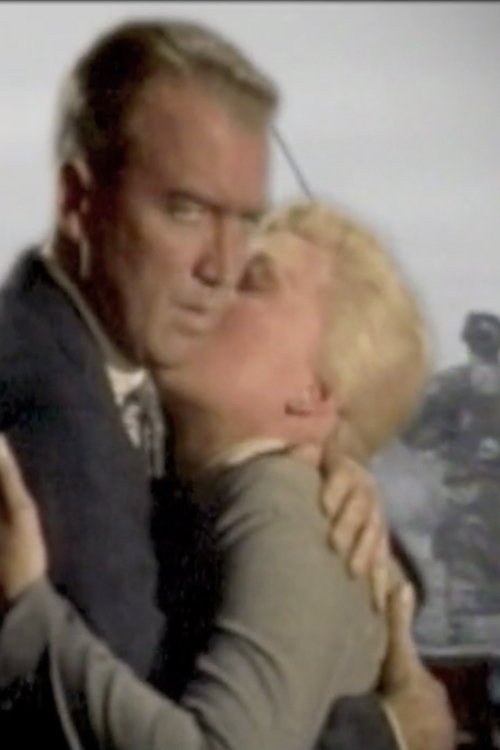
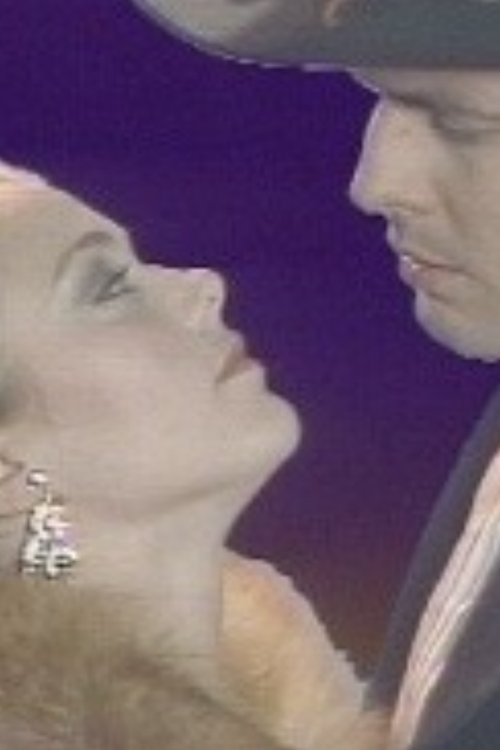
PANPANORAMA features the famous “kiss” in Alfred Hitchcockʼs VERTIGO. The locations which panoramically circle around the lovers in VERTIGO are replaced with tracking shots from famous scenes in classic films from all over the world. By replacing the locations of the loversʼ desire, the installation underscores the fact that “global cinema” has faded into the background of the Hollywood cinematic desire.
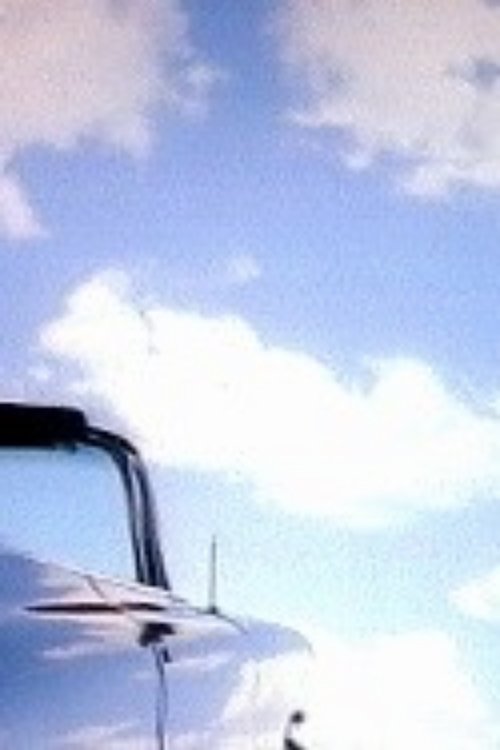
Europe’s enchantment with American consumer culture is depicted, as well-known European architectural landmarks – the Eiffel Tower, the Acropolis, London Bridge – are reflected in the glossy surface of a 1960s Cadillac convertible, the ultimate symbol of the “golden age” of American consumerism.
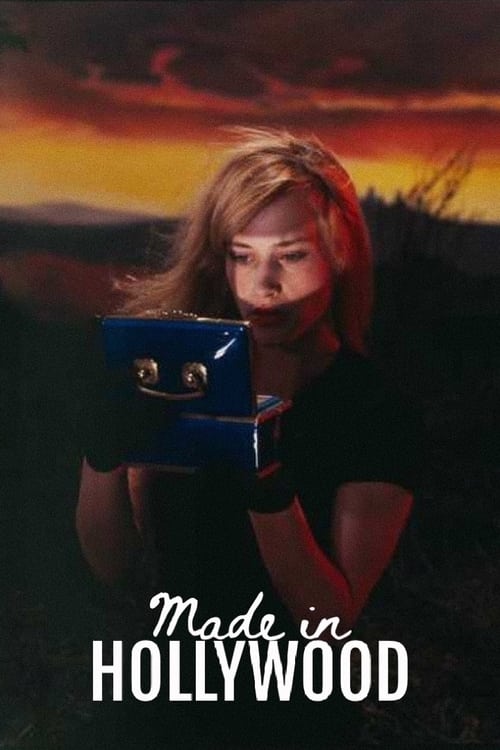
A parable of the Hollywood image-making industry told through a pastiche of narrative cliches.
This stylized narrative is the first in the Yonemotos' Soap Opera Series,in which they employ the traditional syntax and codes of melodrama to explore how mass media formulas manipulate desire and sexuality, fantasy and reality. Played out with the self-conscious acting and dialogue of a soap opera, this story of the dissolution of a contemporary romance is set in the context of the postmodern Southern California art scene. By emphasizing modes of representation — TV, movies, art — the Yonemotos reconstruct a narrative of melodrama itself, illustrating their assertion that personal dramas and romantic ideals are the result of media propaganda, a social fantasy that becomes reality.
The sky looms in the background of all human activity. It is elementary then that artists should be preoccupied with a phenomenon whose ageless nature remains elusive and opaque. Bruce and Norman Yonemoto's A History of Clouds (33:46 mins, Color) investigates the representation of clouds as they appear in art, first as amorphic elements in early oil painting, then as photographically reproduced elements of 20th-century works. This premiere videowork ends in the advertising studio where clouds provide a "natural" backdrop for commodified dreams. The journey from representation to sales presentation is complete.
Featuring performances by artists Tony Oursler and Mike Kelley, Garage Sale II moves between a couple’s sexually dysfunctional relationship and a series of vignettes in which characters attempt to fulfil their desires through prosthetics, masturbation, manipulation and S&M.
This experimental video, created by Karen Finley and Bruce Yonemoto while artists-in-residence at California’s Montalvo Arts Center, touches on the racism of the Center’s founder, James D. Phelan, and brings the story up to the present. Finley’s performance channels Phelan, one of the biggest proponents of anti-Japanese-immigration laws at the turn of the last century
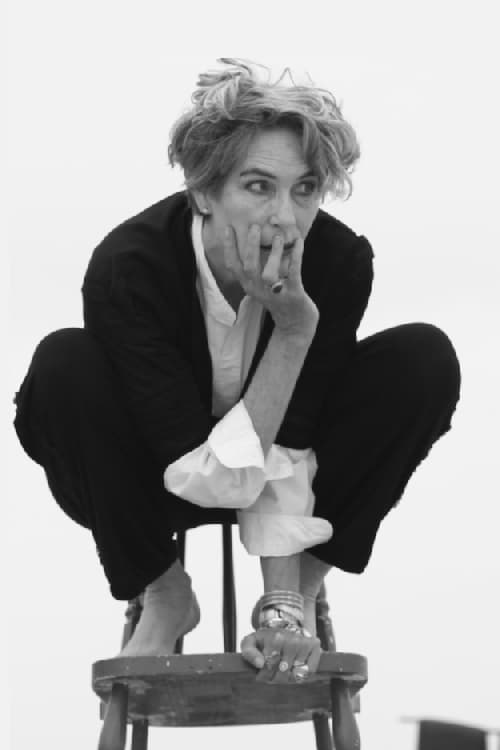
The documentary explores the enigma of actress and artist Mary Woronov and chronicles her colorful career trajectory as a ground breaking female performer starting from her work with Andy Warhol to Roger Corman, that sealed her reputation as a "Cult Queen".
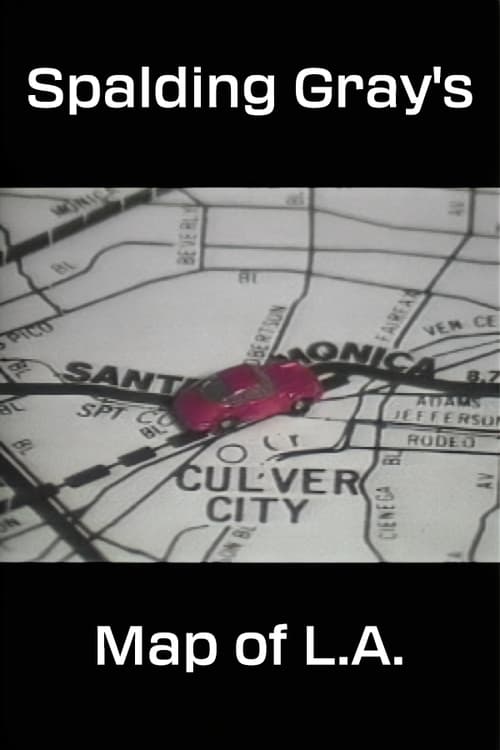
Spalding Gray comes to LA to perform a set of monologues.
Using the syntax of daytime soap operas, Green Card tells the story of Sumie, a Japanese artist who marries an American surfer/filmmaker to enable her to remain in the United States. When the couple’s views towards the agreement move in opposite directions, cultural differences and expectations become pronounced. Casting an ironic eye on the Los Angeles lifestyle and art scene of the early 1980s, this stylised narrative asserts that the delirium of Hollywood ‘reality’ has a manipulative impact on personal relationships.
Japan in Paris in L.A. centres on Saeki Yuzo, an early twentieth-century Japanese artist who makes a pilgrimage to Paris to seek his artistic fortunes, only to find that ethnic and cultural differences stand in his way. Around this narrative, the Yonemotos construct a multi-layered and self-reflexive work in which strategies of disjunction and contradiction are key. Employing heightened theatricality, experimental narrative strategies and archival footage, the film proposes a complex meditation on issues of modernity, representation, ethnocentrism and identity.
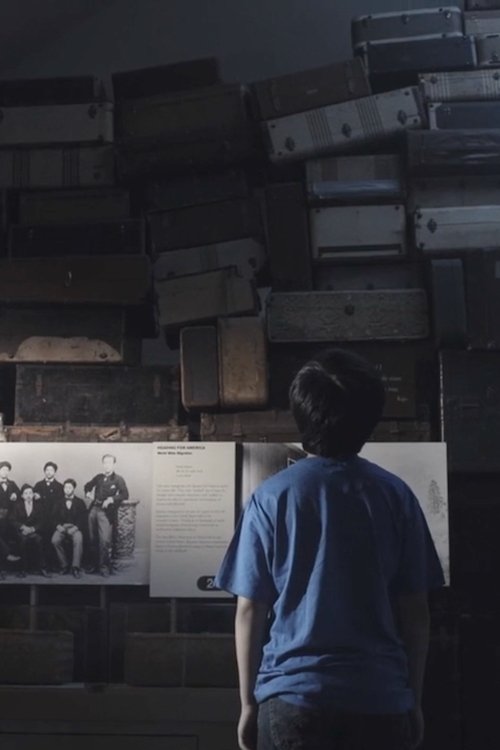
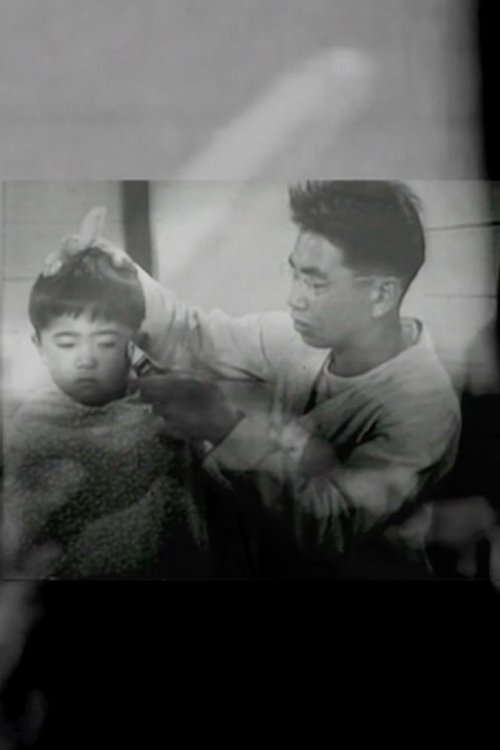
Framed is presented in a single-channel video using two elements. The first element is the film footage that was found by the artists at the U.S. National Film Archive. These staged films, produced by the War Relocation Authority (WRA), captured a fictional idealized life of Japanese Americans in the American concentration camps during World War II. More than a hundred thousand innocent civilians of Japanese descent were incarcerated solely based on their ancestry. To legitimize the abrogation of civil rights, the WRA produced this wartime propaganda. The second element is the slide show in which the still images reframe the raw material of the WRA films.
In this tour-de-force of stylized deconstruction, the Yonemotos rewrite a traditional narrative of desire — boy meets girl, boy loses girl. Employing the hyperbolic, melodramatic syntax of Hollywood movies and commercial TV, they decode the Freudian symbology and manipulative tactics that underlie media representations of romantic love, and expose the power of this media “reality” to construct personal fictions. Using the psychoanalytic language of advertising, cinematic and television texts to tell the love story of a pole vaulter/concert cellist and a cowboy/Abstract Expressionist painter, they rupture the narrative with psychosexual metaphors and references to pop media and art. Self-conscious strategies such as overtly Freudian symbols, flashback reconstructions of childhood traumas, Wagnerian orchestration and loaded cliches are wielded with deft irony.
Yonemoto’s video recreates the opening sequence from The Sound of Music, replacing the Austrian Alps with the Peruvian Andes, the village of Salzberg with Incan ruins and Julie Andrews with a young Andean boy. Sweeping aerial views and a solitary figure accompany the soundtrack, sung by the Andean boy. His song is a translated version of Rodgers and Hammerstein’s infective melody into the indigenous Incan language of Quechua, spoken by 13 million people throughout the Andes and South America. Yet the language is probably best known through its place in popular culture; George Lucas’ villain Jabba the Hut spoke this disappearing language.
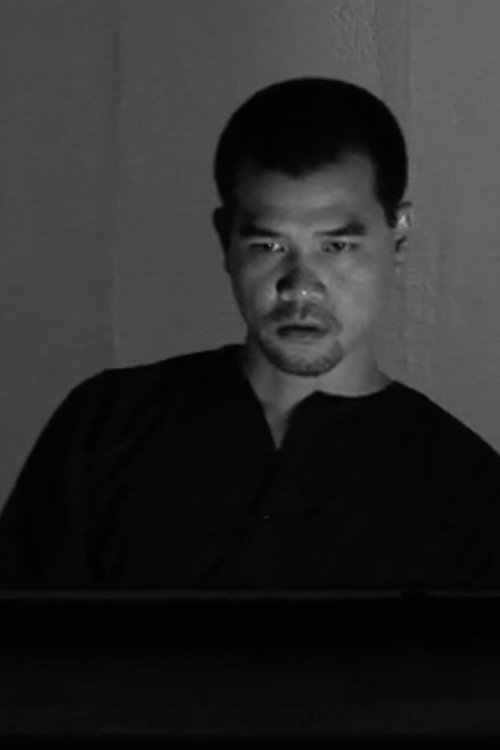
This video focuses on three contemporary Vietnamese men, dressed in Vietnam War-era uniforms, as they watch a recording of the historic televised suicide of Hòa thượng Thích Quảng Đức, the Vietnamese Mahayana Buddhist monk who burned himself to death at a busy Saigon intersection on June 11, 1963, an act of protest that shocked the world and ultimately led to the demise of the American-supported Diem regime. The video is structured, shot for shot, after the pivotal mental breakdown scene in Ingmar Bergman’s 1966 film PERSONA.