Andrea Rabasa
Sound
Known For
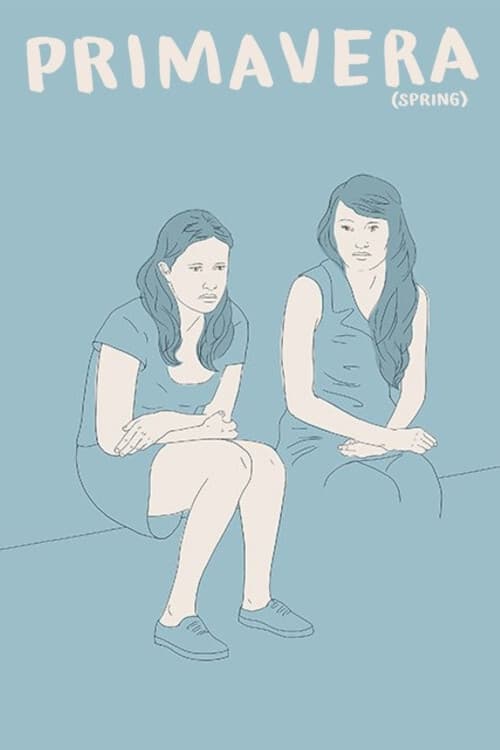
Elba is an introverted and lonely fourteen year old teenager that lives with Fernanda, her older sister. The sisters don't get along and their mother is abset. Fernanda decides to runaway, but before she does Elba reaches out to her.
Spring
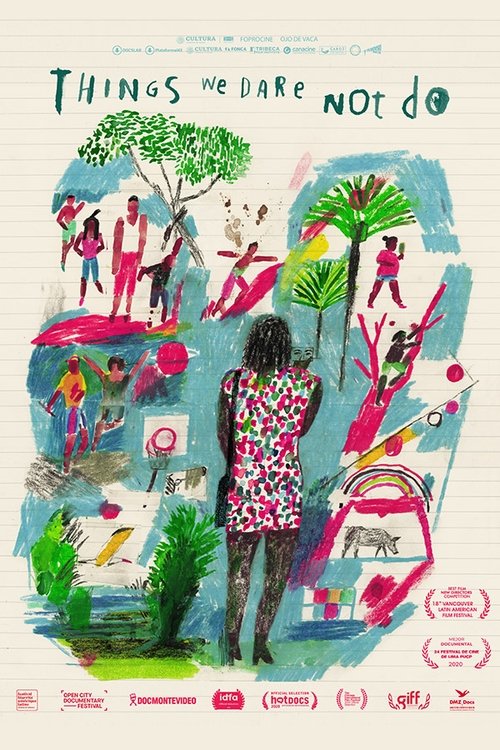
In the small Mexican coastal village of El Roblito, 16-year-old Ñoño lives what seems to be an idyllic existence with his loving family. But he holds a secret. Defying gender norms, Ñoño works up the courage to tell his family he wants to live his life as a woman, a fraught decision in a country shrouded in machismo and transphobia.
Things We Dare Not Do
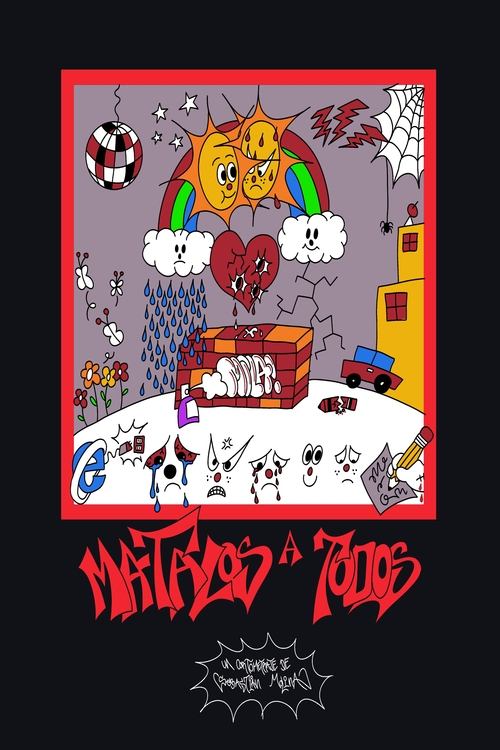
Mila and María are two teenagers who get to know each other through video correspondences they send to each other. One day, they arrange to meet in person.
Kill 'Em All
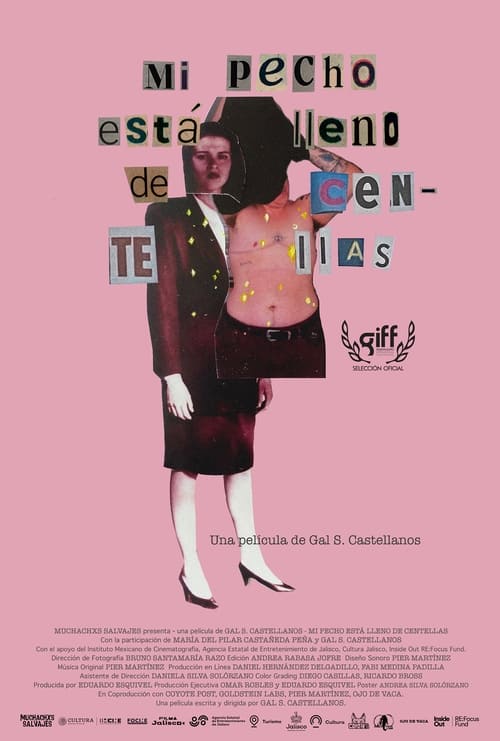
Life doesn’t always go as planned. After the death of the family patriarch, mother and child go separate ways to find themselves—she crosses the ocean to pursue the singing career she left behind, while filmmaker Gal realizes they are transgender—in this collage of video diaries. "My father dies. Days later, my mother escapes to Turkey to meet her secret Facebook lover. I suggest to my mother that we communicate through video letters. My mother, who gave up singing to raise me, finds freedom for the first time away from home. The video correspondences reveal our attempts to see each other through a shaky emotional journey. Alone, while filming this movie, I realized that I want to transition gender and change my name. An extraordinary journey of self-discovery, a mother and a child who always wanted to be more."
My Chest Is Full of Sparks
No description available.
Todas las hojas son del viento
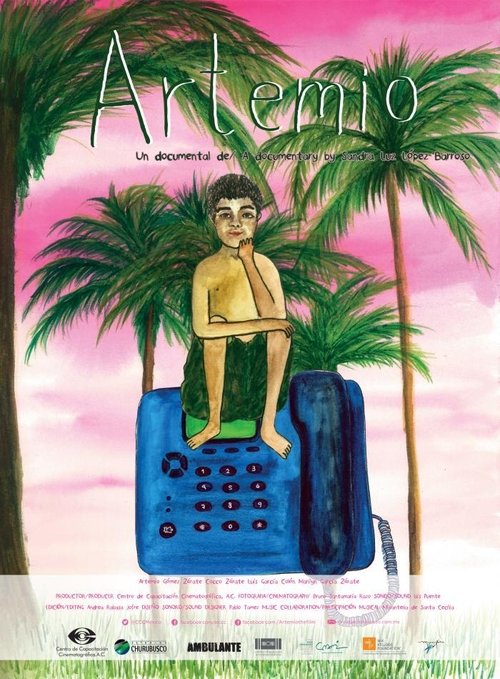
Artemio was born in U.S.A. Now he lives in a small town in Guerrero with his mother and his new family. Despite his roots in Mexico, he still doesn’t feel like a part of it. Together, they will show us a reality where the distance from those they left behind will come to life in every phone call.
Artemio

After Silvia’s femicide, Yecenia, her cousin, and one of the ñomndaa weavers from the Prairie of Flowers, create a ritual and poetic mourning alongside other weaving women. The ñomndaa women share ancient wisdom about their profession as weavers, rooted in breathtaking myths and the foremothers’ real life experiences. The elders decide that the only way to proceed is to look forward to the future, taking care of the young children left behind after their mother’s murder. Yecenia speaks through the radio, urging her local community to adopt new words, such as femicide, into their local tongue. Through this ritual, threads, dreams, and their craft are collectively woven together as an act of healing and resilience. In Prairie of Flowers, the act of weaving opens up to become an act of resistance in its own right.