Doris Chase
Directing
Known For
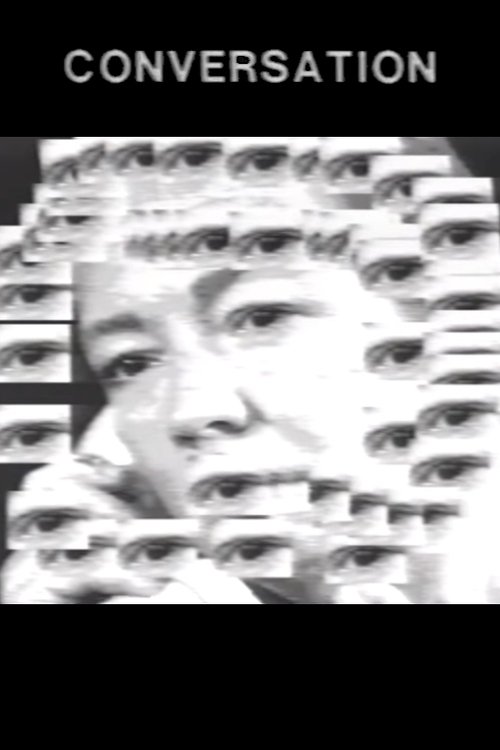
Multiple overlapping images combine with still-frames of an amorous Puerto Rican filmmaker's telephone conversation with a repairman, coincidentally also interested in film. Written by Lee Breuer and performed by Ruth Maleczeck, both of Mabou Mines theatre company. Music by Bob Telson.
Conversation
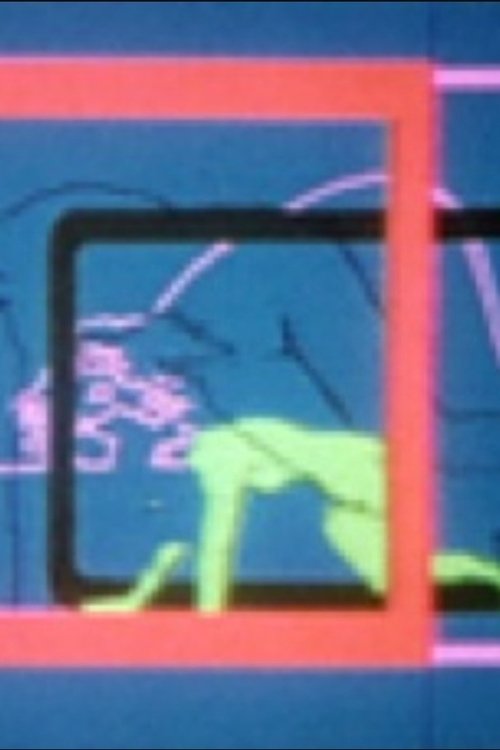
The human form is used in composition with geometric form in an exploration toward a third dimension through juxtaposition of color and line.
Dance Frame
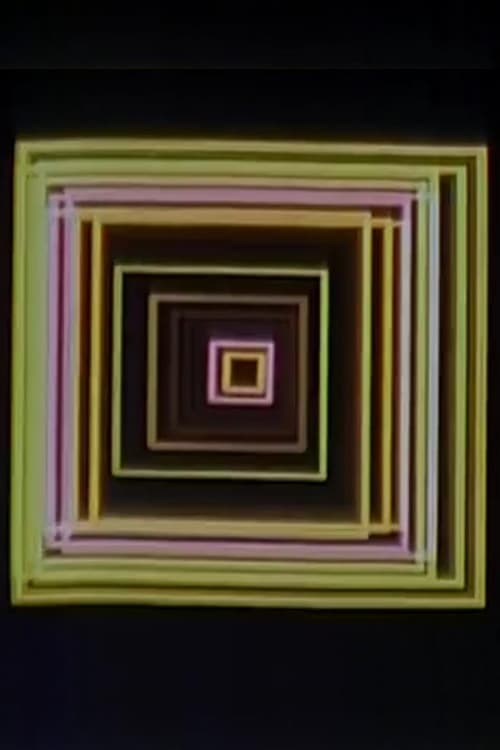
An abstract computer-generated film. The image is of squares revolving in space around and through each other. Colors and forms multiply and divide against a beautiful symphonic score by George Kleinsinger.
Squares
Part of the By Herself series of individual dramas created for Channel 4, A dancer explores the emotional moment when two former lovers, separated by their profession, meet again.
A Dancer
Bartok is played by the superb musicians of the Philadelphia Quartet. Technical collaboration on optical effects with Robert Brown. Original taping with the direction of Steve Welch was done at N.E.T. in Seattle, Washington.
The Philadelphia Quartet
A documentary displaying the use of a set of SCULPTURE FOR CHILDREN in a New York City classroom. Children ages six to nine years were filmed while playing and learning. Sculpture was designed by Doris Chase and is based on kinetic work originating in the field of dance.
Sculpture for Children
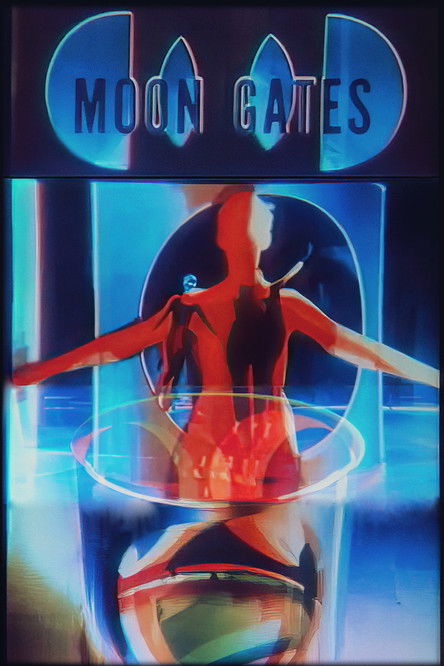
A dance film based on kinetic sculpture and employing the Mary Stanton Dance Ensemble. Through the kinetic sculptures, made specifically for the choreographer, move dancers each appearing in separate monochromatic images of cyan, yellow and magenta. When touched, the sculptures move lightly, taking on the quality of mobiles. Dance and sculpture, kinetic within their own forms, are combined to create new dynamics between people and forms in motion, in bold primary colors.
Moon Gates III
A video animation "commercial" on body movement and self awareness. Charming musical score of George Kleinsinger gives a "sing-along" pattern for dancers Lloyd Ritter and Kei Takei.
How Do You Feel?
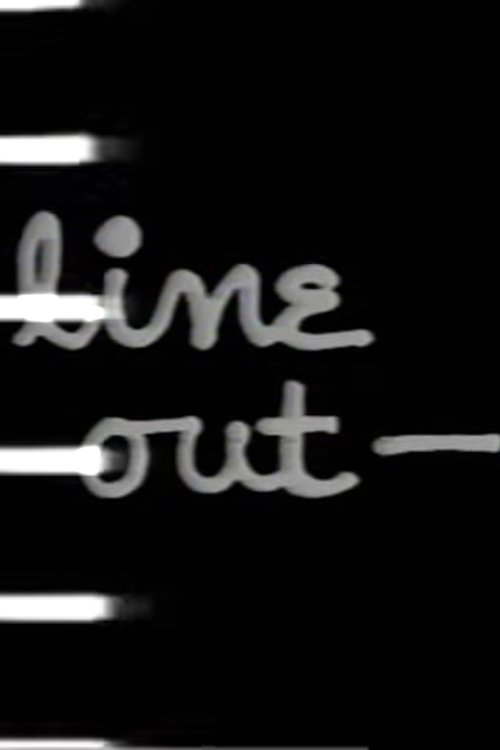
Chase fuses undulating lines with undulating an disco sound.
Line Out
A dance film, one of a series of three, based on the kinetic sculpture designed by Doris Chase for ballet and commissioned by the Seattle Opera Company. Filming was done in the Avery Court of the Wadsworth Atheneum, Hartford, Connecticut. The film explores new dimensions in color and space.
Rocking Orange III
From the Video Sculpture series.
Moon Redefined

No description available.
Tall Arches
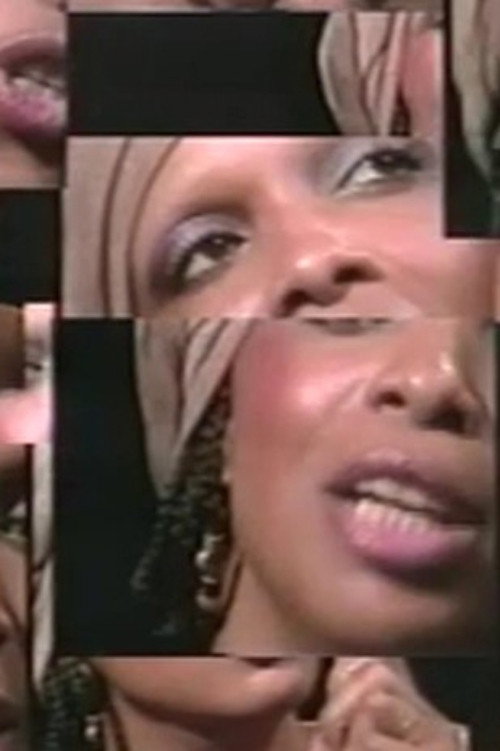
It renders poet Jessica Hagedorn’s views of “some of the harsh and beautiful realities of city living” for women in a man’s world. Hagedorn’s poetry is musical, pungent and gutsy. The visual artistry of Doris Chase emphasizes different aspects of Hagedorn’s lyrics. Images are dissected, quartered, washed with memory wipes that support and underscore the image and poetic meaning.
Travels in the Combat Zone
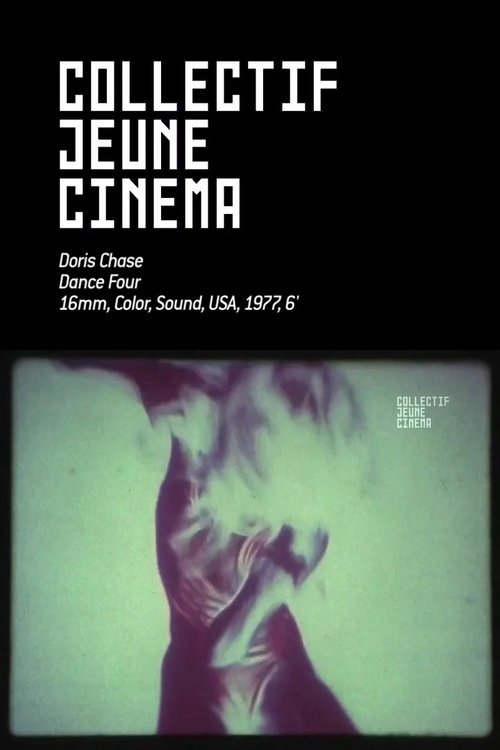
No description available.
Dance 4

Set to an Albinoni score, Chase hypnotically manipulates line and block patterns.
Dance Twelve
A duet of Jonathan Hollander, choreographer-dancer, and a video synthesized image of one of the "Chase Kinetic Sculptures for Dance." The original synthesized image was generated with the assistance of Steve Rutt.
Dance 10

"It's an experience a bit like peering through uncurtained windows at dusk. Chase puts this personal account together, not of fame or fortunes made or missed in the Chelsea, but of how creative people live together." – Karen Jaehne
The Chelsea
From the Video Sculpture series.
Rising II Radar
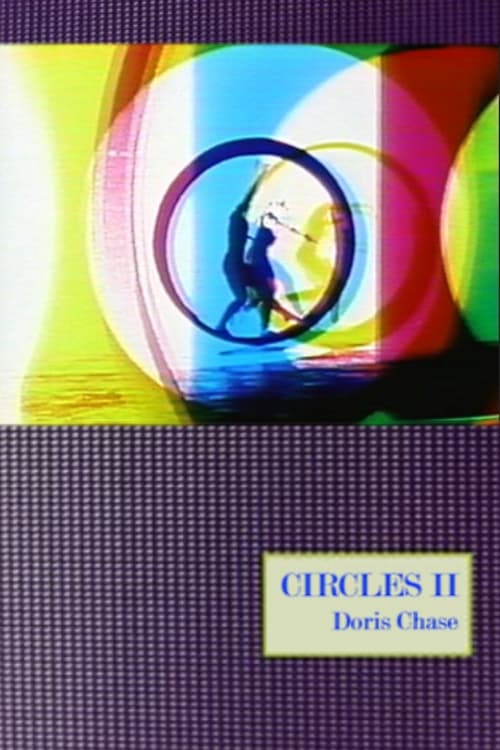
A dance film that explores new dimensions in color and space. The film develops like a fugue, with dancers (and giant undulating circle) moving through repeated themes and variations; All the while Brown and Olvey's dazzling color and printing effects electrify the viewer.
Circles II

A videotape-to-film transfer based on the solo dancing of Marnee Morris, of the New York City Ballet. Once again, Doris Chase has not merely documented the performance but transformed it into what she describes as a "moving painting." Through special color video effects of feedback, de-beaming and superimposition, she creates an evocative visual interpretation of the dance. We see the dancer from different points of view simultaneously overlapped, most often contrasting close-up and full figure shots.