Julián D'Angiolillo
Directing
Biography
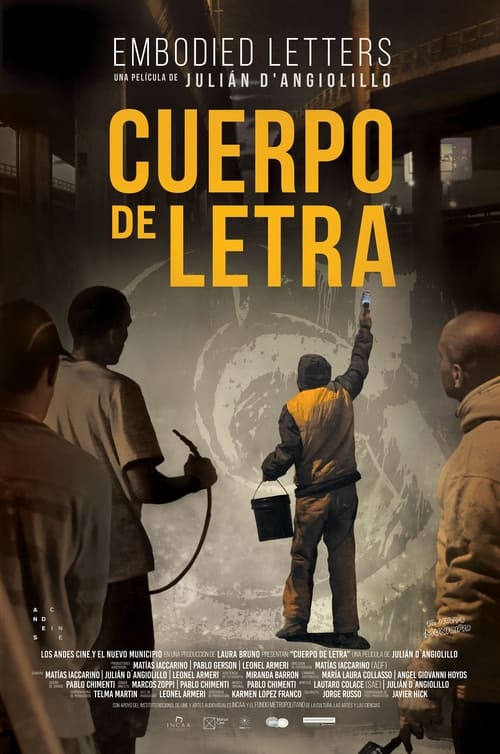
Julián D’Angiolillo (Argentina, 1976) holds a Bachelor’s degree in Visual Arts (UNA) and graduated from the Pridiliano Pueyrredón Fine Arts School and the Dramatic Arts School. He made the features Embodied Letters (2015) and Hacerme feriante (2010), and such shorts as Autosocorro and Suite Matanzas. His work has been shown at museums and local and international festivals.
Known For
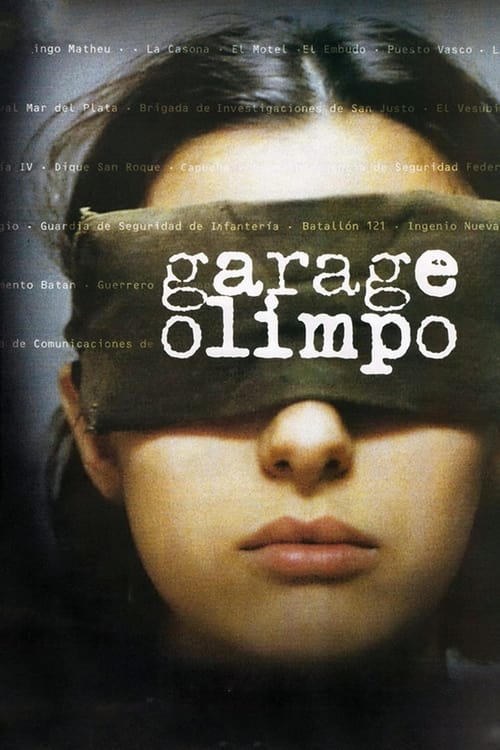
María is eighteen years old, she lives with her mother in an old house in Buenos Aires in 1978, subletting rooms and giving classes to poor illiterate adults. Suddenly she is abducted by a military squad and finds herself accused of subversion and submitted to torture in the hideous underground of the Garage Olimpo, while her mother desperately tries to find her.
Garage Olimpo

It tells the story of orphans forced to work on a farm run by Colonel Juan Ignacio de Cabreras and Marga. Belén, through the book recommended to her by Tok and the Wise Old Man, meets Alejo, who lived with a boy named Felipe. One of the girls, Camila, secretly met with Felipe every night. But the colonel was interested in a cave containing very expensive diamonds, until finally, the diamonds belong to Belén. It's a story full of magic and song.
Chiquititas: Rincón de Luz
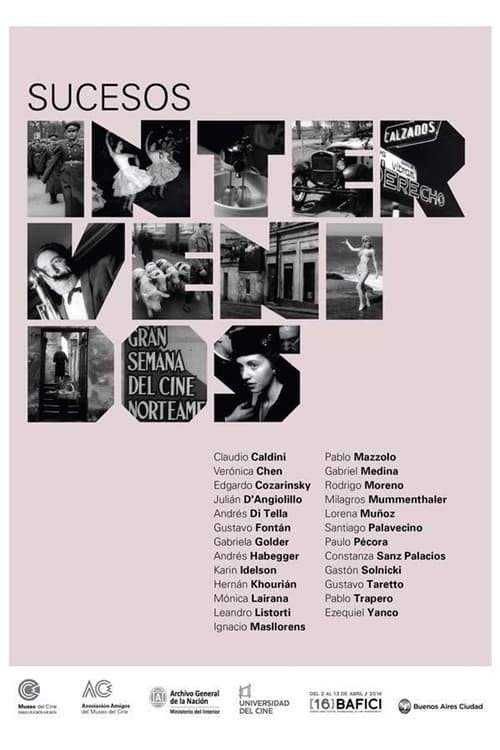
The omnibus feature SUCESOS INTERVENIDOS consists of shorts by a who’s who of Argentine documentary and experimental-film giants, including Edgardo Cozarinsky and Gustavo Fontán but also Claudio Caldini, Andrés Di Tella and Gabriela Golder. Each one of them created a piece of a few minutes in length using archival footage from SUCESOS ARGENTINOS (“Argentine Events”), a popular newsreel series from 1938 to 1972 whose episodes have recently begun to be digitized by Buenos Aires’s “Pablo C. Ducrós Hicken” Film Museum.
Intervened Events
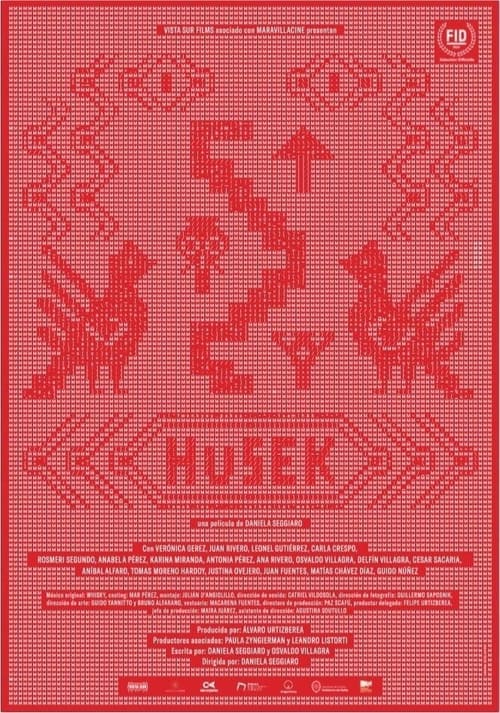
Set in Santa Victoria, Argentina, this 2SLGBTQ+ supernatural docu-drama tells the story of a Wichí community facing displacement, along with their efforts of retaliation, at the hands of a negligent government’s plan for urbanization.
Husek

In the 90s, members of the Wichí community of Gral. Mosconi, northeast of the province of Salta, searched for evidence and prepared the necessary arguments to face a judicial dispute that required them to demonstrate with evidence the possession and ownership of their property. territory. Indian Path is built from filming and testimonies generated at that time by the community itself, which introduce us to that complex process where, beyond the legal, the Wichí of Misión Tolaba put into play the ancestral notions of belonging to nature that give life and sustenance to mountain civilizations.
Senda india

In his previous films, Hacerme feriante (2010) and Embodied Letters (2015), Julián D’Angiolillo managed to go deep inside two universes that, even though they take place in front of everyone, remained invisible and inscrutable, as though they were subterranean—that of La Salada fair and of the authors of political graffiti in walls. For Ongoing Cave, his third work, the director goes back underground, this time in a literal manner, in order to reveal the mysteries of speleology, the science that studies caves and caverns. Italy, Slovenia, Cuba; antiwar bunkers; an exploring, revolutionary ballerina; an electronic party in which the stalactites and stalagmites dance under the flashlights. Everything is part of the ecosystem of tunnels and people that D’Angiolillo connects on screen, through images in which what lies still comes to life.
Ongoing Cave
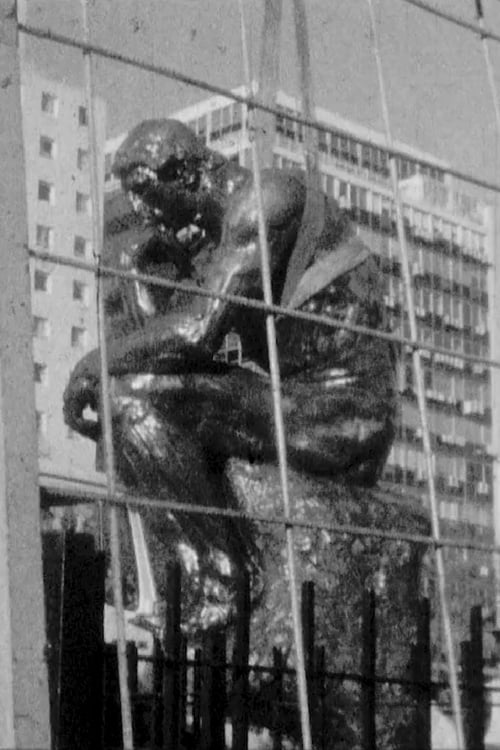
"Julián D’Angiolillo’s Transplante accompanies the return of Rodin’s monumental sculpture The Thinker to its place in the Plaza del Congreso in Buenos Aires after its restoration. A large deployment of personnel and heavy machinery places two dozen trees and the sculpture on the new pedestal from which it will contemplate with privilege the massive demonstrations in the Argentine capital." —Azucena Losana
Trasplante
No description available.
Cuerpo de letra
La Salada is an informal fair for clothing and other products, located not far from the City of Buenos Aires. It moves millions of dollars a month and more than 5,000 people work there and many more go shopping every time it is open.