Theresa Jessouroun
Directing
Biography
Theresa Jessouroun is a Brazilian filmmaker and screenwriter. Born in Rio de Janeiro, she graduated in History at PUC-Rio in 1978. But the following year she started working in cinema, bol as a continuity artist, scene photographer and editing assistant.
Known For

In this documentary Coutinho examines the plight of the people who live off the waste of the Brazilian cities. These people make their living by scavenging the immense urban garbage dumps searching for whatever they can find to sell as well as whatever they can find to eat.
The Scavengers

No description available.
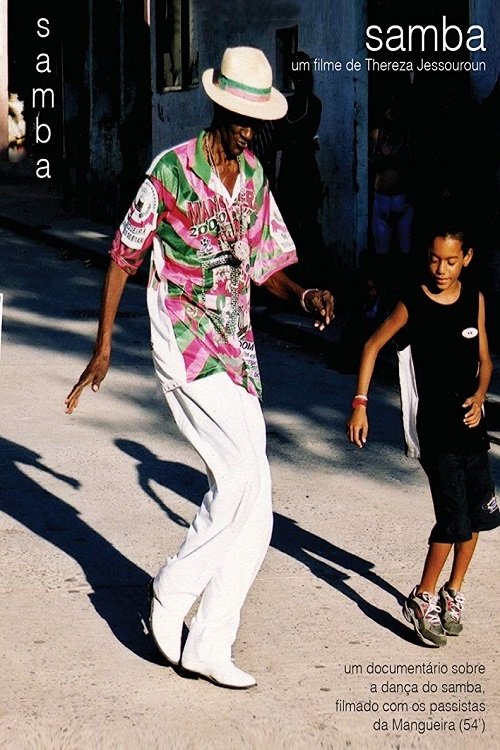
Samba

It is a documentary about the trajectory of the liberation of the Brazilian woman's body and exposes the differences of this trajectory to white and black women. The film presents interviews, archive images that illustrate some of the factors that contributed to this liberation in Brazil - such as music, dance, fashion and the contraceptive pill - and proposes a discussion about feminism through the deconstruction of the masculine. The film incorporates fictional scenes where men do not realize their macho and racist behavior and full of class prejudices, rooted and accepted by society.
O Corpo é Nosso!

No description available.
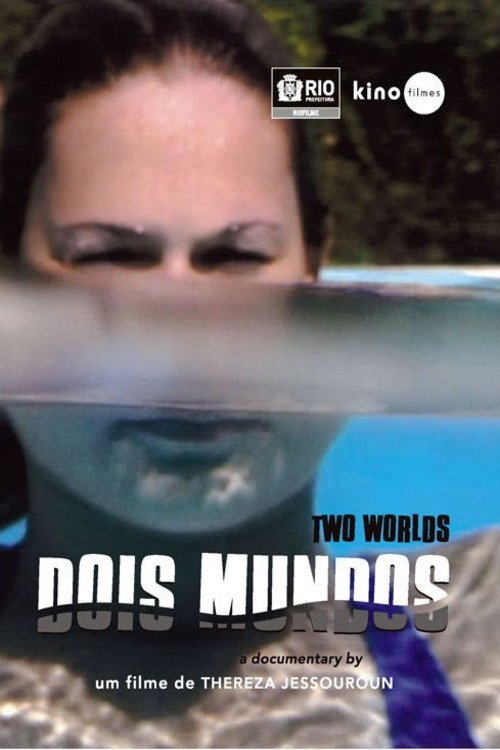
Dois Mundos

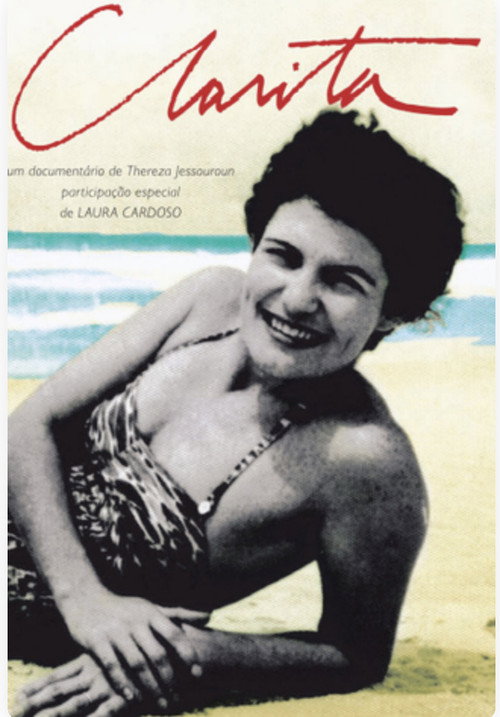
Narrated in the first person and based on the story of the director's mother, who suffered from Alzheimer's disease, the documentary presents reflections and questions about the meaning of life and coping with death. The documentary alternates between footage filmed with her mother and reenactments featuring actress Laura Cardoso.
Clarita

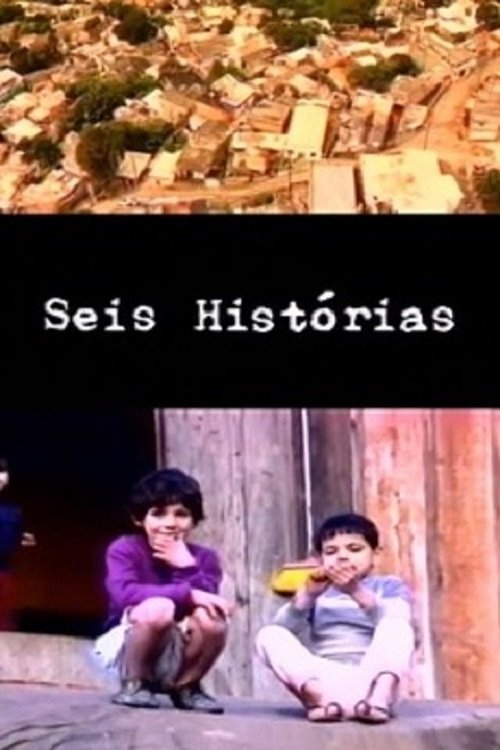
Six stories of children and adolescents who had their rights violated, and the reality of the Rights Councils and Guardianship Councils (newly created in 1995) of two Brazilian cities, Blumenau and Belo Horizonte.
Seis Histórias

Point Blank is an investigative documentary on police violence and corruption perpetrated in Rio de Janeiro in the past 20 years. It vividly portrays the most emblematic incidents that occurred during this period through the perspective of family members, witnesses, survivors, and other people who were directly involved in such cases. The film starts with the notorious Vigario Geral Massacre of 1993 and culminates with the executions ordered and carried out by law enforcement agents in 2012 and 2013. These brutal facts are presented based on witness reports that reconstruct the memory of the few who survived the slaughters.
À Queima Roupa

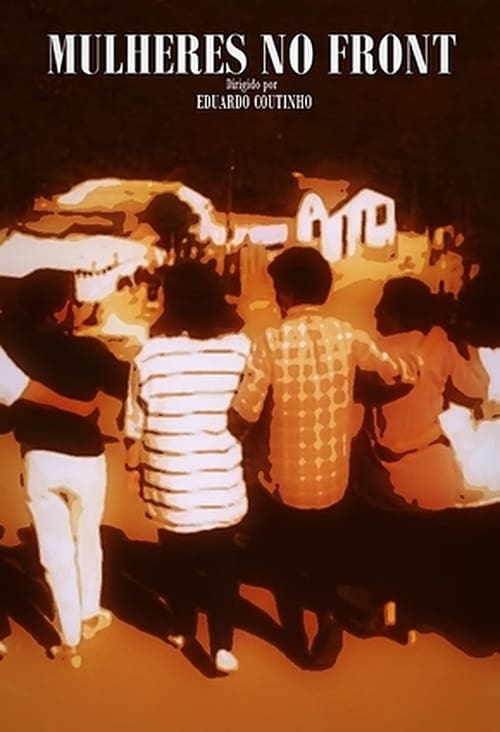
Three stories of female action in social movements, close in their struggle but distant in the geographical space: the Jardim Uchôa Residents Association, in Recife; the Rancho Fundo Residents Association, in Rio de Janeiro; and the Popular Legal Prosecutors group in Bom Jesus, Porto Alegre.
Mulheres no Front
No description available.
Fim do Silêncio

No description available.
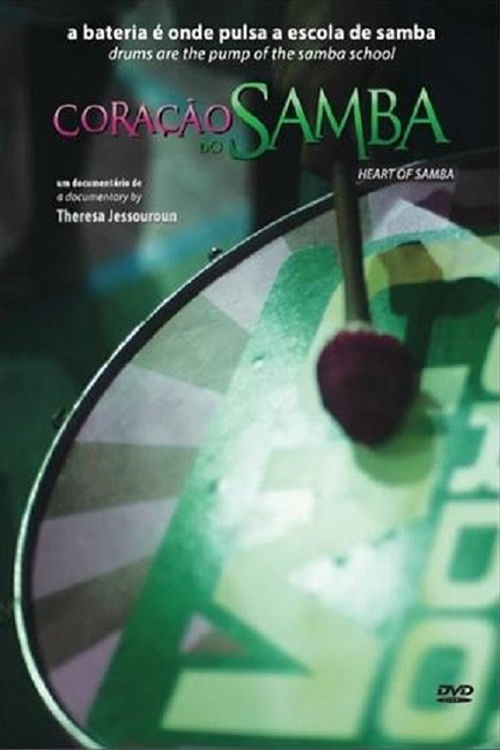
Coração do Samba

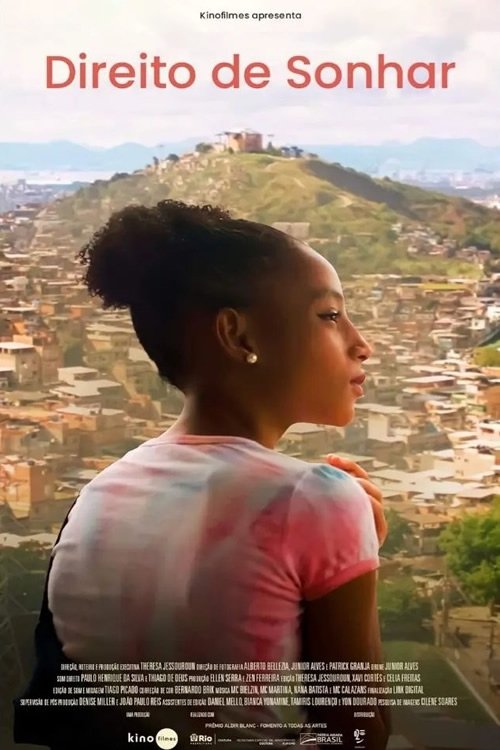
From the perspective of people who live in Complexo do Alemão, the largest favela in Rio de Janeiro, Direito de Sonhar reveals how the absence of the State in Brazil, violence, racism and difficult access to education and culture affect lives and dreams of children and young people and what alternatives they create to overcome these challenges, which reveals their fight for their rights as citizens. The documentary shows the difficult reality of Brazil's favelas, unknown to most of the world.
Direito de Sonhar

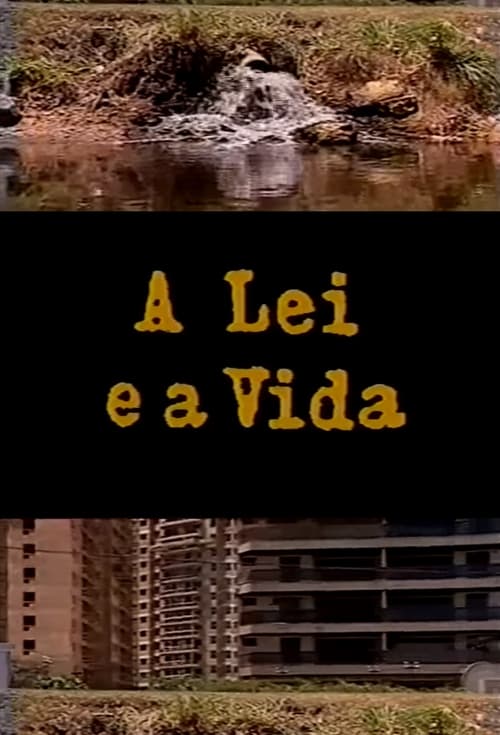
Medium length film on environmental protection in the 1988 Brazilian Constitution.