Production
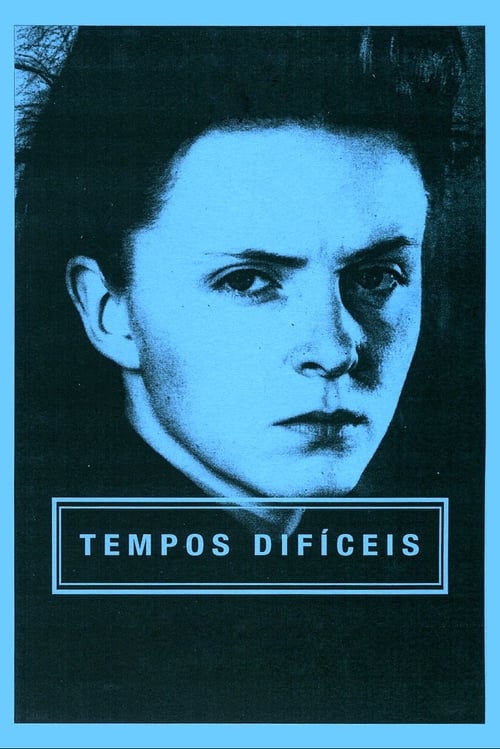
A film adaptation of the Charles Dickens novel "Hard Times" set in a Portuguese industrial town of the 1980s.
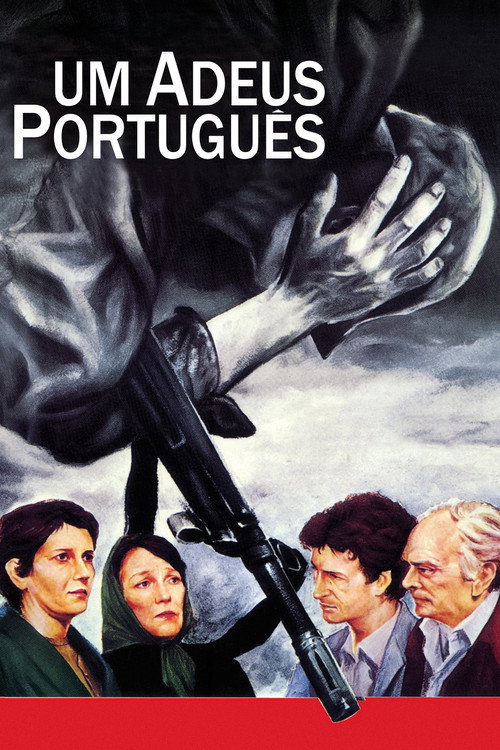
In Africa, during the colonial war, a patrol is lost in the bush and a soldier dies in operation. Twelve years later, in Portugal, the soldier family meets in peace.
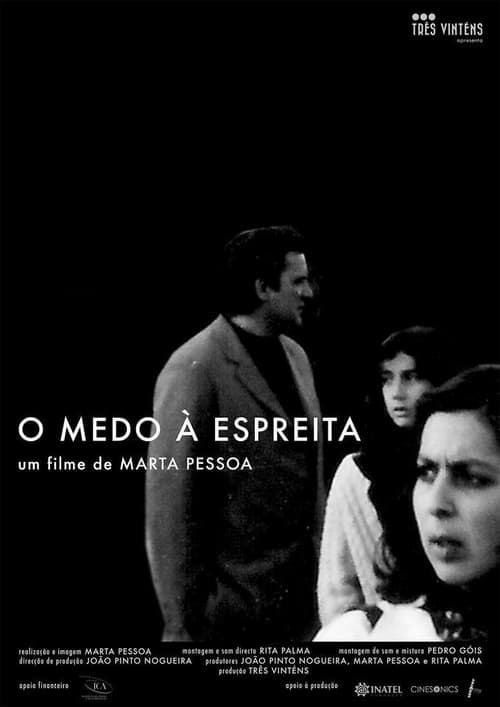
"The Lurking Fear" interviews Portuguese citizens whose lives where hit by the torture of its fascist political police.
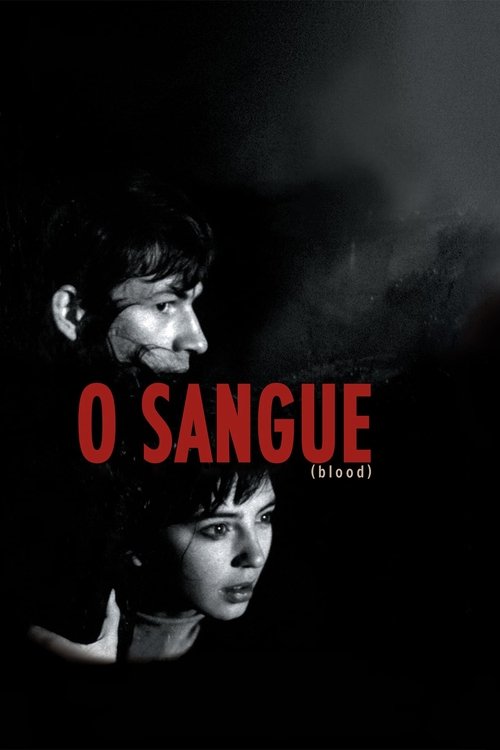
Nino, tough but sickly, and his older brother Vicente live in the country with their father. After their father disappears ― we’re never sure why ― murder is suggested. Vicente brings his girlfriend to the house, and a different kind of family is established as the three youngsters grow fiercely protective of each other. But their uncle grows suspicious about the fate of the missing father and forcibly kidnaps Nino, taking him away to the city and leaving Vicente to locate him there.
Siren's Song is inspired on a story by Júlio Dinis, in an place populated by characters taken from Greek mythology.
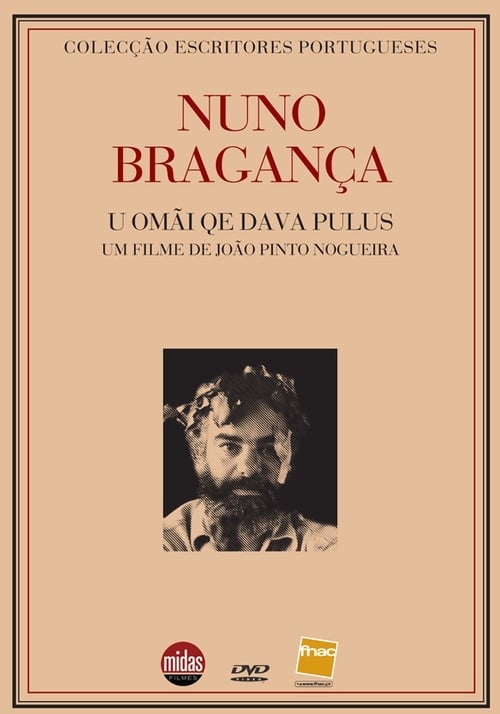
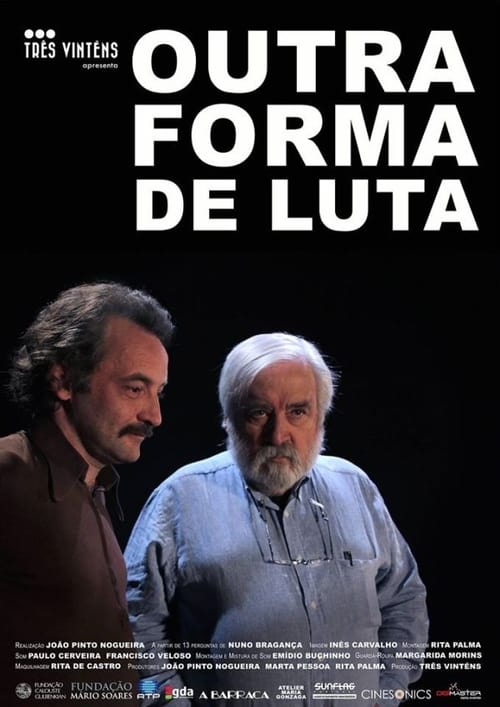
Nuno Bragança. Author of three novels: "A Noite e o Riso" (The Night and Laughter), "Directa" and "Square Tolstoi." A collection of short stories: "Estação" (Station). And a posthumous novella: "Do Fim do Mundo" (From the End of the World). Screenwriter of "Os Verdes Anos" (The Green Years), the inaugural film of Cinema Novo Português, and co-director, with Gérard Castello-Lopes and Fernando Lopes, of the film "Nacionalidade: Português" (Nationality: Portuguese). A Catholic from a conservative family, he was a member of MAR (Movimento de Acção Revolucionária). He joined the Revolutionary Brigades of Carlos Antunes and Isabel do Carmo while working at Portugal's permanent representation to the OECD. On February 7, 1985, he died at the age of 55 in a hotel room in Lisbon. Nuno Bragança, who was he?
Lisbon by night, through the eyes of a young woman who lives freely, and a neighbour who follows her everywhere, from a distance.
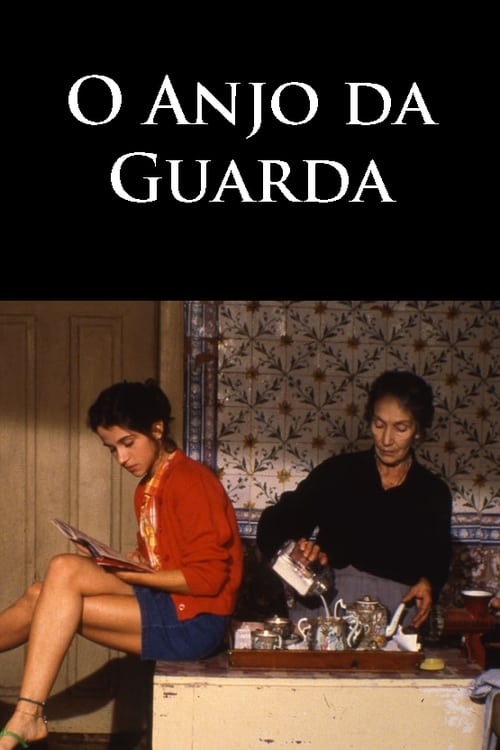
Lúcia is an independent woman who lives alone in Lisbon. Her father commits suicide leaving her a message on phone recorder, revealing a letter he wrote. However Lúcia can't find it in her father's house. On that visit she ends up meeting with her mother, a known political activist with whom she has a distant and tense relationship. In hope of finding the letter, Lúcia leaves to the farm where she grew up, on an isolated location. There she reencounters Álvaro, an old childhood companion, who shares a little life time he has left between roses and the piano, and the guardian angel that follows and protects her through nocturnal wanderings.
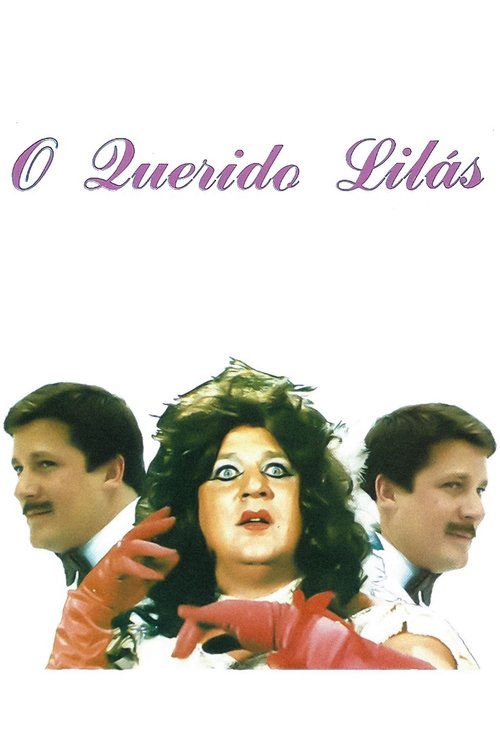
Beladona was the greatest star, or so she thought. Careless of her rural property, she lived by night countless adventures. From one such nights in the arms of a stage and movie producer, she begot her dear Lilás. Alas, six minutes after birth, the boy was taken from her and declared dead - due to the intrigue of the producer, who didn't want to recognize the child as his. Taken into custody by a surrogate mother, twenty years after the child grew into a man, who starts his education in the very fado (folk song, also meaning destiny) tavern where his real mother is. Beladona is still an attractive woman - and drama is round the corner.
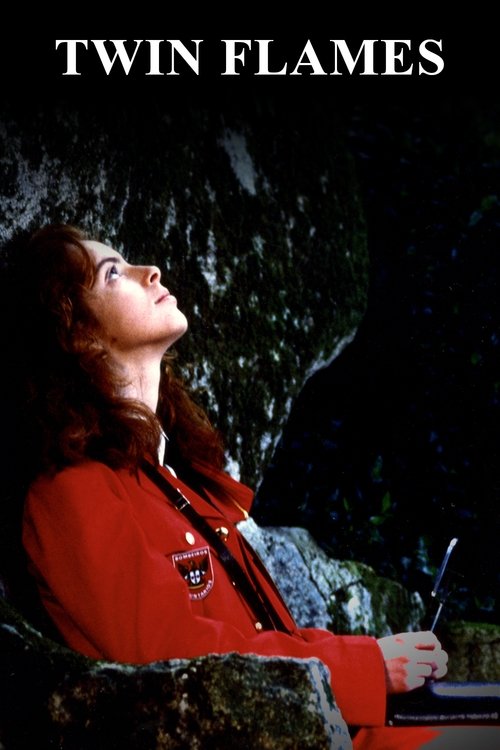
Redheaded twins Armando and Beatriz always dreamed of being firefighters but during a rainy, uneventful winter they find themselves spending less time putting out infernos than they do helping neighbors who’ve locked themselves out of their apartments. This is how Armando meets a pretty young woman with whom he begins a tentative courtship. But soon a rift grows between the siblings and, spurred by Armando’s exaggerated stories about his nascent relationship, Beatriz begins experiencing aural hallucinations that can only be remedied through music and, finally, the love of a stranger. Pinto made this impassioned fairy tale as part of a series of films about the four elements. - FilmLinc
A film that scrutinizes the idea of “soft racism” and how it comes to drink from the exalted Portuguese colonialism. The titular Rosinha is a Guinean native who became the symbol of the first Portuguese colonial exhibition presented by the Estado Novo in 1934. A trip to the past to better understand the present.
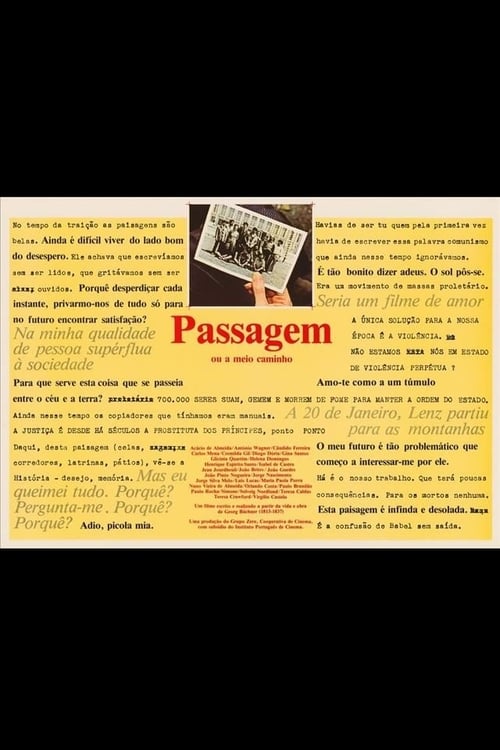
Ambulatory history, freely inspired by Georg Büchner's biography (1813-37) and the reasons that led him first to political intervention and then to strict isolation. With students of unidentified present time (1968? 1970?), the themes developed, in Büchner, are triggered by the publication of "The Messenger of Hesse", a pamphlet addressed to the peasants, urging them to revolt. Their misunderstanding, as well as the repression of the young revolutionaries, leads Büchner to a particularly skeptical and painful attitude...
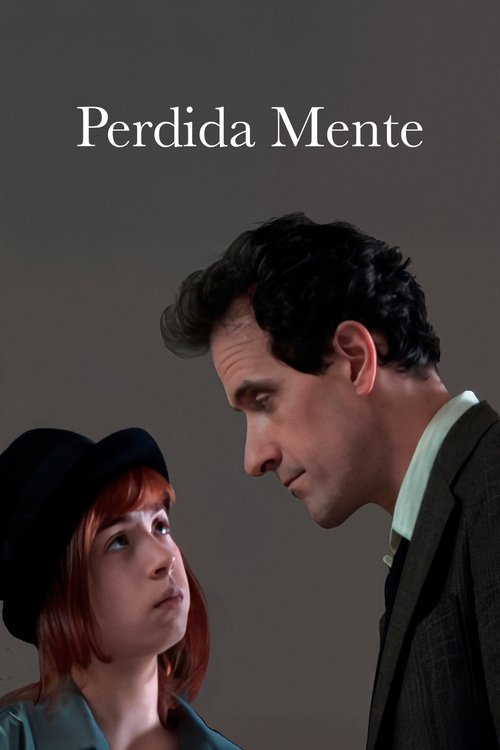
The story of a man who sees his life change radically upon confronting his progressive loss of memory. As his neurological condition advances, it affects not only his own life but the lives of all those who surround him.
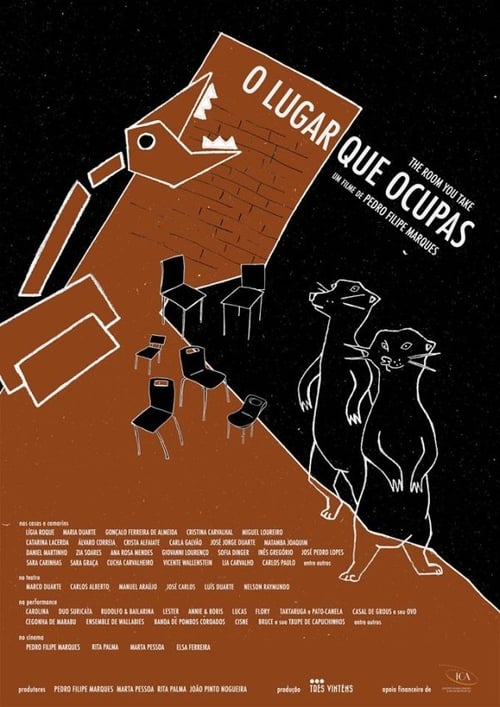
We stare at mirrors as if 'image' was a weapon of self-defense. At night, I hide in actors' dressing rooms for a working class experience. By day, I face an old theatre being razed to the ground, making way for a parking lot. Graffitis have curtains, the nose cap of an umbrella arises from a mount of sand. Oh, Happy Days! No need to stage anything! The bulldozer is a dinosaur whose teeth and gracious neck swings by a EU flag. In the boxes, we await the audience. Sometimes, nobody comes. Lost in a symbolic show of reality, I can only watch the world's end because all the endangered species perform and a reflecting labyrinth of life stories breaks through the glass of the Economic Eating Machine. Even when the sky is falling, theatre will always happen. So, choose the right place.
In early 1985, the writer Nuno Bragança hands his friend Carlos Antunes a 13 question’s questionnaire; 13 sheets of graph paper, of which he offered the recto-verso of each for his friend to answer. The questions were about Carlos Antunes’ personal and political career, with a special interest in his involvement in the Revolutionary Brigades and the armed struggle against the dictatorship that led to his arrest in 1978. The untimely death of the writer, in the same year, left the questionnaire unanswered and some uncertainty as to its purpose. After almost 30 years, the director asks Carlos Antunes to answer the 13 questions and to reconstruct the achievements, illusions and sorrows of the Revolutionary Brigades in Portugal, in the years surrounding the Carnations’ Revolution in 1974.