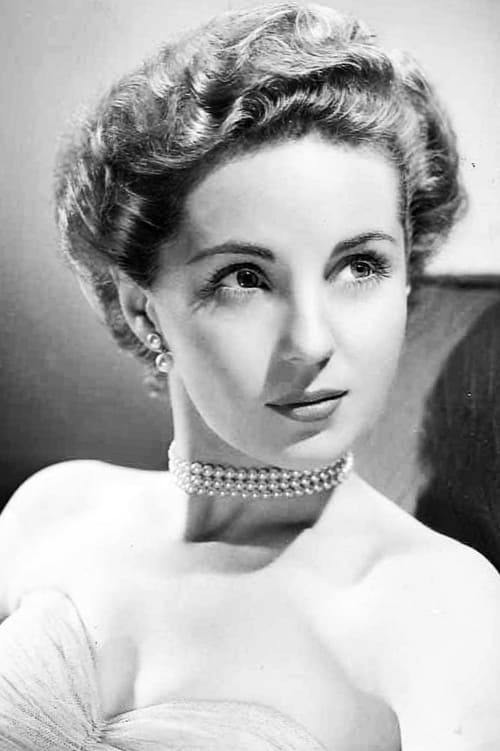
Susan Douglas
Acting
Biography
Susan Douglas Rubes is an Austrian-born actress and producer. She was born Zuzka Zenta in Vienna, Austria, the daughter of Alfred and Charlotte Burstein. When she was young, her parents moved to a ranch in central Bohemia, Czechoslovakia. Her family took her to the theater or opera in Brno, and on occasion, they would visit Zuzka's maternal grandmother in Vienna, who was the manager of the Burgtheater. She began studying ballet at the age of eight. In 1939, her Jewish parents moved to Paris, and a year later Zuzka moved to the United States with her mother to escape the war in Europe. Emigration to the U.S. was allowed on the basis of annual quotas. Charlotte was allowed in the country on the basis of her birth in Italy, because the quota of Italy had not been filled for that year. Alfred moved to London to work for the Czechoslovak government-in-exile. Zuzka learned English (her fourth language) by seeing three movies a day. Under the name Suzi Burstein, she attended George Washington High School in New York. After graduating in 1943, she changed her name to Susan Douglas. Her first name, Zuzka, is Czech for Susan, while she selected Douglas from a phone book. Beginning in 1945, she began a career spanning radio, television, theater and film; she was both an actress and producer. Her 1947 movie debut was in The Private Affairs of Bel Ami. Following the film, she was offered a standard seven year contract by Albert Lewin of MGM, but turned it down to live in New York. Between 1946 and 1959, she appeared on hundreds of television shows, including both the radio and TV versions of the soap opera The Guiding Light. As her character was unmarried and she was pregnant three times during her appearance on The Guiding Light, the producer had her character sick and in an oxygen tent for the first child, and using a wheelchair for the second child, then finally had her character killed off for the third. In 1959, she moved to Toronto, Canada and in 1963, she began introducing plays to schools. She founded the Young People's Theater in Toronto in 1965, with the goal of introducing children to the live theater experience. This was renamed the Susan Douglas Rubes Theater Center in 1977. (It later became the Lorraine Kimsa Theatre for Young People in honor of Kevin Kimsa's mother, after receiving a generous donation from Kevin.) In 1972 she served as associate editor of A Collection of Canadian plays, volume 4. She remained artistic director of the center until 1979, then moved to CBC Television. From 1982–86, she was the head of CBC Radio Drama. From 1987–89, she was president of the Family Channel. She married the Czech-Canadian opera singer Jan Rubes on September 22, 1950, in New York City. That same year the couple appeared together in Forbidden Journey. The couple had three children: Christopher (died 1996), Jonathan, and Anthony. They remained married until his death in 2009.
Known For

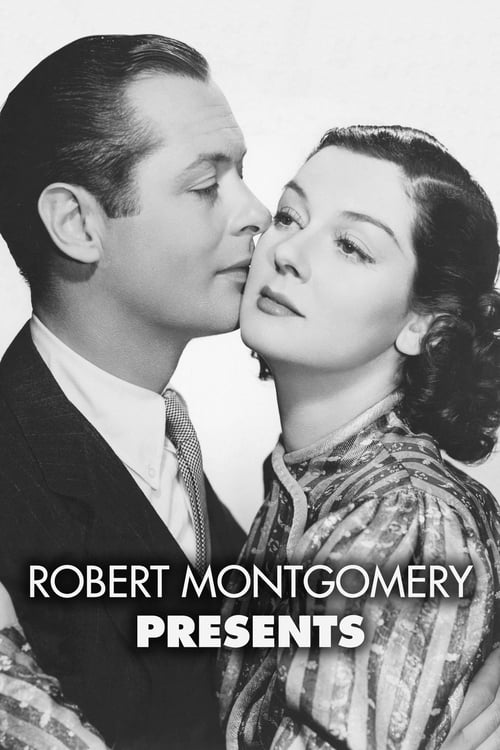
Robert Montgomery Presents is an American dramatic television series which was produced by NBC from January 30, 1950 until June 24, 1957. The live show had several sponsors during its seven-year run, and the title was altered to feature the sponsor, usually Lucky Strike cigarettes, for example, Robert Montgomery Presents Your Lucky Strike Theater, ....The Johnson's Wax Program, and so on.
Robert Montgomery Presents

Constable Benton Fraser, an officer of the Royal Canadian Mounted Police, is attached to the Canadian consulate but works with Chicago Police Department to solve crimes.
Due South

An American radio–television anthology series, created in 1947 by Canadian director Fletcher Markle, who came to CBS from the CBC. Studio One, presented by Westinghouse, was one of the first of the anthology TV programs. The episodes were often abridged remakes of movies from years gone by and many future well-known television and movie actors appeared in the productions.
Studio One

An anthology series adapted from the radio program of the same name. Like the radio program, many scripts were adaptations of literary classics by well-known authors. Classic authors such as Edgar Allan Poe, Agatha Christie, and Charles Dickens all had stories adapted for the series, while contemporary authors such as Roald Dahl and Gore Vidal also contributed.
Suspense

An aging horror-movie icon's fate intersects with that of a seemingly ordinary young man on a psychotic shooting spree around Los Angeles.
Targets

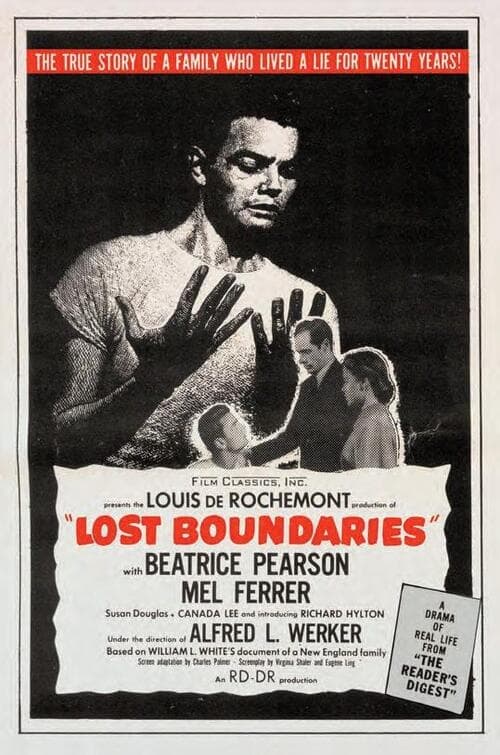
A light-skinned African-American family are "passing" in an all-white New England town. When the truth comes out, the more prejudiced neighbors demand their expulsion from the community.
Lost Boundaries

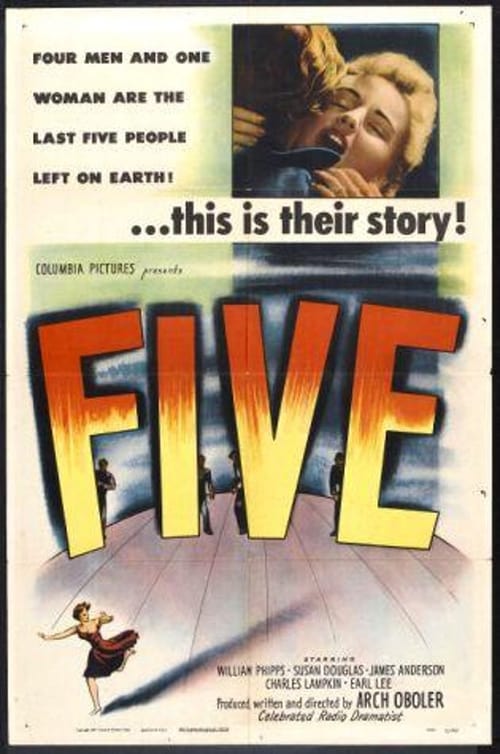
The film's storyline involves five survivors, one woman and four men, of an atomic bomb disaster. The five come together at a remote, isolated hillside house, where they try to figure out how to survive.
Five

A love story involving a Canadian professional hockey player and a hippie folk singer. Their union is tumultuous, as both try to come to terms with their differences in careers and lifestyles. Several National Hockey League players also appear in the film.
Face-Off

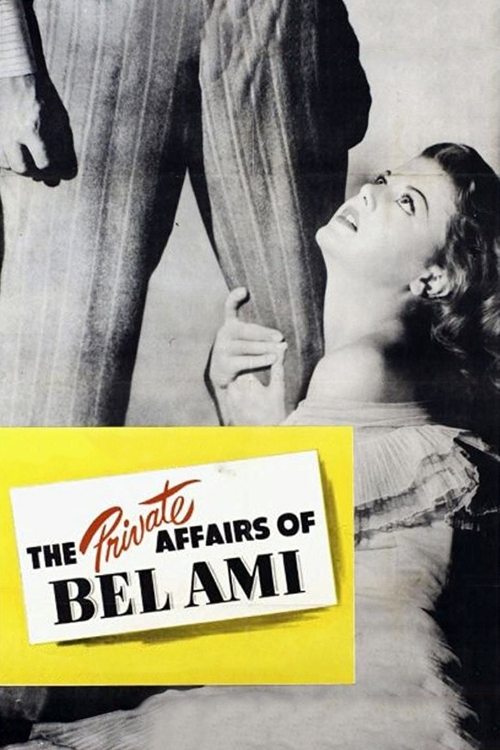
A self-serving journalist uses influential women in late-1800s Paris and denies the one who truly loves him.
The Private Affairs of Bel Ami

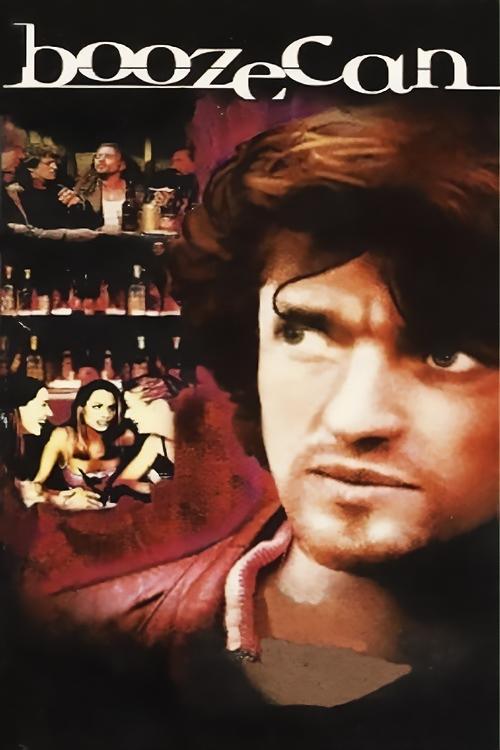
The owner of an after-hours bar dreams of opening a legitimate establishment.
Boozecan

While staying at an inn in a colonial-recreation village for her anniversary, a young woman becomes possessed by her murderous ancestor through an antique mirror and compelled to murder her husband.
Haunted by Her Past

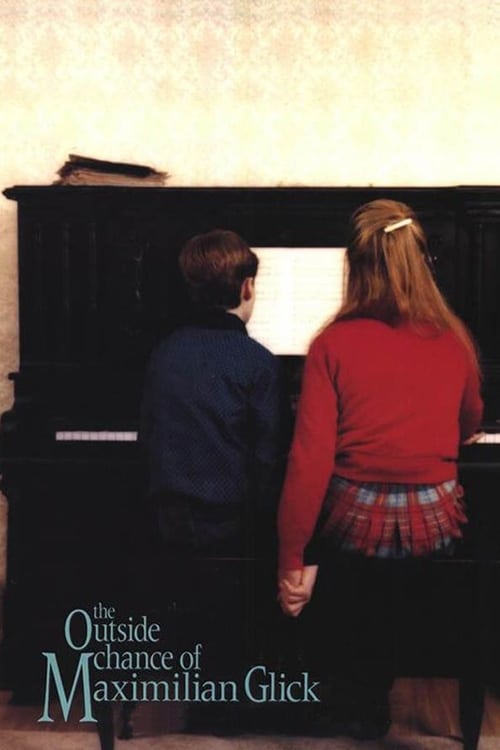
The early 1960s: In preparation for his Bar Mitzvah, a Jewish boy, Max Glick (Noam Zylberman) from a small Manitoba community with an overbearing family tries to navigate his coming-of-age with his family's condescension and bigotry using his sarcastic, Jewish humour. The town's rabbi dies, and a sub-plot develops in which Max's father (Aaron Schwartz) and grandfather (Jan Rubes)-both synagogue leaders-are saddled with a traditional Hassidic rabbi who sticks out like a sore thumb among the otherwise assimilated Jewish community. To make matters more difficult, Max likes a Catholic girl (14 year old Fairuza Baulk in just her third film), whom he later competes with in a piano competition. The quirky, fun-loving rabbi tries to help him with his problems, yet harbours a secret ambition of his own. Filmed in Winnipeg and rural Beausejour, Manitoba, Canada.
The Outside Chance of Maximilian Glick

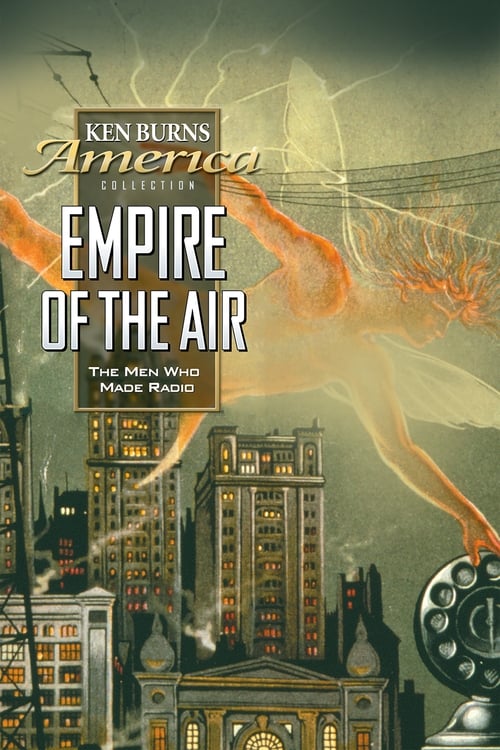
For 50 years radio dominated the airwaves and the American consciousness as the first “mass medium.” In Empire of the Air: The Men Who Made Radio, Ken Burns examines the lives of three extraordinary men who shared the primary responsibility for this invention and its early success, and whose genius, friendship, rivalry and enmity interacted in tragic ways. This is the story of Lee de Forest, a clergyman’s flamboyant son, who invented the audion tube; Edwin Howard Armstrong, a brilliant, withdrawn inventor who pioneered FM technology; and David Sarnoff, a hard-driving Russian immigrant who created the most powerful communications company on earth.
Empire of the Air: The Men Who Made Radio

Joe wants a different future than one as a petty hoodlum and when he attempts to rob an aspiring dancer Noli, he glimpses the possibilities. He imagines purchasing a briefcase as a start but his crime partner is reluctant to let him go.
Something For An Empty Briefcase

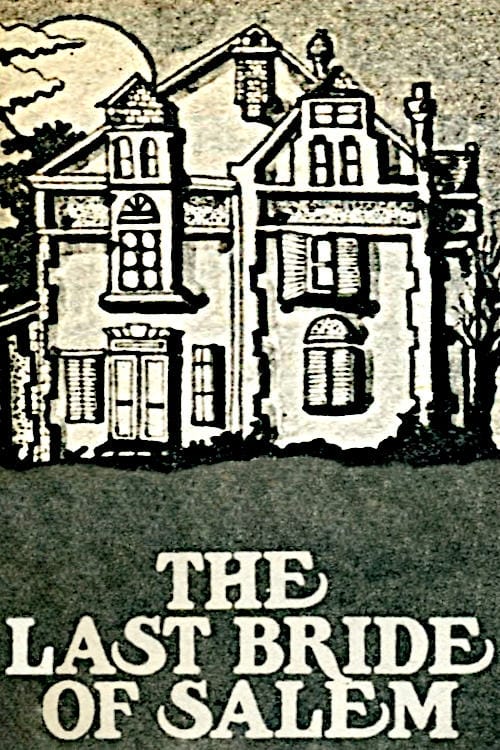
A woman tries to protect her family from supernatural forces who are trying to take control.