Evelyn Campbell
Writing
Biography
American screenwriter, novelist, and actress.
Known For
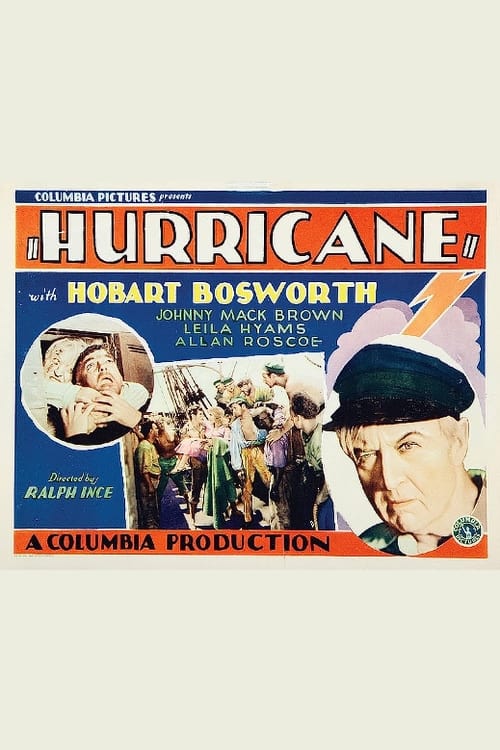
Captain Black and his motley crew of pirates are shipwrecked on a South Sea island, where they hold several shanghaied sailors captive. Black observes the ship commanded by Hurricane Martin approaching and conspires to get his men aboard the vessel and seize the cargo.
Hurricane

Bread is a socially engaged drama which follows the fate of a woman struggling to pull herself out of poverty as she’s ruthlessly exploited by a string of men.
Bread
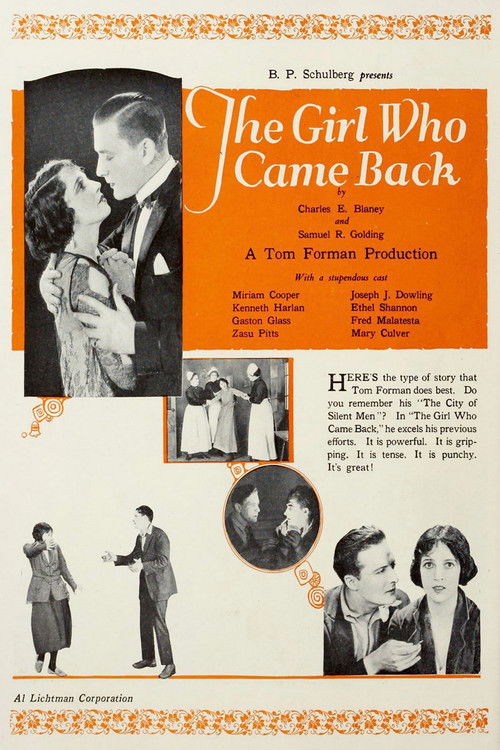
Country girl Sheila goes to work in a city department store. After a quick courtship she marries Ray Underhill, unaware that he is a car thief.
The Girl Who Came Back
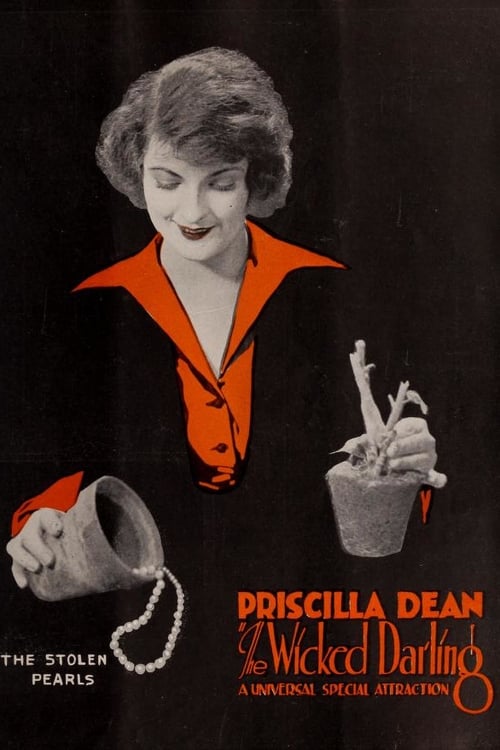
A slum girl is forced to steal for a living. After she swipes a rich society's matron's necklace, she hides out at the home of a man who turns out to be the socialite's former fiance.
The Wicked Darling
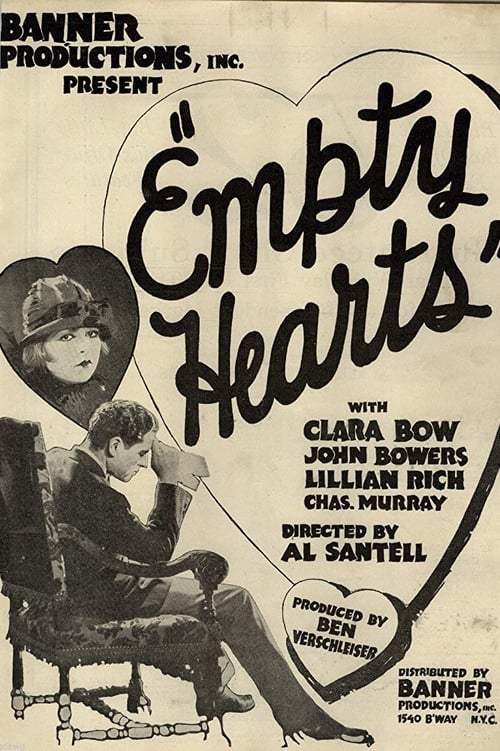
Milt Kimberlin is a down-on-his luck horse owner, but Rosalie, a cabaret performer (the lively and engaging Clara Bow), doesn't care -- she turns down the fancy jewelry offered by oily Frank Gorman for a wedding ring from Kimberlin. Even though his finances never improve, Rosalie sticks by her husband only to sicken and die in a garret. Kimberlin's luck changes almost overnight and he becomes incredibly wealthy.
Empty Hearts

Left penniless after the death of her reprobate father Linda Haverhill procures a loan from John Converse, who is smitten with her. She squanders the money in an attempt to maintain her social position by going abroad. During the journey Linda falls in love with Army Captain Brian Anestry of the United States Army, but foolishly burns her possessions planning to file an insurance claim to tide her over. Arrested, she is involved in a wreck which just might provide an escape for both Linda and Brian from their troubles.
The Gilded Butterfly
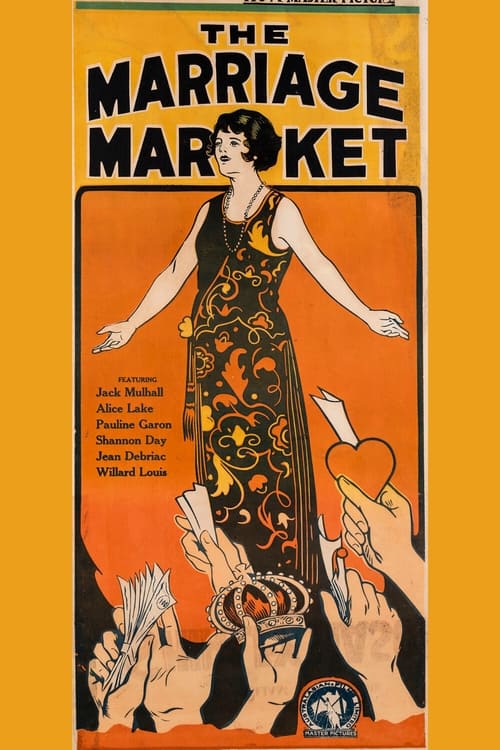
The story of a wealthy young flapper, Theodora Bland (Pauline Garon), and the amorous adventures and misadventures she has after being expelled from a fashionable and costly east-coast boarding school.
The Marriage Market
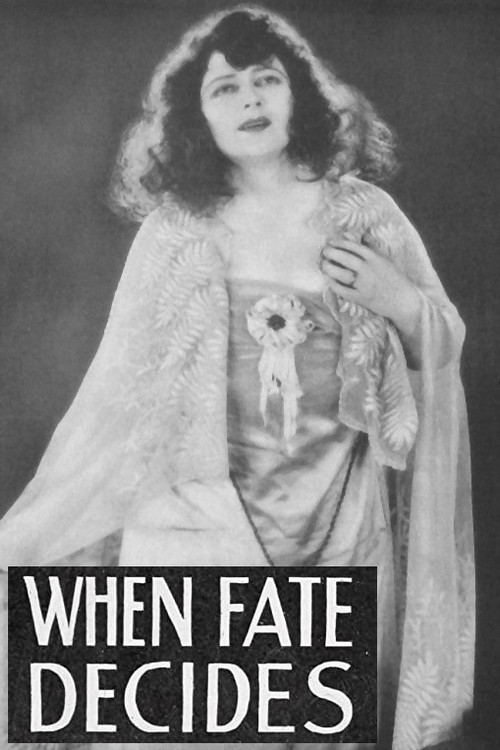
Vera Loudon is unhappily married to the wealthy but profligate Herbert Loudon who openly makes advances to Mrs. Alicia Carteret at a dinner party. Donald Cavendish, a former admirer of Vera's, witnesses her humiliation and advises her to leave her husband, which she is unwilling to do.
When Fate Decides
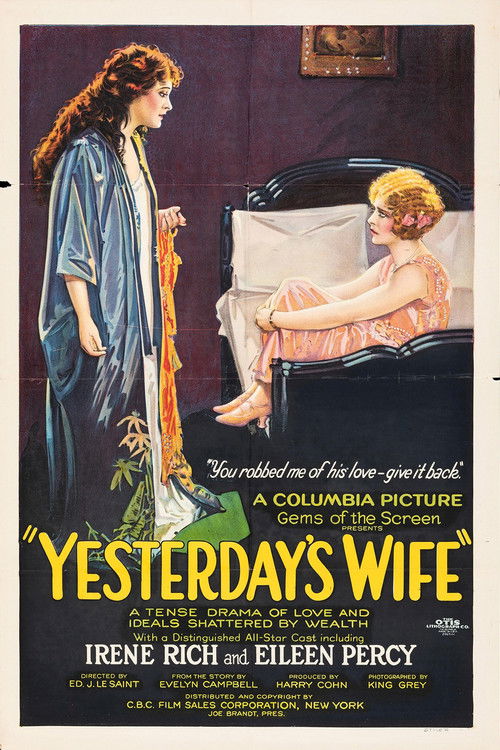
Megan and Gilbert are happily married and expect to be together for life, but an argument over an insignificant issue gets out of control and results in a divorce. Years later they happen to meet at a summer resort, where Gilbert is staying with his new wife Viola and Megan is there as a companion to a rich old woman.
Yesterday's Wife
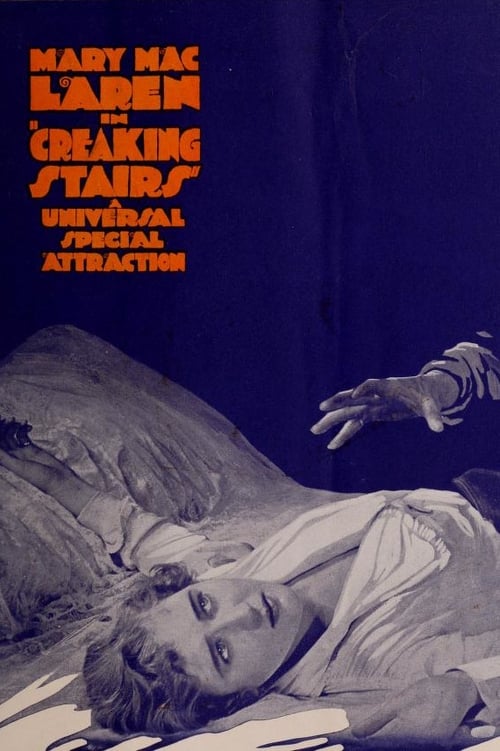
Dearie Lane refuses to marry Fred Millard, whom she loves, because of her previous affair with roué Mark Winfield. When she confesses, Fred forgives her, and they marry and live happily in a modest home until the owner, who turns out to be Winfield, comes to collect a delinquent payment and suddenly dies. Dearie, afraid that the absent Fred will misunderstand, hides the body with the help of a boarder and a cook until midnight when they carry it down the stairs to the countryside, but the creaking of the steps is heard by Fred.
Creaking Stairs
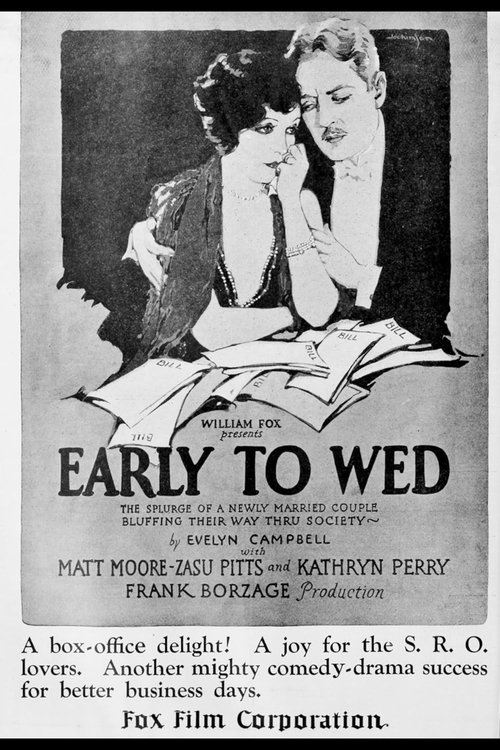
Tommy and Daphne Carter, a young married couple, following the advice of a pretentious friend, decide to impress their friends by appearing to be prosperous. Their efforts end in disillusionment when Tommy loses his job and their furniture is collected for nonpayments. However, by feasting a millionaire with a borrowed dinner and accommodating him for the night in a borrowed bed, they gain his sympathy; and he offers the young husband a substantial position.
Early to Wed
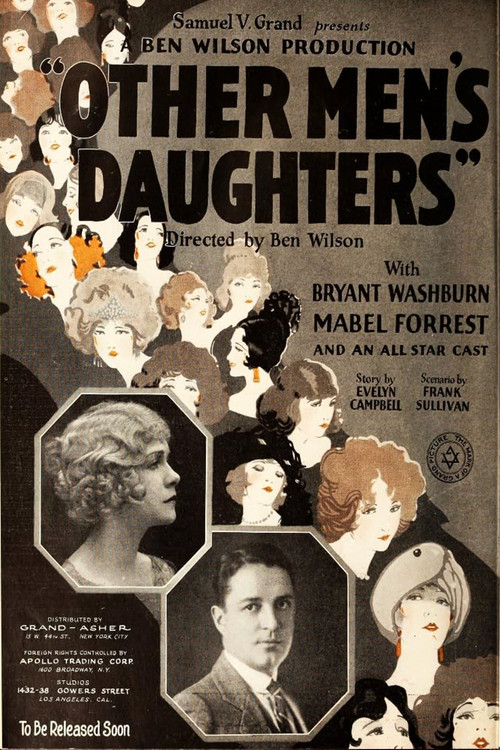
Dorothy Kane leaves home after being denounced by her father, a businessman, who is dictatorial with his family but very lavish to his female companions in the city. Dorothy unwittingly becomes involved with his nightclub friends, Lottie, Trixie, and Alaska. At a dinner party attended by elderly men and young girls, Dorothy meets her father and decides to decry him to Mrs. Kane, but later feels that it would bring much sorrow to her already neglected mother.
Other Men's Daughters
A fancy masquerade party is the scene of a jewel robbery, and later several suspects in the robbery are discovered to be aboard the same train.
Western Limited
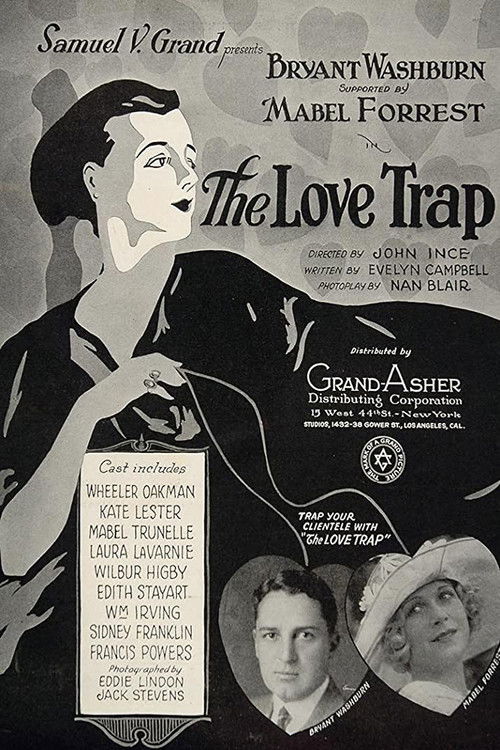
Young society girl Joyce Lyndon is engaged to energetic Grant Garrison, who lures the judge's daughter to a roadhouse for the night and meets his death at the hands of an abandoned wife. Joyce escapes in fright and meets Martin Antrim, who protects her in exchange for an introduction to her circle of friends.
The Love Trap
Jimmy Nevins--once wealthy and now engaged to Doris Standish--is reduced to poverty and jilted by her when he is befriended by Mary Butler, the leader of a gang of crooks.
Nobody's Bride
Former playboy Victor Olney becomes jealous of his wife's love soon after he and Constance are married. He is especially hostile toward Clint Mowbray, a former suitor. When Mowbray implies that there was an affair between Olney and a dancer who was injured at Olney's bachelor party, Constance leaves her husband to nurse the girl back to health. Olney's mother-in-law convinces him that Constance was not unfaithful. They are reconciled when Olney goes to Constance and it is ascertained that there was nothing between him and the dancer.
Mine to Keep
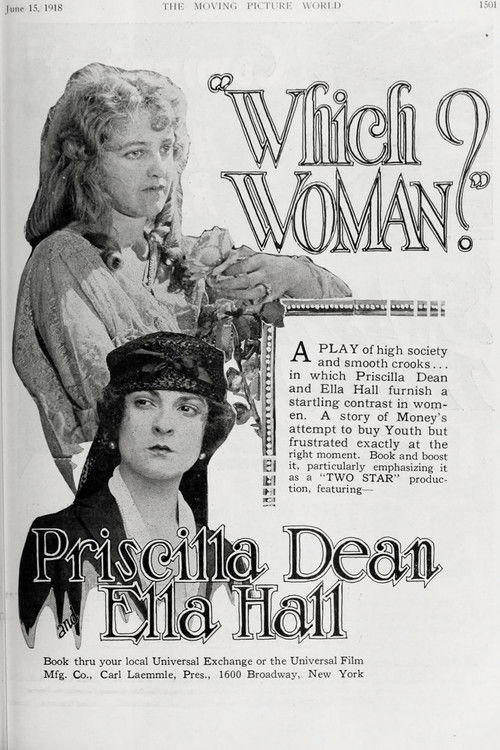
Doris Standish's father insists upon her marriage to aging millionaire Cyrus W. Hopkins, but just before the wedding, the young woman runs from the house and leaps into a parked car, ordering the chauffeur to drive her quickly away. The driver is Jimmy Nevin, who, because Hopkins financially ruined his father, has agreed to help a gang of crooks in their plot to steal the bride's jewels and wedding presents. Realizing that Doris is not Mary Butler, his accomplice, Jimmy offers to accompany her home, but when she refuses to return, he takes her to the thieves' hideout.
Which Woman?

Michael Frazer, newly rich from his invention of a can-opener, has drifted away from Jane, his wife, who persists in her old-fashioned ways. He advises his daughter Marcia to marry "someone congenial so that when love goes you will have common interests." Neighboring architect Jack Ballard obtains the contract to design Frazer's house through the friendship of his attractive wife, Emily, with Frazer. Emily and Frazer become intimate friends, arousing the concern of Mrs. Frazer and Jack Ballard. Determined to teach his wife a lesson and win her back, Jack asks Marcia Frazer to run away with him. She consents but later reconsiders and they return home. Frazer realizes that Mrs. Ballard meant nothing to him, and Jack is reunited with his wife.
Discontented Husbands
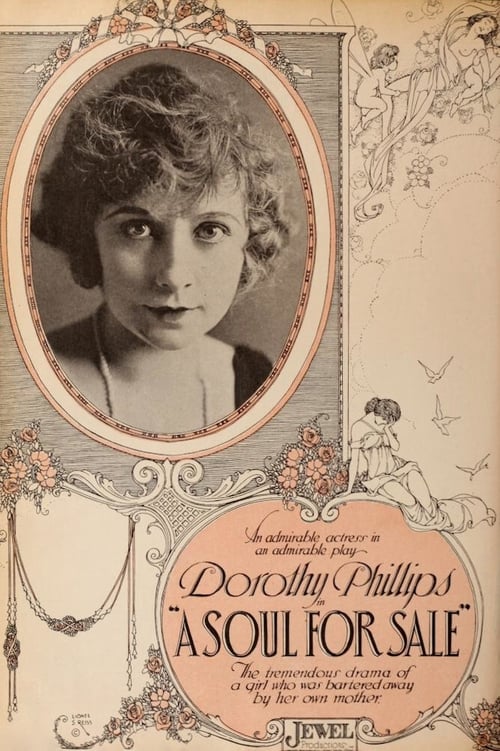
After Neila Pendleton's father dies, leaving his wife and daughter penniless, the avaricious Mrs. Pendleton decides to marry Neila to the highest bidder. At the cost of her daughter's reputation, Mrs. Pendleton accepts money from elderly broker Wilbur Simons, and later tries to force Neila into a marriage with a dissolute old millionaire named Hale Faxon.
A Soul for Sale
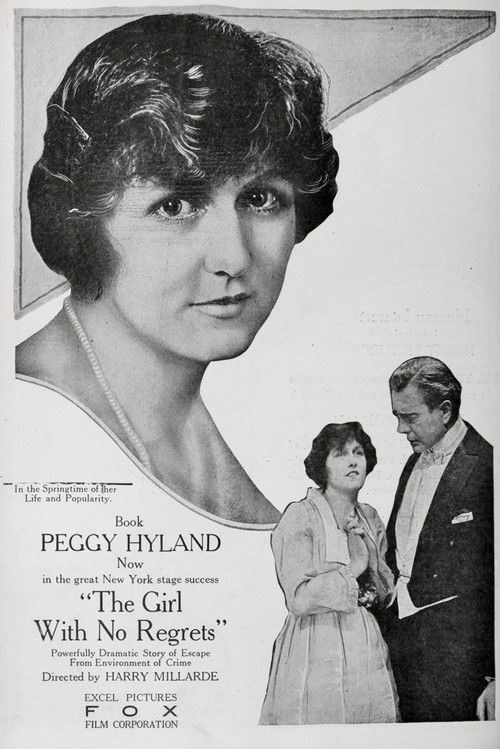
Signa Herrick, a stenographer whose skills leave much to be desired, finds out that her boss is keeping her on only because he's a friend of her recently deceased father. Embarrassed, she leaves her small Wisconsin town for New York to live with her married sister, Janet. She quickly proceeds to get mixed up with jewel thieves, detectives, an alcoholic millionaire and his greedy, scheming relatives.