Kamila Kuc
Directing
Biography
Kamila Kuc is a multimedia artist and writer whose work explores the transformative potential of apparatuses, dreams and memories in the creation of societal myths and narratives. Her films have screened internationally: most recently at the Edinburgh International Film Festival, CROSSROADS, Ann Arbor Film Festival, Anthology Film Archives New York; Studio Gallery, Warsaw; Whitechapel Gallery, British Film Institute, Institute of Contemporary Arts and Visions in the Nunnery, London.
Known For

Ominous cinegrams of Albrecht Dürer’s Melencolia print, intercut, like cascading scythes, with depictions of a woman in a field, evoking repetitions that exist in harvest rituals, as well as in gestures of madness. Specters of familial anxieties creep into this loose take on the myth of Poludnica (“Noonwraith” or “Lady Midday”), a Slavic harvest spirit that could cause madness in those who wandered the fields alone.
noonwraith blues

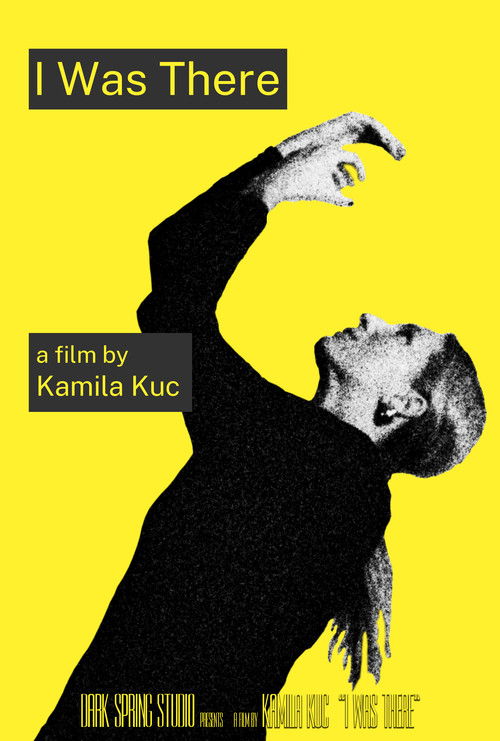
A haunting exploration of familial bonds, intergenerational memory, and the enduring impact of shared narratives. Filmmaker Kamila Kuc steps into the emotional stream of inherited family history as the lines between documentary, testimony, and fiction blur. She performs acts of bearing witness not just for herself but also on behalf of her grandmother. Together, they testify to their experiences and the reverberations these stories have over time. I Was There is a palimpsest - a layered tapestry where past and present intertwine in the intimate process of activating memory and vulnerability as forms of resistance. It honors the testimonial object inherited from ancestors and the living connection that binds generations in the shared pursuit of justice and healing.
I Was There
“Using found family photographs (mostly 35mm slides), I cracked open the family archive to generate imaginative and at times illogical narratives. “The Last Forever” (in collaboration with Polish filmmaker Kamila Kuc) unravels a story of a missing spouse and possible murder." - Scott Stark
The Last Forever

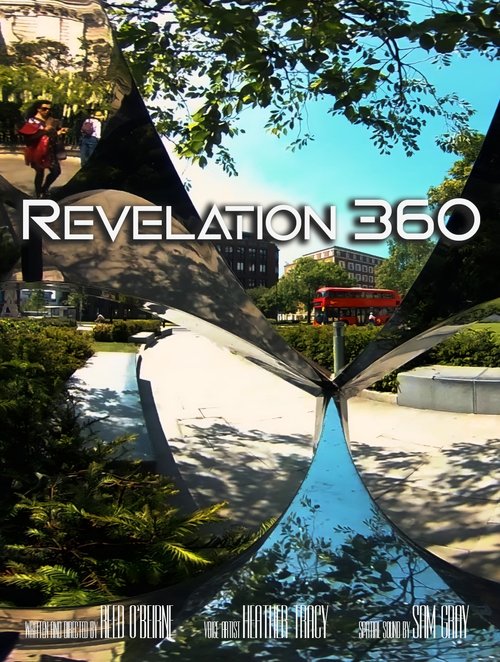
While St. Paul is said to have received his revelation from a celestial third heaven, our unseen narrator challenges you to decipher a revelation of the terrestrial everyday here and now, the impossible conundrum of reality. You are invited to enter a prismatic rumination on perceptions of spacetime, along with the related confines of language and the complexity of perspective. Revelation 360 poses spatiotemporality as an interrogation, giving you the freedom to navigate through time and space, while indicating the limitations of our conceptions, inevitably tied down by our situated experiences and the circumscriptions of language. The narrator sees you and offers suggestions for your interpretation that are both certain and uncertain, reassuring and unsettling - leaving you as both the watcher and the watched. When does it start, where is the middle, and how does it end? Are these even the right questions?
Revelation 360

Fragilities of time and perception are captured in macro in Kamila Kuc's "uchronia, no.1". Seductively textured images contrast against intimate and claustrophobic sounds, forming an eerily demanding observational experience.
uchronia, no.1

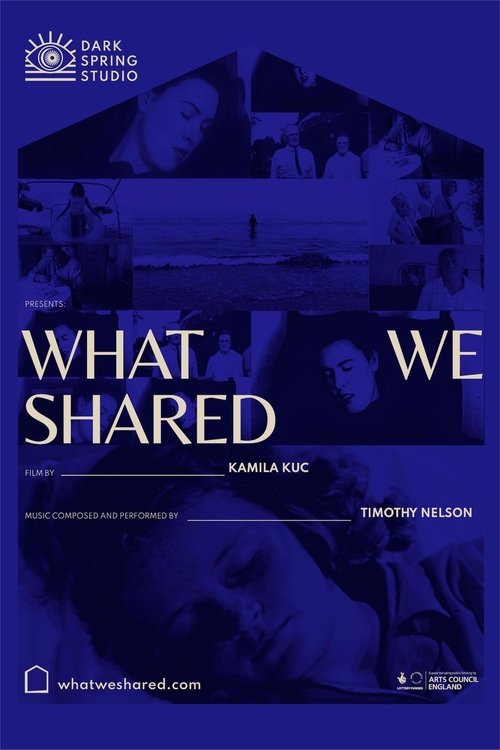
By recreating personal stories though testimony, poetry and archival material, the artist and performers explore deep traumas that no single place or language can contain. Abkhazia, the disputed state on the Black Sea – once an opulent Soviet holiday resort with a multi-ethnic population – became a symbolic ghost town following the 1992-93 war with Georgia. Here, fragmented memories and dreams destroyed by violence and exile are exhumed through interpretive re-enactment and haunting sound.
What We Shared

Fused with the poignant words of a Moroccan human rights activist Rachida Madani’s poem, Tales of a Severed Head, Her Plot of Blue Sky is a relational glimpse into the joys and struggles of a group of Amazigh women in a care home in Sefrou, Morocco. While the women engage in creating visual diaries of their everyday lives, many of their experiences of abuse, alienation, loss and poverty, are captured in one particular resident’s story.
Her Plot of Blue Sky
In the Same Room (2014) is an exercise in creating a mood of uncertainty and suspense rather than telling a coherent story. A disconcerting atmosphere is achieved here largely through sound, designed by Timothy Nelson, and mixed with manipulation of pre-existing film sounds. The film’s title came from Walter Benjamin’s essay ‘The Storyteller: Reflections on the Works of Nikolai Leskov’ (1936). A friend of mine opened the essay at a random page, closed her eyes, and pointed to the following sentence: ‘The resident master craftsman and the travelling journeyman worked together in the same rooms […]’
In the Same Room

I Think You Should Come to America explores a paradoxical fascination of the Poles behind the Iron Curtain with the ideal of America as a "land of freedom" and investigates the cultural conditions in which memories are created. The film uses numerous American educational films to expose the patters of cultural (mis)representation.