Acting
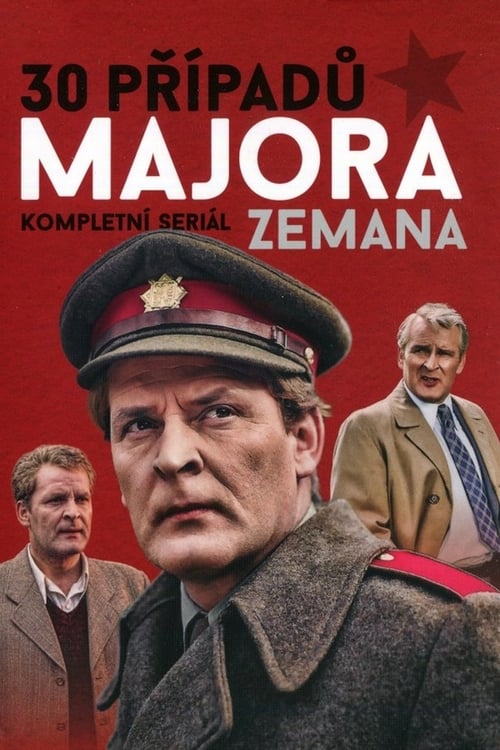
Thirty Cases of Major Zeman is a Czechoslovak action-drama television show intended as a political propaganda to support the official attitude of the communist party. The series were filmed in the 1970s. Each episode encompasses one year, and investigations are stylized to that year. Most are inspired by real cases. The series follows the life of police investigator Jan Zeman during his career from 1945 to 1975.
No description available.
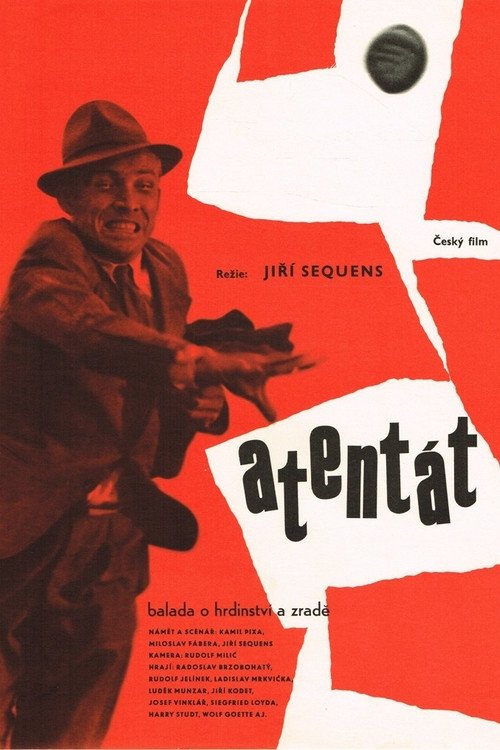
In autumn 1941, Reich Protector Reinhard Heydrich’s brutal rule in occupied Bohemia and Moravia fuels Czech resistance. In spring 1942, the government-in-exile sends trained paratroopers led by Lt. Král on a mission to assassinate him. Masters Strnad and Vyskočil ambush Heydrich’s open Mercedes in Prague’s Libeň district, mortally wounding him despite a jammed submachine gun. Their success triggers harsh Nazi reprisals, mass executions, and an intense manhunt for the operatives.
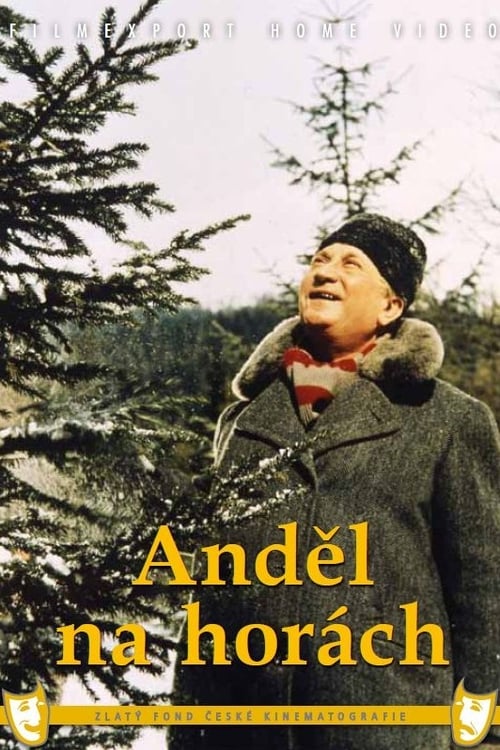
Mr. Angel goes winter sporting and at the same time investigates his son's fiancee.
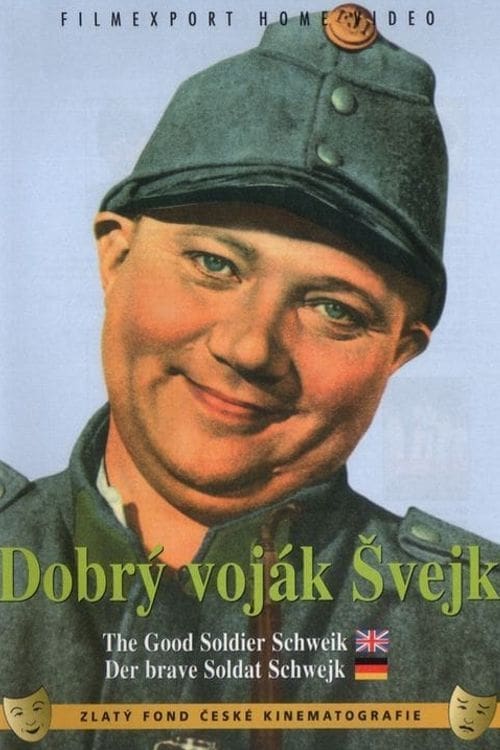
Good-natured and garrulous, Schweik becomes the Austrian army's most loyal Czech soldier when he is called up on the outbreak of World War I -- although his bumbling attempts to get to the front serve only to prevent him from reaching it. Playing cards and getting drunk, he uses all his cunning and genial subterfuge to deal with the police, clergy, and officers who chivy him toward battle.
Soviet engineer Kuznecov is coming to Prague as an expert on work with the tunneling shield in construction of the metro. He is returning after more than thirty years. In May 1945 as a young soldier in the Red Army he was seriously injured in the liberation of Prague and while recovering experienced a great love with a young teacher called Vera.
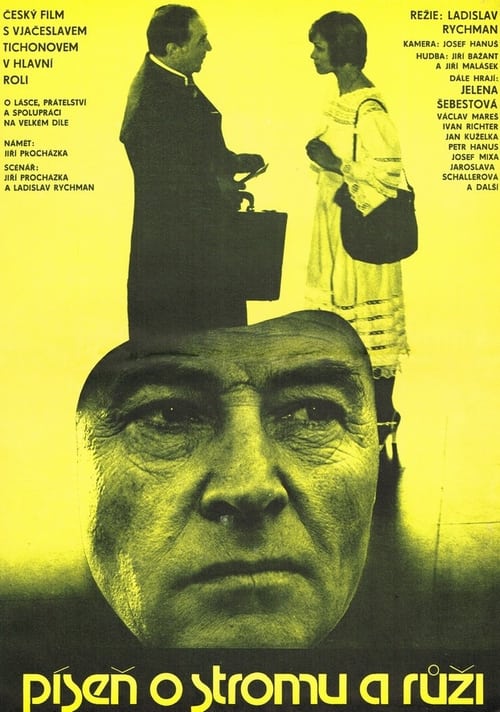
We learn that the greatest virtue of socialist competition is collective cooperation. This is what the young, physically fit assembler refuses to understand. He suspects his co-workers of overlooking his merits out of jealousy. And it takes him a long time to understand that the individual alone can do nothing, that only the collective has the necessary strength - and therefore the truth.
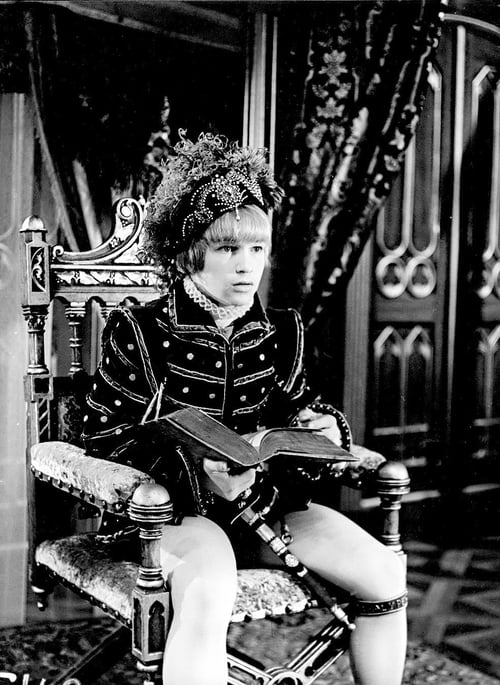
A prince meets a young man to whom he bears a striking resemblance. The two exchange places and learn to be better people in the process.
A new teacher with high standards and a strong sense of duty replaces an easy grader. Once bad grades begin to pile up, a product of his predecessor's subservience to the system, the new teacher has to stand up for himself and his students.
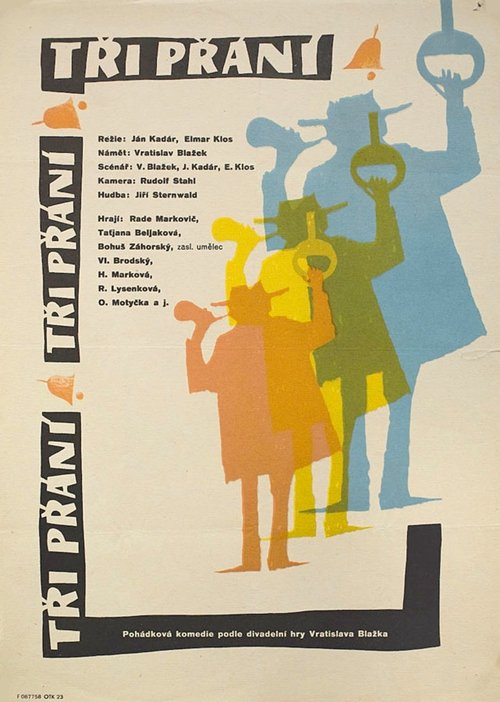
The sad hero of the story, Petr, an ordinary lawyer in a construction company, is crowded into a small apartment in Žižkov with his wife and grandparents, desperately struggling with the lack of money. One day he offers an old man a seat on a crowded trolley bus and is generously rewarded for his good deed, for the unknown old man is a fabulous grandfather. He gives Peter a magic bell and the opportunity to make three wishes, but the first two slip through his fingers. For the third, the astonished man must take time to think...
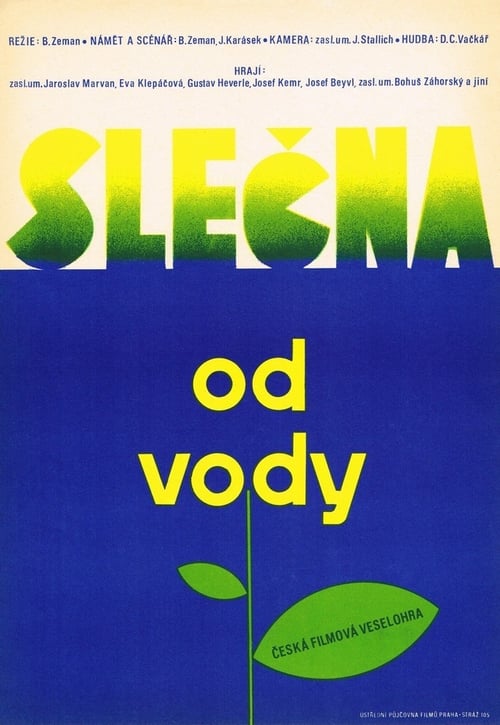
The young worker Helena Pokorná and her widowed father are employed in the same factory. The father is spending his holidays at home in Prague and is looking forward to work. Helena is to go to the seaside for a rewarding holiday. On a hot July day, the girl rides to work in a crowded tram. On the embankment, the crowd pushes her out and Helena fails to get into several other cars. Tempted by the river, the girl calls in sick to work. She takes a steamer to Modřany. There she meets a young man who wants to sleep by the river after his night shift. Helena is drawn into the strange pastimes by a group of notorious loafers and water girls.
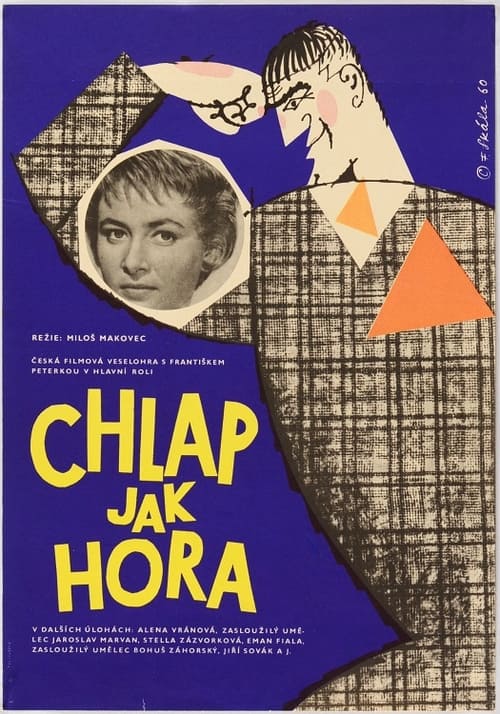
The commander of the military training camp, newly promoted Major Cibulka, keeps his subordinates in line. Because of an unexpected emergency, he refuses to give leave even to the young lieutenant Zabran, whose wife is due to give birth any day. In addition, a false article appears in an army newspaper claiming that Zábrana is an example of a bad company commander. In fact, it is he who has the best leadership skills. Fearing for his wife's health, Zábrana disobeys orders and departs for Prague at night to visit his wife in the maternity ward. Cibulka decides to push the envelope even harder, and drives Zábrana, whom he has long disliked, before the prosecutor.
An outdated fireclay factory is due to close, but its long-time employees can't imagine stopping what has fed them all their lives and what they do best...
People in Czechoslovakia perceive the events of February 1948 differently. This movie tells how they behave depending on their views, beliefs and character.