Acting
No description available.
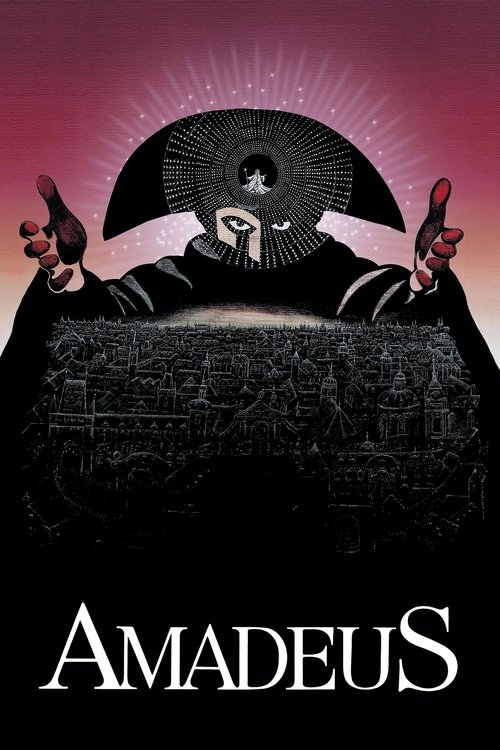
Disciplined Italian composer Antonio Salieri becomes consumed by jealousy and resentment towards the hedonistic and remarkably talented young Salzburger composer Wolfgang Amadeus Mozart.
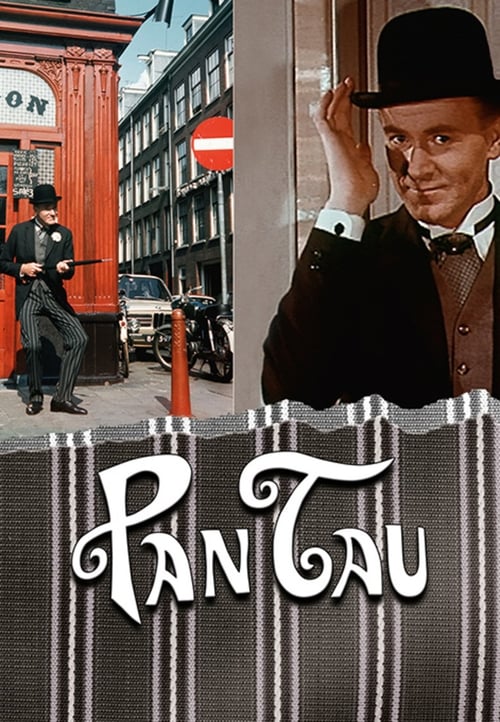
Pan Tau always had a gentle expression and a friendly smile, he was elegantly dressed in a stroller, with an umbrella and a white carnation in the lapel. Foremost, he was famous for his magic bowler hat. By tapping on his hat, Pan Tau was able to change his appearance into a puppet, to conjure up miscellaneous objects or to do other magic. His most characteristically behavior is that he would help children who were experiencing some sort of difficulties in-between their dreams and reality, like finding a place for skiing, settling family problems on Christmas, and even give a boy a good time at a fair when he is supposed to have piano lessons. To adults, he usually remained invisible.
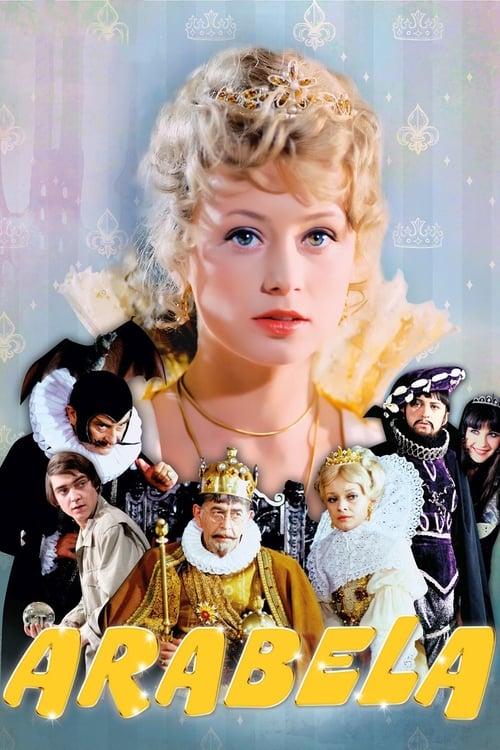
Arabela was a children's television series produced in Czechoslovakia which aired from 1979 to 1981. The series has 13 episodes and is in the Czech language.
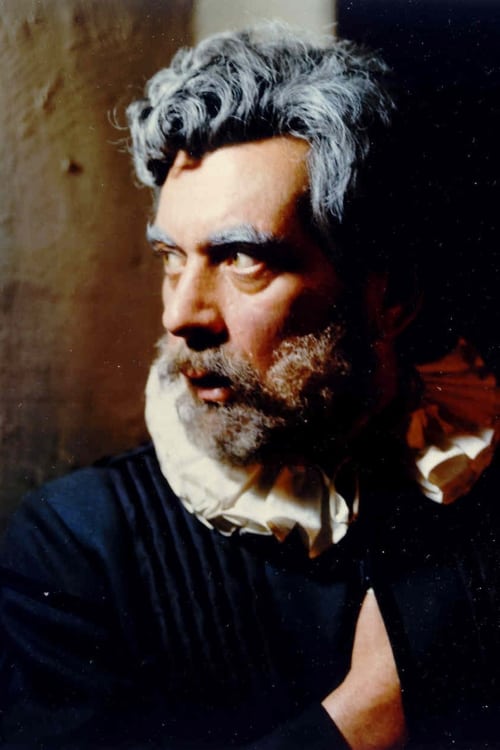
Series about the life of Renaissance anatomist, scholar and politic Johannes Jessenius. Already legendary series today, was produced by Czechoslovak Television Bratislava, directed by Slovak director Miroslav Luther in the first half of 80's in Barrandov Studios in Prague. The story and screenplay of the series wrote Czech writer Vladimír Körner. Five-episodes epic historical narration is a biographical story of distinguished Renaissance scholar, anatomist and politic of Slovak origin, Johannes Jessenius (Ján Jesenský, 1566–1621). It displays his life from the first studies and successes. In 1594 he became professor of surgery and anatomy on Wittenberg University, which he had attended years before. From that moment, his life went through social and personal wins and losses, to the sad end on the Prague Old Town Square gallows, among 27 noblemen, knights and burgenses, after lose Bohemian Revolt in 1621. His destiny was coupled with key events of Czech history in the break of 16th and 17th century, when Renaissance and European humanism slowly fade out.
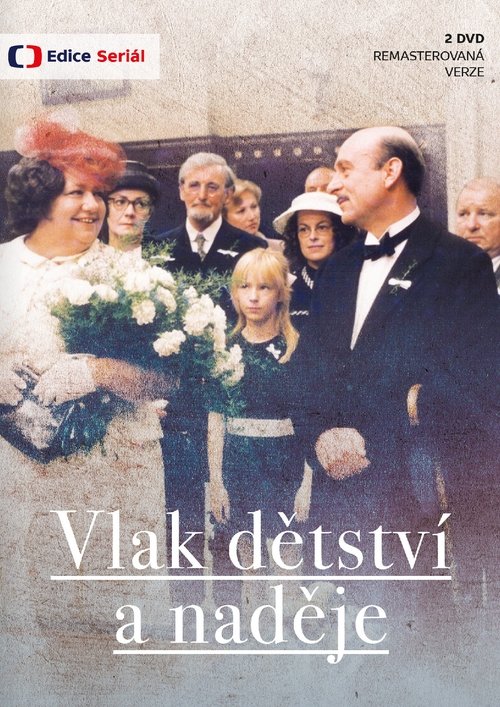
A story of a little girl Verka and her life during the beginning of WWII. Based on Vera Sládková novels.
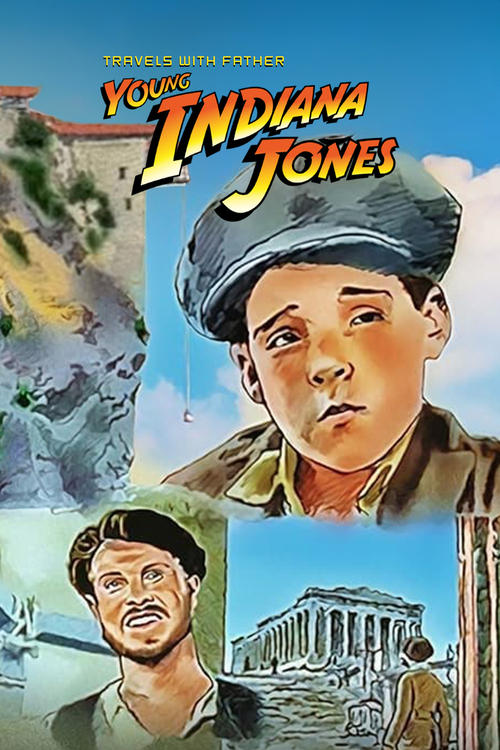
While visiting Russia on his father’s lecture tour, Indy runs off on his own and meets Leo Tolstoy. Later, on a trip to Athens, Indy and his father are forced together by circumstance when they get into a bind in the monasteries of Meteora, where they share some memorable moments.
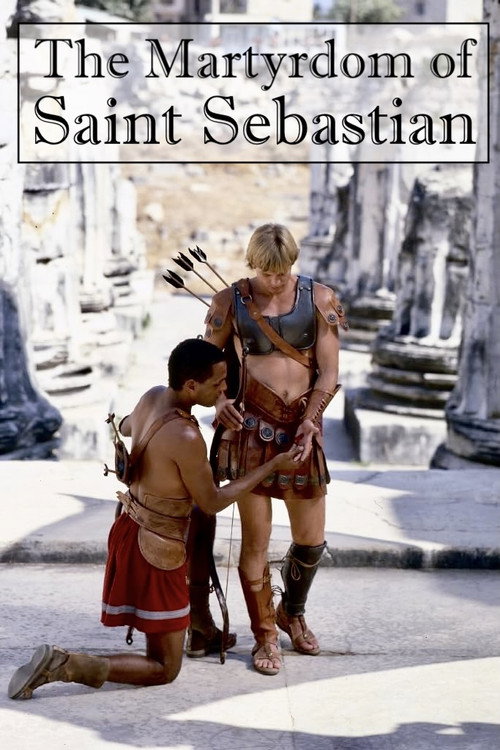
Sebastian, Chief Archer in the Roman Army, converts to Christianity. A favorite of Emperor Augustus, Sebastian's devotion to Christ eventually drives him to reject the Emperor's love, causing the Emperor to angrily order Sebastian to be shot with arrows by his fellow archers. The film retells this mystery play with a definite 'art-house' approach: an almost poetical use of language, singing, dancing, some homoerotic themes, and some special effects.
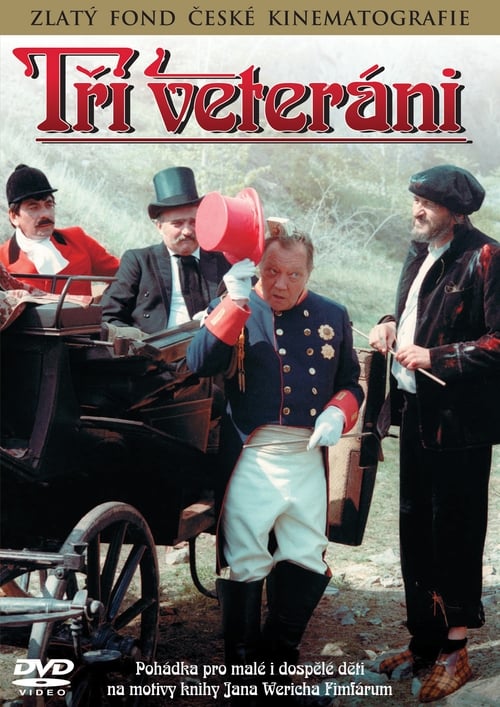
It is a story of three veterans released from the army. During one night spent camping in the country they one by one wake up and meet three elvish brothers. Each of the veterans is given a magic item - one gets magic harp that provides him with servants by wish, other one endless pouch of gold and the last one owns magic hat that can create all the staff excluding money and people.
The series depicts the history of Slovak society in the first decades of our century and leaves a deep faith in humanity and the nation. It tells the life story of Pavlínka, the daughter of a laborer and innkeeper, whose fate is filled with love, social ambitions, and unfulfilled dreams, and who ultimately returns to the basics of life, to naturalness and wisdom.
The film was based on the novel "Milión" by Karel Štorkán. The book and the film depict the events surrounding the great construction disaster in Prague in 1928, in which 46 construction workers died. The disaster thrilled the entire republic at the time, yet was never fully explained. The filmmakers focus on the story of Ing. Vondrák, the designer of the construction.
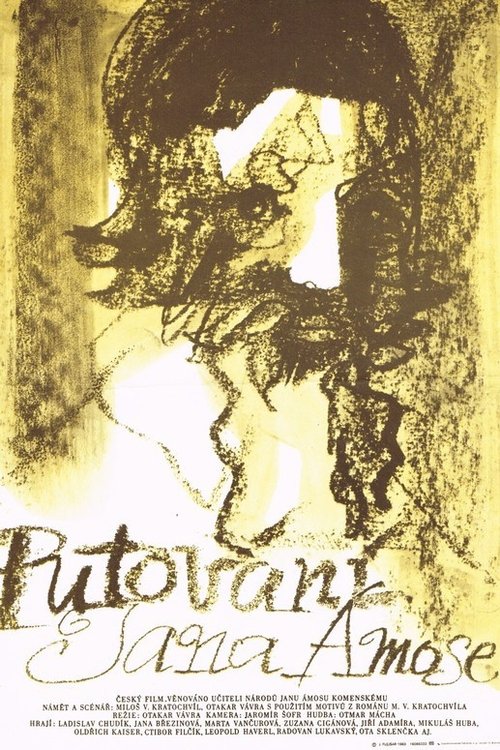
The distressing fate of the Czech great Jan Amos Komenský, forced to leave his homeland after the White Mountain disaster. It depicts his encounters with various European personalities of the 17th century - the Queen of Sweden, artists and scientists. It emphasises the hero's nobility, but also his inner resilience, which allowed him to overcome many personal and professional tragedies. The parable of The Labyrinth of the World and the Paradise of the Heart becomes part of the story. However, Comenius's concept is sculpturally lifeless and, in particular, the religious dimension is "erased" from it. The simplistic biography therefore does not avoid schoolboyish dryness.
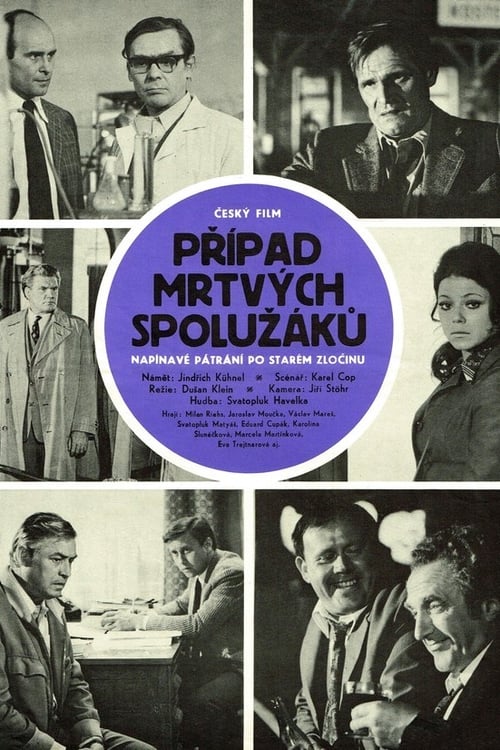
A West German businessman Friedrich Schmidt is arriving to Czechoslovakia with private mission and mission for Intelligence service. He wants to settle the old event from the time of the Second World War when he as a student of the Czech grammar school in the town of Kostelec took part at the denunciation of his schoolmate Pavel Richter. Pavel was during the period of Nazi terror following the assassination of Acting Reich Protector of Bohemia and Moravia Heydrich executed. Schmidt has also to enter into relations with persons suitable for cooperation with the West Intelligence service. Schmidt - earlier, before the German occupation Smíd - meets the schoolmates and endeavors to avert suspicion that arose already at the time of the tragic event.