Writing
Play for Today is a British television anthology drama series, produced by the BBC and transmitted on BBC1 from 1970 to 1984. During the run, more than three hundred programmes, featuring original television plays, and adaptations of stage plays and novels, were transmitted. The individual episodes were between fifty and a hundred minutes in duration.
A BBC television anthology series featuring productions of classic and contemporary stage plays usually broadcast on BBC1. Each production featured a different work, often using prominent British stage actors in the leading roles. The series was transmitted from October 1965 to September 1983.
A detective team apply new techniques to old crimes as they solve cold cases.
Theatre 625 is a British television drama anthology series, produced by the BBC and transmitted on BBC2 from 1964 to 1968. It was one of the first regular programmes in the line-up of the channel, and the title referred to its production and transmission being in the higher-definition 625-line format, which only BBC2 used at the time.
An anthology of plays and novels adapted into feature length TV movies, broadcast on BBC2 from September 1977 to April 1979.
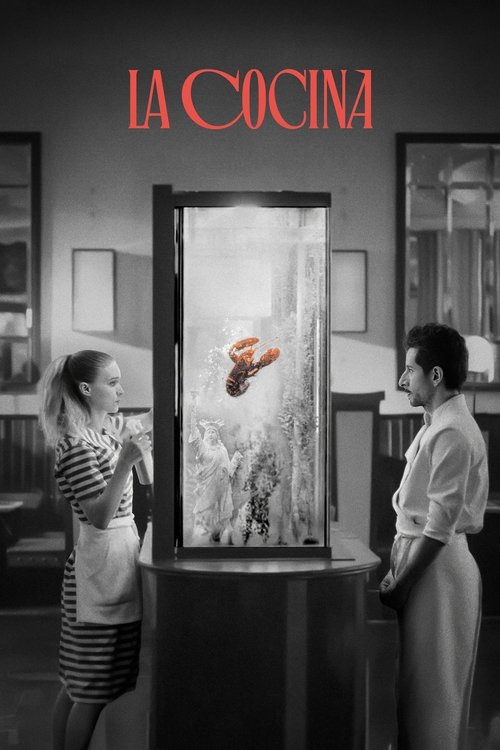
In the sweltering back kitchen of a Times Square restaurant, undocumented cook Pedro is caught between mounting pressures at work and a complicated romance with waitress Julia. When money goes missing, suspicion spreads, igniting tensions that threaten to upend the fragile hopes of the staff.
"The Sherman Plays" is a series of television adaptations of plays originally staged at the Sherman Theatre in Cardiff. The series, produced by HTV, ran from 1993 to 1997. It featured a variety of dramas, some of which were specifically written for the series.
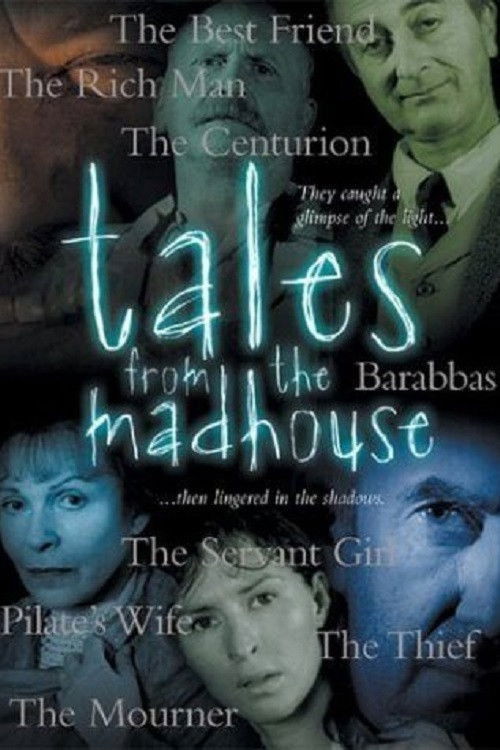
Set inside the crumbling walls of a dilapidated Victorian sanatorium, eight mysterious characters reveal their secret stories to the visiting camera. The eight are linked by one unifying and crucial event in their lives: each of them has had an encounter with Jesus of Nazareth in some way — an experience that has left an indelible mark.
A series of contemporary television dramas by new writers.
"Roots" - About Beatie Bryant as she makes the transition from being an uneducated working-class woman obsessed with Ronnie, her unseen liberal boyfriend, to a woman who can express herself and the struggles of her time.
Presentation of Arnold Wesker's play of the 1950s. A young girl returns to her family home in Norfolk, having been educated in cultural and political matters by her boyfriend Ronnie. Through trying to pass on what she has learned, she discovers her own voice and views.
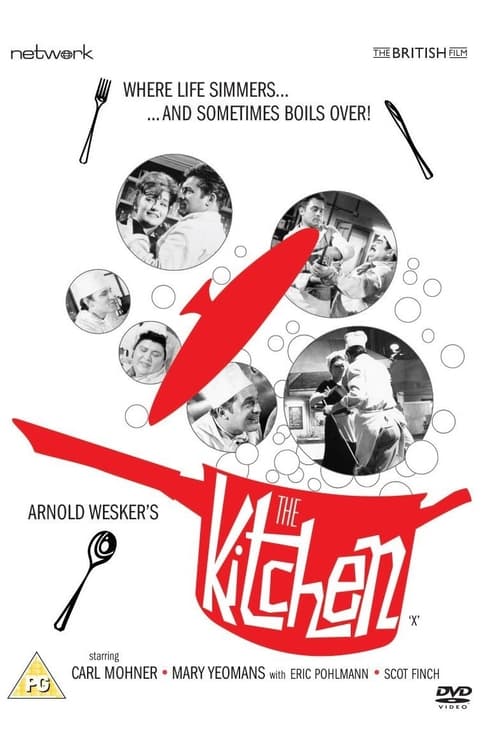
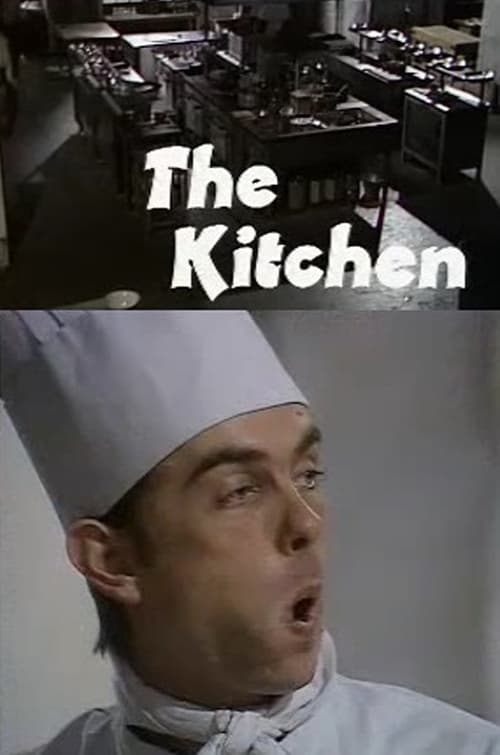
In the business end of a kitchen, a polyglot staff strives to cope with a superhuman task. A microcosm of the world, the kitchen looms around and encloses its workers; they include Peter, the German cook, who is in love with waitress Monica, and constantly asks her to leave her husband. The pressure of the day becomes unendurable, and when Peter realises that Monica does not mean to divorce her husband his grief and pain cause him to run berserk!
Alvin Rakoff's adaptation of Arnold Wesker's The Kitchen for Play of the Week. The Kitchen, first preformed in 1957, was Wesker's first work and his most performed play. The Kitchen has been produced in sixty cities including Rio de Janeiro, Tokyo, Paris - where it was the first widely recognized production by Théâtre du Soleil in 1967, Moscow, Montreal and Zurich.
The popular Arnold Wesker play filmed at the Bristol Old Vic.
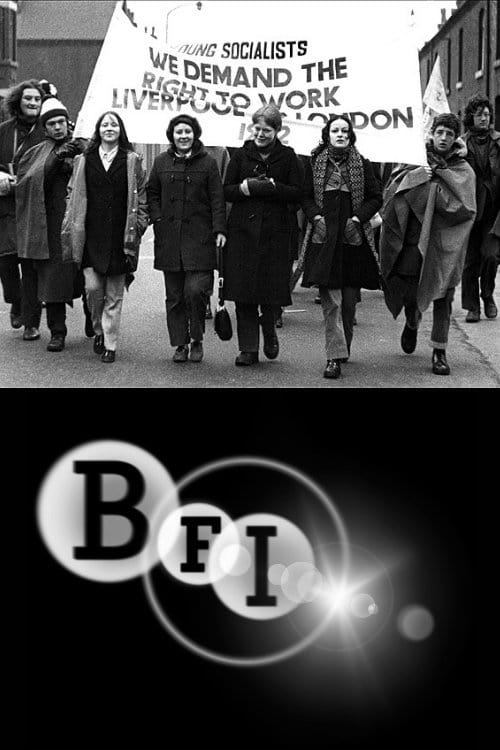
They're young, unemployed and on the march - from Glasgow, Liverpool and Swansea to London.
London, family Kahn, Unghery
No description available.
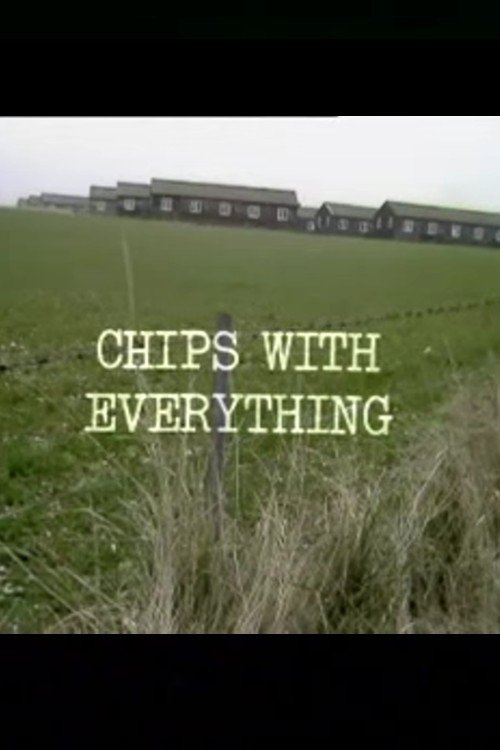
A group of Air Force conscripts begin eight weeks of 'square-bashing' - basic military drill. Two of the conscripts develop a friendship, Pip Thompson, a young aristocrat, and Chas Wingate, a working class boy. The military hierarchy want Pip to become an officer. He rebelliously refuses. The officers patiently tolerate his rebellion thus defusing it and breaking his spirit.
Comedian Alexei Sayle, playwright Arnold Wesker and writer David Aaronovitch recall fascinating episodes from their communist childhood.
The play follows the staff in a cafe's kitchen during the course of a busy morning.