Acting
No description available.
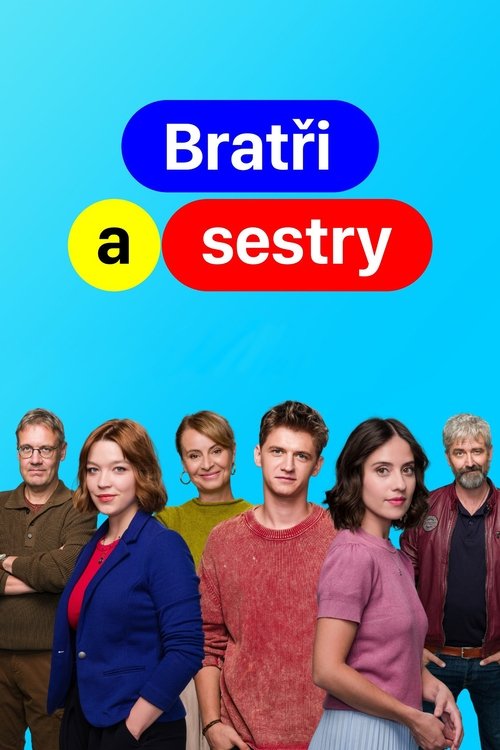
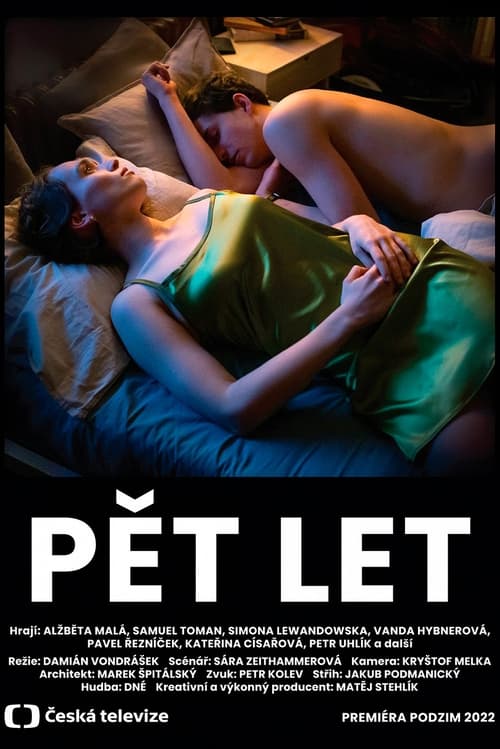
What can a simple DNA test do? For example, it can trigger an avalanche of surprising findings that will shake up the fates of parents and their adult children. The secrets revealed can hurt many, but they can also bring a lot of new possibilities. Because what's better than having good siblings? And does the rule "the more, the better" apply in this case too?
This series from the regional homicide department in Hradec connects episodic cases with a larger central mystery—the unsolved case of a woman shot dead on the shore of a pond. This plot connects the individual episodes and gradually reveals that the perpetrator may be closer than anyone thinks.
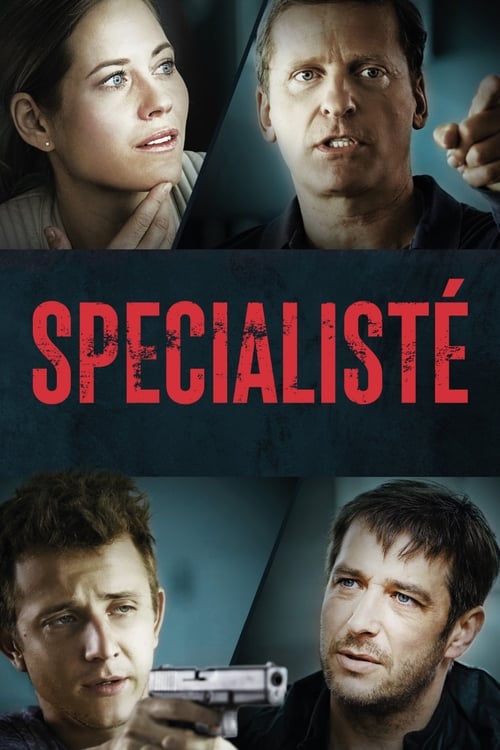
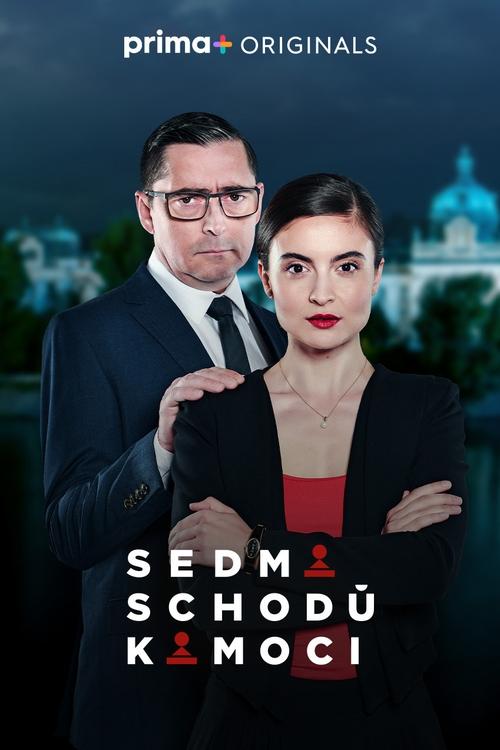
While investigating the privatization of energy giant Central Energy, journalist Petra Vlčka uncovers corruption involving his brother the CEO.
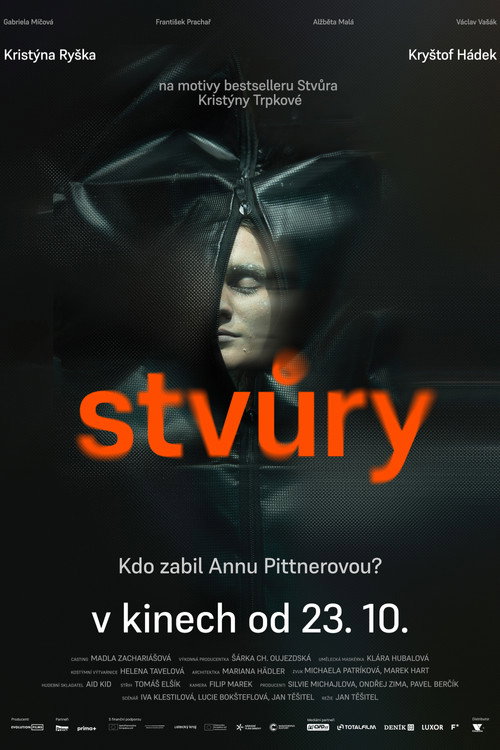
A small town somewhere in the north. The body of a brutally murdered young girl, Anna, is found by the river. The investigation is taken up by the determined criminalist Laura Linhartová (Kristýna Ryška), and her old colleague Adam Beneš (Kryštof Hádek) is assigned to her. The main suspect is a recently convicted perpetrator who is responsible for a similar murder. Just when it seems that the search for Anna's murderer is over, new evidence appears that brings the whole case back to the beginning. The criminalists thus embark on a complicated investigation full of unexpected twists and turns. The circle of suspects in the small town expands dramatically. The tension between Laura and Adam rises, not to mention their different characters and shared past. And the question still hangs in the air: Who killed Anna Pittnerová?
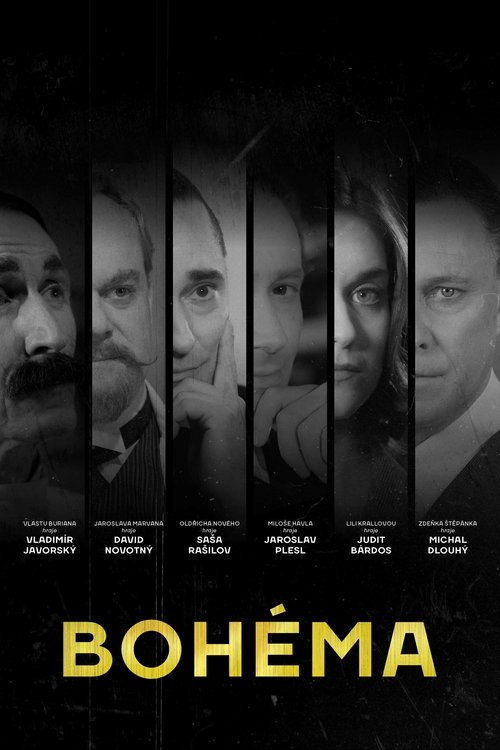
Barrandov Studios, once one of Europe’s most modern film factories, became both a cultural refuge and a propaganda tool under Nazi occupation, churning out Czech comedies and romances to keep the public distracted while its actors mingled with German authorities. After the war, many of those same stars faced accusations of collaboration, their meteoric Protectorate-era fame tainted by the compromises they made to keep the cameras rolling under shifting regimes.
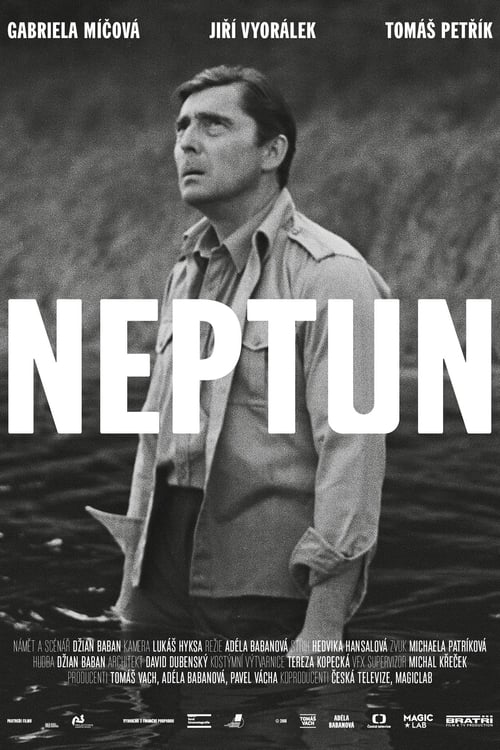
In 1964, the discovery of secret Nazi documents in the bottom of a lake in the Šumava hits the press worldwide. Years later, it is revealed that the sensational event was orchestrated by the communist regime in a campaign against West Germany, code-named Neptune. Revisiting recent political past of the Cold War in a noir pastiche, this docufiction contributes to the process of myth-making as a necessary construction of our perception of the history.
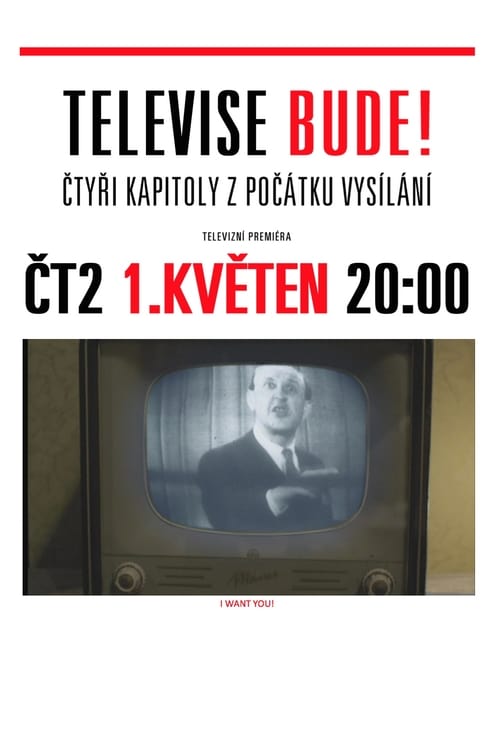
Flexible, powerful, and naive. The fates of three men intersect at the launch of Czechoslovak television broadcasting. Ambitious actor František Filipovský has no idea that his casual improvisation on the theme of "the miser" will go down in history. For Minister of Information Václav Kopecký, it is a moment of great nervousness: will he convince his comrades that television broadcasting is the golden goose of communist propaganda? A young television technician is fascinated by the "remote transmission of images and sound" – he has a job he never dreamed of. But can a person fulfill their dreams in communist Czechoslovakia in the 1950s without getting involved with the regime?
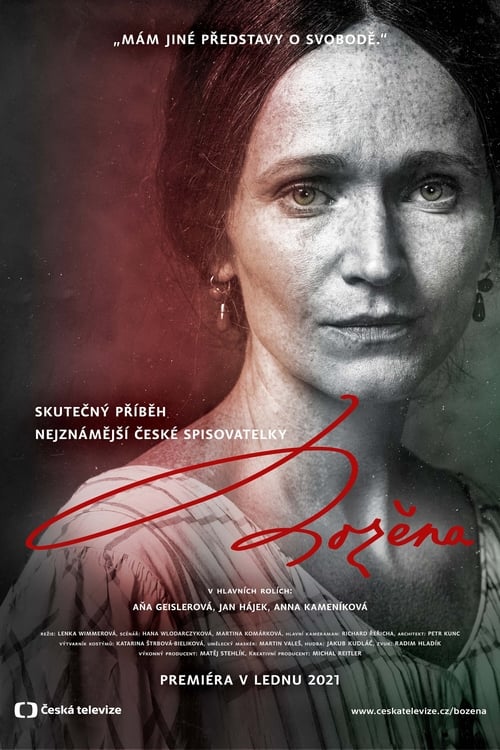
Biopic of Bozena Nemcová, a famous Czech 19th century writer and feminist, focused on her complicated on-off relationship with her husband Josef Nemec.
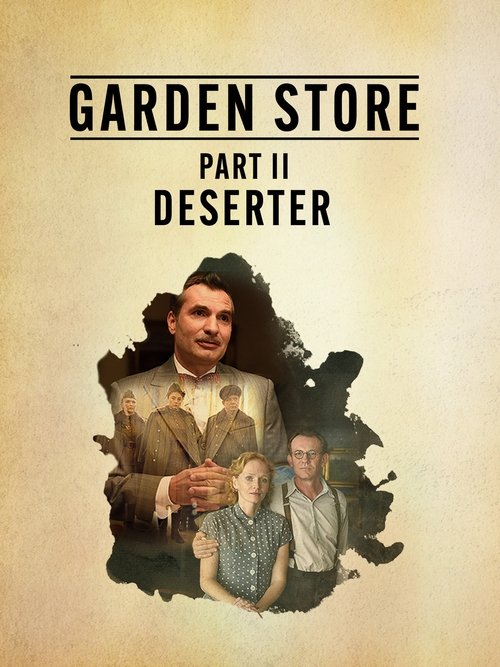
In 1940s Prague, a former Nazi prisoner returns to run his posh hair salon and struggles with family, the rise of communism and his past.
A recording of a production by Divadlo Komedie. A shocking drama full of pain, whose heroine, an abused girl, seeks the only possible path to tragic liberation. The last play by Austrian playwright Werner Schwab is a shocking drama full of pain and abuse. The story of Antiklimax can be easily reconstructed. It can also be perceived as one of those occasional sad news stories: in a socially disadvantaged family, a daughter who had been abused by her father for years killed her parents and then herself. After such an event, people ponder for a while what life was like in such a family. Why did no one report the abuse? What was the mother doing? It is a topic on the fringes of our social consciousness, which we effectively suppress. And when we want to indulge in a little unease, we reach for the tabloids, which put it right before our eyes. Little Marjánka is threatened by electrical appliances, brass band music, and family upbringing. As if madness were the last of man's pleasures.
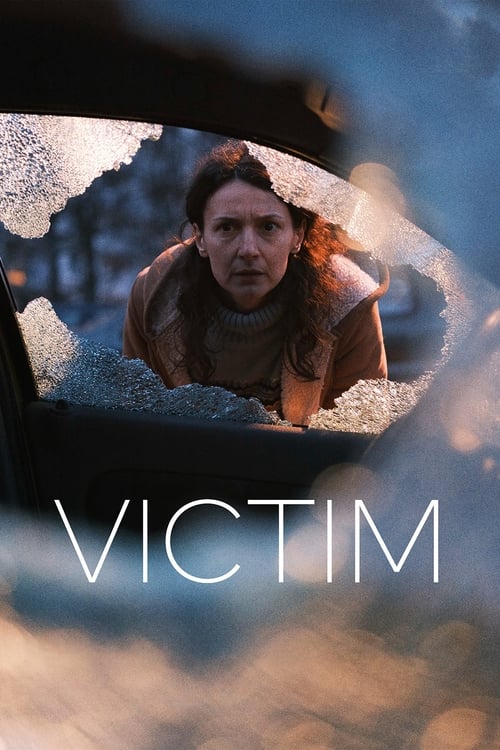
When the son of Ukrainian immigrant Irina is attacked, the whole city stands up in solidarity with her family and condemns their Roma neighbors, who allegedly committed the crime. But soon another truth starts to emerge.
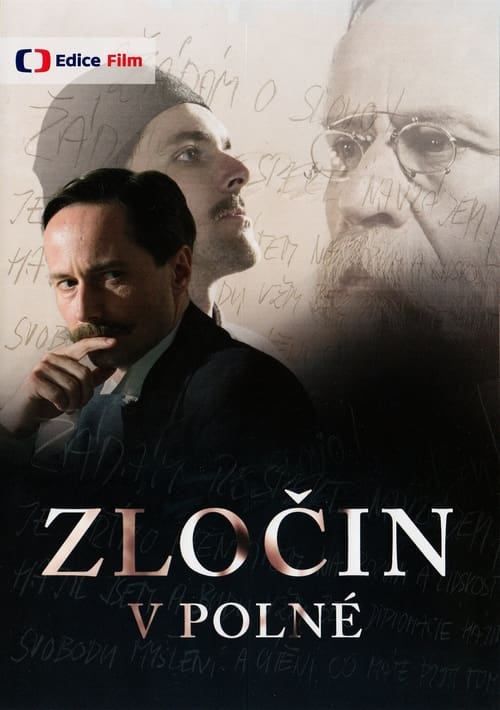
An exciting drama from a detective history. In 1899 a dead girl - seamstress Anežka Hrůzová - was found between the village of Věžnička and the town of Polná. She was 19 and she had a cutting wound on the throat. There was no sexual violence involved and since the local doctors thought that there was not enough blood on the crime scene, everyone jumped to the conclusion that Jews must have killed her and added her blood to their passover matzot. There was a potential murderer at hand too - a cheeky, not very bright young Jewish rover, Leopold Hilsner…
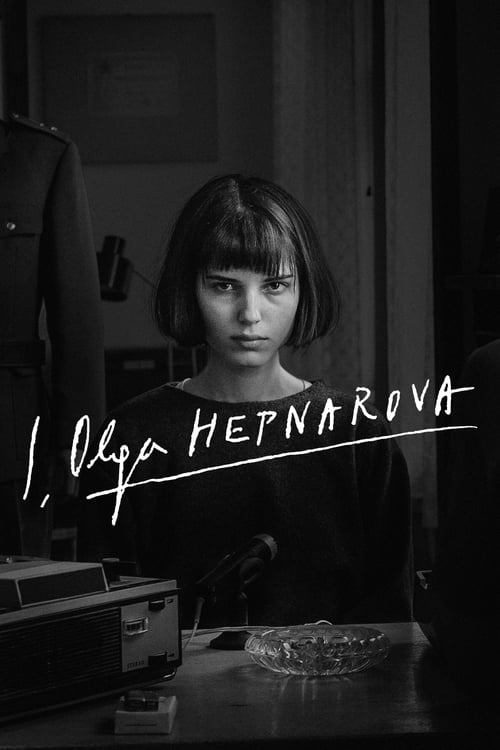
Olga is a complex young woman desperate to break free from her unfeeling family and social conventions. With her Louise Brooks-like tomboyish looks she drags herself, chain-smoking, from one job to another until she appears to find her niche as a truck driver. Although she has female lovers she does not form a bond with any of them; instead she clashes, time and again, venting herself in wordless emotional outbursts and other behavioural extremes.