Jan Daňhel
Editing
Known For
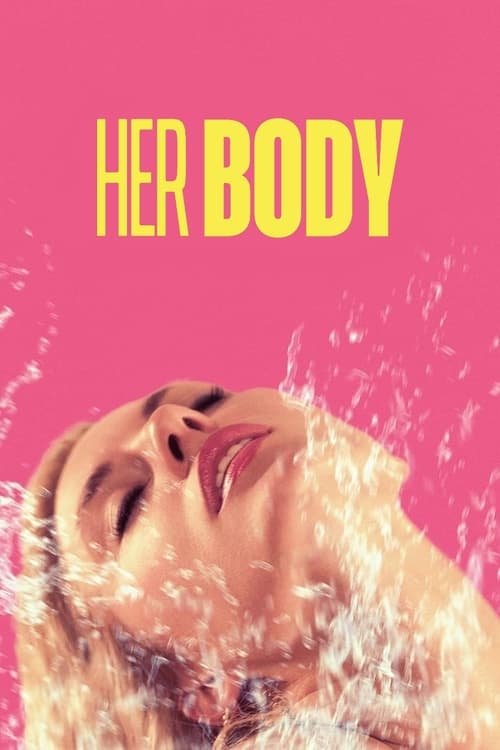
A Czech high diver's Olympic dreams are shattered when she suffers a devastating injury while training. Forced to leave the sport she loves, she follows a photographer friend into the world of nude modeling, ultimately reinventing herself as an adult film actress. Inspired by the true story of diving champion Andrea Absolonová.
Her Body
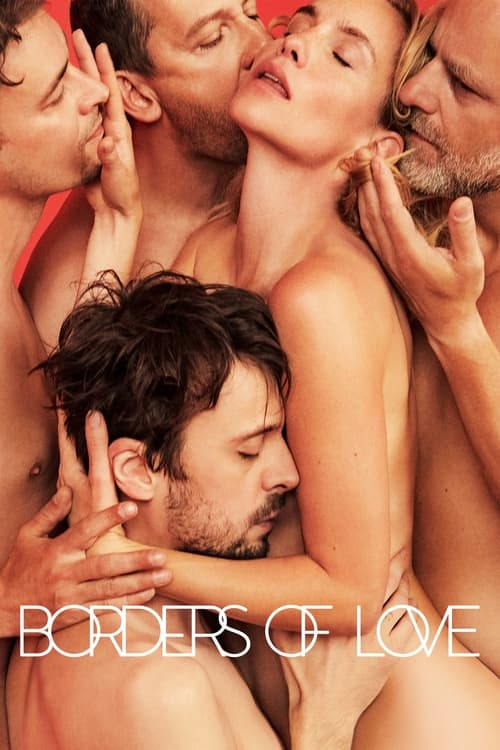
After years together, Petr and Hana, partners in work and in life, share their unspoken erotic fantasies. What begins as an innocent conversation gradually turns into curious experimentation with a non-monogamous approach to their relationship. But sexual freedom tastes differently for each of them.
Borders of Love
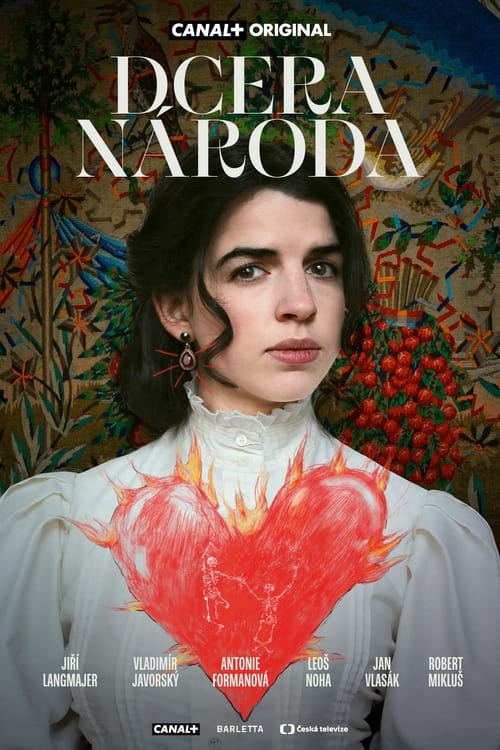
No description available.
Daughter of the Nation
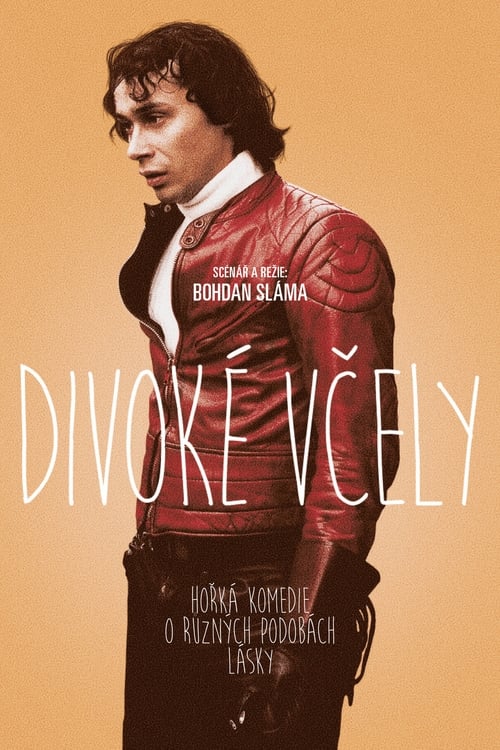
A portrait of a small Moravian village and its quirky inhabitants.
The Wild Bees
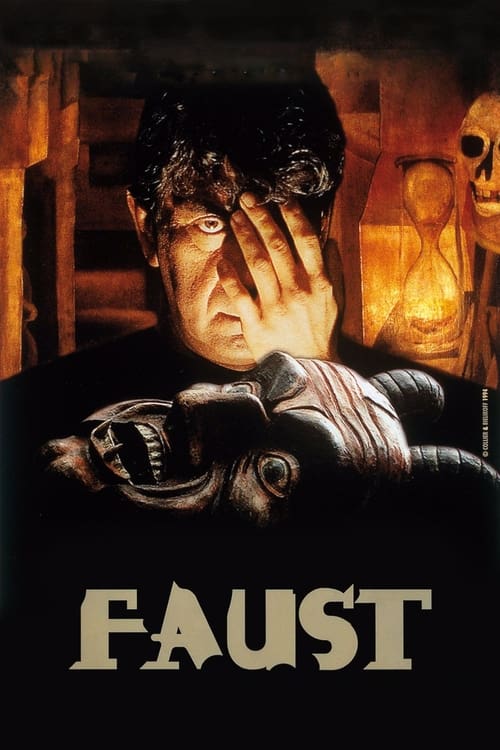
A very free adaptation of Marlowe's "Doctor Faustus", Goethe's "Faust" and various other treatments of the old legend of the man who sold his soul to the devil. A nondescript man is lured by a strange map into a sinister puppet theatre, where he finds himself immersed in an indescribably weird version of the play, blending live actors, clay animation and giant puppets.
Faust
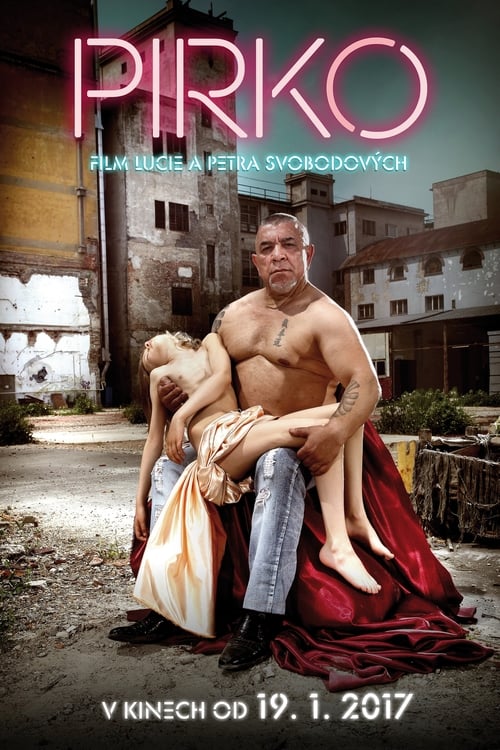
Martina is 18, loves dancing and goes by a nick name Shakira. Also, today she is leaving an orphanage...
Little Feather
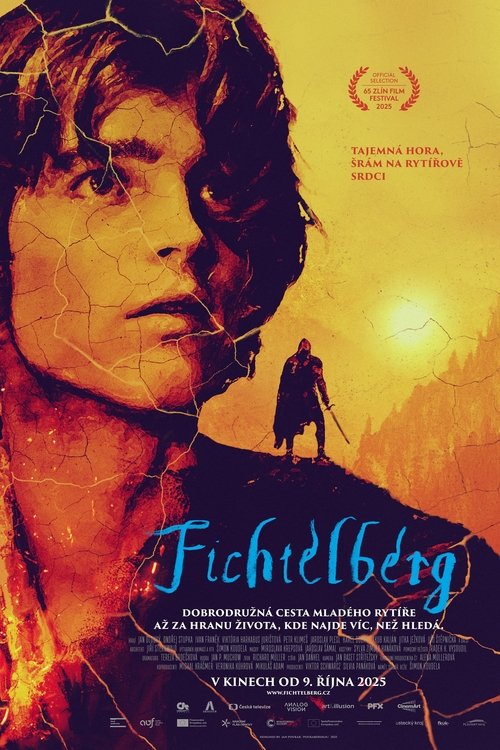
In 1547, young knight Petr Pětipeský is sent to the remote village of Urbach to oversee the construction of a bridge that promises access to ‘hidden mineral’ wealth. When his beloved Alma vanishes under mysterious circumstances, Petr defies local superstition and ventures into the shadowy workshops of Fichtelberg Mountain. There, he confronts strange figures and uncovers secrets that test his courage and beliefs.
Fichtelberg
Jan Sikl expertly edits together actual home-movie footage from the 1920s to the 1960s in order to chronicle the history of Czechoslovakia in the 20th century. In eight episodes of 52 minutes, the major events of Czech history, including the Depression, the occupation by the Nazis, World War II, and the rise of communism are depicted through the experiences of real-life Czech citizens. The series reveals that history is the story of ordinary people facing extraordinary circumstances - not the dry, dull set of names and dates taught in schools. —Susan Doll
Private Century
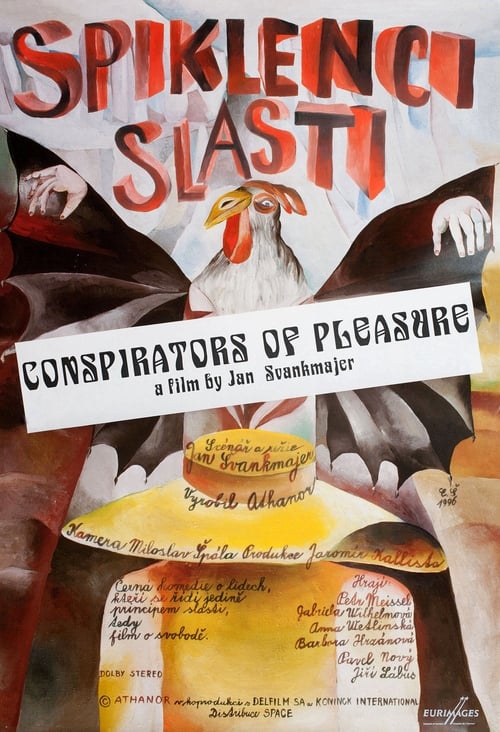
Six Prague residents pursue bizarre rituals. Mr. Peony builds a chicken costume to wear while enacting homicidal fantasies toward neighbor Mrs. Loubalova, who does the same dressed as a dominatrix. Their mail carrier, Mrs. Malkova, inhales tiny balls of bread. Newsstand operator Mr. Kula obsessively watches the broadcasts of news anchor Mrs. Beltinska, whose husband regularly scrubs his body.
Conspirators of Pleasure

Two neighboring clans and two different approaches to life. What happens when the strained relationship of two domineering fathers interferes with the love of their own children?
Dry Season
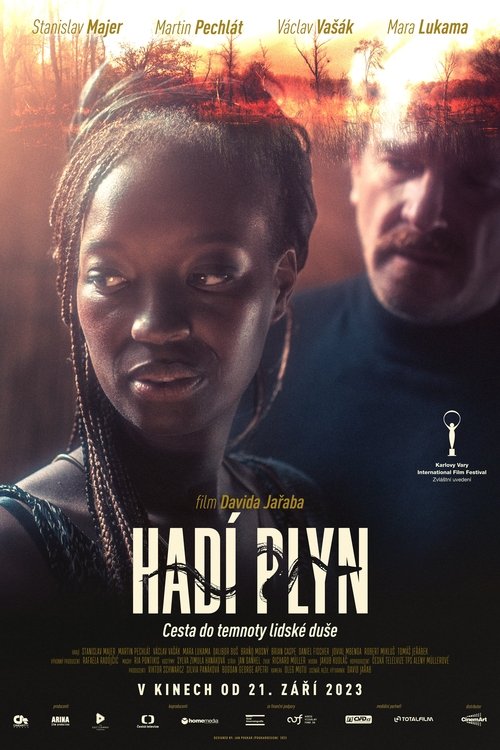
This loose adaptation of Joseph Conrad's Heart of Darkness follows Robert Klein as he sets out to find his brother, who disappeared under mysterious circumstances.
Snake Gas
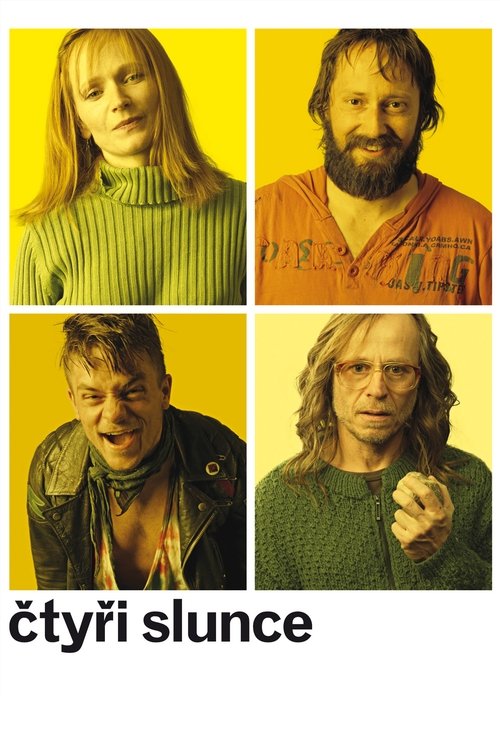
Fogi is enjoying his never ending puberty. But simultaneously Fogi is also trying to live up to his family duties and bring up Véna, his son from the first marriage. He did not get married again but lives with Jana, a post office employee. Together they have little Anicka and they all live in a flat in a small town. At first, Jana is trying to tolerate Fogi's moods, but her patience is running out. Fogi loses his job. On top of that he starts to see himself in his adolescent son and realizes with horror that Véna repeats his own mistakes. The first fights, bans and mutual misunderstandings are approaching.
Four Suns
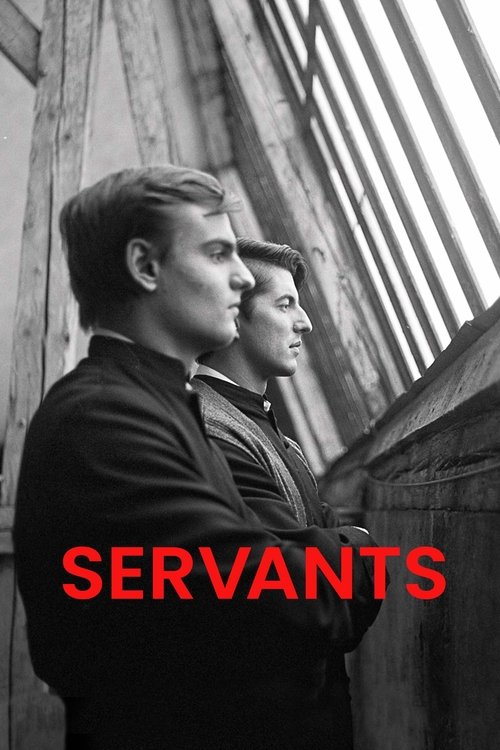
Michal and Juraj, two students of a theological seminary in totalitarian Czechoslovakia, must decide if they'll choose the easier way of collaboration, or if they'll subject themselves to the surveillance of the secret police.
Servants
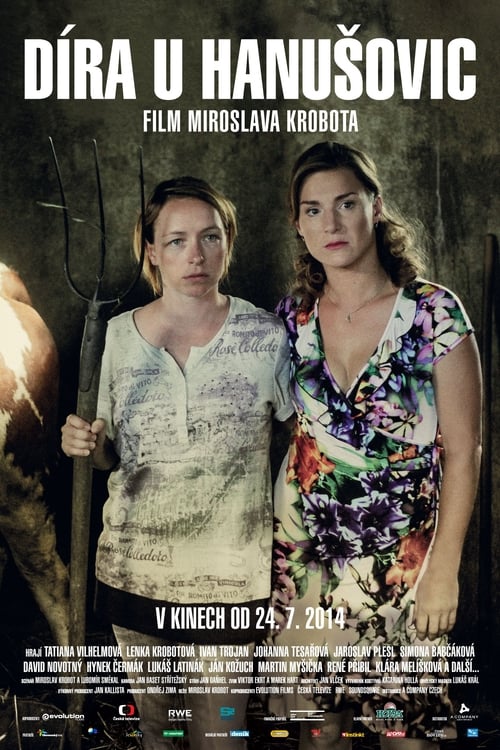
When not serving regulars at a pub in the middle of a sleepy northern Moravian village, thirtysomething Maruna spends time with hesitant Jura and naïve outsider Olin – or fighting with her imperious mother. Lightened with a touch of black humor, this laconic village drama is the directorial debut of the artistic director of Prague’s Dejvice Theater who gave the members of his ensemble a one-of-a-kind acting opportunity in film.
Nowhere in Moravia
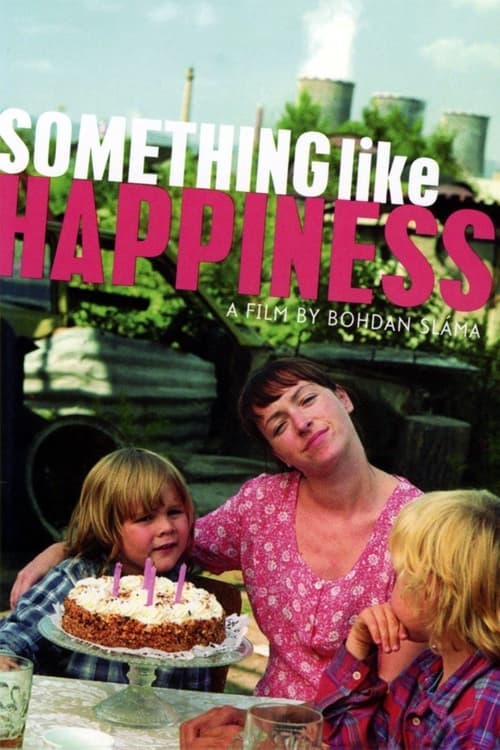
Over the course of a year, in a small town scarred and beaten down by industrialization, Tonda and Monika, friends since childhood, come to experience what life might be like if they could be with one another – which they seemingly can't. Or can they?
Something Like Happiness
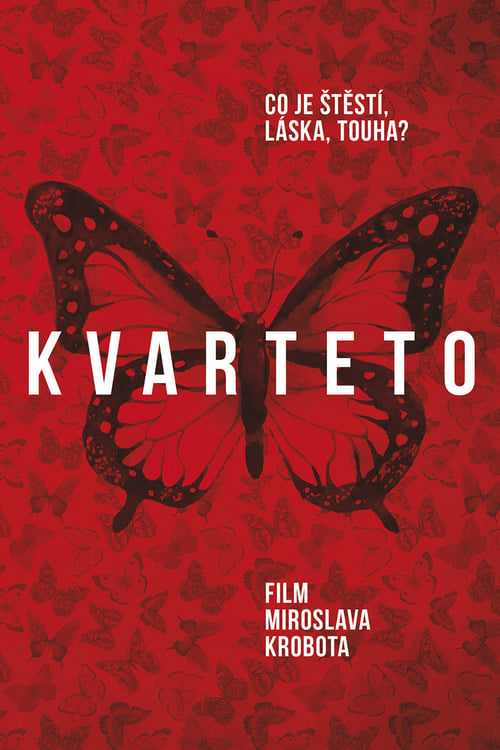
In a small Czech town, mother dependent Robert, his attractive girlfriend Simona, histrionic Tomas and extremely reserved History freak Funes, all dissatisfied with their lives, are members of the same string Quartet. As they rehearse for their next concert, they will get into a circle of eccentric situations and misunderstandings.
The Quartette
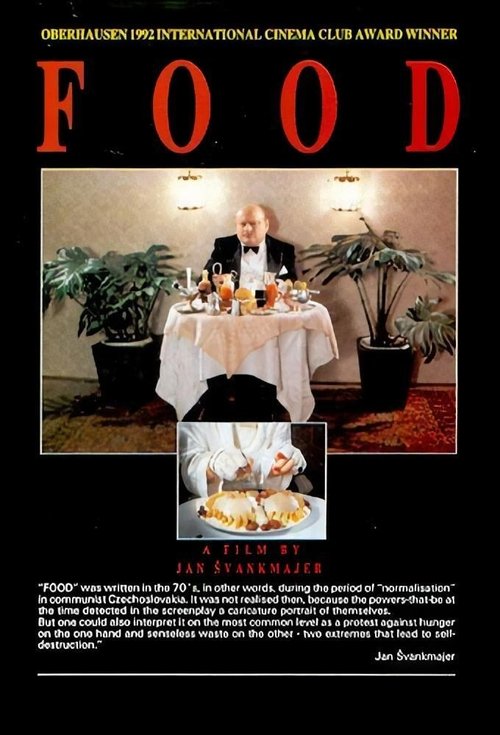
Examines the human relationship with food by showing breakfast, lunch, and dinner.
Food
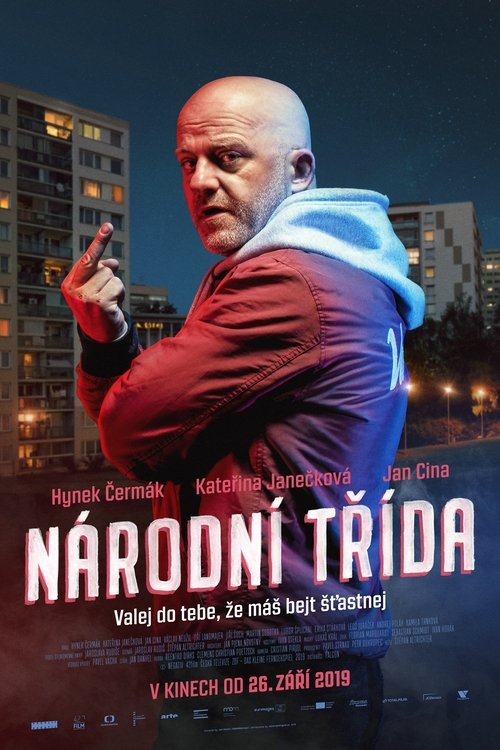
Overwhelmed by a world he can no longer control, a quarrelsome worker in his fifties tries to preserve the integrity of his neighbourhood...
National Street
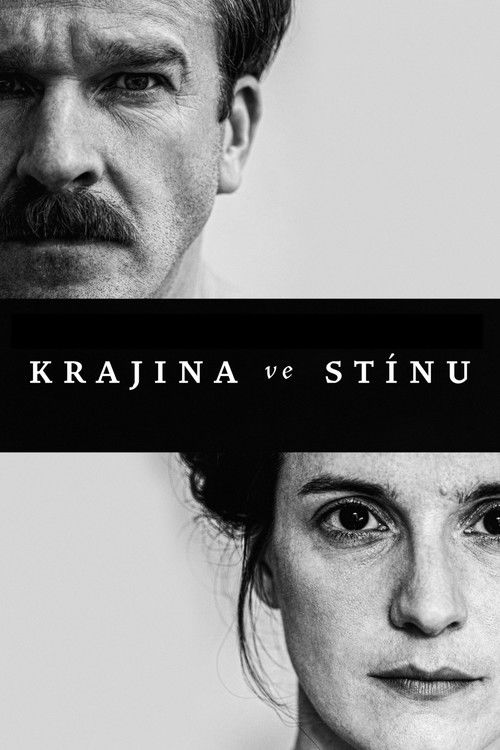
The film chronicles the events of a village on the Czech-Austrian border from the 1930s to 1950s, where genocide occurred due to fallout between German citizens and Czechs who collaborated with the Nazi regime during the war.
Shadow Country
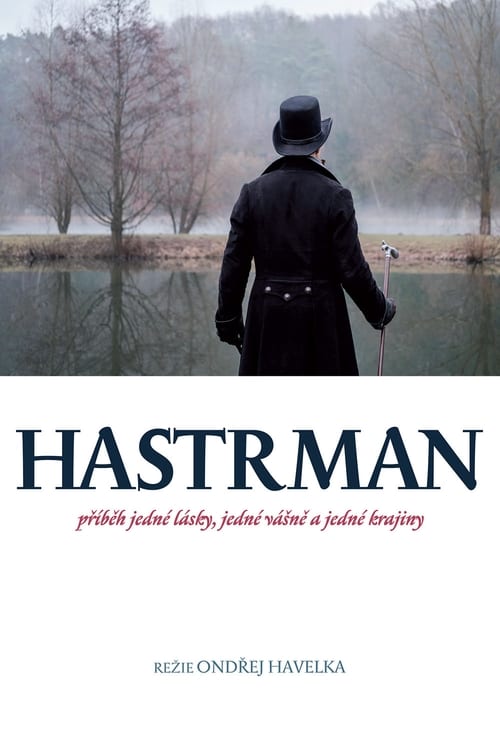
A strange nobleman returning after years abroad to a small Bohemian village in the beginning of 19th century. The nobleman feels closer to animals despite looking like a human.