Peter Yung Wai-Chuen
Directing
Known For
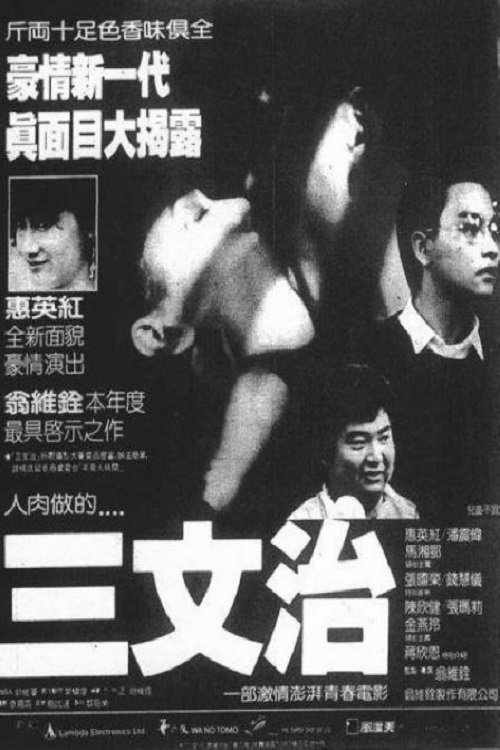
A drama film directed by Hong Kong New Wave filmmaker Peter Yung.
Double Decker
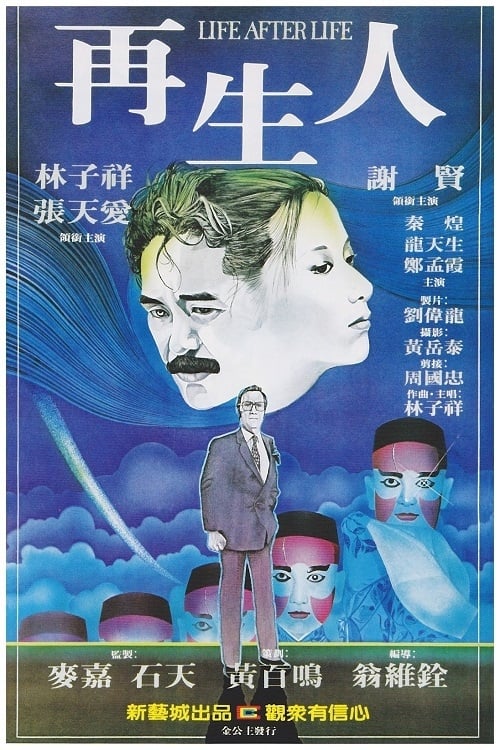
When a man is hired to enhance a fashion show, he decides to go to a puppeteer and use Chinese puppets as accents to the models and the clothes. His interest in the show becomes a personal one when he meets one of the models and romance blossoms. An old woman loans him her antique puppets on the condition that he not keep them in the house with him, or grave misfortunes will result. As one might expect, he ignores the warning and then starts to experience a few accidents and unusual occurrences - including being knocked out by what he thought was a puppet, and seeing flashes of a murder while he was unconscious.
Life After Life
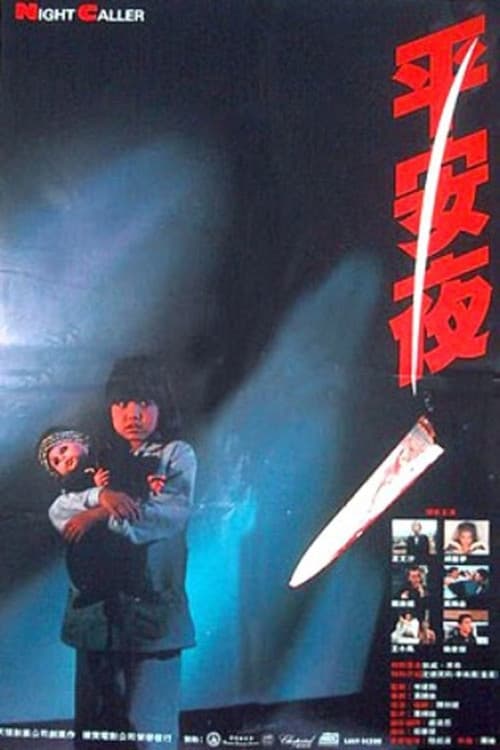
Inspector James Wong, a family guy cop, goes deep into a case and gets involved with a deranged killer. His partner and friend, Inspector Steve Chan, long with a new protégé Porky take over the case and look for Inspector Wong who's "enjoying" the twisted company of the killer. Can Inspector Chan and Porky find Inspector Wong before he becomes the latest victim of the psychotic killer?
Night Caller
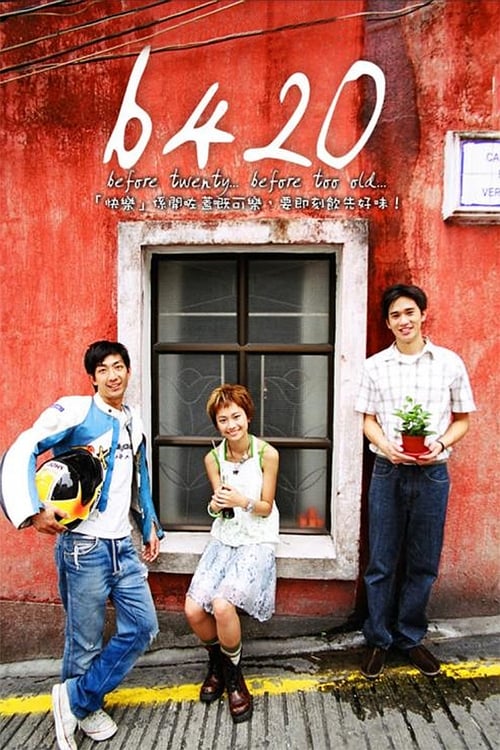
Koey believes happiness is like a bottle of coke, it'll soon become tasteless if you don't enjoy it right away. Simon believes happiness is similar to planting trees. You need to water them everyday, and the true satisfaction comes when they blossom. Willy does not believe in happiness at all. Three lives intersect. Three totally different personalities. Three ways of experiencing life and love.
b420
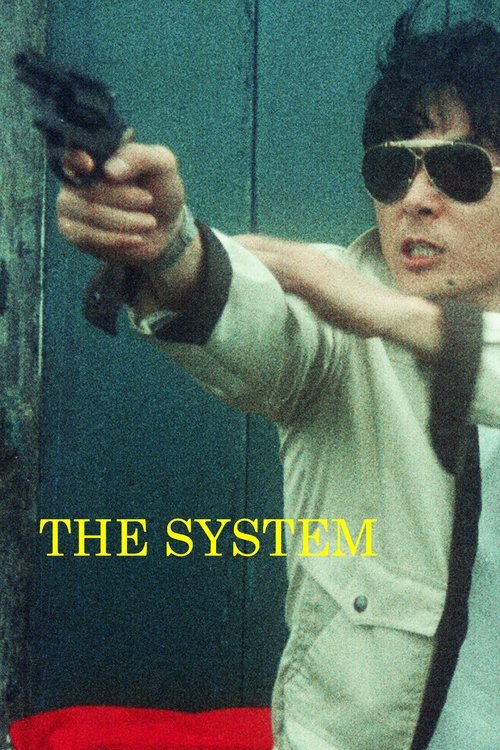
Inspector Chan is determined to crack a drug syndicate. He gets the goods on family man and drug addict/dealer Tam, and convinces him to become an informer. However, Tam betrays Chan and lets him down more than once. Chan persists with Tam, despite strong pressure from his skeptical superiors.
The System
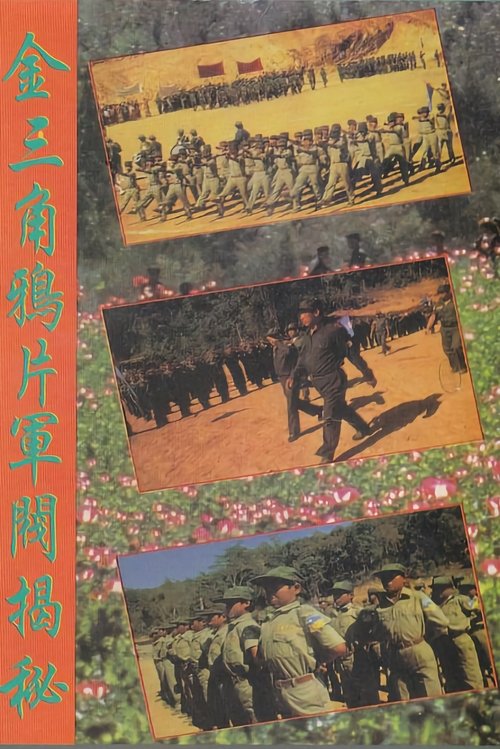
A decade after working together on The White Powder Opera, Yung reunited with director Adrian Cowell and cinematographer Chris Menges for this powerful and fascinating documentary about the drug trade in the Golden Triangle. Shot in the bordering areas of Laos, Thailand and Myanmar, the film shows the planting of opium, the production of heroin and how the finished product is transported to the rest of the world. The filmmakers even spoke to two rival drug cartels in the area and captured their operations on camera. Using archival footage and photos, Yung and Cowell also reconstruct the history of the drug trade from the 1940s to the 1980s. The Cantonese-language version being screened was re-edited by Yung himself, who also supervised a new narration by actor John Sham.
Warlords of the Golden Triangle
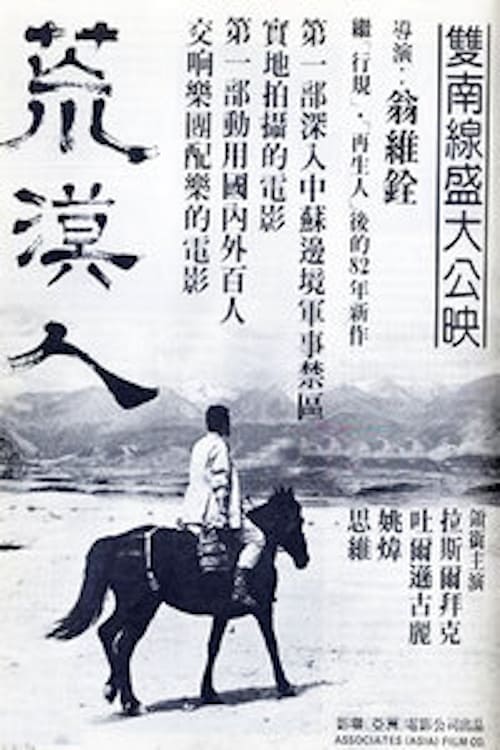
A drama film directed by Hong Kong New Wave filmmaker Peter Yung
Souls of the Wind
Set in Hong Kong, the narcotics documentary Opium: The White Powder Opera (1976-77) was commissioned by a British television station. Yung, its associate producer and cinematographer, joined the surveillance team of the Narcotics Bureau to acquaint himself with the workings of the drug trade. This paved the way for The System. In addition to the cat-and-mouse game between the cops and the druglord, a fascinating thread traces the relationship among dealers, junkies and mules in Sai Ying Pun. The title hails from Brecht’s The Threepenny Opera, another tragedy concerned with a capitalist society’s oppressed and exploited nobodies.
Opium: The White Powder Opera
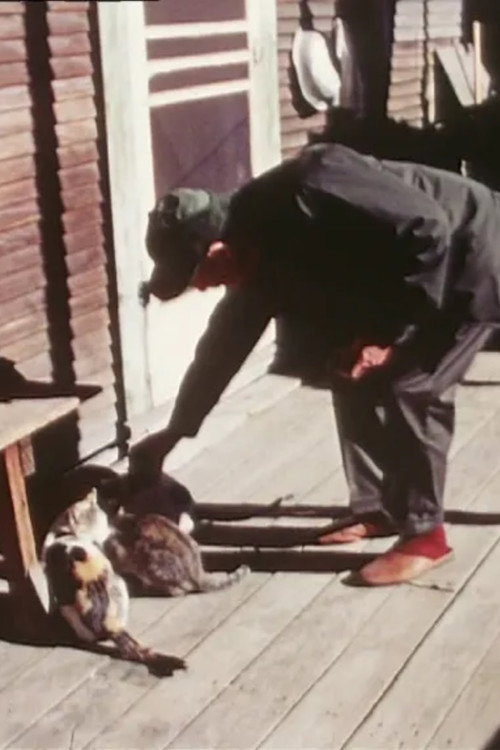
Peter Yung Wai-chuen's first documentary One Day in Locke (1971) was made to fulfil the wish of his teacher-mentor James Wong Howe, capturing the first Chinatown in the US. Locke locals were Chinese labourers who had come in the 19th century to build the railroad in California. As time passed, the town slipped into a slow decline which shrouded it in poetic desolation.
One Day in Locke
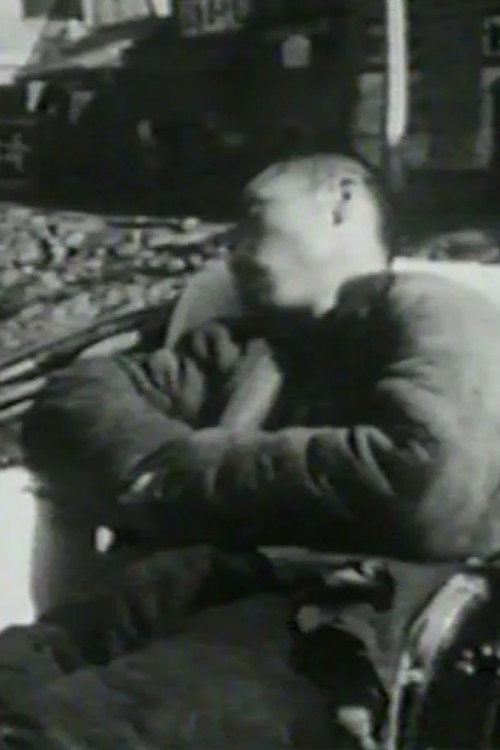
The Rickshaw Boy (1981) was another product of James Wong Howe’s wishes. In 1980, Yung travelled to Beijing to film retired old-time rickshaw pullers and their lives with family. The footage was juxtaposed with older footage by Howe who had gone to China in 1948 to shoot an adaptation of Lao She’s novel Rickshaw Boy. Beijing was still Peking in a way, but the times had changed.