Denavaka Hamine
Acting
Biography
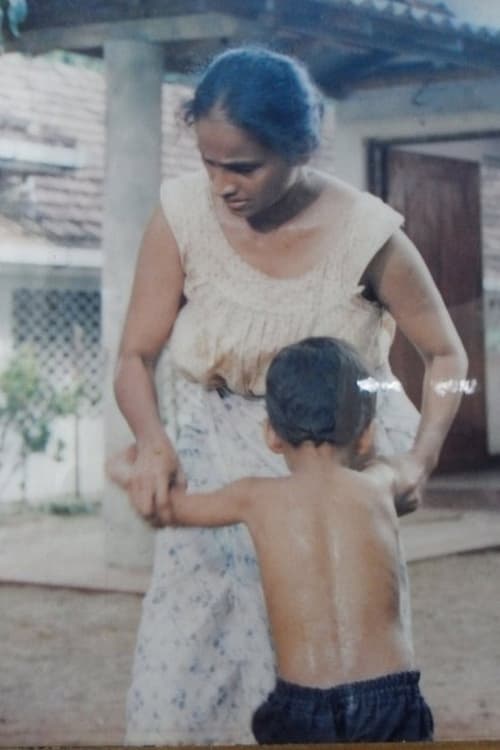
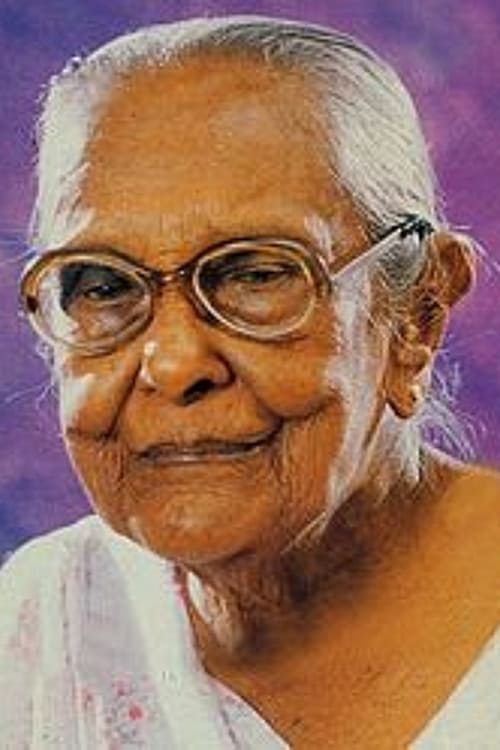
Kalasuri Dona Meraya Denawaka was a Sri Lankan actress. "The grand old lady" was known for portraying elderly characters. Hamine was born 20 February 1906 in Imbulgoda, Gampaha. She was by profession a school teacher until a chance encounter with G. D. L. Perera when she accompanied a young actress to a theatrical audition, led to her winning the role of an elderly mother in Perera's play Kandulu. Due to her masterful performance in the role, Perera brought Hamine into his drama group Kala Pela; she would play in Kala Pela productions like Manamalayo, Sakkarawattang and Sama and was honored with a merit award at the 1964 Arts Council Drama Festival for her role in Totupola. Hamine's debut film role was in the film adaption of Sama by Perera reprising the role she had popularized in the play. In Sath Samudura she played the mother of two fishermen to much critical rave. She was presented a Best Character Actress Award for the role by a special government council. It was delivered on stage by the then Sri Lankan prime minister Dudley Senanayake. In the 1970s, Hamine had major roles in Tun Man Handiya, Desa Nisa Kolomba Sanniya and Matara Achchi.
Known For

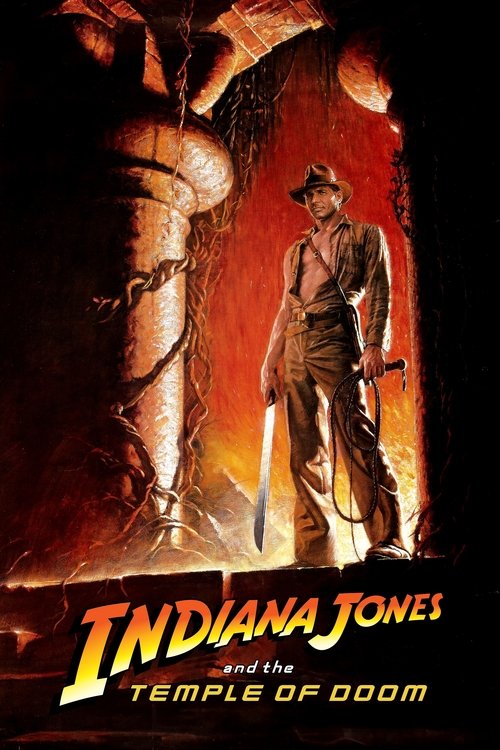
After arriving in India, Indiana Jones is asked by a desperate village to find a mystical stone. He agrees – and stumbles upon a secret cult plotting a terrible plan in the catacombs of an ancient palace.
Indiana Jones and the Temple of Doom

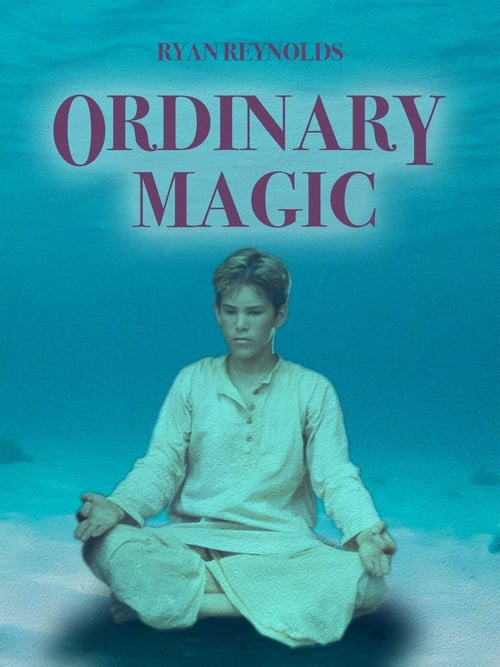
When his father dies, Jeffrey is sent to live with his aunt Charlotte in Canada. Once there he leads his aunt and his friends in staging, a non-violent hunger strike to try to save his aunt's house from being demolished to make room for a ski resort.
Ordinary Magic

This film indicated the formation of a cinematic language consisting of hyper-realistic images. The film won the award for Most Promising Director at the Critics' awards in 1994. It was also awarded Best Film, Best Director, and Best Screenplay at the 1998 OCIC awards.
Moon Lady

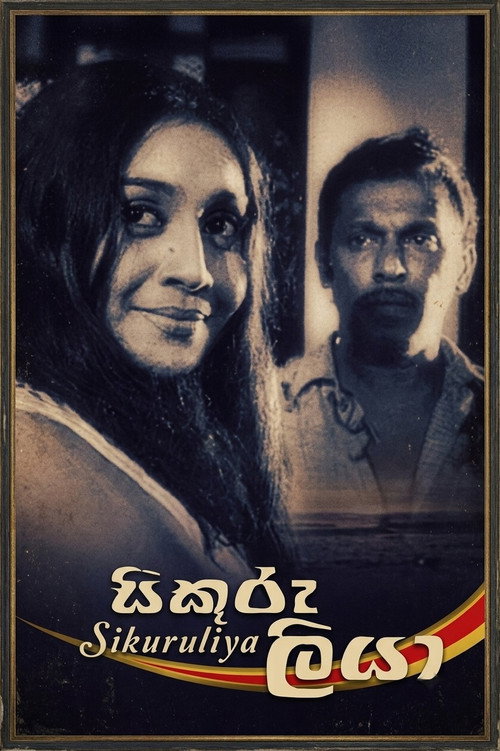
An illiterate and sexually frustrated young man finds himself attracted to a chic woman from the city who has come to his rural village as a school teacher.
Mee Haraka

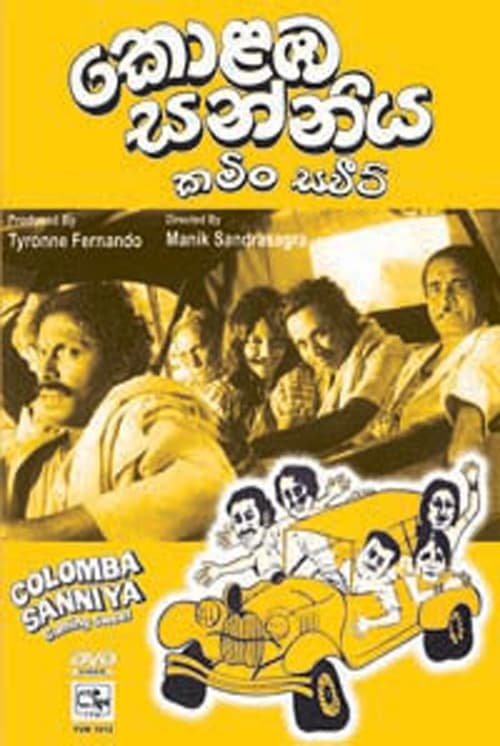
Kolomba Sanniya (Colombo Mania) is a 1976 Sinhalese language comedy film directed by Manik Sandrasagara that follows the lives of middle and upper-class people in rural and urban Sri Lanka. The film stars Geetha Kumarasinghe, Joe Abeywickrema and Denewake Hamine are notable for containing the first depiction of best comedy in a Sinhala film.
Kolomba Sanniya: Coming Sweet

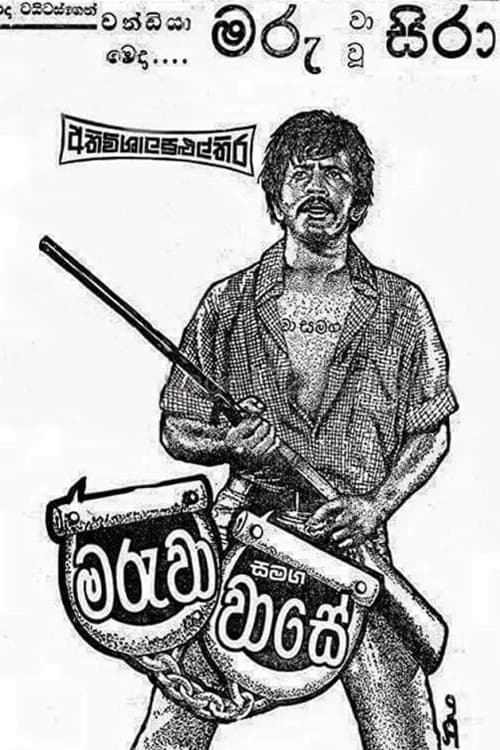
Based on the character of the infamous bandit Marusira, Maruwa Samaga Wase is another movie that was directed by Titus Thotawatte. Marusira A.K.A Siripala is a criminal who escaped death three times but was finally put to rest, which actually caused a huge controversy in society.
Maruwa Samaga Wase

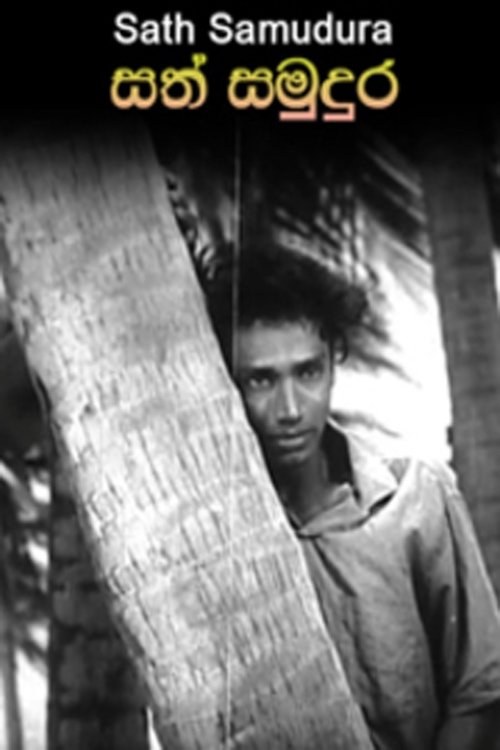
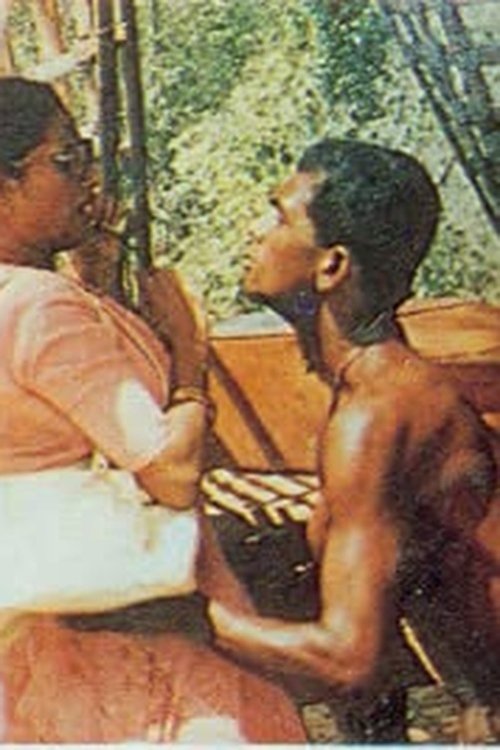
Sath Samudura is a landmark Sri Lankan film directed by professor Siri Gunasinghe and released in 1967. This film was critically acclaimed and is considered a major work in Sri Lankan cinema. It depicts the plight of fishermen living in the Southern Province of Sri Lanka.
Sath Samudura

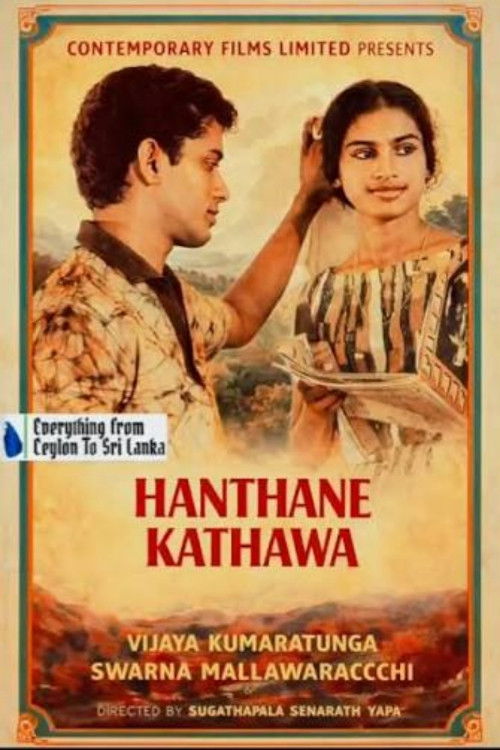
Anura, a village youth manages to qualify for university where he discovers a whole new world which threatens his beliefs and values.
Hanthane Kathawa

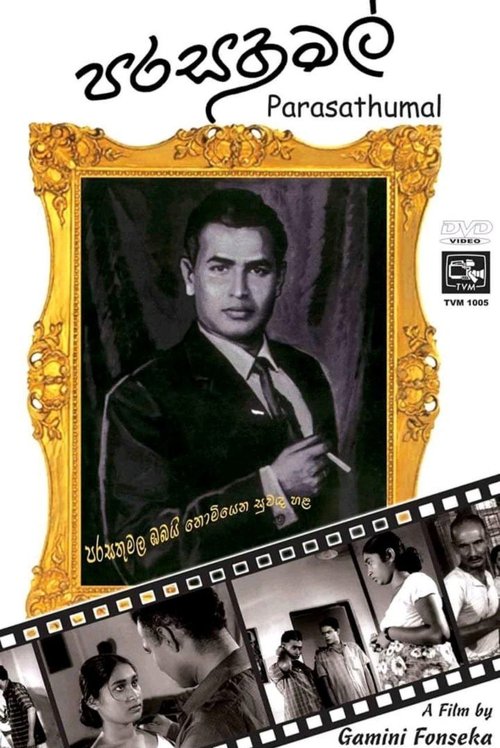
The story follows Bonny Mahaththaya (Gamini Fonseka), a wealthy and hedonistic landowner who lives a life of wine and pleasure. His world is challenged by his unrequited love for Kamala (Punya Heendeniya), who instead loves a humble worker named Sirisena (Joe Abeywickrama).
Parasathu Mal

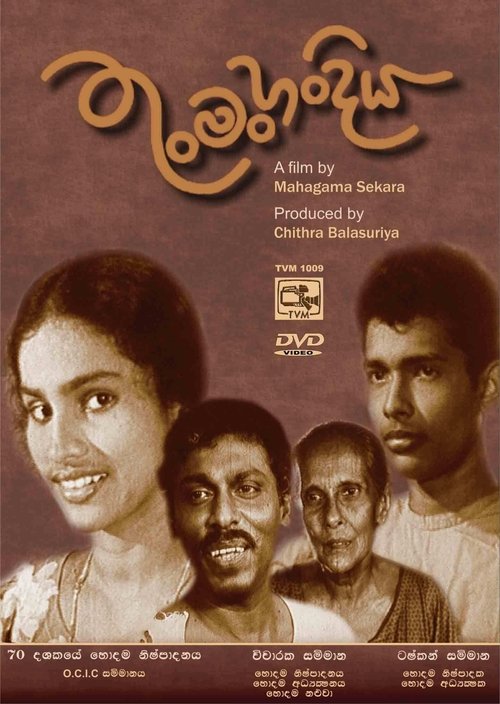
Based on the famous novel Thun Man Handiya, this movie demonstrates a fraction of life of a youth who reflects back to his childhood and steps to a new era of life when he moves to the Governmental Art Academy.
Thun Man Handiya

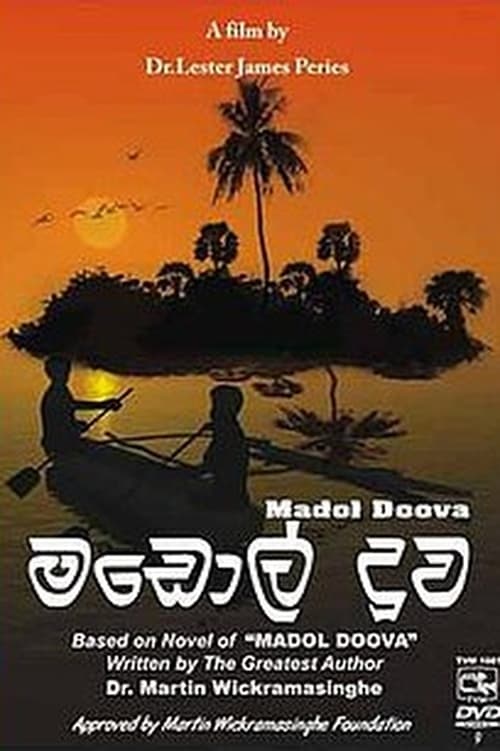
Madol Duwa (Mangrove Island) is a 1976 Sri Lankan drama film directed by Lester James Peries and produced by Upasena Marasinghe. The film stars Ajith Jinadasa as Upali, a young rebellious youth who travels to a small island to get away from the restrictive society around him. The film is based on Martin Wickremasinghe's 1947 novel Madol Doova. It was a commercial success
Mangrove Island

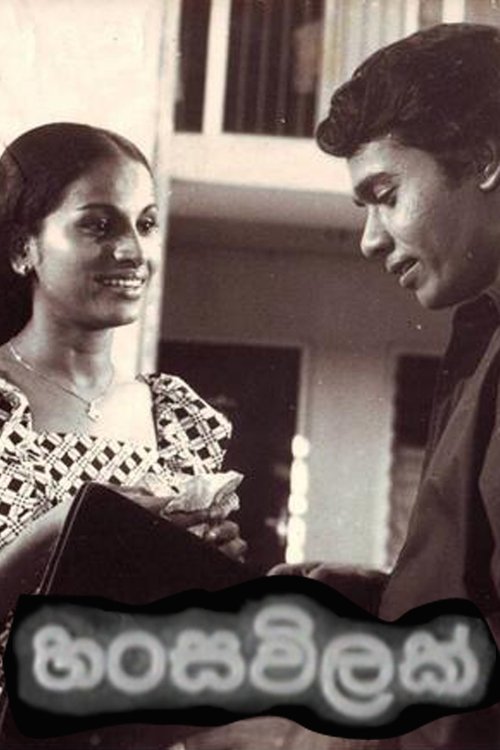
A married man (Nissanka) and woman (Miranda) find their lives disrupted after their affair is exposed by the police. Leaving their respective families, the two decide to live together. Shortly afterwards, Miranda secretly goes back to see her former husband. As paranoia mounts, Nissanka disintegrates psychologically to point where reality and fantasy are blurred.
HansaVilak

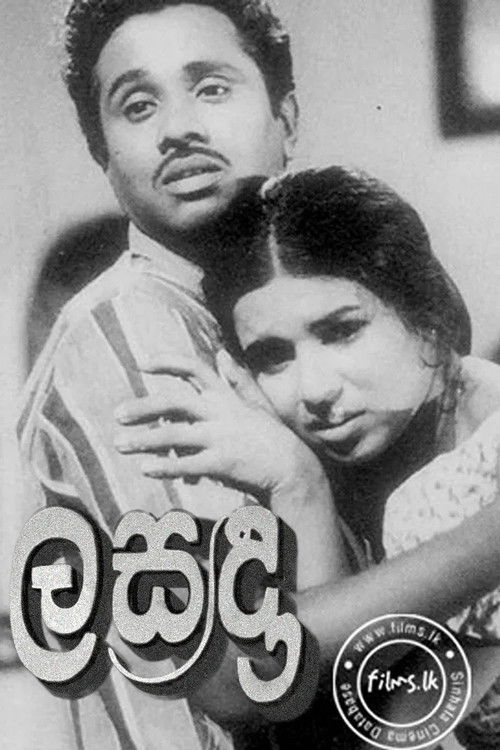
Lasanda is the name of the girl played by the famous actress Nita Fernando. Her acting amplifies the moral qualities of her heroine – a proud woman, irreconcilable to everything that degrades human dignity. The world is divided into two clearly delineated camps. In one of them are the rich mine owners and their accomplices, in the other - the working class, the poor, forced to make ends meet with odd jobs. The first reign supreme, believing that they can buy off any crime with money, although they fear an organized uprising by workers. The second are almost powerless in the face of tyranny and violence; their existence, their future depend on the whim of their masters.