Kate Fulton
Writing
Known For
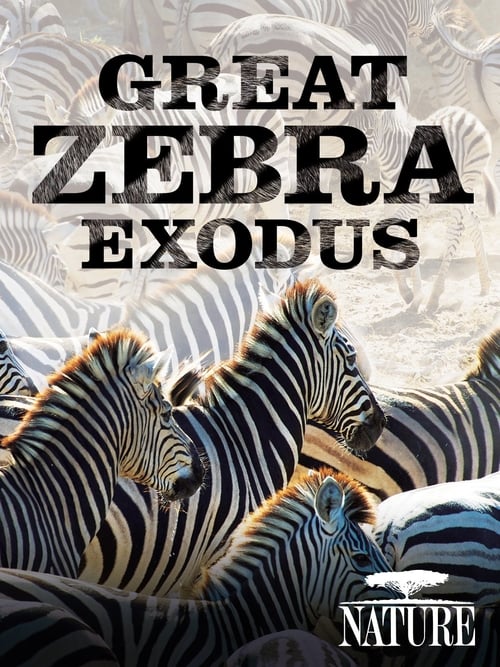
Each year, far from human eyes, a remote expanse of Botswana's Makgadikgadi salt pans hosts one of Africa's last great spectacles when thousands of striped nomads wander the breathtakingly beautiful but barren landscape. It is only by the grace of isolated summer rains that the zebras can survive here at all. Family groups gather together to follow the rains, driven by a constant search for better grazing on islands of grass that dot the pans. Meerkat families watch the zebras come and go, and families of lions wait for them along their grueling trek, hoping for a chance to bring one down. Their journey is one that is sometimes limited by the fragility of new life, but always made possible by the strong family ties that help animals survive in one of Africa's most surreal landscapes. It's a tale of loyalty and sacrifice, of home and exile, of death and new life, in southern Africa's largest zebra population.
Nature: Great Zebra Exodus
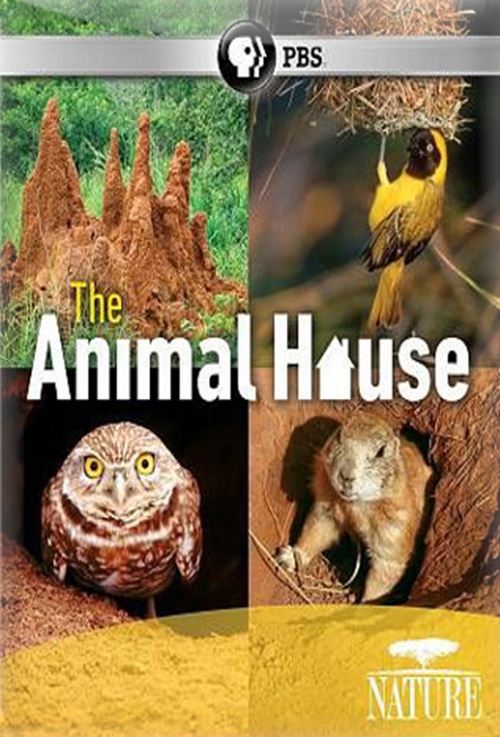
Why do some animals build structures and others don't? And how do animals decide where to build? Animal homes need to be safe and secure, protection from predators and the weather. Going above ground and under, we will investigate just what goes into making a home when you re wild and cost is not a factor.
The Animal House
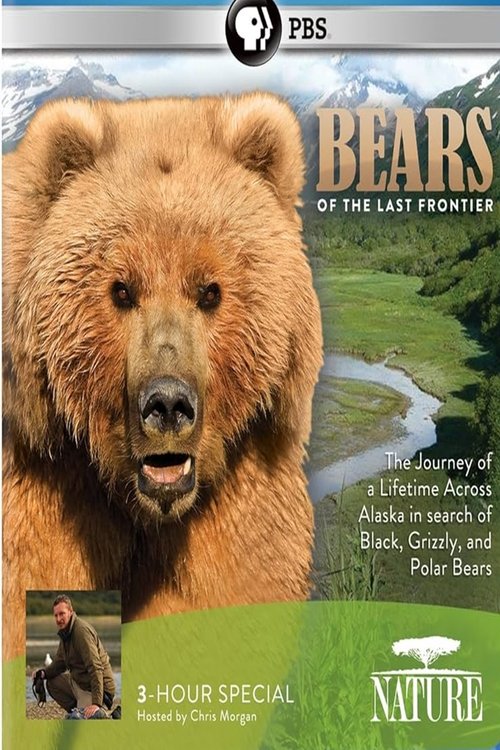
Nature joins adventurer and bear biologist Chris Morgan on a year-long motorcycle odyssey deep into Alaska's bear country to explore the amazing resiliency and adaptability of these majestic animals as they struggle to make a living in five dramatically diverse Alaskan ecosystems: coastal, urban, mountain, tundra, and pack ice.
Bears of the Last Frontier
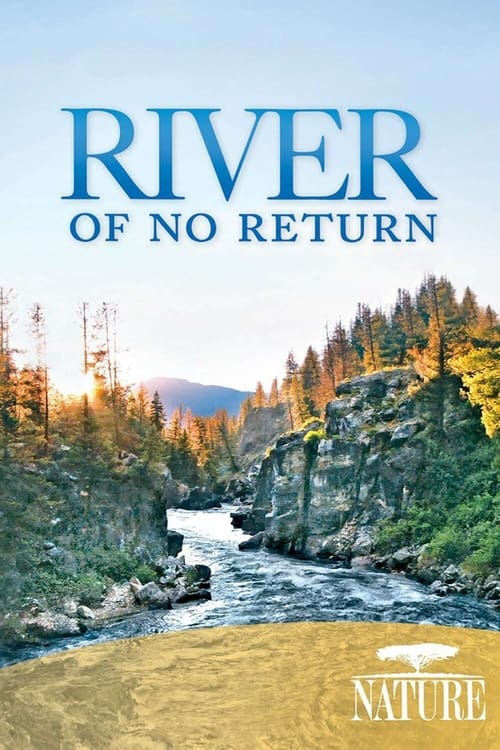
River of No Return Wilderness is the largest contiguous wilderness area in the lower 48 States. Endless rugged mountains, wild rivers, forests and deep canyons define this land, home to numerous species of wildlife, including wolves, who have just returned after 50 years of near absence. A young couple, Isaac and Bjornen Babcock, chose this wilderness for their year long honeymoon. But what begins as a romantic adventure becomes something much greater for the couple, and a tale of hope and celebration for every life trying to make it in the unforgiving heart of the wilderness.
River of No Return
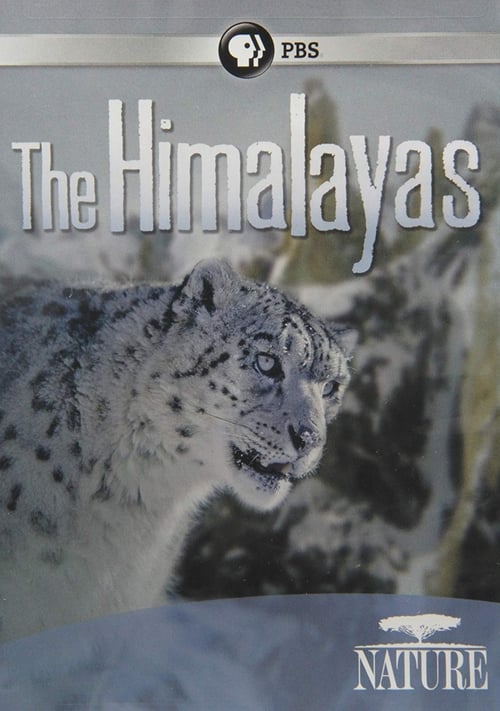
The highest mountain range in the world, the Himalayan range is far reaching, spanning thousands of miles, and holds within it an exceptionally diverse ecology. Coniferous and subtropical forests, wetlands, and montane grasslands are as much a part of this world as the inhospitable, frozen mountaintops that tower above. The word Himalaya is Sanskrit for abode of snow, fitting for a stretch of land that houses the world’s largest non polar ice masses. Extensive glacial networks feed Asia's major rivers including the Ganges, Indus, and Brahmaputra. More than a billion people rely on these glacier-fed water sources for drinking water and agriculture. The Himalayas are not only a remarkable expanse of natural beauty. They're also crucial for our survival.
The Himalayas
The Australian pelican is built for long distance travel. One of the largest pelicans in the pelican family, with a light skeleton and a wingspan of over eight feet, it can be airborne all day and deep into the night, riding far and high on rising thermals. When rare weather systems bring heavy rains, huge numbers of Australian pelicans abandon the sea and coastal waters and embark on a mass pilgrimage to a place a thousand miles inland. It’s the last place you would look for one of their kind, the Australian Outback, one of the driest, hottest places on the planet.
Outback Pelicans
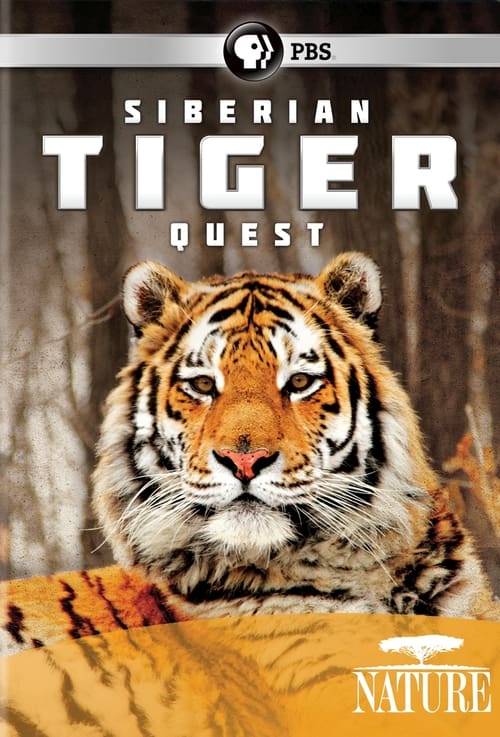
Embark with conservation ecologist Chris Morgan on a great challenge: to find and film the Siberian tiger.
Siberian Tiger Quest
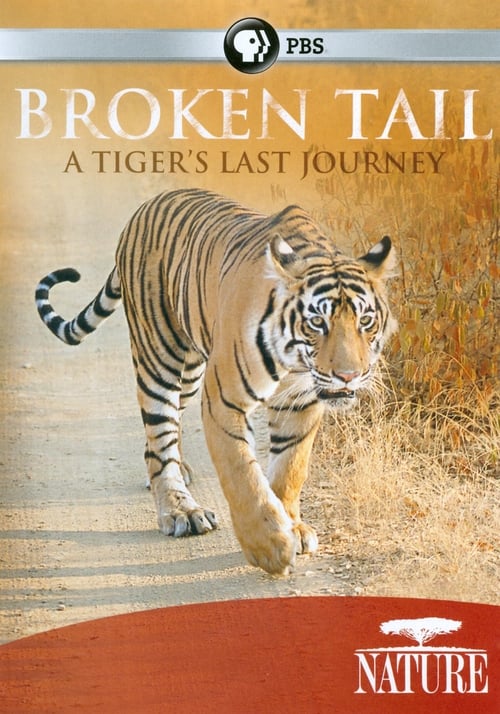
One day, Broken Tail, the tiger, simply disappeared. A year later, there's news that Broken Tail was killed by a train, 100 miles away from Ranthambhore. This raised a question, how did Broken Tail travel so far and why did he leave?