Acting
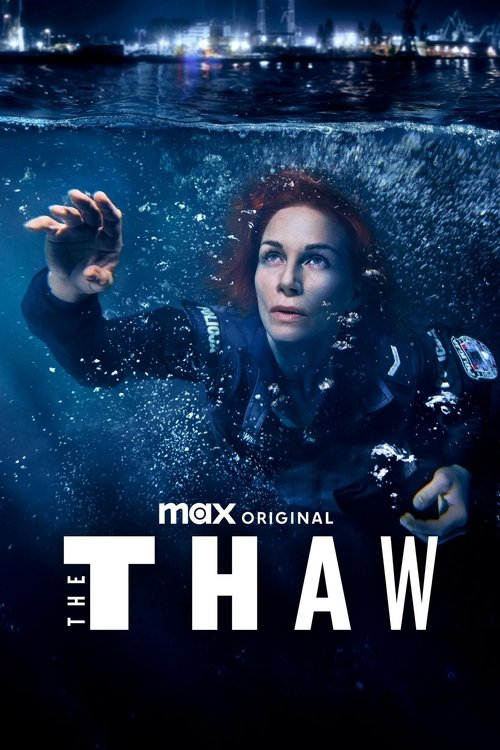
Set in Szczecin, Poland, the series begins after the body of a young woman is discovered under the melting ice. It asks ‘Who was she? Why did she die? Who did she leave behind?
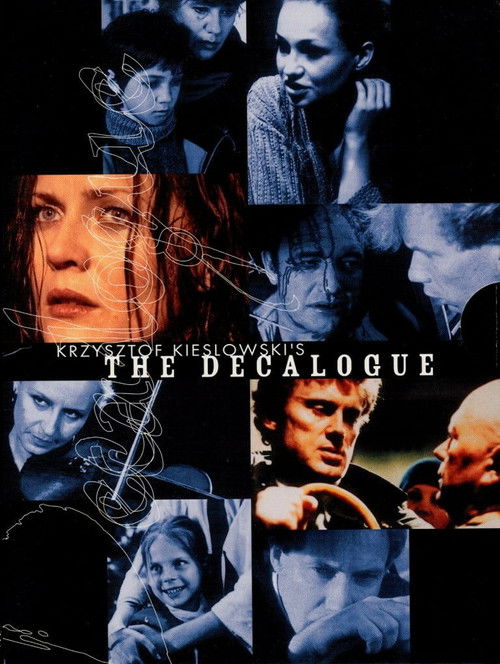
The Ten Commandments, exact and uncompromising, literally cast in stone, continues to provide a source of moral conflict in contemporary society. In the ten part collection of films, The Decalogue, Krzysztof Kieślowski examines the dilemma of fundamental sin in the lives of ordinary Warsaw citizens.
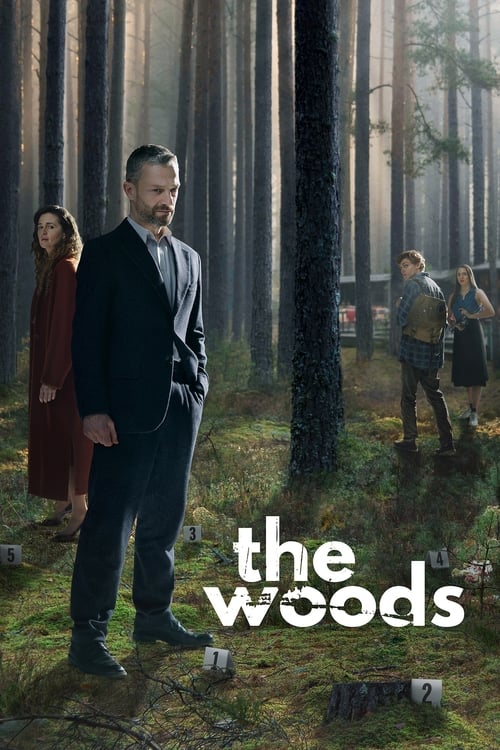
Evidence found on the body of a homicide victim sparks hope in a prosecutor that his sister who disappeared 25 years earlier could still be alive.
Jacek is a foodie, gay and Warsaw bon vivant who has his own TV show, several similarly eccentric close ones around him and self-destructive tendencies. A dramedy that makes fun of the Polish artistic elite, for whom Warsaw is “the only real Polish city”, cannot be compared to other shows. It is the authorial work of playwright and screenwriter Pawel Demirski. He wrote it from the beginning with the intention of presenting a hero contrasting with the burnout syndrome often felt today - a vital madman who believes the best is yet to come.
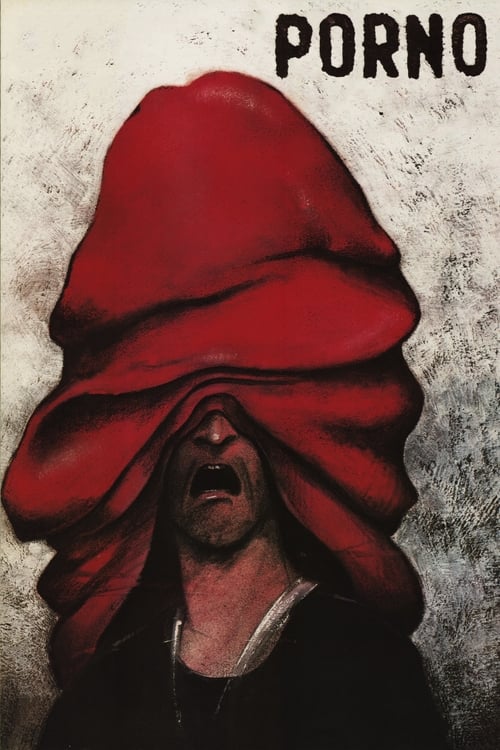
Michał, a mature man and father, is full of bitterness, regret, and longing for unfulfilled youthful dreams of true love. He reminisces about all his past lovers. With his first, Asia, he went on a seaside camping trip. He was 19 at the time, and she was two years younger. Despite his unambiguous advances, the girl resisted for a long time. Eventually, however, she gave in. For Michał, it was the proverbial pebble that caused an avalanche.
On the eve of World War II, Polish families are getting ready to defend the city.
No description available.
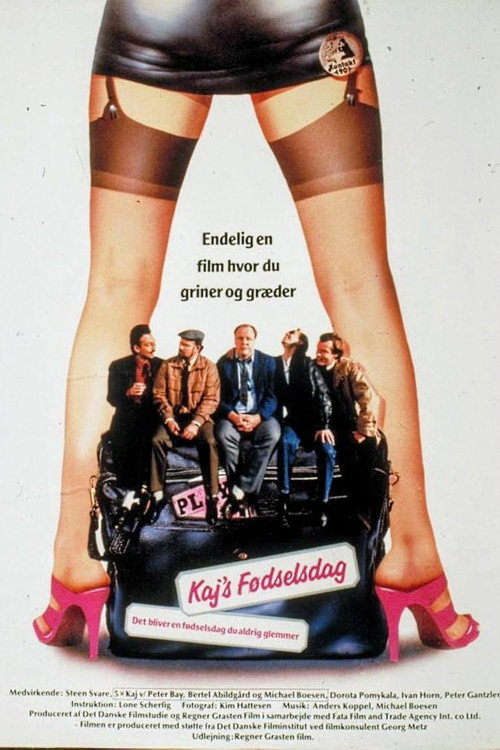
When the hot-dog vendor Kaj from the small town of Skælskør in Denmark turns 40, his friends take him on a trip to Poland, to a long party with cheap liquor and emigration eager polish ladies. It will go merrily, but it gets serious for Kaj as he meets a girl who mistakes him for a wealthy Toyota dealer she has exchanged letters with.
A bright, young officer joins General Police Headquarters to investigate one of its lead inspectors and the criminal cases he's working on.
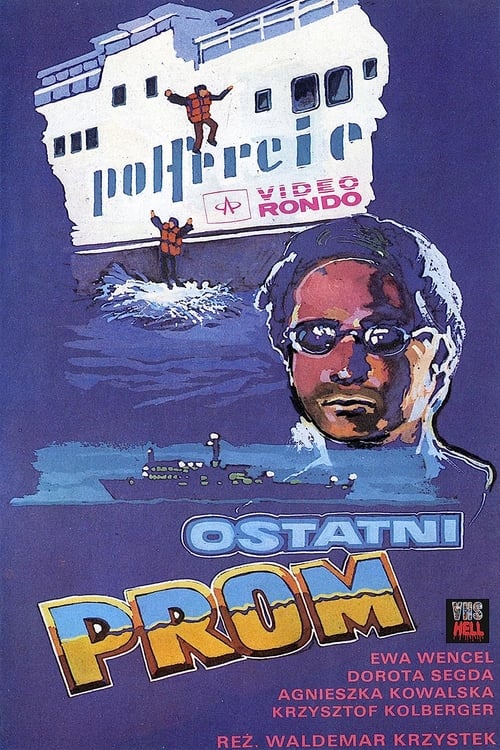
One of the passengers on a ship carrying Poles on a cruise in December 1981 is a dissident high school teacher sent abroad by Solidarity. He is under surveillance of the secret police, anxious to get their hands on the info that he is carrying. When the ship is in the middle of the Baltic sea, martial law is declared and the ship is militarized. The captain announces he will turn and return the home port. Many anguished passengers put the life vests on and jump into the sea, where they are picked up by two German ships. The teacher, however, decides to return to Poland and continue the struggle for freedom.
Maciek (35), tricked by his boss, steals his boss's car and goes on a desperate joyride across. He drives across the interior of Poland, where people are preparing for a celebration of an unspecified anniversary. In the meanwhile, Magda (35), a Town Hall employee in charge of the anniversary events, Highly committed at first, gradually notices all the dirt and corruption around her. At some point, she must choose between her career and integrity, whether she should accept it or risk her career and leave. Finally, on the celebration day, Maciek and Magda finally meet. Will it change anything for them?
Good Death follows a young Polish woman and a middle-aged Japanese woman who arrive at a tranquil resort in Taiwan that offers compassionate euthanasia.
Piotr quits his waiter job in Vienna to set up as a self-taught psychoanalyst “for women only” in his native Kraków, despite having no real qualifications. His clinic overflows with secret-sharing clients whose confessions drag him into tangled romantic entanglements.
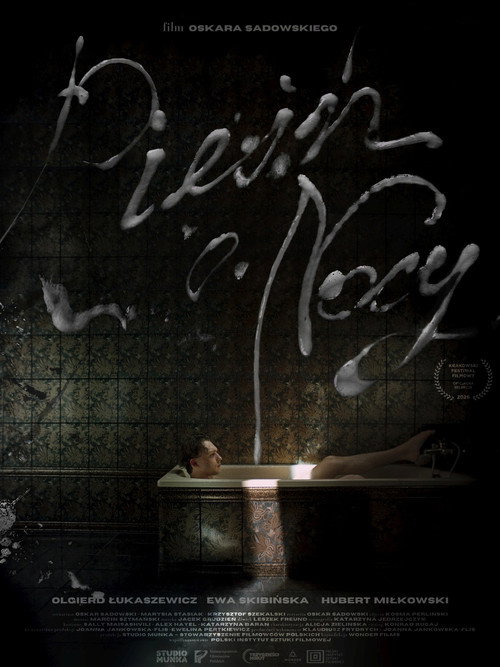
In a bourgeois home, an elderly man named Zbigniew is nearing the end of his life. To provide companionship and break the monotony of his decline, his wife brings a mysterious young man into their house. The stranger's presence acts as a catalyst during a stifling summer night. A strong emotional connection develops between the dying man and the visitor. This encounter allows Zbigniew to confront feelings he has kept quiet throughout his life. Aware of his limited time, he chooses this moment to reveal a deeply held secret about his personal identity that he had hidden for decades. This revelation impacts the couple's relationship, turning the night into a ritual of reflection, farewells, and final reconciliation with his true self.
Bartek lives in a village in the Podhale region, where he runs a small farm and takes care of his lonely and possessive mother. One day he meets Dawid, a slightly older man who comes to visit his family after many years of absence. Affection quickly develops between the two, followed by desire that Bartek suppressed for years.
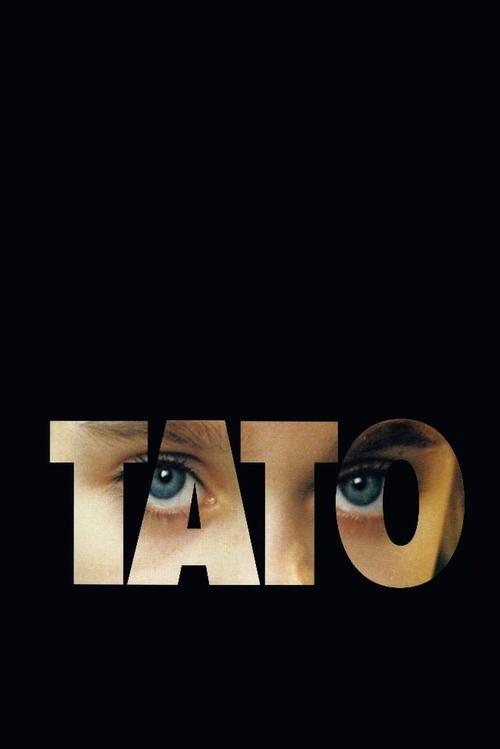
Tato is the story of a divorced father fighting for the right to raise his 7-year-old daughter. When his marriage falls apart, he decides to kidnap his daughter rather than let the court award custody to his mentally ill wife, whom he deems unfit to raise their child. But as he quickly finds out, it’s easier to be a real man than it is to be a real father.
Zofia, a professor of ethics, is visited by Elżbieta, an American researching the fate of Jews who survived World War II. A daytime classroom conversation turns into a night of confrontation, and Zofia is forced to answer for a decision she made decades ago that directly affected the course of Elżbieta’s life.
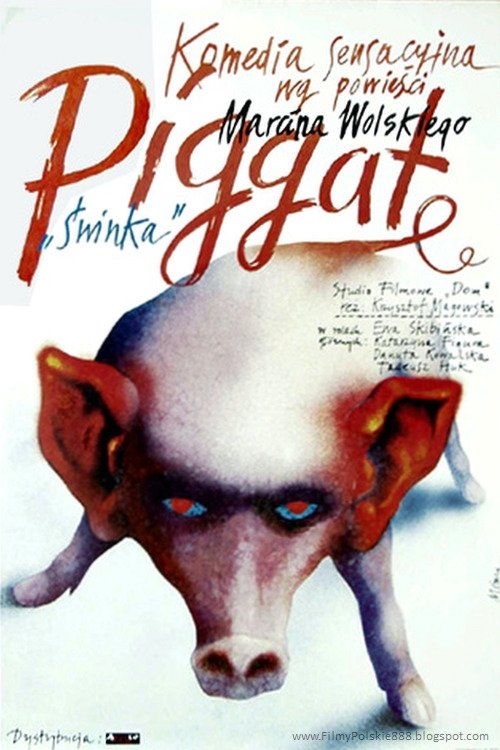
The esteemed transplantologist is the victim of a conspiracy of his colleagues, as a result of which his brain is transplanted into a pig.