Yukio Mishima
Writing
Biography
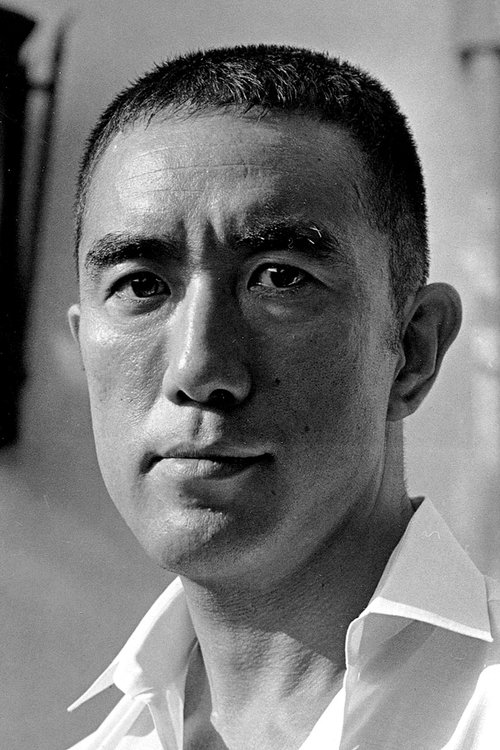
Yukio Mishima (三島 由紀夫 Mishima Yukio) is the pen name of Kimitake Hiraoka (平岡 公威 Hiraoka Kimitake, a Japanese author, poet, playwright, actor, and film director. Mishima is considered one of the most important Japanese authors of the 20th century.

Known For

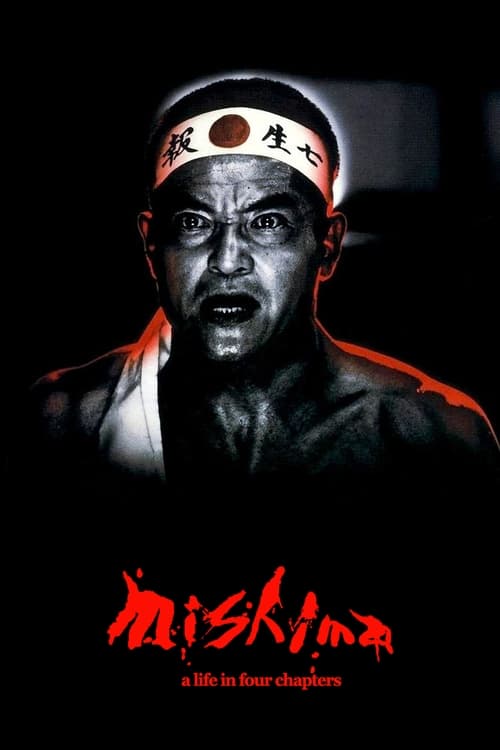
A fictional account of the life of Japanese author Yukio Mishima, combining dramatizations of three of his novels and a depiction of the events of November 25th, 1970.
Mishima: A Life in Four Chapters

A brilliant collection of beautifully animated episodes based on selected masterpieces of Japanese modern literature. The aim of this series is to appeal to the viewer at large and to give him or her some idea of the variety and individuality which Japanese literature has developed over the last hundred years. The authors range from Higuchi Ichiyou (Takekurabe), Mori Ougai (The Dancing Girl) and Natsume Souseki (Botchan) to Kawabata Yasunari (The Izu Dancer), Nobel laureate of 1968, and Mishima Yukio (The Sound of Waves).
Animated Classics of Japanese Literature
Presents a filmed, intercontinental conversation that links moderator Edward R. Murrow in New York with three internationally known figures located in different parts of the world. What set this apart from other televised interview/discussion programs was the fact that its participants could not see each other but could hear one another via telephone lines and radio.
Small World

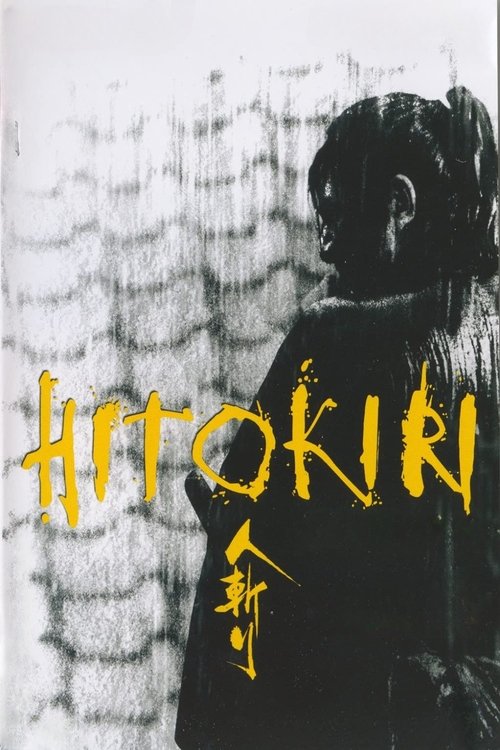
A ronin desperately seeks a way out of financial straits; he allies with the Tosa clan under the ruthless leader Takechi, who quickly takes advantage.
Tenchu!

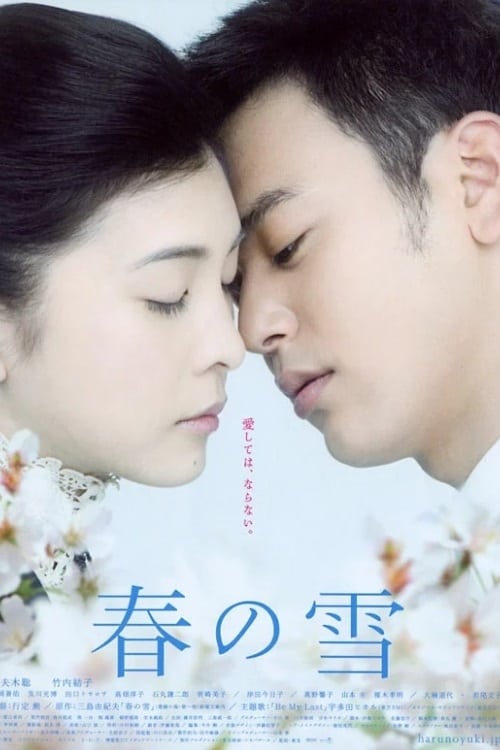
Based on the first novel, Spring Snow, of Mishima Yukio's Sea of Fertility tetralogy, it follows the troubled and illicit affair between two youngsters amongst the aristocracy and rich of early twentieth century Japan.
Spring Snow

A family believes they are aliens from other planets and tries to save Earth from impending calamity.
A Beautiful Star

On his release from prison a young yakuza, along with his brother, decides to turn his back on criminal life instead of taking over the position of his recently deceased father, boss of the Asahina clan. But their exit proves more difficult than planned when their rival clan steps in to exact revenge.
Afraid to Die

A young woman undergoes psychiatric treatment after she no longer hears music and develops sexual hang-ups.
Music

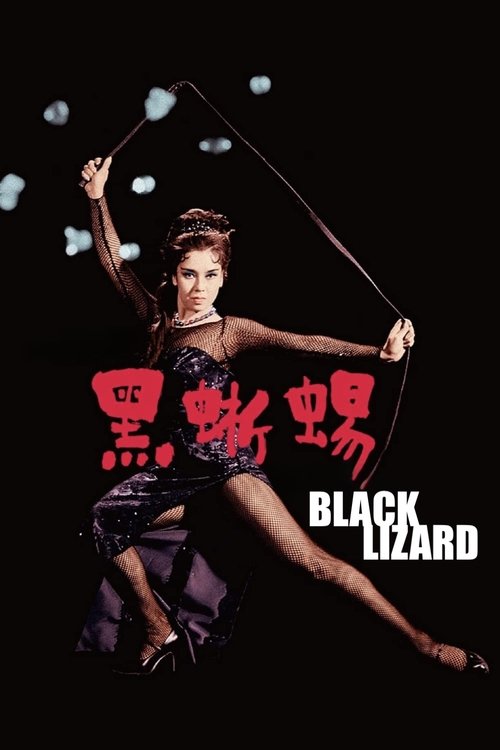
The cunning detective Akeichi must foil a kidnapping plot orchestrated by the notorious jewel thief known as Black Lizard.
Black Lizard

A study of Tennessee Williams's life and work as a whole, ranging from his youth in Mississippi and in St. Louis to success and acclaim, followed by the final difficult years. Includes some of the most celebrated scenes from film adaptations of Williams' work, among them extracts of A Streetcar Named Desire (1951),Cat on a Hot Tin Roof (1958), Night of the Iguana, The (1964), and Suddenly, Last Summer (1993) (TV). Contains footage of Williams being interviewed, including conversations with David Frost, 'Edward R. Murrow (I)', and Melvyn Bragg, as well as reminiscences from people who knew and worked with him, among them Edward Albee, Gore Vidal, and his lifelong friend, Lady Maria St. Just. Features readings from Elia Kazan's Notebook by Kim Hunter.
Tennessee Williams: Orpheus of the American Stage

A detective tries to outwit an art loving thief who has kidnapped the daughter of a jeweler to get to an exquisite diamond.
Black Lizard

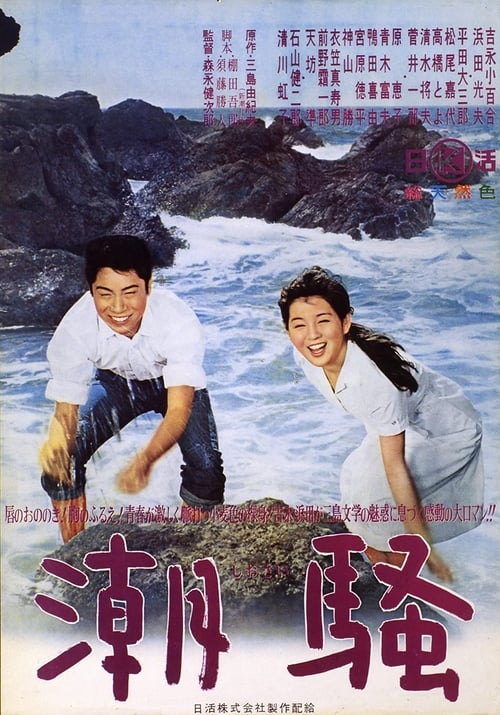
On a small island, inhabited by only fourteen hundred people, a young fisherman's son, Shinji falls in love with Hatsue, the daughter of the richest and most difficult man on the island. Despite their differences in class, they begin to meet and rumors spread of them having an illicit affair. Soon after, Shinji jumps into a stormy sea to help a ship in distress. The vessel turns out to be owned by Hatsue's arrogant father, who now becomes an understanding and sympathetic parent and allows the two lovers to marry.
The Sound of Waves

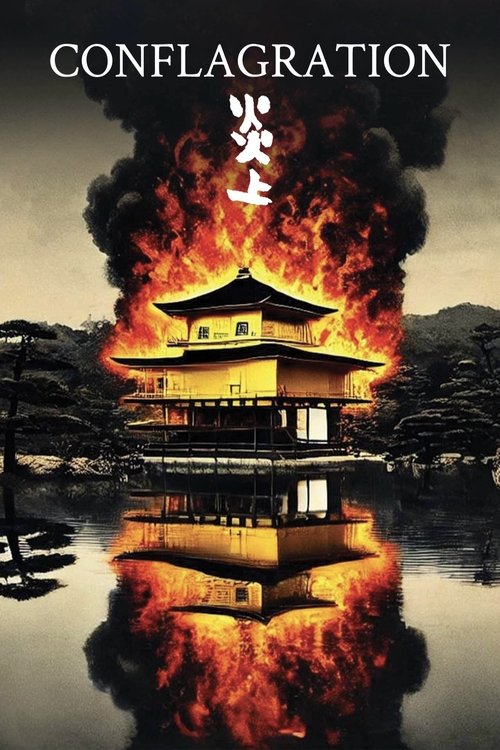
Learning of his family's collapse, acolyte Goichi, sent to study silently at the Temple of the Golden Pavilion, must endure acute psychological distress.
Conflagration

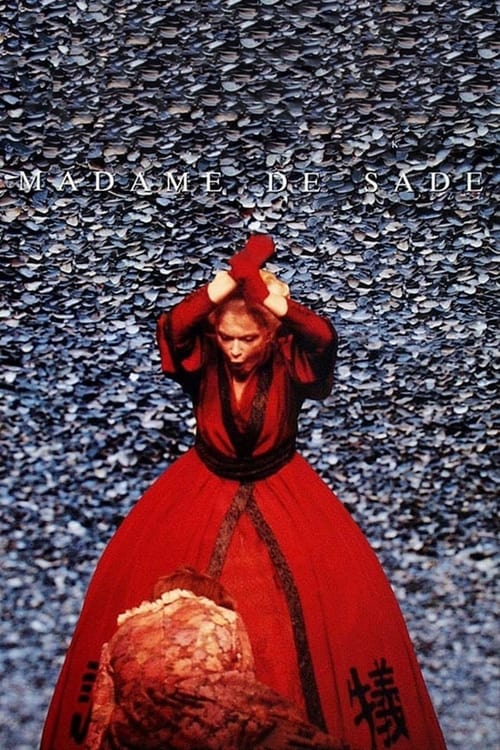
This television production captures Ingmar Bergman’s stage adaptation of Yukio Mishima’s Madame de Sade, set in France from 1772 to the aftermath of the French Revolution. While the Marquis de Sade remains imprisoned, six women—including his wife Renée—debate his actions, reputation, and meaning, revealing conflicting views on devotion, morality, and power.
Madame de Sade

A young wealthy widow becomes sexually involved with her father-in-law, while harboring a destructive obsession with the family gardener.
Thirst for Love

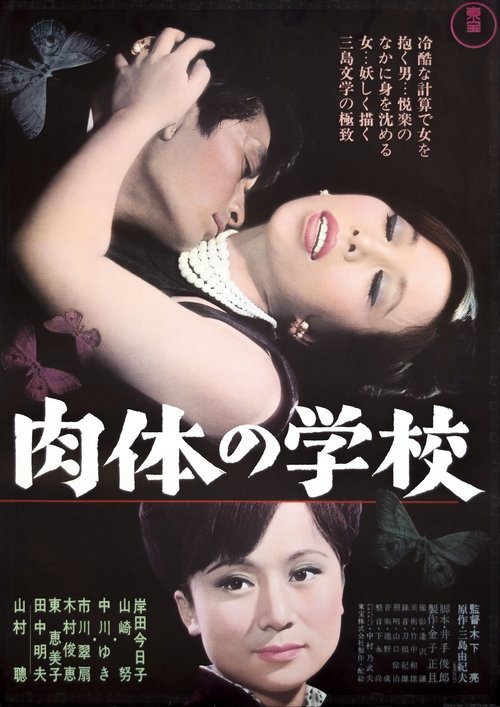
A love story about a former noblewoman who greedily enjoys love after breaking up with her unhappy marriage after the war, in pursuit of a wild and pure Japanese man. Three gorgeous 39-year-old single women who are in the same situation get excited about each other’s love affairs. Adapted from Yukio Mishima's novel.
The School of Flesh

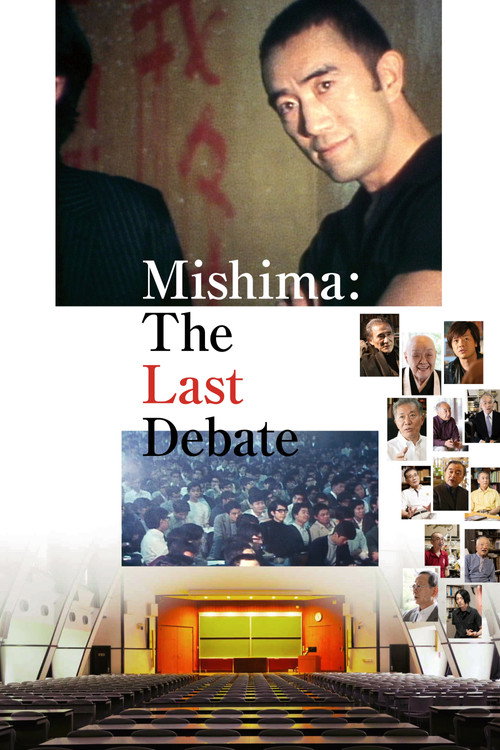
A BBC television documentary on the life of Yukio Mishima that highlights the many known major aspects of his life and personality.
The Strange Case of Yukio Mishima

Lonely youth Shinji meets Hatsue, a pretty pearl diver, on the beach and the two fall in love. But Shinji has a rival for Hatsue's affections, Yasuo.
The Surf

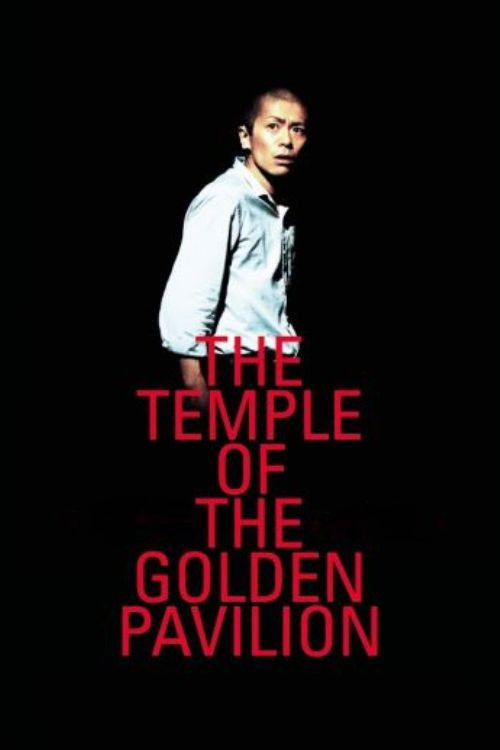
The story takes place during the end of the Pacific War and the aftermath period and it focuses on Mizoguchi, who is the son of a Buddhist Priest. When his father dies, he’s sent to the Temple of the Golden Pavilion in Kyoto. Mizoguchi is physically unattractive and becomes, in some way, jealous of the beautiful Temple that he loves so much.
The Temple of the Golden Pavillion

No description available.