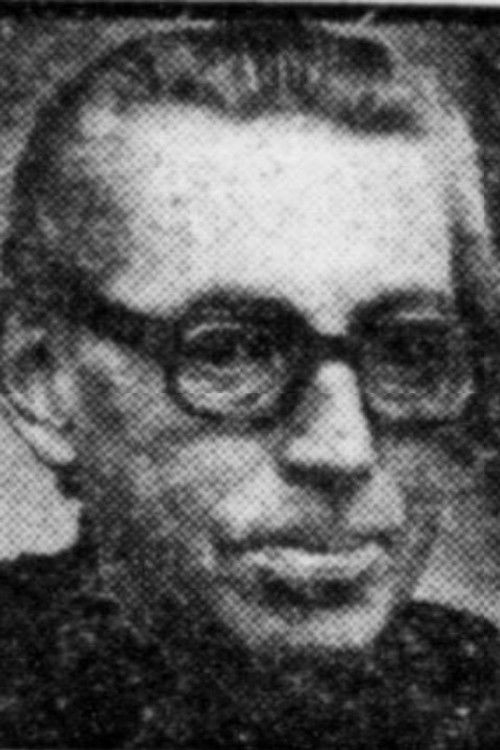
George Spenton-Foster
Directing
Biography
George Spenton-Foster (11 November 1926 – 26 December 1993) was a British television director and television producer. Joining the BBC in 1948 as George Spenton, he worked as a call boy on productions including The Quatermass Experiment. A move to production assistant led to a promotion as director in 1963, adopting Spenton-Foster as his professional surname by the mid-sixties. After producing a few anthology series in his homeland, like Thirty-Minute Theatre, he went to Australia in 1968 to produce a short-lived police series, The Link Men (1970). For the BBC, Spenton-Foster directed two Doctor Who stories: Image of the Fendahl (1977) and The Ribos Operation (1978). He also directed four Blake's 7 episodes from its second series in 1979: "Weapon", "Pressure Point", "Voice from the Past" and "Gambit". In late 1982, Spenton-Foster left the Liverpool-based soap opera Brookside four days before it aired because of a disagreement over bad language in the dialogue.
Known For
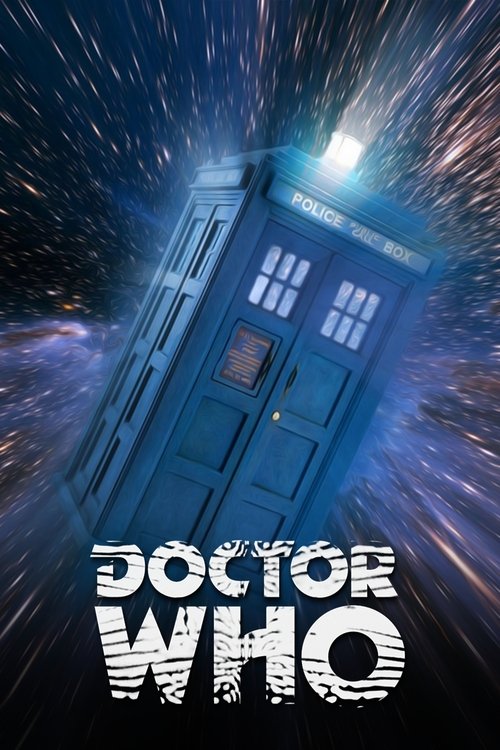
The adventures of The Doctor, a time-traveling humanoid alien known as a Time Lord. He explores the universe in his TARDIS, a sentient time-traveling spaceship. Its exterior appears as a blue British police box, which was a common sight in Britain in 1963 when the series first aired. Along with a succession of companions, The Doctor faces a variety of foes while working to save civilizations, help ordinary people, and right many wrongs.
Doctor Who

Theatre 625 is a British television drama anthology series, produced by the BBC and transmitted on BBC2 from 1964 to 1968. It was one of the first regular programmes in the line-up of the channel, and the title referred to its production and transmission being in the higher-definition 625-line format, which only BBC2 used at the time.
Theatre 625

A group of convicts and outcasts fight a guerrilla war against the totalitarian Terran Federation from a highly advanced alien spaceship.
Blake's 7
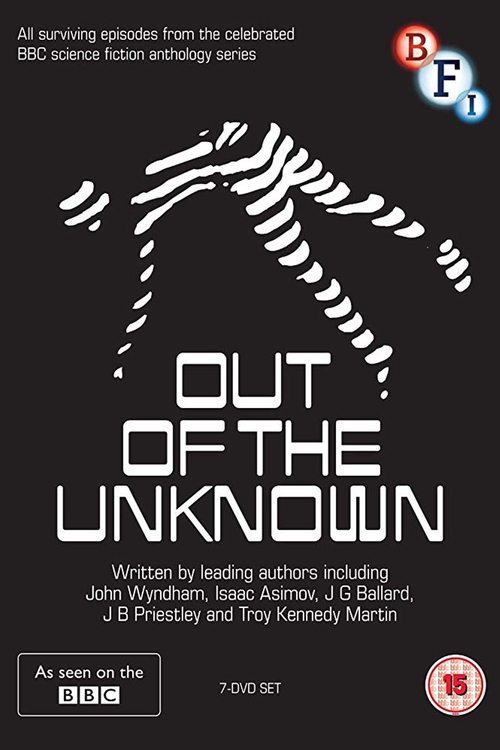
Out of the Unknown is a British television science fiction anthology drama series, produced by the BBC and broadcast on BBC2 in four series between 1965 and 1971. Each episode was a dramatisation of a science fiction short story; some were created for the series, but most were adaptations of already published stories. The first three years were exclusively science fiction, but that genre was abandoned in the final year in favour of horror and fantasy. A number of episodes were wiped during the early 1970s, as was standard procedure at the time.
Out of the Unknown
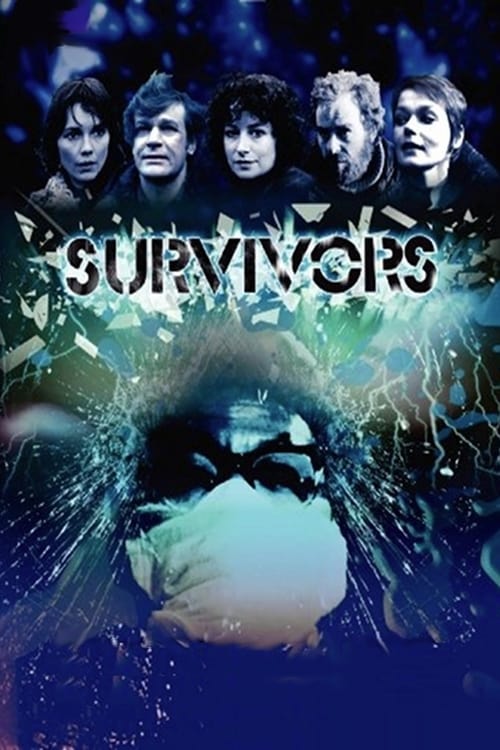
Survivors is a British post-apocalyptic fiction television series devised by Terry Nation and produced by Terence Dudley at the BBC from 1975 to 1977. It concerns the plight of a group of people who have survived an accidentally released plague – referred to as "The Death" – that kills nearly the entire human population of the planet.
Survivors
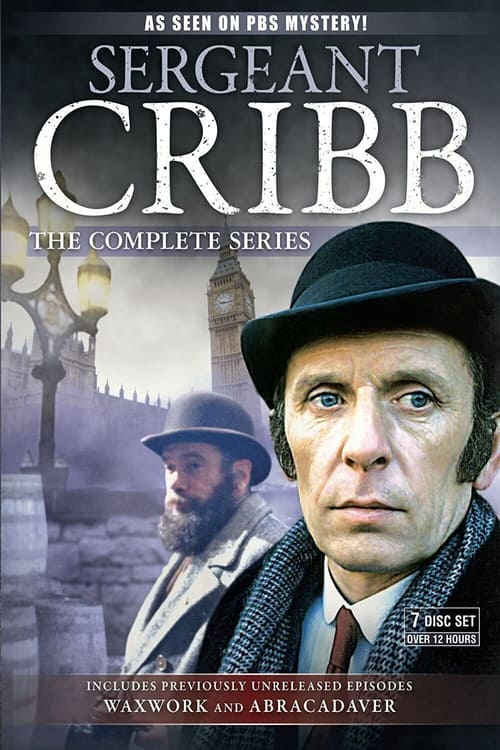
Victorian England, the late 1800s: Detective Sergeant Daniel Cribb of the newly formed Criminal Investigation Department (CID) is determined to remove crime from the streets of London using the latest detection methods.
Cribb
Barlow at Large is a British television programme created by Troy Kennedy Martin and Elwyn Jones. It broadcast from September 1971 to February 1975, with a total of 29 episodes across four series. Stratford Johns reprises his role of DCI Charles Barlow from Z-Cars, Softly, Softly, and Softly, Softly: Taskforce. Barlow at Large originated as a three-part self-contained spin-off from Softly, Softly in 1971 with Barlow co-opted by the home office to investigate police corruption in Wales. Johns departed in 1972, but returned for a further series of Barlow at Large in the following year, Barlow having gone on full-time secondment to the Home Office. In 1974, the series was rebranded Barlow and two further series of eight episodes each followed, introducing DI Tucker. After the finale's transmission in February 1975, Barlow was next seen in the programme Second Verdict in which he, alongside a former colleague, investigates unsolved cases and unsafe historical convictions.
Barlow

London itself takes the starring role in this series of plays from the BBC – a role which varies between hero and villain, enchantress and harpy. The series features extensive location filming, ranging from Soho to the Law Courts, Wembley to the docks. Of the twelve episodes, eleven are believed to be lost.
Londoners

The Regiment is a 1972 BBC One television drama series starring Christopher Cazenove and follows the story of a British Army regiment from the view of two families.
The Regiment
Dr Max Harrow is awakened from a re-current nightmare in which he is pursued by a barbaric accusing figures, to find a tramp collapsed on his doorstep, The tramp is suffering from a genetic radiation disorder that should killed him in infancy as it did Harrow's baby son. The man is the living image of Harrow's nightmare figures, Clutched in his hand is a human finger bone and he speaks a strange, unknown tongue,
Some Lapse of Time
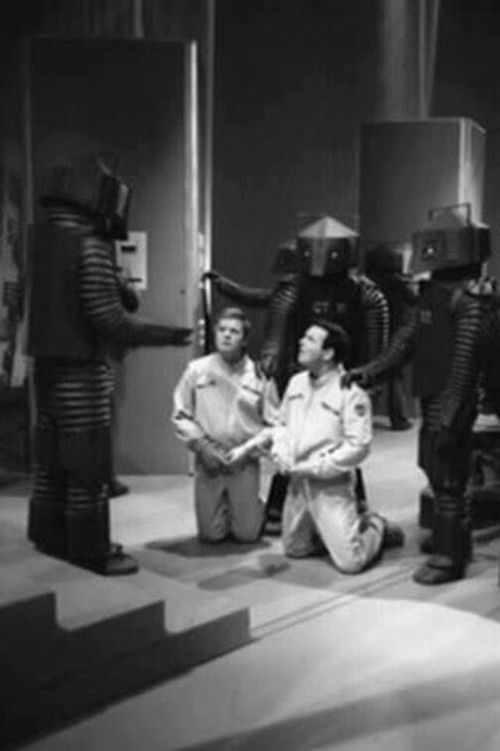
Robot QT-1, aboard an orbiting space station, controls the massive energy beam which transmits the sun's power to receivers on Earth. But QT-1 (Cutie) has some strange bees in his positronic bonnet. How could weak creatures of protoplasm create a nearly invincible, totally logical entity like himself? It is up to his human supervisors, Powell and Donovan, to convince Cutie of his niche in creation before his new robot theology becomes a threat to all life on Earth.
The Prophet
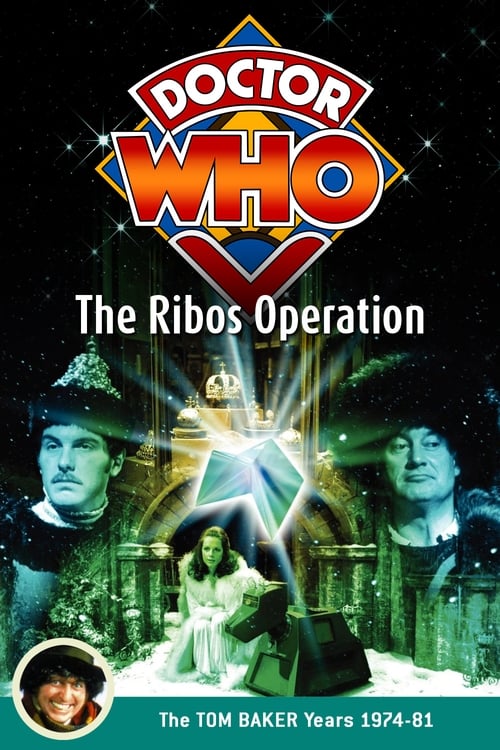
The Doctor is summoned by the mysterious and powerful White Guardian, and sent on a quest to find the six segments of the Key to Time, which, once assembled, will restore balance to the Universe. Joining the Doctor and K9 is the smart and sassy Romana, a Time Lord fresh from the Academy. Landing on the wintry planet of Ribos to locate the first segment, the TARDIS crew quickly find themselves embroiled in a little local trouble with a pair of conmen and an unstable warlord...
Doctor Who: The Ribos Operation
A boy is skilled at telepathy and in mind control. He attracts the attention of the government.
Stranger in the Family
Henry Wilkes cultivates rare tropical plants as a hobby, with an attention to detail closer to obsession. The length to which he goes to propagate and nurture new hybrids alarms his wife. Is there more going on in the greenhouse than could safely be exhibited at the next Battersea Flower Show?
Come Buttercup, Come Daisy, Come......?

The present day: just as the Fourth Doctor and Leela arrive in Fetchborough, England, Professor Fendelman prepares to experiment on a fossilized skull which science says should not exist. The skull is actually an artefact of the Fendahl, a god-like being who feeds on the life force of others. It has begun to awaken and kill. Worse yet, others seek to exploit the Fendahl's dreadful power.
Doctor Who: Image of the Fendahl
Interstellar travel at sub-light speeds: the enormous distances, isolation from human culture and the aching loneliness of space are enough to drive the strongest personality insane. Better to block all memories of human contact and to program the 12-strong crew to accept only the reality they can see and touch within their spacecraft. But a child born on "the Station" becomes insistent on learning the truth about 'Outside'.
Thirteen to Centaurus
The future. Criminals serve prison sentences before they commit their crimes. Prisons are on new planets that are being colonised. After serving their time, the former prisoners return to their home planet.
Time in Advance
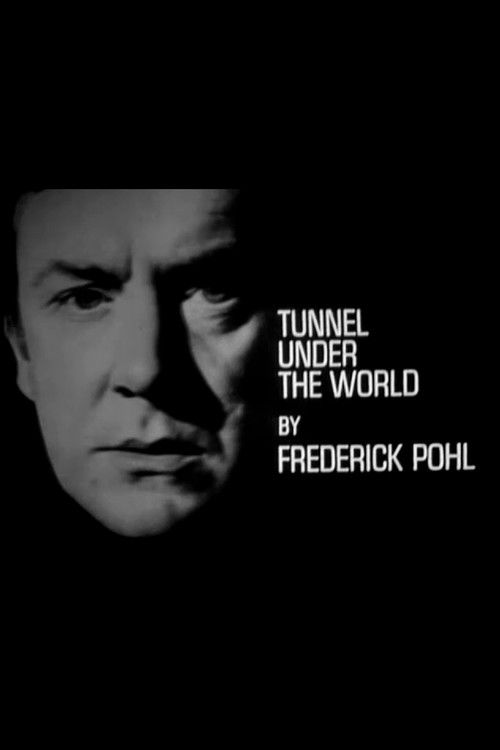
Déja vu: as Guy Birkett goes through the day he has a nagging feeling that he's been here before, experienced this already; except the details are always different. Is it conceivable that he is merely a simulacrum, the ultimate in consumer market surveying?
Tunnel Under the World
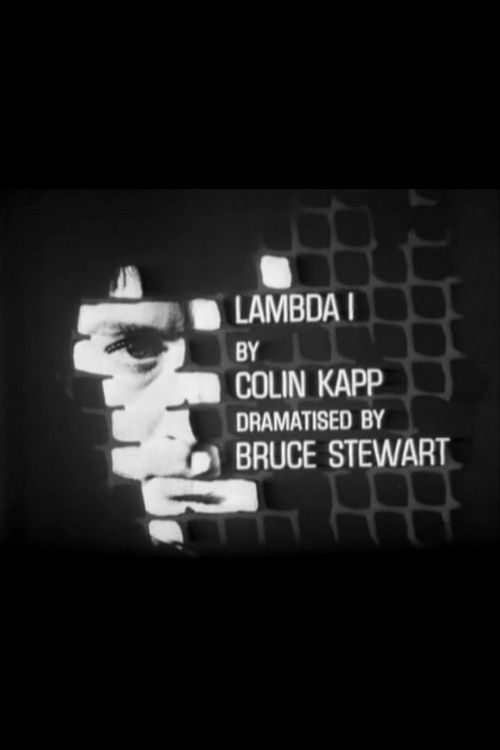
The future. The TAU-mode shuttle carries passengers to Australia through the earth's crust. When a routine TAU-shuttle becomes entombed in solid rock miles under the earth, the only means of rescue is the experimental LAMBDA-mode shuttle; which its creator is unsure about.
Lambda 1
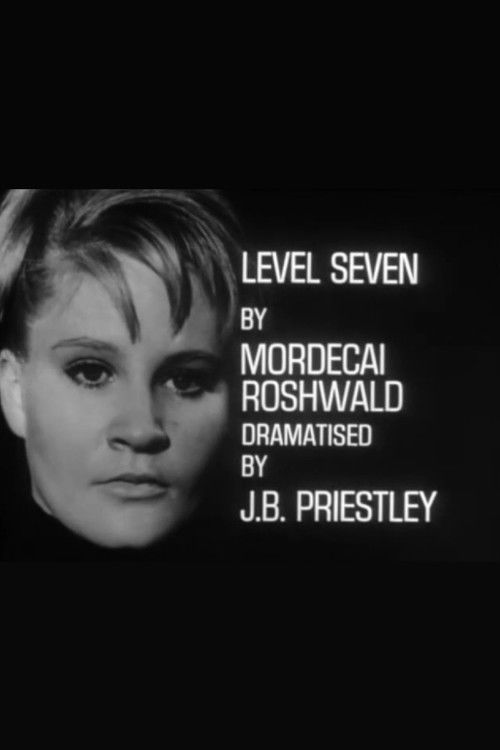
Level 7 is the deepest and the safest level in a nuclear bunker. The nerve centre of the government is based here. But how safe is it?