Writing
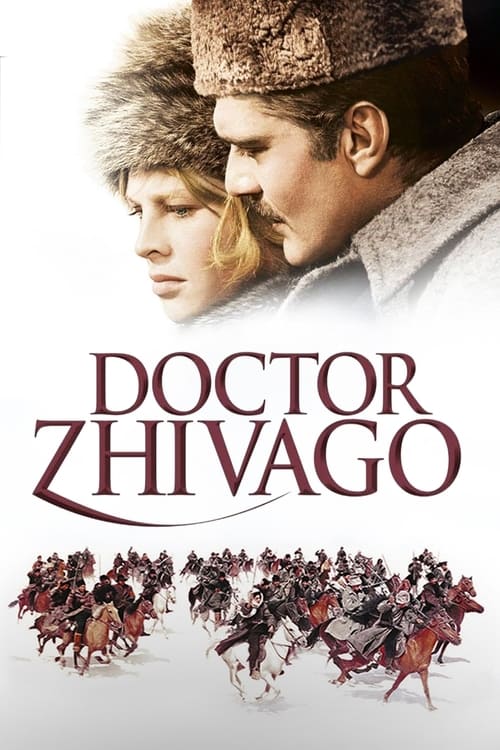
The life of a Russian physician and poet who, although married to another, falls in love with a political activist's wife and experiences hardship during World War I and then the October Revolution.
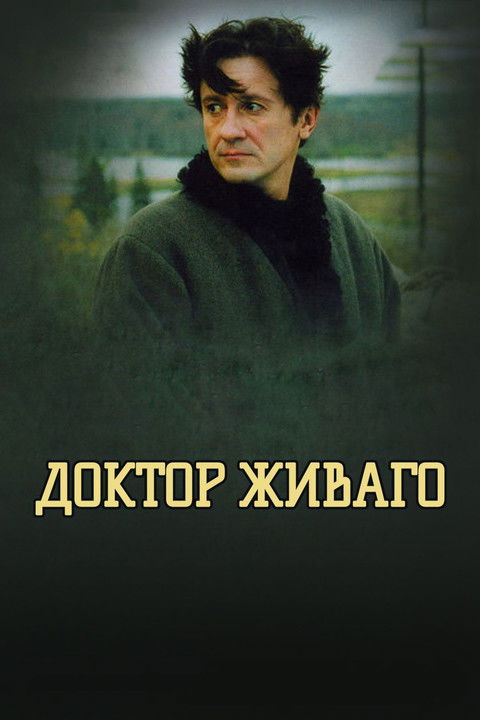
Young and beautiful Lara is loved by three men: a revolutionary, a mogul, and a doctor. Their lives become intertwined with the drama of Russian revolution. Doctor Zhivago is still married when he meets Lara. Their love story is unfolding against the backdrop of revolution which affects the doctor's career, his family, and his love to Lara.
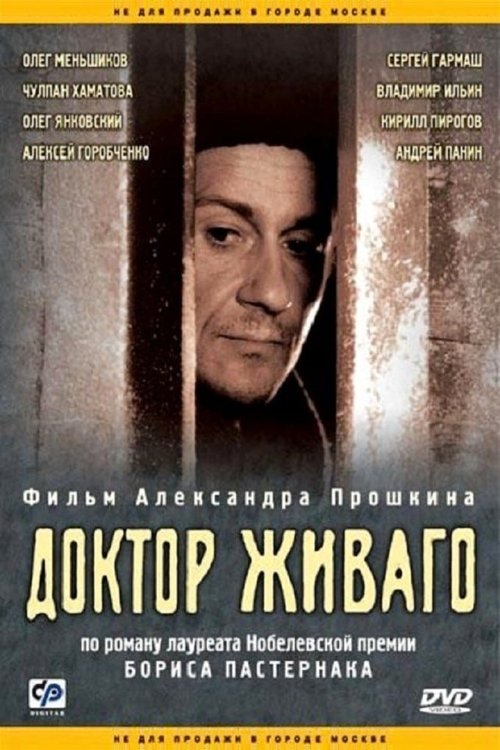
Russian TV miniseries of Boris Pasternak's classic novel.
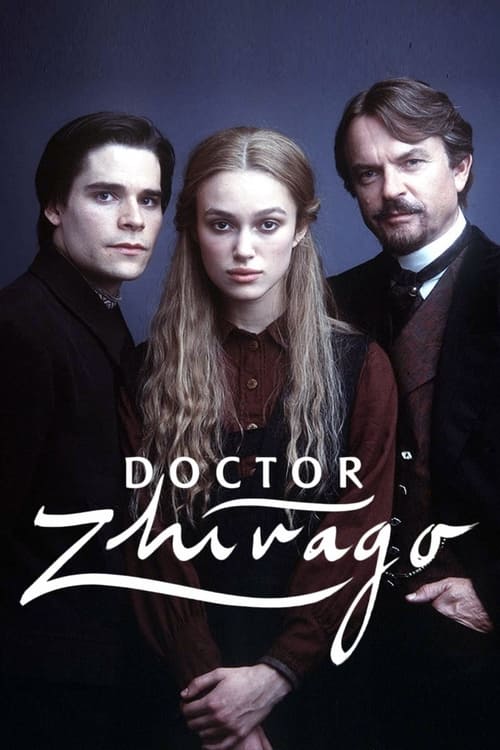
The attempted murder of a high-society lawyer draws Yuri Zhivago, a naive young doctor, into a world of passion and intrigue.
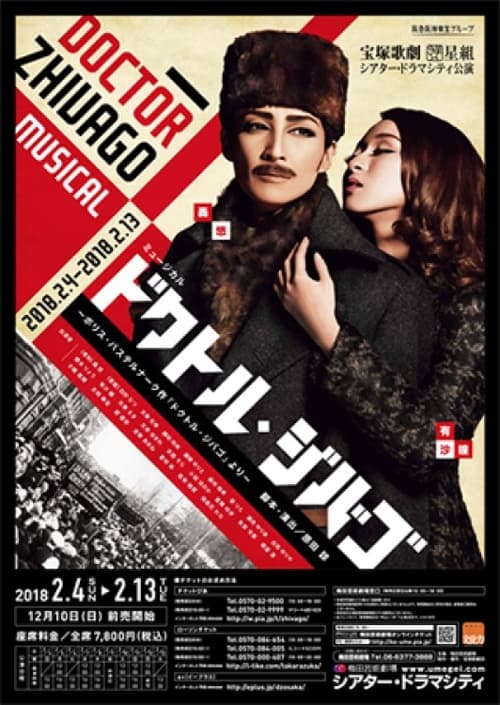
A sweeping musical adaptation of the classic Nobel Prize-winning novel about love in the final days of czarist Russia.
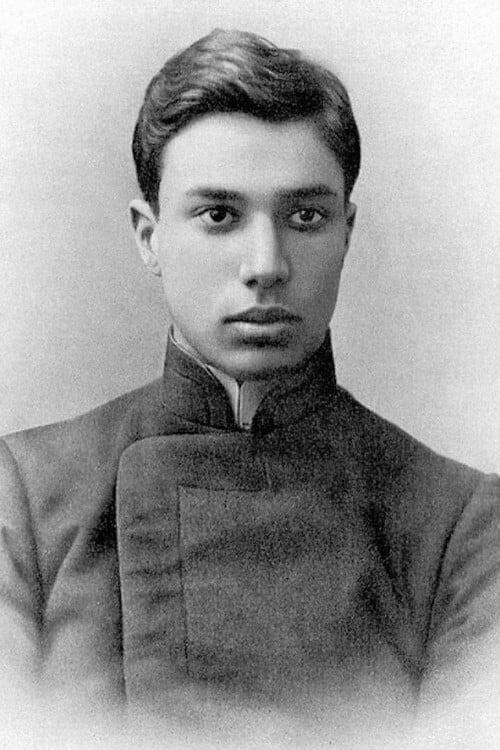
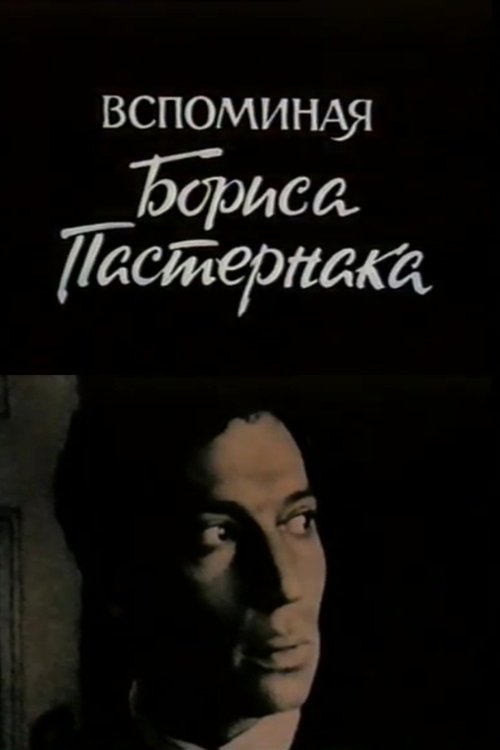
The film is about the life and work of Boris Pasternak in inseparable connection with the fate of his outstanding contemporaries — M. Tsvetaeva, V. Meyerhold, O. Mandelstam, B. Pilnik, T. Tabidze and others. Boris Pasternak is talked about and remembered by A. Sinyavsky, E. Yevtushenko, A. Voznesensky, J. Pasternak.
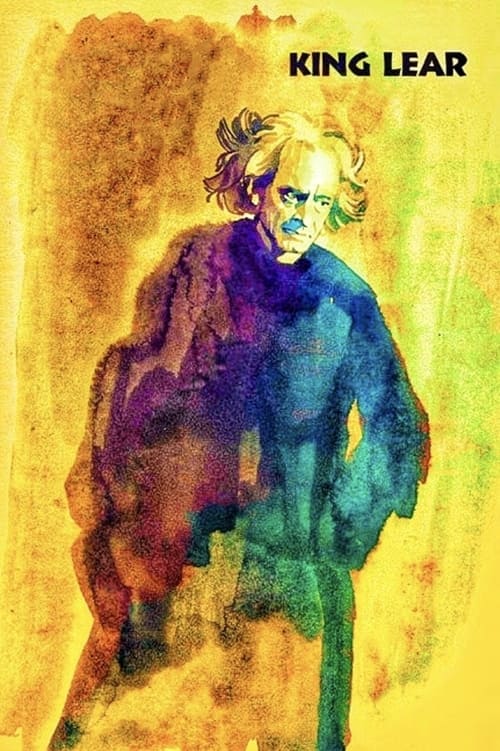
King Lear, old and tired, divides his kingdom among his daughters, giving great importance to their protestations of love for him. When Cordelia, youngest and most honest, refuses to idly flatter the old man in return for favor, he banishes her and turns for support to his remaining daughters. But Goneril and Regan have no love for him and instead plot to take all his power from him. In a parallel, Lear's loyal courtier Gloucester favors his illegitimate son Edmund after being told lies about his faithful son Edgar. Madness and tragedy befall both ill-starred fathers.
This TV version of the world-famous play by William Shakespeare stands out for its unusual production design and mise-en-scene.
Two families are trying to fix their problems during the celebration of the New Year.
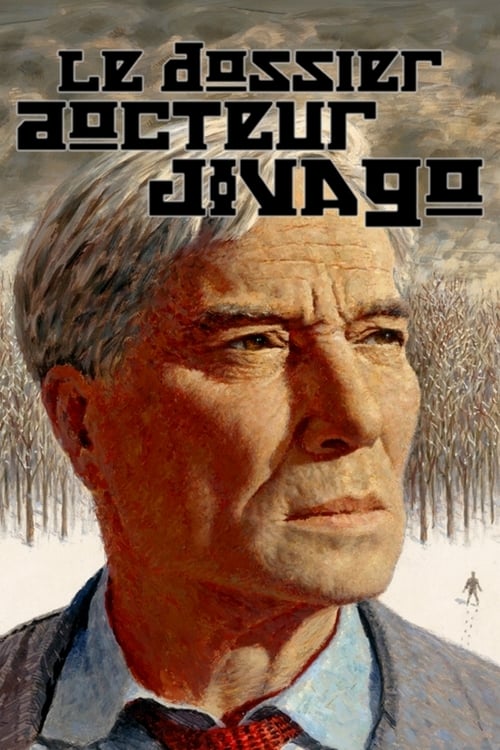
As Russian writer Boris Pasternak (1890-1960) thinks it is impossible that his novel Doctor Zhivago is published in the Soviet Union, because it supposedly shows a critical view of the October Revolution, he decides to smuggle several copies of the manuscript out of the country. It is first published in 1957 in Italia and the author receives the Nobel Prize in Literature in 1958, which has consequences.
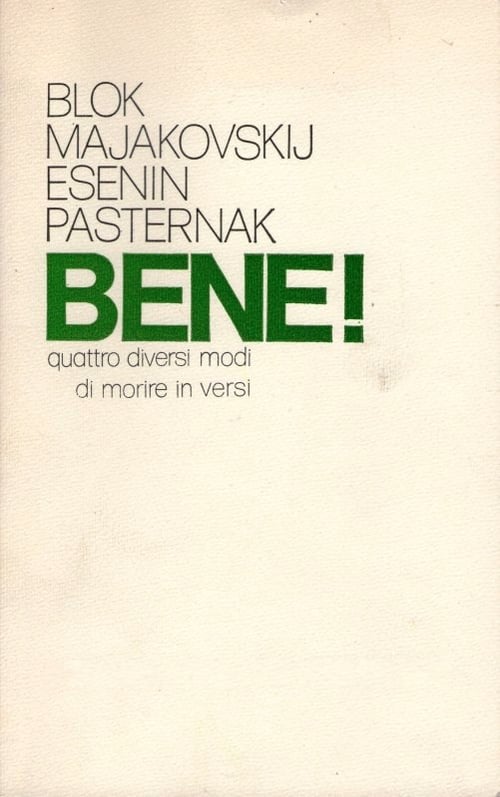
Performance shot in 1977, in which emblematic actor Carmelo Bene, in the charming reconstruction of the ruins of a theater on fire accompanied by the disturbing notes of Vittorio Gelmetti, reads four poems of the Twentieth Century russian poets Vladimir Majakovskij, Boris Pasternak, Aleksandr Blok and Sergej Esènin.
One day in the life of a modern St. Petersburg woman, a woman of post-Balzac age, with whom something is happening. Either a spiritual crisis or a momentary obsession...