Margarita Lymberaki
Writing
Biography
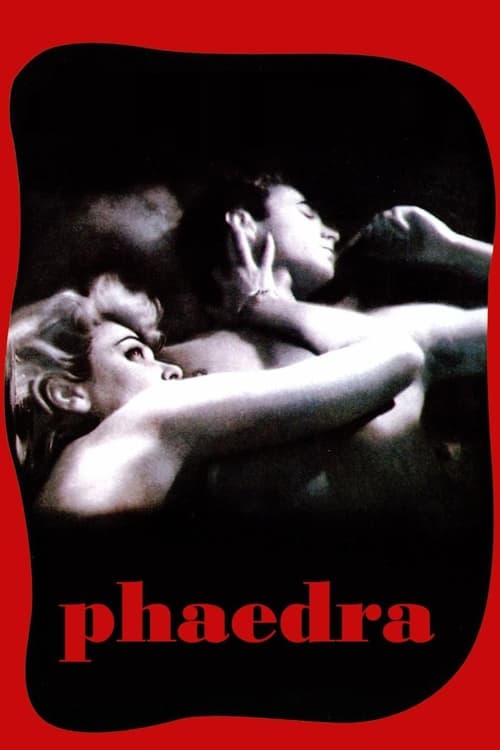
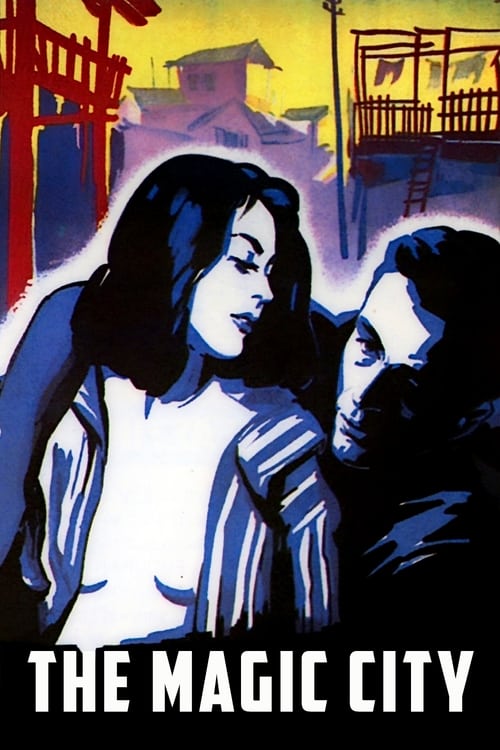
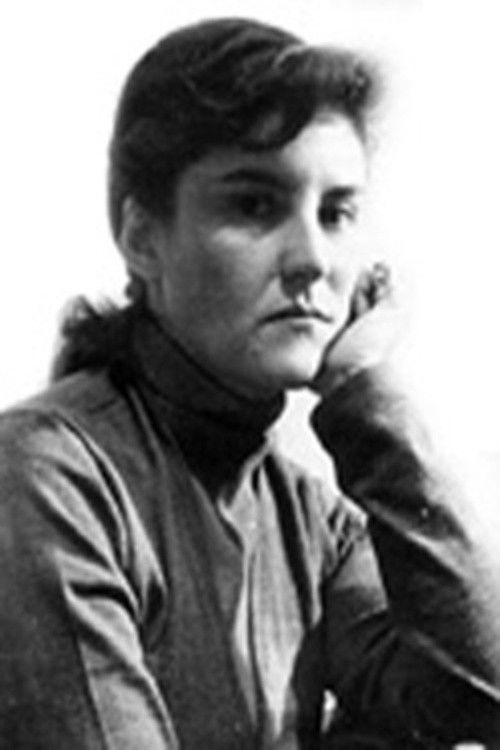
Margarita Lyberaki (Greek: Μαργαρίτα Λυμπεράκη, 22 April 1919 – 24 May 2001) was a Greek writer and dramatist. Lyberaki was born in Athens, Greece, the daughter of Sappho (née Fexi), a writer, and Themistoklis Lymberakis. Her sister was the sculptor Aglae Liberaki (1923–85). Her parents divorced when she was a child and she was raised by her maternal grandparents. Her grandfather was the important publisher and bookstore owner Georgios D. Fexis. She studied law at the National and Kapodistrian University of Athens. In 1941, she married the lawyer and poet Giorgos Karapanos. After completing her degree in 1943, she wrote and published her first novel The Trees (1945) under her married name. She wrote prose and plays in Greek and French. Her novel "The Straw Hats" (1946) was adapted for television. Her other works: "The Trees" (1945), "The Wife of Kandaulis" (1955), "The Other Alexander" (1970), "The Mystery" (1976) etc. She wrote the screenplay for Nikos Koundouros' first film, Magic City in 1954, with music by Manos Hadjidakis, a landmark film for Greek cinema. In 1962, he wrote the screenplay for the film Phaedra, based on Euripides' tragedy Hippolytus, which tells the story of the illicit love passion of Phaedra, wife of Theseus, for his son Hippolytus, directed by Jules Dassin. The couple had one daughter, novelist Margarita Karapanou. After their daughter's birth in 1946, they divorced and Liberaki moved to Paris, where she began to write for the theater in French and Greek.