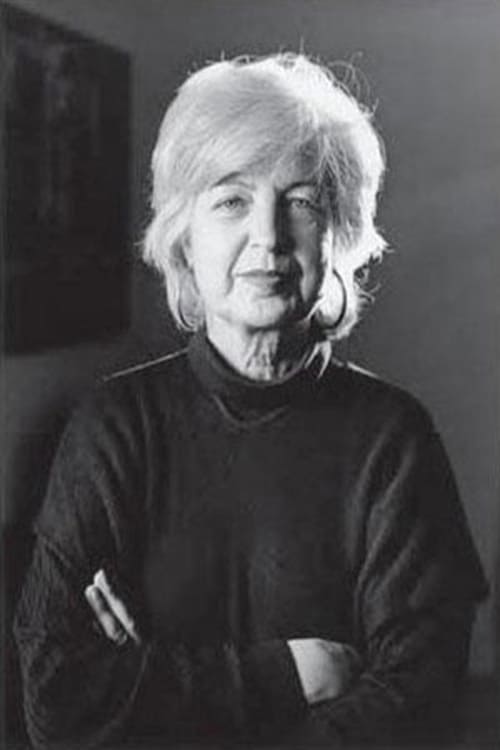
Carole Roussopoulos
Directing
Known For

The film is a series of interviews with various well-known film actresses, including Jenny Agutter, Maria Schneider, and Jane Fonda. The title, which is borrowed from a 1958 film with the same name by Marc Allegret, refers to the sense the actresses have of what is expected of them by the film industry.
Be Pretty and Shut Up!
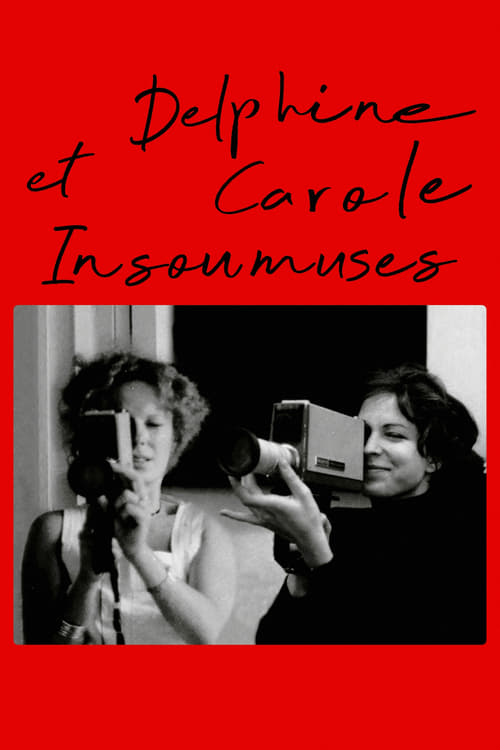
In the 70s, actress Delphine Seyrig and director Carole Roussopoulos, both militant feminists, were the pioneers of video activism in France. They documented the demonstrations of French feminists and used the new technologies to counter the poor representation of women in the public media.
Delphine and Carole
Documentary about the Lyon sex workers who occupied the church of St. Nizier on June 3, 1975.
The Prostitutes of Lyon Speak

The year 1975 is declared “year of the woman”. On this occasion Bernard Pivot invited Françoise Giroud on television, then Secretary of State for Women. Faced with statements, a group of women filmmakers parody the issues in a provocative way.
Maso and Miso Go Boating

Delphine Seyrig reads passages from a Valerie Solanas’s SCUM manifesto.
Scum Manifesto
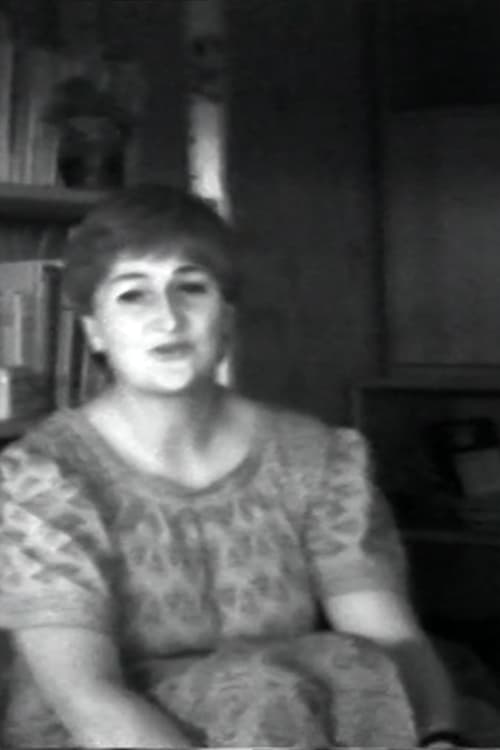
Monique (an advertising assistant) and Christine (a semi-skilled worker) talk about how difficult it is for a woman working in a struggling factory (Lip), about issues of internal democracy within the trade union and the end of work in the current situation.
Christiane et Monique - LIP V

In the aftermath of the arrest of Angela Davis, Jean Genet reads a text denouncing racist US policy, supporting the Black Panthers party and Angela Davis for a television show that will be completely censored.
Angela Davis Is at Your Mercy
No description available.
Ras-le-bol sous les ponts de Paris
In two parts, it documents the litigation of Brigitte Fontaine, Monique Piton, Mireille and Erin Pizzey with Éditions de femmes in 1976 and those of Catherine Leguay and Brigitte Fontaine in 1977.
Il ne fait pas chaud
With the support of delegations of women from all around the world, Cypriot women march peacefully to try to obtain the application of the United Nations resolution, ordering refugees to return home.
La marche du retour des femmes à Chypre

The film presents a series of portraits of women working in traditional male jobs in the transport industry: the SNCF, the RATP, Air France and Air Inter, and at Paris airports. Each woman talks about her professional choice, her training, what responsibilities she holds, where she fits within the company, and her work relationships. They all underline the need to be organised to manage personal and professional lives, and the growing number of women who choose these jobs. They are on the whole positive and their views often inspiring.
L'Égalite professionnelle : ça avance dans les transports
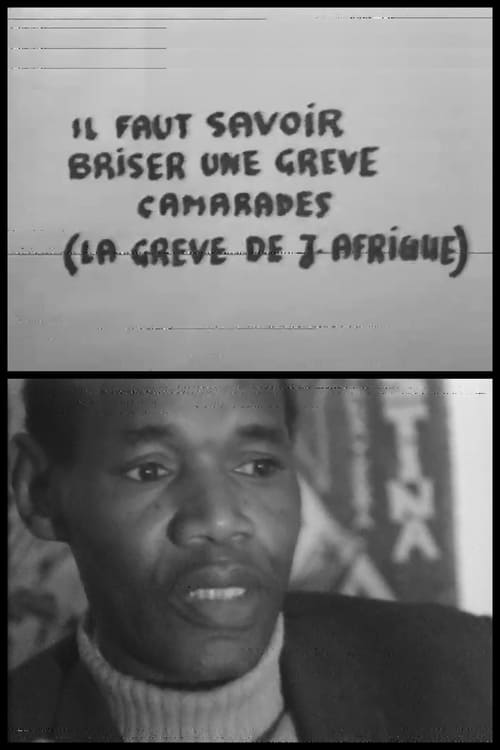
After two months of a hard-fought strike, accompanied by a day-and-night occupation of the premises, Jeune Afrique's workers were the victims of a court order authorizing their CEO, Bechir Ben Yahmed, to have them removed by the police. If they resisted, they risked falling foul of the law against rioters. To avoid the African comrades being deported from France, the strikers decided to leave. But before leaving, they organized a demonstration of solidarity with hundreds of journalists from the traditional and revolutionary press.
Grève à Jeune Afrique
The “Journal Annales” consists of almost 2.000 hours of video footage collected by filmmaker Lionel Soukaz since 1991. For “Carottage”, the idea was to take a random sample from this vast volume, like a geological core sample. The result is a condensed history of political struggles and radical cultural experimentation spanning two decades.
Carottage
Documentary about the practice of abortion in France in the early seventies, at a time when it was still illegal.
Just Don't Fuck!
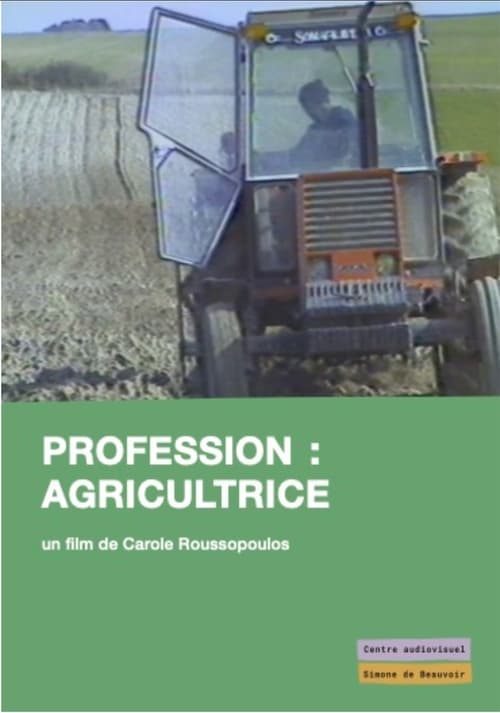
Four women farmers working in the Champagne-Ardennes region talk about their working conditions, the part they play in running the farm, the distribution of jobs between husband and wife and the lack of status of their work... They emphasise how denial of the essential role they play in running the farm has led them to demand specific recognition of their job. Presentation of the Women's Association for Agricultural Development (AFDA).
Profession : Agricultrices
Claudine, Monique, Emmanuelle and Anne talk about incest rape, which they suffered during their childhood. They meet through the “Rape-Women-Information” help line. They remember how helpless they felt, and how they tried to make their father or grandfather stop. They talk about the signals they made and words they spoke in the hope of getting help from those around them.
L'inceste, la conspiration des oreilles bouchées
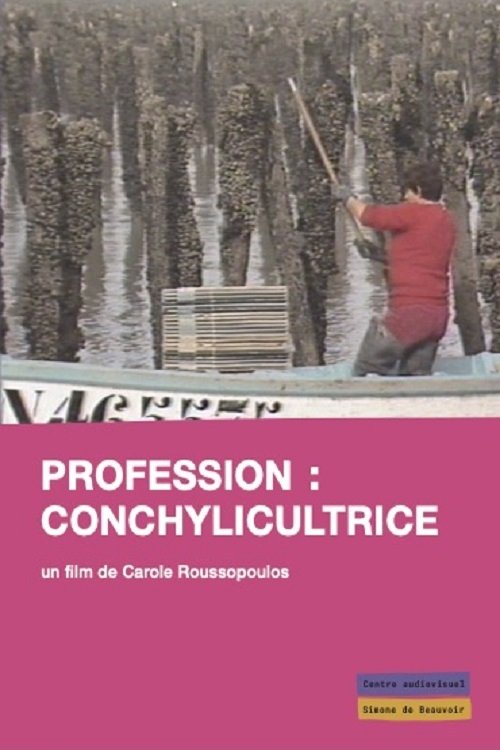
The film portrays six women oyster farmers in the Marennes-Oleron Bay (Charentes-Maritimes). It explores their working and living conditions, the hardships of the profession, the division of tasks between men and women and the professional status of female farmers. Several women in the oyster-farming bay form a professional association.
Profession: Conchylicultrice
Reporting incest and withdrawing the charge. The various people the child confides in (doctor, children’s judge, police, social worker, teacher, educator, Family Planning co-ordinator) talk about their discovery of incest, their lack of training, their difficulties and their hopes.
L'inceste : lorsque l'enfant parle
In "Messe pour un corps", Michel Journiac organizes a real religious service and makes the participants receive communion with a black pudding made from his own blood.
Messe pour un corps
The Swiss Intenational Solidarity Association "Idées’Elles" and the Not for Profit Mali organization "Prométhée" are working together on the realisation of a sustainable development project. The project supports the business activities of women’s rural associations in the region of Mopti, in Mali, by providing microcredits. These are small sums of money lent to people from the disadvantaged classes in developing countries in order to create micro-businesses. After a year’s experience, the film, which was shot in the summer of 2003, reports on the use of these microcredits by showing the women’s activities (breeding, market gardening, fishing...) and follows Lalia, a member of the Not For Profit organisation "Prométhée" and president of "Debo Association".