Taha Karimi
Directing
Biography
Taha Karimi (born in 1976, in Iranian Kurdistan) is an award-winning director. He was studying for a master's in art research, when he was killed in a tragic car accident in Iraqi Kurdistan on 29 May 2013.
Known For

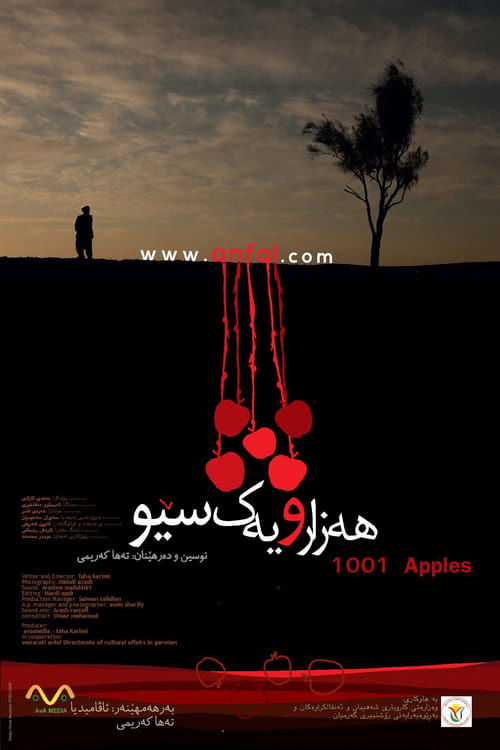
In 1988 the Iraqi Ba'ath party murdered and buried 182,000 Kurds in 350 mass graves. Only 10 people managed to escape. Faraj climbed out from amongst the dead and was taken to the USA by 'Human Rights Watch'. Realizing that few people were aware of the genocidal 'Anfal' massacres, Faraj formed the 'Iraqi Mass Graves Survivors' group. He returned to Kurdistan where, with four other survivors, he bought 1001 red apples and cloves and distributed them to families who had lost members. These apples and cloves became symbols of reconciliation and peace.
1001 Apples

This poetic short film reflects on Kurdish identity, love, and the fleeting nature of life through vivid imagery and emotion.
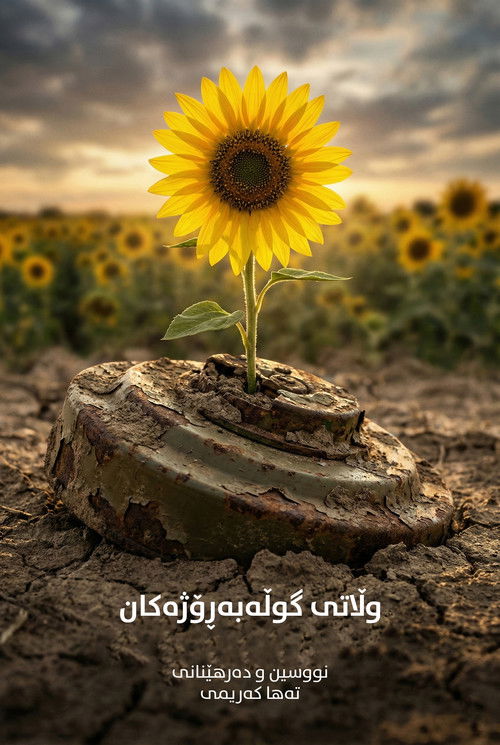
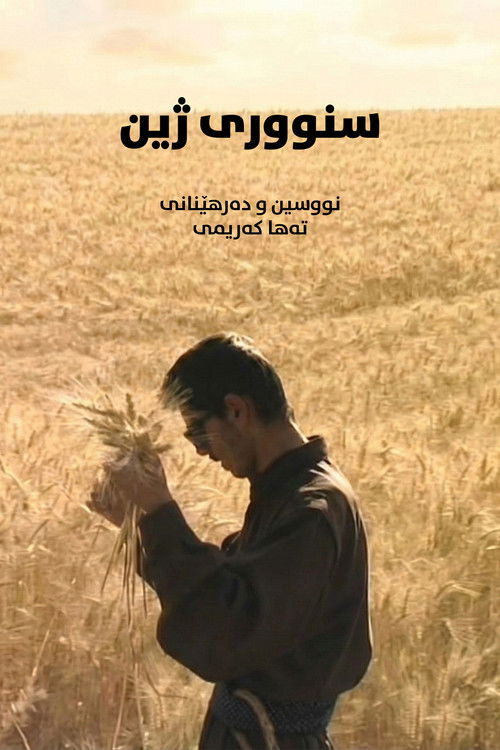
Sunflower's Land

In this poetic and visually expressive work, Karimi examines the invisible boundaries between life and death, freedom and limitation, hope and loss. Through stark imagery and minimal dialogue, he turns physical frontiers into emotional landscapes — a cinematic meditation on the Kurdish spirit and the human condition
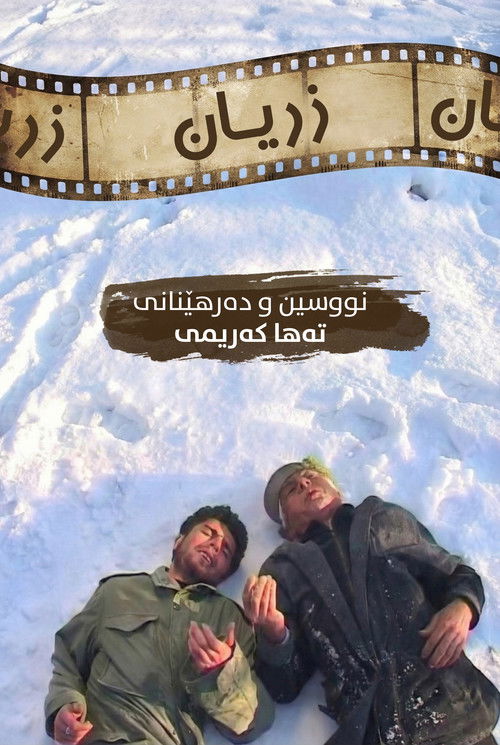
Border of Life

Through rich imagery and emotional symbolism, the film explores Kurdish identity, hope, and struggle. portraying life as both resistance and renewal. Despite its brevity, Zrian carries the depth and artistic sensitivity that later defined Karimi’s documentaries, blending realism and metaphor to reveal the unseen boundaries of life in Kurdistan
The Storm

An old man is collecting the bodies of the dead in the fighting between the local parties and believes that everyone is the same and fighting for the same purpose.
White Mountains

Haibat and six of her grandchildren are making furnaces (tandoor ovens) under the burning sunlight of Kirkuk, but they don't have any bread to eat themselves! Haibat's son became depressed and died due to poverty and lack of employment. While her city is one of the biggest sources of oil worldwide, Haibat and her six grandchildren are trying to make ends meet in this city of oil. This vicious circle goes around.
Bread and Oil

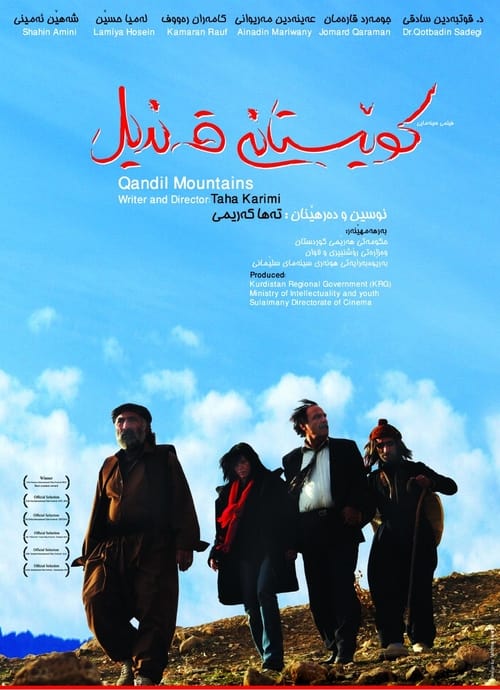
Against the violent yet stunning backdrop of the Qandil Mountains, a film that asks the most basic yet painful of questions about war, love, and lost ones.
Qandil Mountains

A former Iraqi army commander under Saddam Hussein, responsible for the mass murder of Kurds, is looking for witnesses who want to testify that he actually saved lives.
I Am White Mercenary

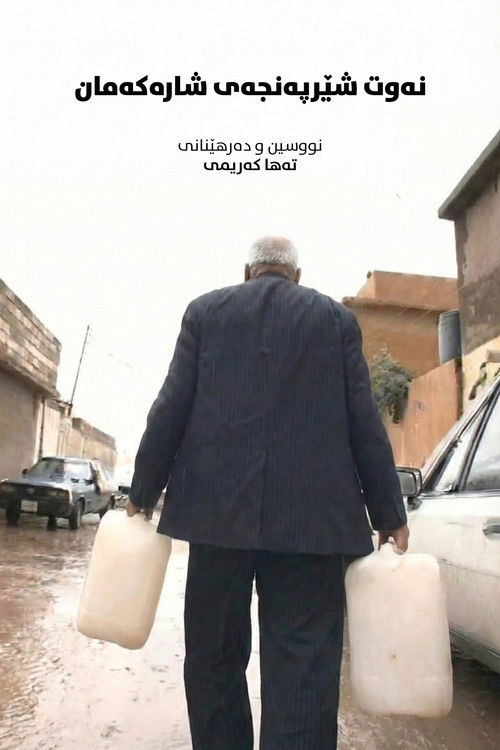
This documentary reveals how oil, often viewed as a source of wealth and prosperity, turns into a corrosive force that harms a city’s health, environment, and social fabric