FEEL IT.STREAM
?

Hubert Rees

Acting

Biography

Hubert Rees (27 April 1928 – 20 October 2009) was a Welsh character actor, known for his supporting roles in British television shows throughout the 1970s and 1980s. Rees's early career in television series and shows in character and bit parts, often playing a police officer. In 1968 Rees made his first appearance in the popular long-running British television series Doctor Who. He played the part of Chief Engineer in all six parts of "Fury from the Deep". The next year he appeared in another episode of Doctor Who, playing the role of Captain Ransom in "The War Games". In 1971 he appeared in the film thriller Unman, Wittering and Zigo. This was followed in 1972 when he was part of the Welsh ensemble cast in the adaptation of Dylan Thomas's Under Milk Wood; he played the part of Butcher Beynon. Rees continued his career throughout the 1970s appearing in popular television programmes including Softly, Softly: Taskforce, The Sweeney, The Sandbaggers and Van der Valk. He also made his final appearance for Doctor Who when he appeared in "The Seeds of Doom" alongside Tom Baker. He was to appear with Baker again in 1982 when he took the part of Inspector Lestrade in the television mini-series of Sherlock Holmes classic The Hound of the Baskervilles. In 1983 Rees was back in another Sherlock Holmes series, this time as Doctor Watson in The Baker Street Boys. The 1980s saw Rees taking character roles in more popular television shows including Bergerac, Howards' Way and Auf Wiedersehen, Pet. Rees also appeared in Welsh films The Angry Earth (1989) and Darklands (1996).

Known For

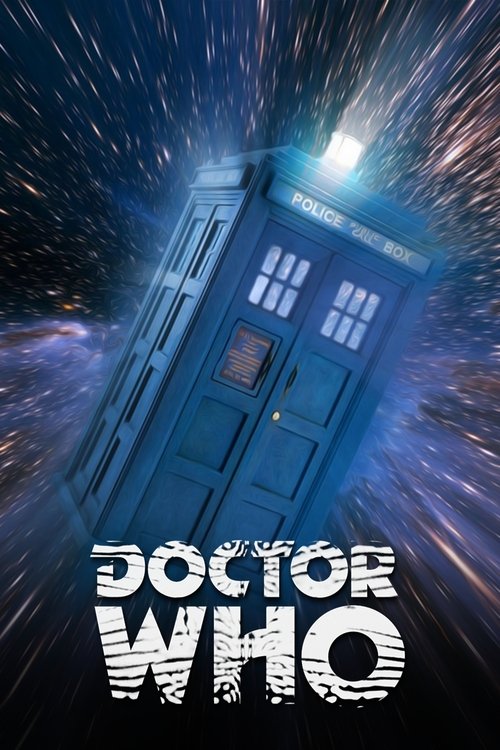
Doctor Who
7.9

The adventures of The Doctor, a time-traveling humanoid alien known as a Time Lord. He explores the universe in his TARDIS, a sentient time-traveling spaceship. Its exterior appears as a blue British police box, which was a common sight in Britain in 1963 when the series first aired. Along with a succession of companions, The Doctor faces a variety of foes while working to save civilizations, help ordinary people, and right many wrongs.

Doctor Who

1963
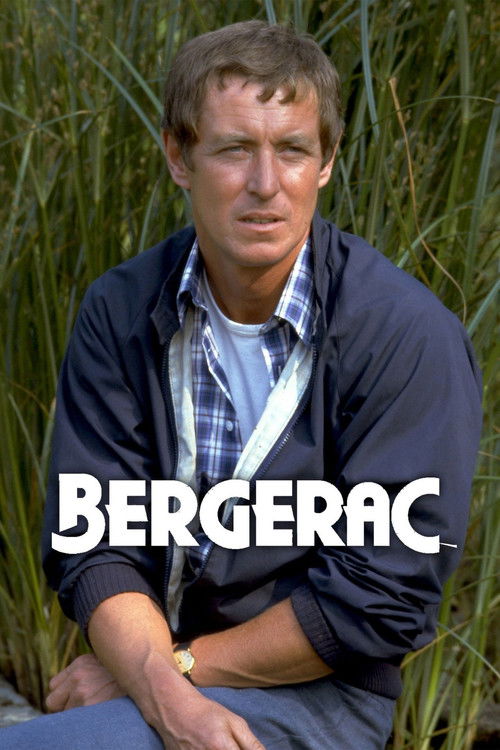
Bergerac
6.7

Jim Bergerac is a detective sergeant in The Foreigners Office who likes to do things his own way. While dealing with his own personal demons Bergerac has a knack of finding trouble, and sometimes causing it.

Bergerac

1981
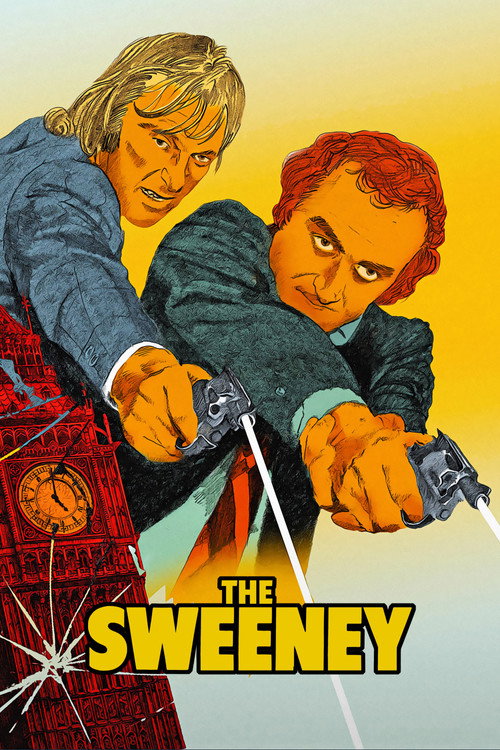
The Sweeney
8.0

Jack Regan, an unethical officer of the Flying Squad, uses unorthodox methods to pursue criminals with the help of his partner, George Carter.

The Sweeney

1975
Jeeves and Wooster
8.1

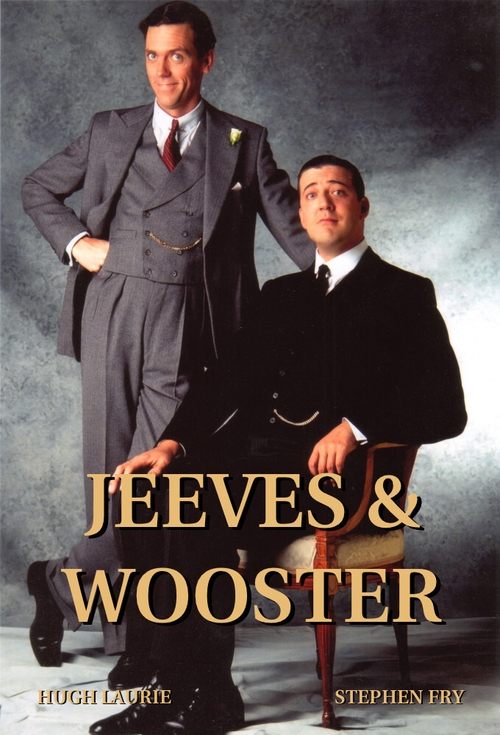
Jeeves and Wooster is a British comedy-drama series adapted by Clive Exton from P.G. Wodehouse's "Jeeves" stories. It aired on the ITV network from 1990 to 1993, starring Hugh Laurie as Bertie Wooster, a young gentleman with a "distinctive blend of airy nonchalance and refined gormlessness", and Stephen Fry as Jeeves, his improbably well-informed and talented valet. Wooster is a bachelor, a minor aristocrat and member of the idle rich. He and his friends, who are mainly members of The Drones Club, are extricated from all manner of societal misadventures by the indispensable valet, Jeeves. The stories are set in the United Kingdom and the United States in the 1930s.

Jeeves and Wooster

1990
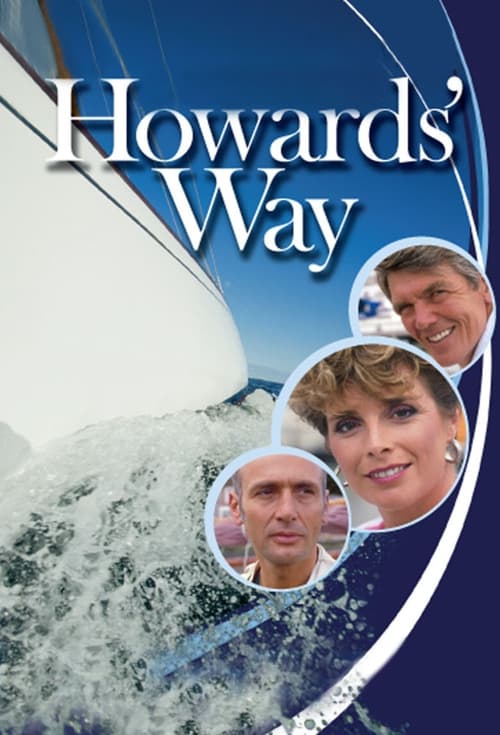
Howards' Way
5.7

The BBC's answer to Dynasty, Howards' Way was launched in 1985 with an enormous 1 million pound budget. The main characters in the show were 'best boat designer in the world' Tom Howard, his boutique running wife Jan Howard, 'I'll have a drink' Jack Rolfe and a nasty man called Ken Masters. It starred Maurice Colbourne.

Howards' Way

1985
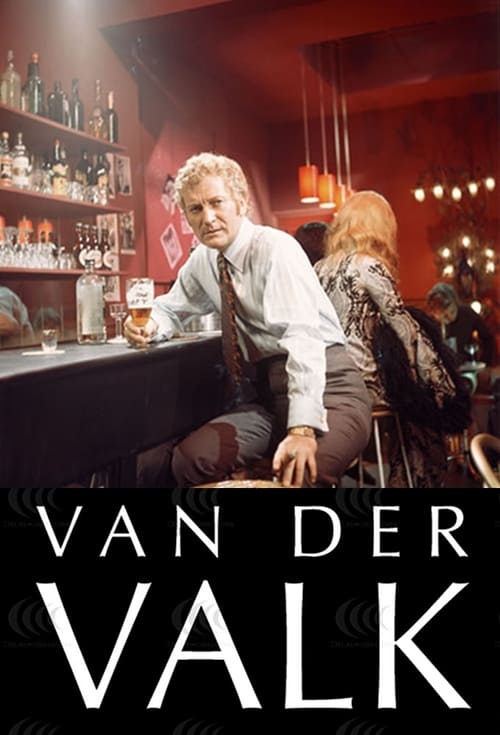
Van der Valk
6.2

Van der Valk is a British television series that was produced by Thames Television for the ITV network. It starred Barry Foster in the title role as Dutch detective Commissaris "Piet" van der Valk. Based on the characters and atmosphere of the novels of Nicolas Freeling, the first series was shown in 1972.

Van der Valk

1972
The New Statesman
7.4

The New Statesman is a British sitcom of the late 1980s and early 1990s satirising the Conservative government of the time.

The New Statesman

1987
No image
8.0

An anthology of single plays offering up adaptations of either of prominent stage plays or novels.

Festival

1963
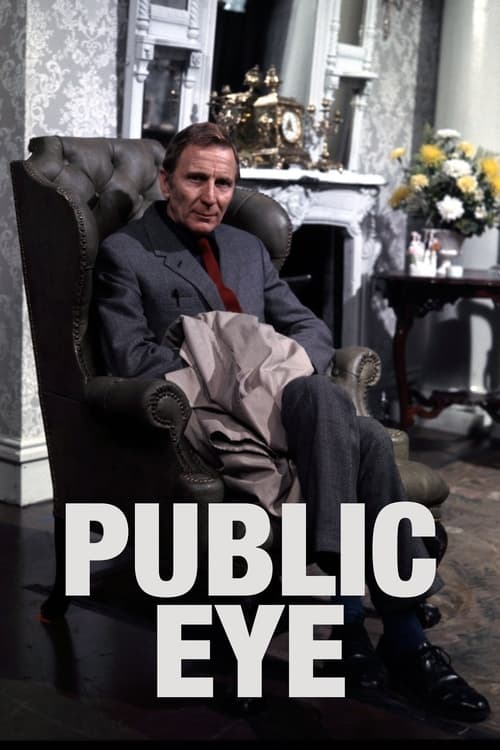
Public Eye
8.2

Public Eye is a British television drama broadcast from 1965 to 1975 on ITV1. Produced by ABC Television for three series, and Thames Television for a further four, the programme follows the investigations and cases handled by the unglamourous enquiry agent Frank Marker.

Public Eye

1965
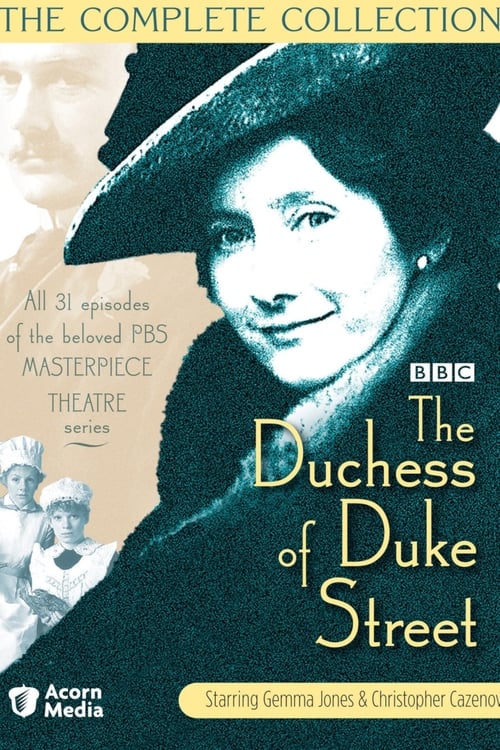
The Duchess of Duke Street
7.9

In Victorian London, Louisa Leyton works her way up from servant to renowned cook to proprietress of the upper-class Bentinck Hotel in Duke Street, St James's.

The Duchess of Duke Street

1976
Enemy at the Door
8.2

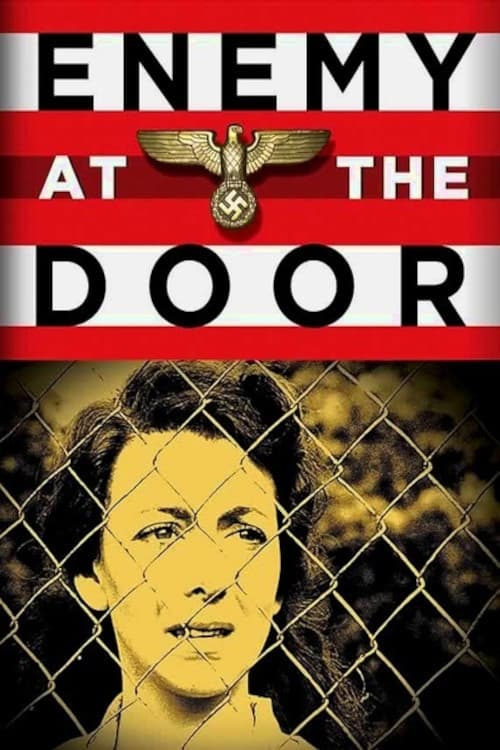
Enemy At The Door is a British television drama series made by London Weekend Television for ITV. The series was shown between 1978 and 1980 and dealt with the German occupation of Guernsey, one of the Channel Islands, during the Second World War. The programme generated a certain amount of criticism in Guernsey, particularly for being obviously filmed on Jersey despite being ostensibly set on Guernsey. The series also marked the TV debut of Anthony Head as a member of the island resistance. The theme music was by Wilfred Josephs.

Enemy at the Door

1978
Centre Play
7.0

Anthology series of half hour plays produced in BBC's Television Centre's studios.

Centre Play

1973
The Play on One
6.0

A series of plays specially written for television.

The Play on One

1988
Chillers
6.7

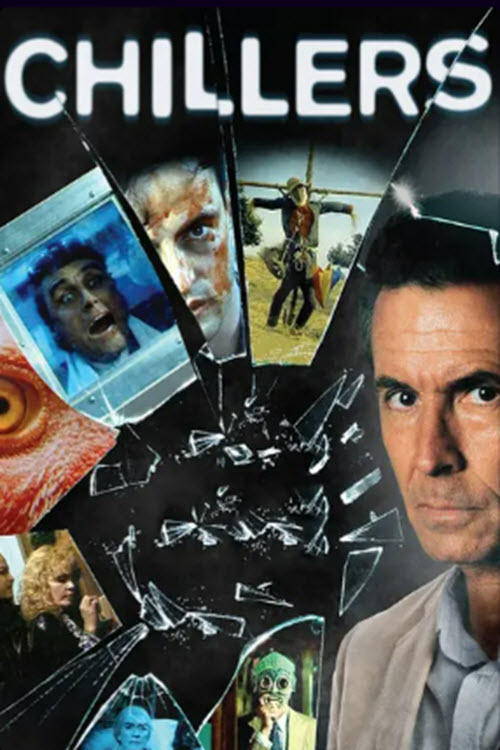
A 1990 horror anthology series, with host Anthony Perkins presenting and screening tales based on Patricia Highsmith's short stories that display a sinister atmosphere, and delve into the darkest depths of human nature.

Chillers

1990
Richard the Lionheart
9.0

A kid-friendly take on the exploits of King Richard the Lion Heart, from his participation in the Crusades, to his capture in Austria, to his final return to England.

Richard the Lionheart

1962
The Sandbaggers
8.3

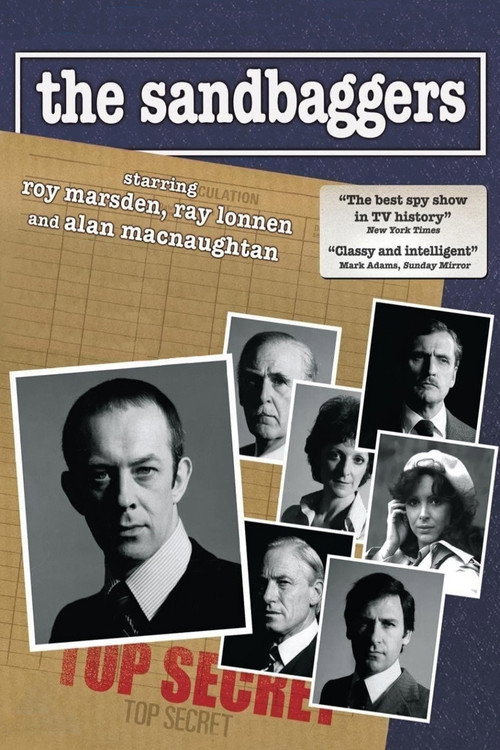
The Sandbaggers is a British television drama series about men and women on the front lines of the Cold War. Set contemporaneously with its original broadcast on ITV in 1978 and 1980, The Sandbaggers examines the effect of the espionage game on the personal and professional lives of British and American intelligence specialists.

The Sandbaggers

1978
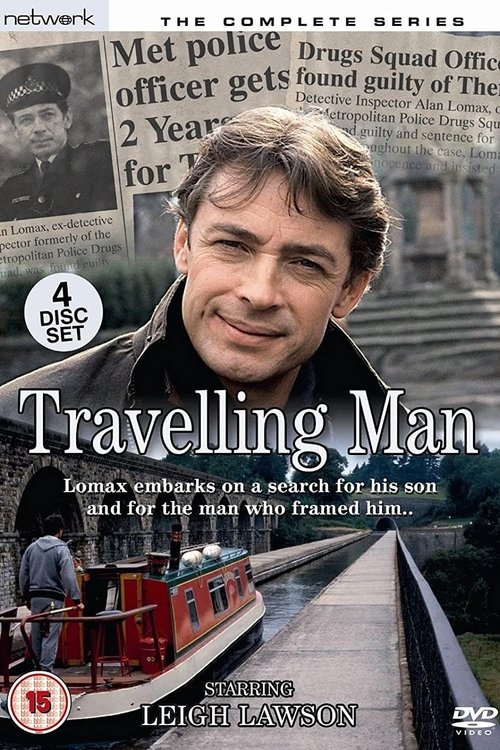
Travelling Man
6.5

After completing a two-year prison sentence for a bribe he didn't take, former DI Alan Lomax wants answers. With at least one luxury left - a narrowboat, and it's on the canals, among the day trippers and travellers, that he means to seek revenge. Not an easy task for an ex-detective isolated on the wrong side of the law.

Travelling Man

1984
No image
6.0

Buccaneer is a short-lived television series, made by the BBC in 1979–80, and broadcast over 13 weeks in April–July 1980. The series, about a developing air freight business, starred Bryan Marshall, Pamela Salem and Clifford Rose, and was produced by Gerard Glaister. The aircraft that "starred" in the series was a Bristol Britannia of Redcoat Air Cargo, registration G-BRAC, which wore the markings of "Redair", the name of the fictional airline in the series. Only one series was produced due to the Bristol Britannia G-BRAC crash near Boston, Mass., on 16 February 1980, shortly after the completion of filming. Of the eight passengers, seven were killed, and only one survived, albeit seriously injured.

Buccaneer

1980
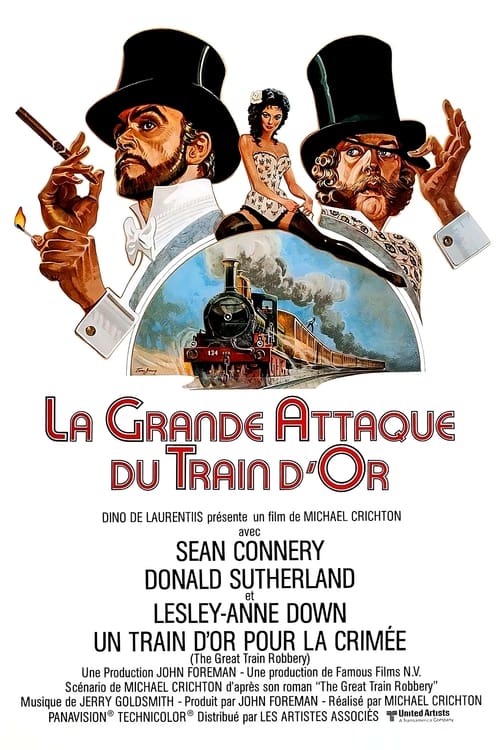
The First Great Train Robbery
6.7

In Victorian England, a master criminal makes elaborate plans to steal a shipment of gold from a moving train.

The First Great Train Robbery

1978
No image
7.0

Cold Warrior is a 1984 BBC One television series written by Arden Winch, based around the character of Captain Aubrey Percival (Michael Denison), first introduced in the 1981 thriller serial Blood Money. Moving away from the serial format of Blood Money and Skorpion, Cold Warrior consists of eight standalone episodes, which sees Percival dealing with various threats to national security.

Cold Warrior

1984