Acting
No description available.
In 1947 Prague, Holocaust survivor Dita lives in a hostel for orphans, acting as a protective mentor to a younger girl while failing to fix her own shattered life. Unable to form lasting bonds or find a place in a society that has moved on, she drifts through emotional isolation.
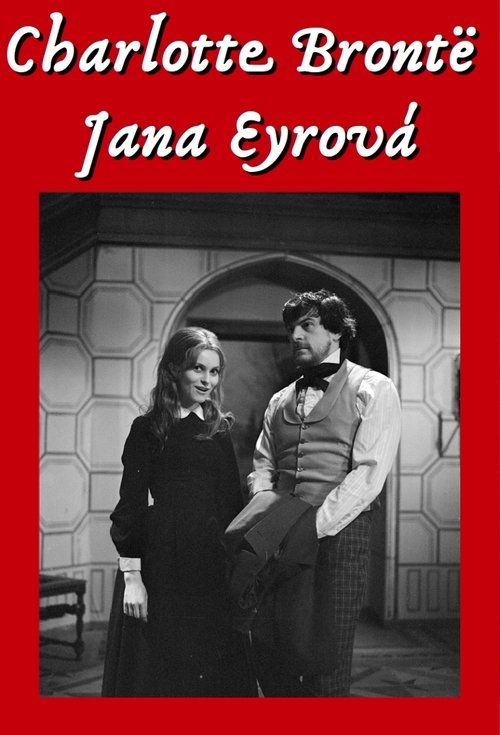
After a bleak childhood, Jane Eyre goes out into the world to become a governess. As she lives happily in her new position at Thornfield Hall, she meets the dark, cold, and abrupt master of the house, Edward Rochester. Jane and her employer grow close in friendship and she soon finds herself falling in love with him. Happiness seems to have found Jane at last, but could Rochester's terrible secret be about to destroy it forever?
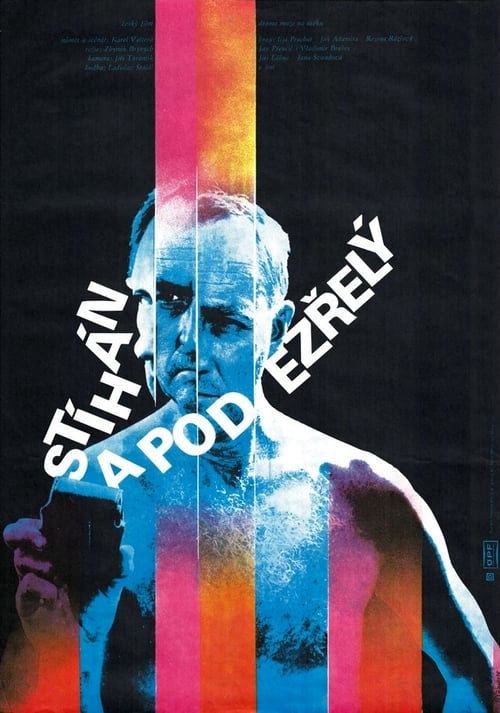
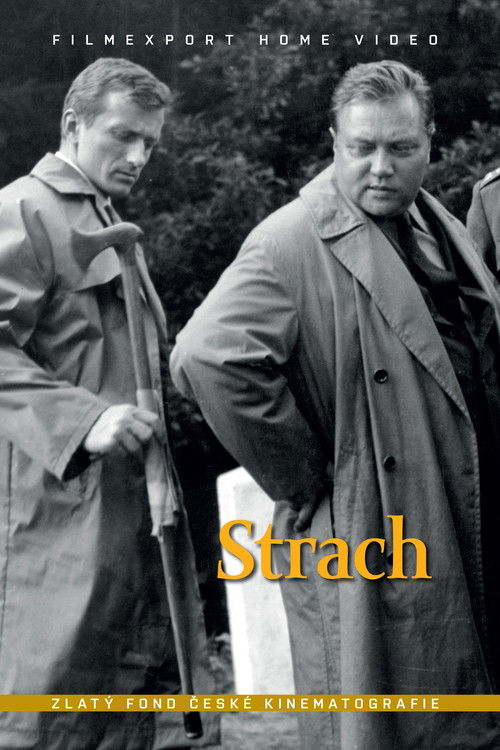
Late at night Eva Trojanová returns home to an agitated husband; three days later, her body is found with bruises on her neck. Her spouse, missing after a business trip, becomes the prime suspect and flees to northern Bohemia. When investigators learn he is innocent, Captain Hart continues pursuing him, not as a criminal but as a desperate man whose plight may endanger himself or draw him into conflict with the law.
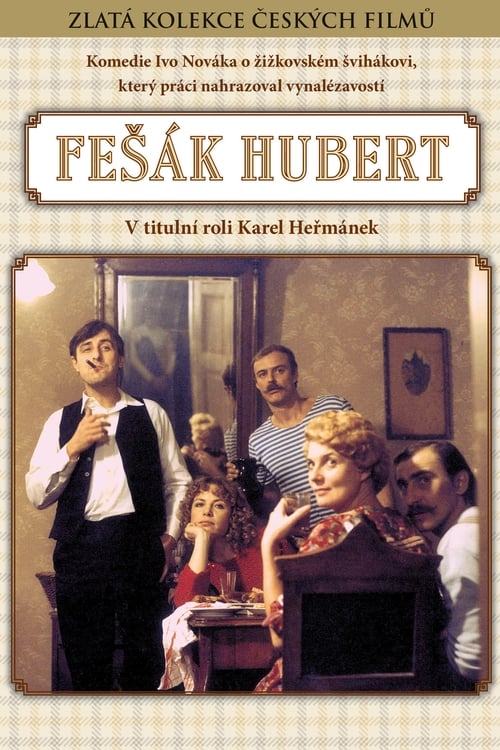
Hubert Hrabe, known as Smart Boy, is a Prague dandy who is always skirting the edge of the law. Like every likable rogue, he has a worthy adversary - Police Inspector Mourek, who has long been trying in vain to put him behind bars. However, this defender of justice, who is constantly trying to outsmart his "own" criminal, ends up becoming the victim of his own zeal while hunting forgers that are as good as any in Europe, as Hubert the Smart Boy, sets a trap for Mourek
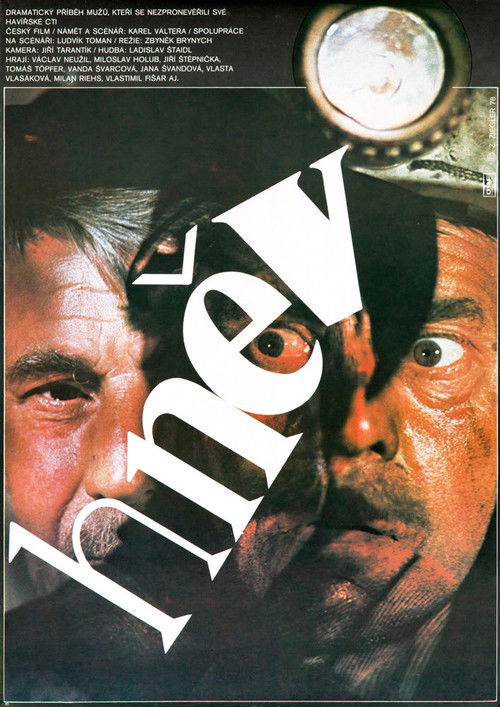
Sunday in September 1977, a celebration of the Miners Day. The old Hepnar is sitting at the cemetery and is recalling events from ten years ago. That time the representative of the ministry Barvír announced at the miners meeting that mining in the mines would decrease. He reasoned this decision by the fact the deposits of coal are almost used up. The boss of the mine and most of the miners protested. Barvír did not take their critical objections into account. He announced at the communist district meeting the closure of the business as the mine according to new economic principles did not prosper.
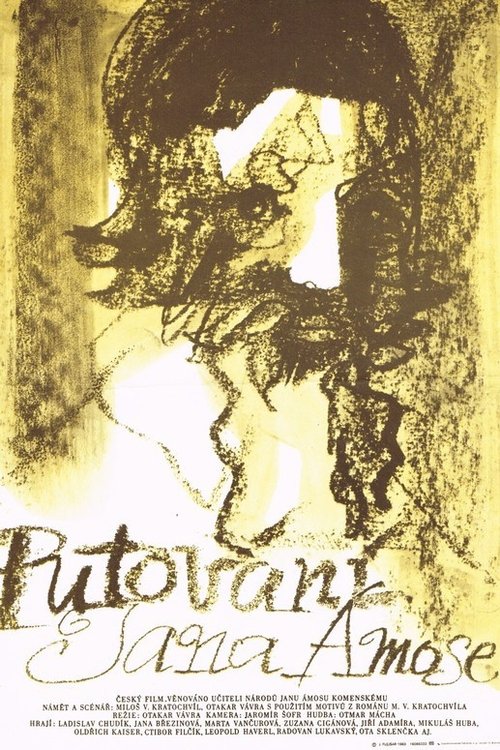
The distressing fate of the Czech great Jan Amos Komenský, forced to leave his homeland after the White Mountain disaster. It depicts his encounters with various European personalities of the 17th century - the Queen of Sweden, artists and scientists. It emphasises the hero's nobility, but also his inner resilience, which allowed him to overcome many personal and professional tragedies. The parable of The Labyrinth of the World and the Paradise of the Heart becomes part of the story. However, Comenius's concept is sculpturally lifeless and, in particular, the religious dimension is "erased" from it. The simplistic biography therefore does not avoid schoolboyish dryness.
The film was based on the novel "Milión" by Karel Štorkán. The book and the film depict the events surrounding the great construction disaster in Prague in 1928, in which 46 construction workers died. The disaster thrilled the entire republic at the time, yet was never fully explained. The filmmakers focus on the story of Ing. Vondrák, the designer of the construction.
A car deliberately runs down a young man on a road by a small border town. The locals recognize the dead man as one of the students who were there on volunteer work some time before. The police detectives, Major Kalas (Rudolf Hrusínský) and Lieutenant Varga (Radoslav Brzobohatý) can then get on the trail of the people with whom the victim was involved, especially at the photographic studio headed by Bohuslav Pacer (Bohus Záhorský).
The Czech revival movement is divided at the end of the first half of the 19th century. While the older generation, such as František Palacký, urges restraint, students lean towards radical positions. A report on the revolutionary events in Paris prompts Czech Prague residents to write down the demands of the Czech nation for self-determination and the proclamation of a constitution. Tensions peak during the All-Slavic Congress in Prague's Žofín. Vienna rejects the Czech demands and the congress is brutally dispersed by the Austrian police. Prague begins to build barricades...
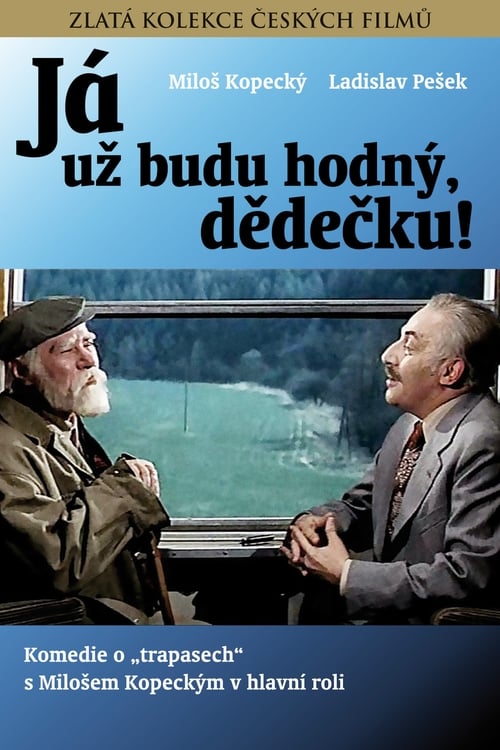
To the intolerant and bloody-minded Prague actor Bergner (Milos Kopecký) is the lead in Moliere's Misanthrope which he is studying now as tailor-made. On top of that he is malicious and he advises to the new actress Helenka (Dagmar Havlová) in such a way that she upsets the theatre director. If Bergner accuses somebody of a mischief and he is wrong, he never apologizes. When he almost crashes an older elegant lady by his car on the zebra crossing, instead of an apology he calls her an old ballet dancer... But in Brno's TV he takes part in a discussion on manners and he gives himself as an example of good manners and grace. In the train he meets a magic old man (Ladislav Pesek) who warns him and admonishes him to change his behavior. After he arrives to Prague the old man's threat comes true.
Lying in the construction industry used to be a criminal offence, but skilful people could do a lot of things. This somewhat embarrassing tragicomedy convinces us that even builders should be honest. The protagonist here is a moral designer who occasionally drops in to sing to enjoy something other than work.
The story of a marriage. Mrs. Rabbit constantly watches her weight and counts calories, but she also torments her husband with hunger. So one day, on the advice of her colleague, Rabbit decides to pretend to have a lover. He hopes that the wife will be jealous and stop dieting. So while the wife goes to a spa to lose weight, the husband is flattered and fattened by his single colleague, Majka, an excellent cook. But what happens after Mrs. Rabbit returns home?