Karel Sekera
Acting
Known For
No description available.
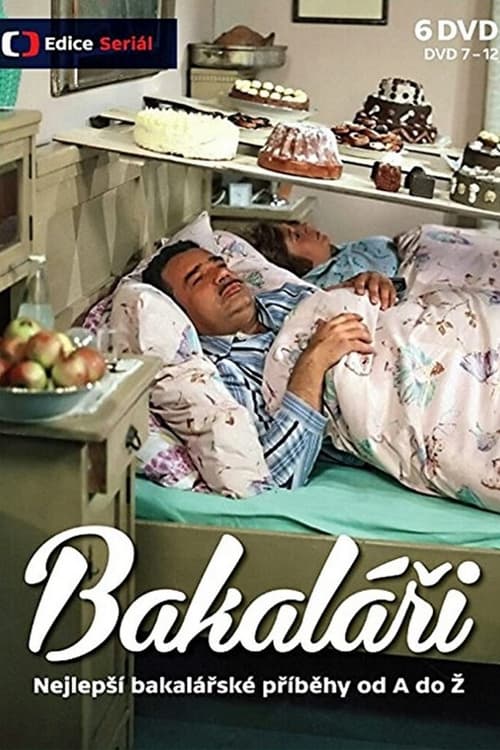
Bakaláři
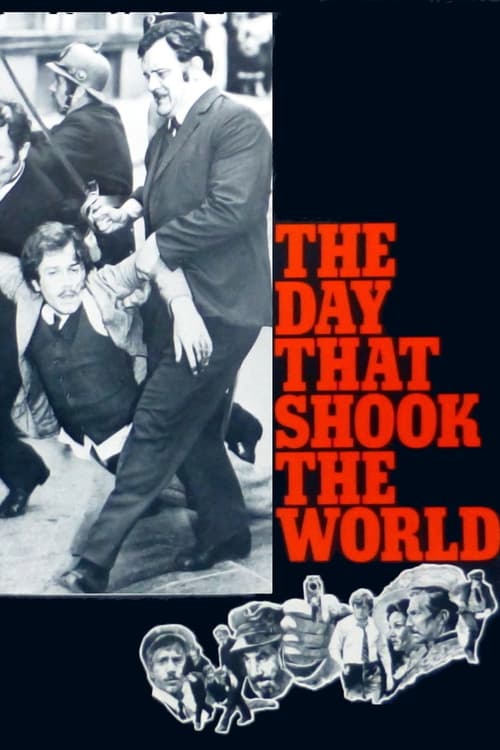
An historical depiction of the events preceding the political murder of Archduke Franz Ferdinand, would-be emperor of the Austro-Hungarian throne, in Sarajevo on June 28th, 1914.
The Day That Shook the World
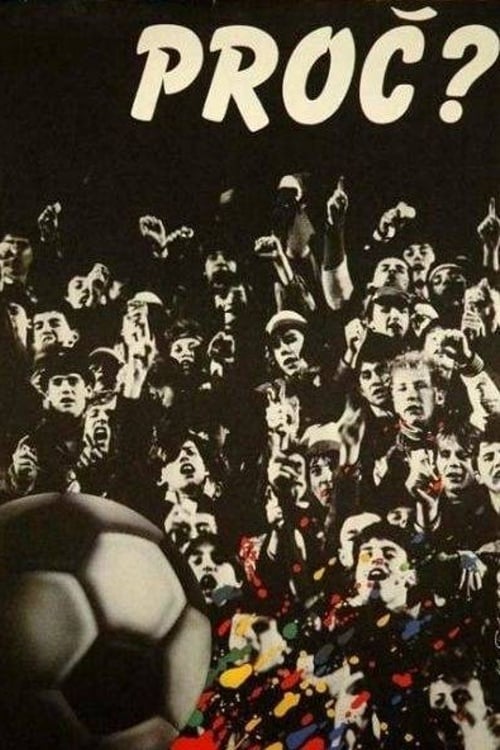
Why? (Czech: Proč?) is a 1987 Czechoslovak drama film directed by Karel Smyczek. It was screened in the Un Certain Regard section at the 1988 Cannes Film Festival. The film deals with the hooliganism in Czechoslovakia, particularly with the fans of football club Sparta from Prague, whose supporters were the pioneers of the football fan riots in Czechoslovakia, starting with hooligan actions already in the 1960s, like breaking the trains in which they travelled when they went on Sparta's away games. The film deals with one of such episodes
Why?
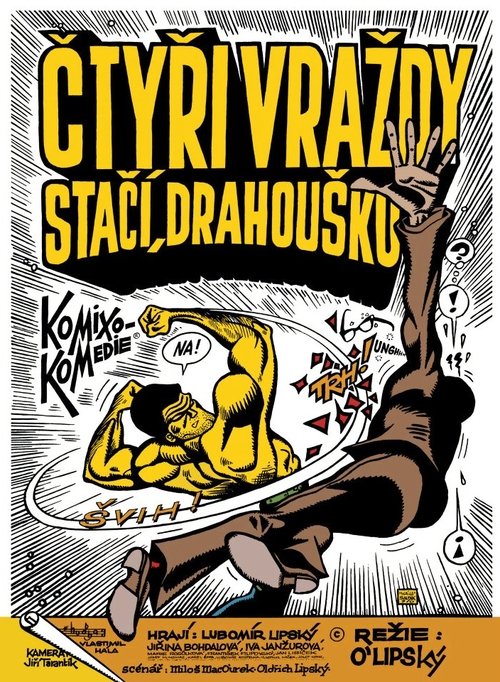
Two criminal gangs are ruthlessly fighting for a 1-million dollar check that, purely by chance, got into the flat of shy high school teacher George Camel. As the number of victims sharply increases, Camel is mistakenly regarded as a mass murderer and cunningly uses his horrifying reputation to get the respect and heart of his beloved Sabrina, a journalist from a local newspaper. But this game turns out to be risky and in the end, both gangs don't hesitate to seize the check at all costs, including an improvised operation
Four Murders Are Enough, Darling
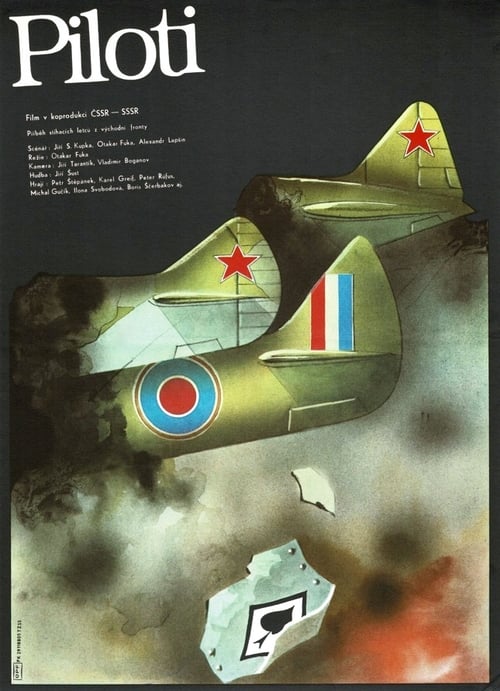
Further east of the Dark Blue Sky, where the Heavenly Horsemen fought, the story of a Czechoslovakian fighter squadron takes place, to which Second Lieutenant Jandak arrives as a rookie. He then experiences both his first love and a battle high above the clouds in the collective of combat pilots. Combat pilots on the Eastern Front thus experience similar stories to their Western colleagues, with the same goals and plans and the same slim prospects of survival in their daily life-and-death battles. Not surprisingly, they fought at a time when they had a common enemy, characterised by the Messerschmitt aircraft.
Piloti
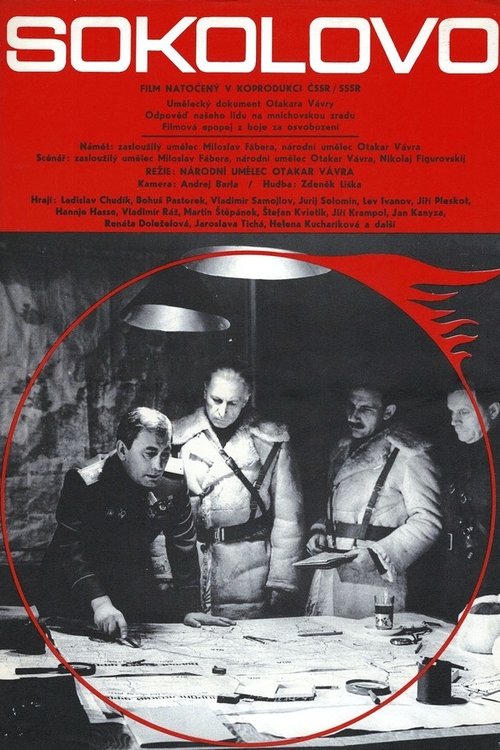
The plot begins in the Soviet Union showing first efforts to establish the Czechoslovak legion in 1942. The film also shows the assassination of Heydrich and the subsequent annihilation of Lidice. The main topis of the film is battles with German troops for Sokolovo.
Sokolovo
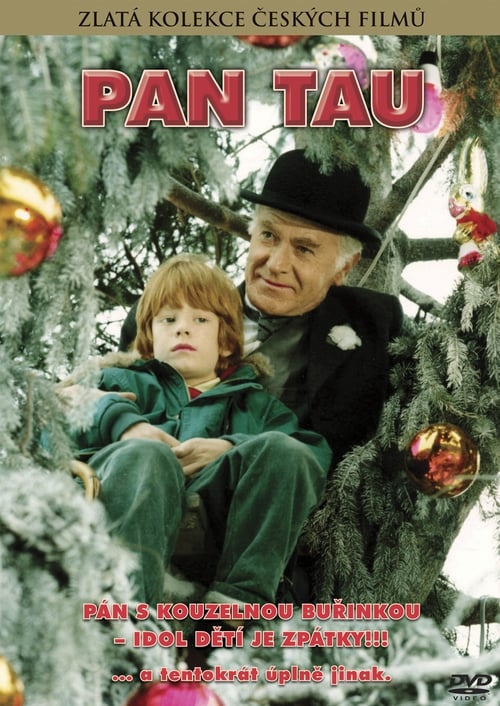
Pan Tau, the friend of all children, now also helps the adults. A movie producer is in trouble and decides to shoot another Pan-Tau movie. But the old Pan-Tau actor Karasek is no longer young enough to walk the almost weightless walk of Pan Tau. Mr. Novak turns up - he resembles Pan Tau like a twin brother. He succeeds every pirouette. And as if by magic, he solves all the problems between people! Who is Mr. Novak? Is he really ...?
Pan Tau – der Film
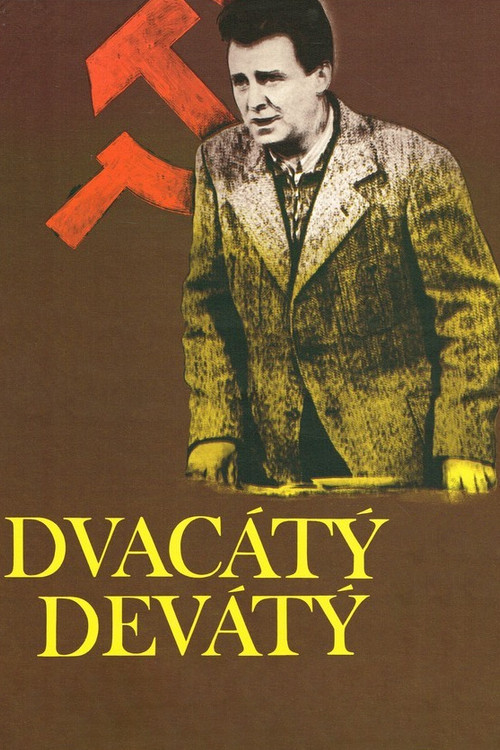
In the era of normalisation, a number of (pseudo)historical films were made, even described as reconstructions, which glorified the world-building mission of the Communist Party and attributed to it exclusively humanitarian intentions ("Days of Betrayal", "Sokolovo", "Liberation of Prague", "The Victorious People"). In 1929, when its fifth congress met, Klement Gottwald, who had taken the line of the Russian Bolsheviks, took over the leadership of the Communists...
Dvacátý devátý
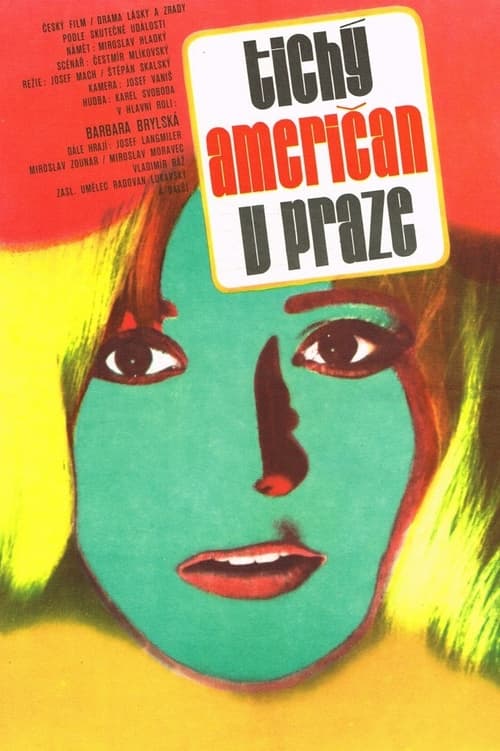
In the era of normalization, even seemingly buried agent stories came back. This one takes place in the immediate post-war years and tells the story of the discovery of a spy network that an American diplomat was spinning on Czech territory. He was unsuccessful: first, a close associate, who was proven to have collaborated with the Nazis during the war, committed suicide, followed by the intervention of the vigilant Security Service. However, the fleeing Americans were joined "in return" by a Czechoslovak agent... This naive adventure story could hardly be taken seriously. The book, which served as the basis for the film, was written based on actual events that took place in 1948.
Quiet American in Prague
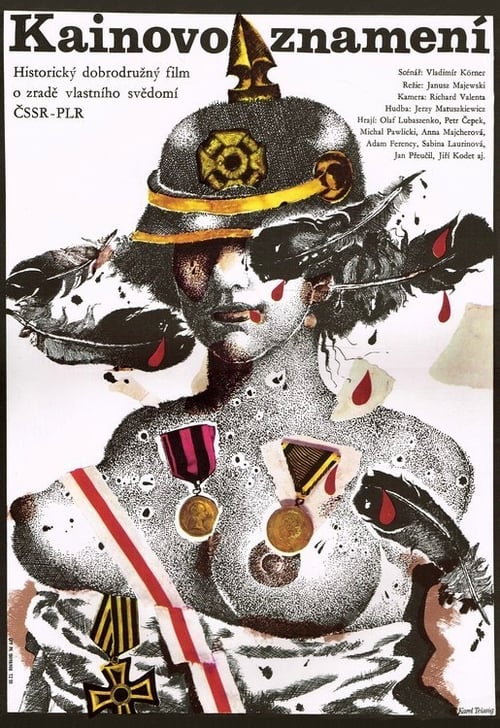
In 1866, as Austria faces war with Prussia, 19-year-old Ludvík Machl joins a secret Czech resistance group. When he is caught with stolen funds and a weapon, the police commissioner spares him from prison on the condition that he work as an informant. Trapped by fear and betrayal, Ludvík is forced down a path that leads inexorably toward his own destruction.
Mark of Cain
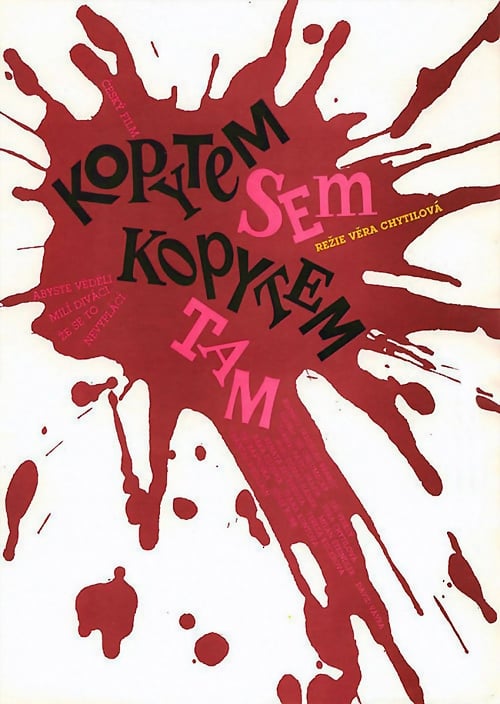
A striking generational tragicomedy, A Hoof Here, a Hoof There is a caustic group portrait of pals who enjoy a tipple, all kinds of hi-jinks and no-strings sexual adventures. Auditor Pepe, vet Dědek and restaurant manager František are financially secure and enjoy life with their similarly fun-loving girlfriends—at least until the moment when the brash Pepe collapses and ends up in hospital.
A Hoof Here, a Hoof There

Honza Pavelka (Jan Hrusínský) wins the junior motorbike speed races. His thirteen-year-old brother Martin (Roman Cada), his assistant and biggest fan, answers the questions of his schoolfriend Pavlína in a superior tone. Student Zuzana (Libuse Safránková), who gave her scarf to Honza to wear around his neck for the races as a talisman is Honza's girlfriend. He met her when he came to her parent's home to repair the TV set. Honza declines an invitation to celebration with his friends. He goes off with Zuzana instead, but she refuses his intimate advances. The offended young man, who is about to serve his two years in the army, tries to blackmail her emotionally and the couple breaks up. Martin tries various schemes to bring them together again.
My Brother Has a Cute Brother
Elementary school student Jožka has a great love – horses. He is looking forward to turning this love into a profession. However, he is atoning for his father's criminal activities, he is not accepted into his dream school focused on horse breeding due to a bad report and has to be content with learning to be a tractor driver. However, he continues to do his best for horses, he trains the racehorse Palisander, who has never won. His outsider fate is similar to his. However, Jožka wins everything there is to win despite various ups and downs – he stands up to bullying in the youth home, an arrogant tutor, human weaklings, manages to study well even at a school that he doesn't enjoy and does sports. He also gains the respect of his classmates. Real jockeys also star in the film. It also features the birth and death of a horse. The scene where Jožka's father saves a horse from a burning truck is dramatic. The scenes with carrier pigeons are touching.
Outsider
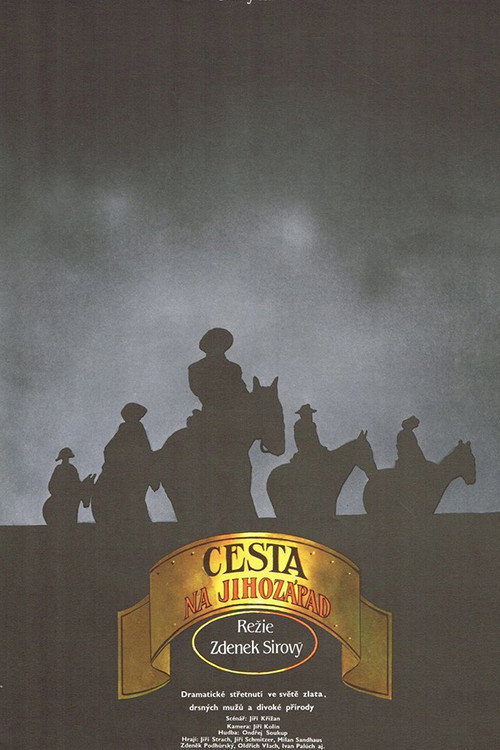
Based on a Jack London story, this is another attempt at a Western spectacle - after the short story triptych The Canyon of Gold - about a teenage boy who, after his father's death, lives in a gold-mining town. He even witnesses a cruel fight between two cowboys over a supposed treasure.
Cesta na jihozápad
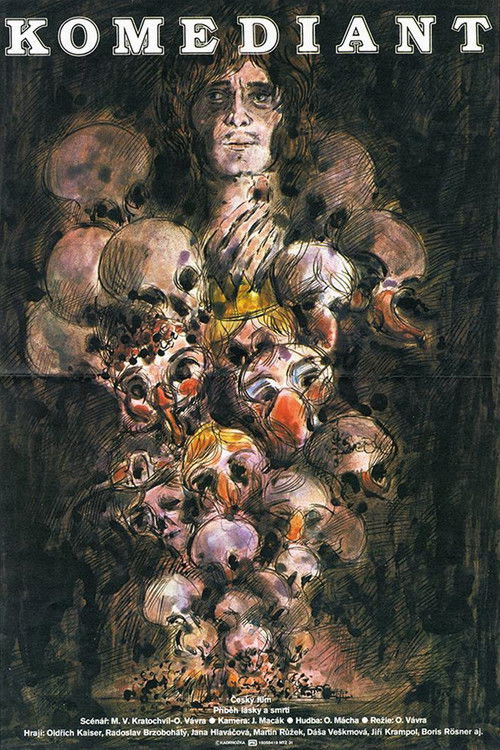
Saxony, devastated by the Thirty Years' War, is led by the comedy troupe of the principal Fortunato. The student Vavrinec has fled Bohemia and greatly values the text of Shakespeare's tragedy Romeo and Juliet, which he has acquired on his wanderings around the world.
Komediant
No description available.
Holka modrooká
The film was based on the novel "Milión" by Karel Štorkán. The book and the film depict the events surrounding the great construction disaster in Prague in 1928, in which 46 construction workers died. The disaster thrilled the entire republic at the time, yet was never fully explained. The filmmakers focus on the story of Ing. Vondrák, the designer of the construction.
Dům Na poříčí
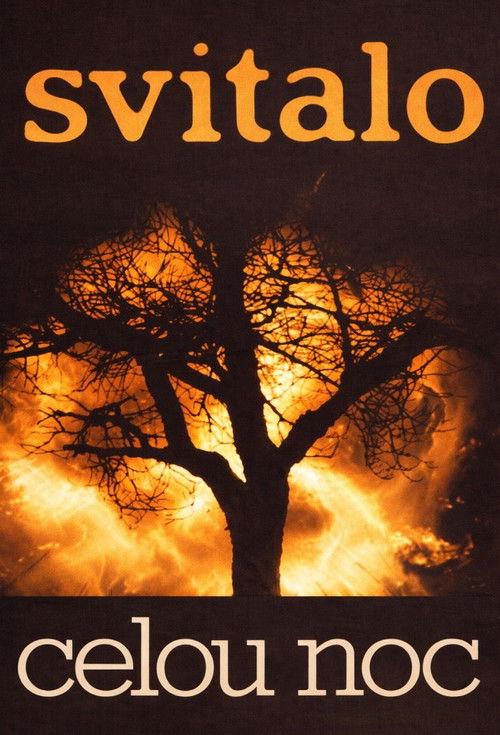
The Czech film Svítalo All Night was made to commemorate the 35th anniversary of the liberation of Czechoslovakia by the Soviet Army and is dedicated to all those who fought and gave their lives in Prague in the May Uprising of 1945. Behind the historical events, the creators see mainly their simple, unassuming participants. Thus, we are presented with a number of apt portraits, whether it is the central hero Dr. Soukup and nurse Daniela on the side of the fighting Czechs, or a captain and a simple private in a Red Army unit coming to the aid of the fighting Prague, or an old, war-weary German major, who only realises the senselessness of the war at the sight of a fanatical, cynical lieutenant for whom Nazi ideology represents the meaning of life.
Svítalo celou noc
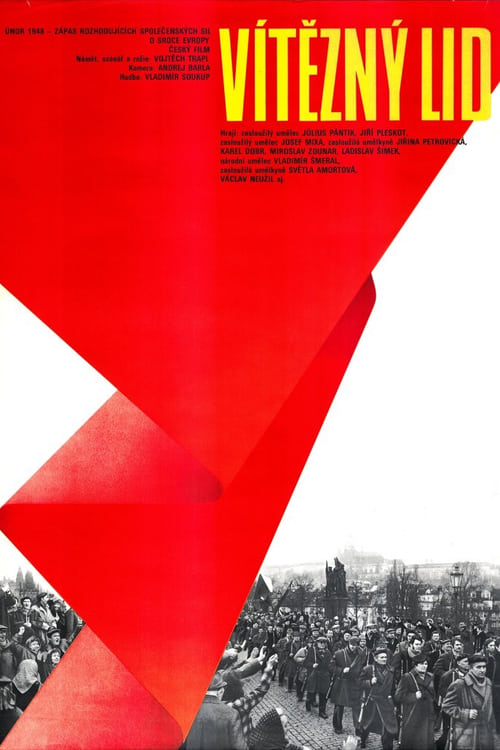
February 1948. The struggle of decisive social forces for the heart of Europe.
Vítězný lid
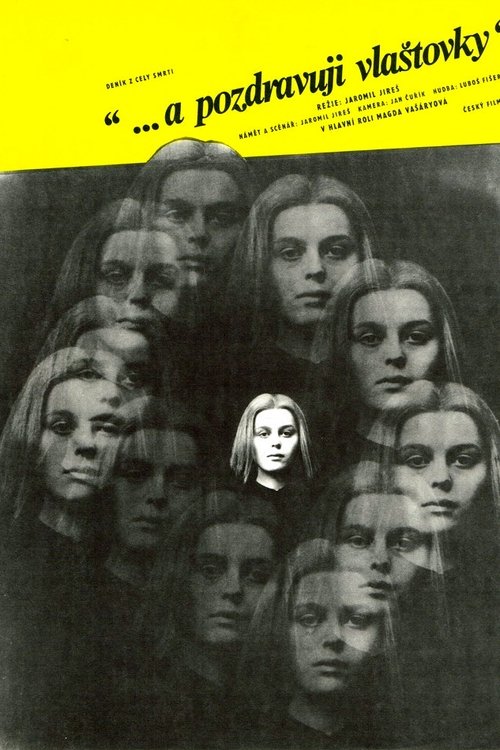
This film, chronicling the last days of Czech resistance fighter Maruska Kuderikova (played by Magda Vasaryova), is based on her diaries. Though she was tortured and eventually executed by the Nazis, her diaries indicate that she was optimistic for the humanity of her captors and did not by any means hate them. Told with simple dignity, this film makes clear why Maruska became a national hero.