Samy Szlingerbaum
Directing
Known For
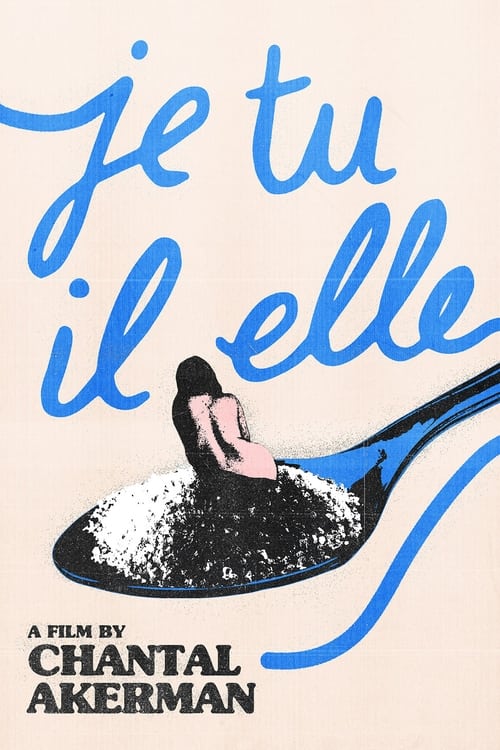
A woman suffers a subdued psychological breakdown in the wake of a devastating breakup.
Je Tu Il Elle
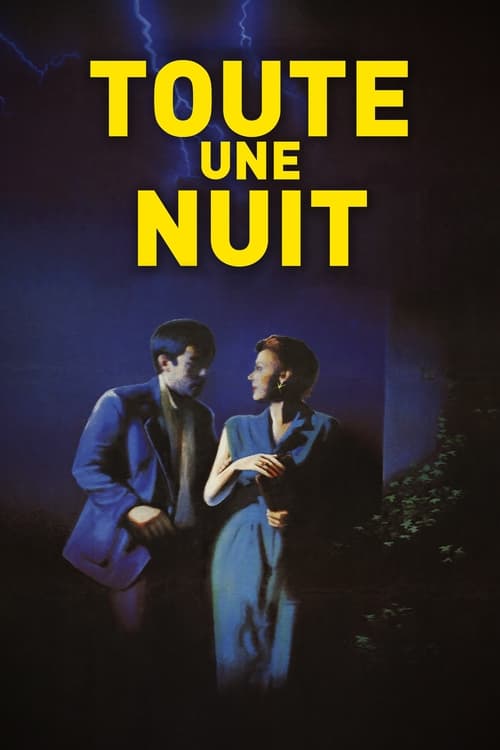
Following over two dozen different individuals in the almost wordless atmosphere of a dark night in a Brussels town, acceptance and rejection in the realm of romance is examined.
Toute une nuit
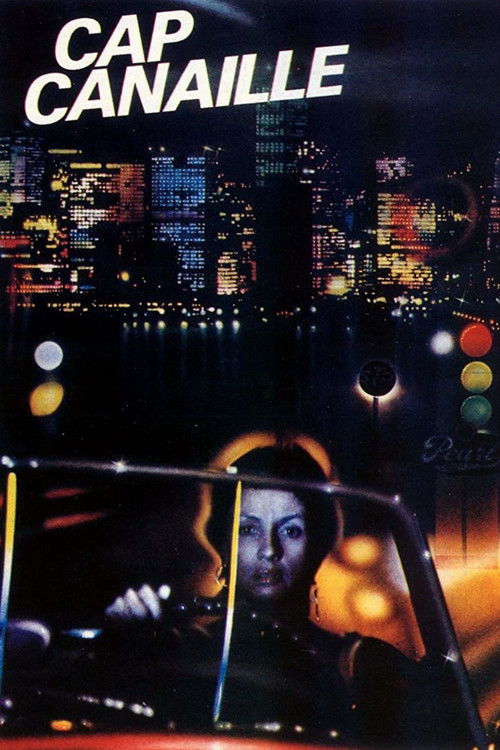
Paula Barretto (Juliet Berto) is caught in the underworld because her father was involved in the drug business, her brother is in the real estate scam, and her lover is an armed thief. Although she tries to get out of her corrupt and dangerous environment, it is not an easy task when even the police officers cannot be trusted, and the underworld has informants everywhere.
Cap Canaille
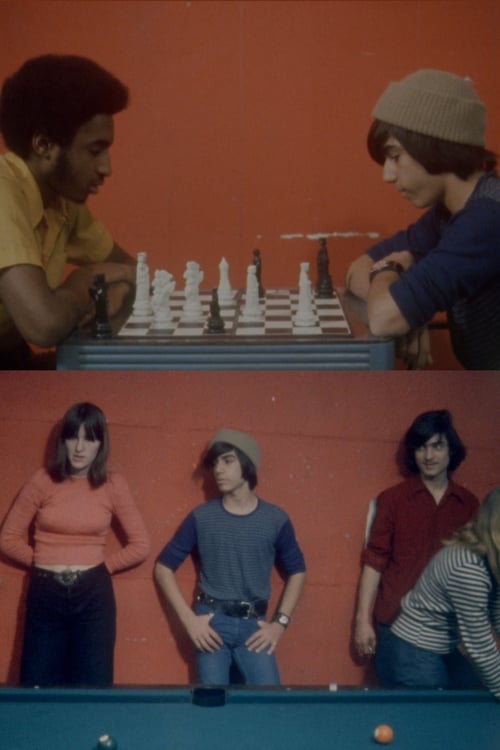
An unfinished Chantal Akerman film about the troubled youths and drug addicts going through rehabilitation in Yonkers. Myra Alfreds, who commissions the film, accompanies Akerman and Mangolte on the film shoot in Yonkers, a city of nearly 200,000 inhabitants in New-York State, just north of the Bronx. The images show the big window of the storefront serving as a reception center for street youth. The young people participate in a variety of full-time activities and undertake to stop taking drugs.
Hanging Out Yonkers
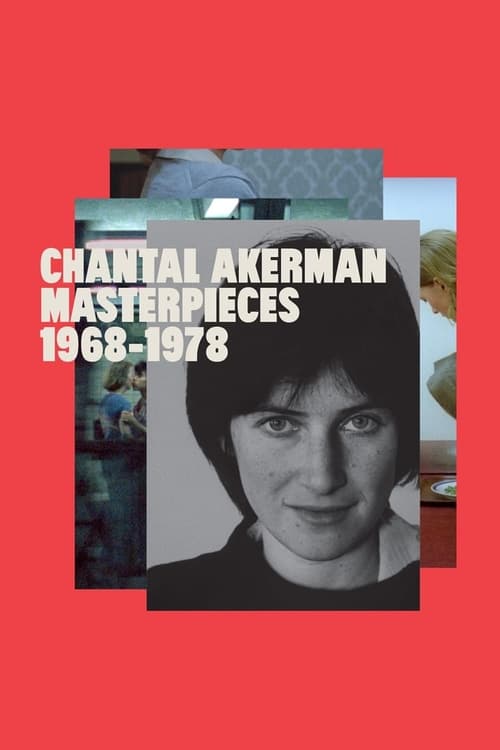
Mid-August in Paris (the title is a date: August 15) in a sunny, quiet apartment a young woman talks, thinks, reflects about herself, everyday life and little events in a long, uninterrupted monologue. The camera pictures her and her gestures in long, fixed shots moving around the rooms, the space, the light and shadows of a summer day.
Le 15/8
Insomnies is an impressionistic look at the city at night, avoiding the clichés of commercial or tourist films and suggesting instead a lifestyle rhymed by windshield wipers and the music of The Honeymoon Killers. The film is flashing back-and-forth and ultimately leaves, like an arabesque of light and colour made of lines, curves and angles.
Insomnies
Reel 12 of Gérard Courant's on-going Cinematon series.
Cinématon XII
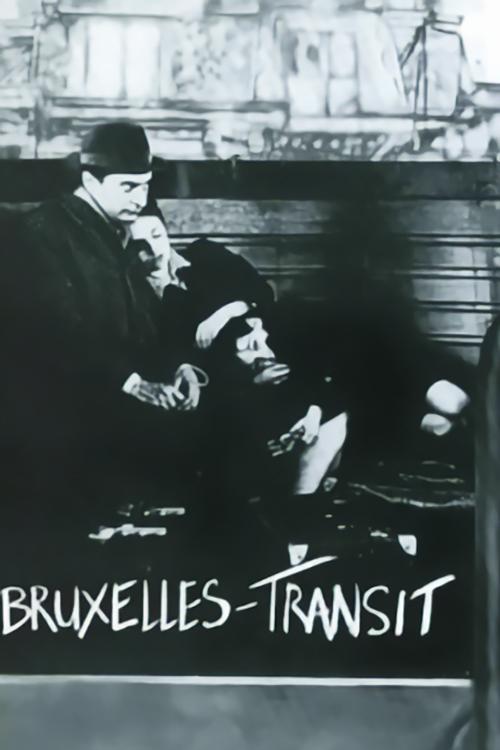
Samy Szlingerbaum made his film Dakh-Brisel (Brussels-Transit) in 1980, thirty years after any Yiddish feature film had been produced. Szlingerbaum felt that the only way he could relate the story of his family’s search for refuge after World War II was in Yiddish. This Belgian-based filmmaker, deeply impacted by New York experimental cinema, gives us a masterful blend of powerful drama and stark documentary to tell the story of postwar European Jewry. Home, as it had been, no longer exists, and all that Samy’s family wants is a place in which to sink new roots.
Brussels-Transit

Symphonie mixes fiction with reality. The author, Romain Schneid, tells the story of his own claustrophobia in front of the camera when, when he was 12 years old, hiding as a Jew during the German occupation, he could not leave a tiny apartment. He tells and he plays alone all the characters in his drama. He invents, deforms, imagines another end. He is at the same time the author, the narrator and the actor (the actors). Did he really experience what he's talking about, or did all that happen in his head? Are we facing a testimony or a delusion?
Symphonie
No description available.