Dante James
Writing
Known For
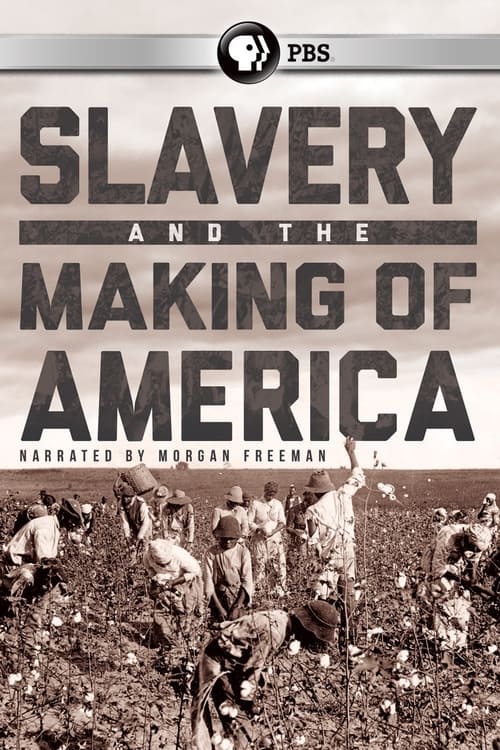
The history of American slavery from its beginnings in the British colonies to its end in the Southern states and the years of post-Civil War Reconstruction. Looks at slavery as an integral part of a developing nation, challenging the long held notion that slavery was exclusively a Southern enterprise. Simultaneously focuses on the remarkable stories of individual slaves, offering new perspectives on the slave experience and testifying to the active role that Africans and African Americans took in surviving their bondage and shaping their own lives.
Slavery and the Making of America
A 7-part series telling dramatic and diverse stories of struggle and survival during the worst economic crisis in U.S. history. From the producers of Eyes on the Prize, this series was met with critical acclaim and won both an Emmy Award for writing and a duPont-Columbia Award.
The Great Depression
Celebrate the triumph of the African-American religious experience through the last three centuries. From the arrival of the early African slaves through the Civil War, Reconstruction, Jim Crow, the Great Depression, the Civil Rights Era, and into the 21st Century, explore the epic struggle of a people whose faith was continually tested, and how that faith became a force for social change that helped transform America socially, politically and culturally.
This Far by Faith: African-American Spiritual Journeys
In the midst of unprecedented national prosperity in the 1960s, poverty was "rediscovered" by American policy makers, media and the public. This series examines how the poor fared during these years and the resultant evolution of foundation and public sector programs addressing the challenges of poverty.
America's War on Poverty
An emotionally vulnerable young man gets tricked into fulfilling a mysterious young woman’s dying wish by taking her on a cross-country road trip.
Forget to Remember
In his first one hundred days in office, in a effort to stem the effects of the Great Depression, President Roosevelt created many new federal agencies. They gave jobs and relief to people and transformed the American landscape with public works projects. Nowhere was this transformation more apparent than in Mayor Fiorello La Guardia's New York City. Together Roosevelt and La Guardia expanded and redefined the role of government in the lives of the American people.
The Great Depression: New Deal/New York
'The Doll" is set in the early 1900s and tells the story of Tom Taylor, the black proprietor of the Wyandot Hotel barbershop. Taylor's humanity, his dignity, and his responsibility to family and community are severely challenged when it becomes apparent that he has an opportunity to avenge an injustice that was inflicted on his father decades earlier.
The Doll
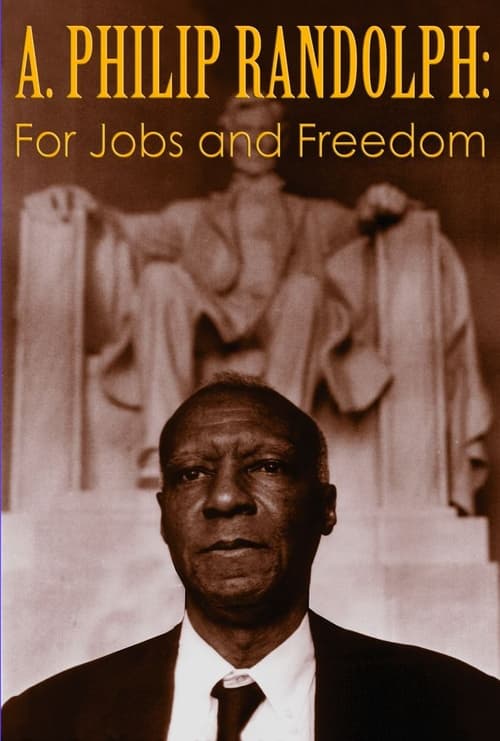
Ask most people who led the 1963 March on Washington and they'll probably tell you Martin Luther King, Jr. But the real force behind the event was the man many call the pre-eminent black labor leader of the century and the father of the modern civil rights movement: A. Philip Randolph. Randolph believed that economic rights was the key to advancing civil rights. A. PHILIP RANDOLPH: FOR JOBS AND FREEDOM takes viewers on a tour of 20th-century civil rights and labor history as it chronicles Randolph's legendary efforts to build a more equitable society.