Writing
An alliance of evil-doers, led by Frieda, looks to take over Fairy Tale Land. But when Ella realizes her stepmother is out to ruin her storybook existence, she takes a dramatic turn and blossoms into the leader of the resistance effort.
Vera and Wolf Küper live in Berlin with their 5-year-old daughter Nina and their one-year-old son Simon. Vera takes care of the children and the household alongside a part-time job, while Wolf works as a scientific advisor to the UN, trying to raise awareness of the seriousness of the coming climate catastrophe. The stressful everyday life in a system that is not exactly family-friendly puts increasing strain on the young family and the couple's relationship. The Küper family's way of life is finally shaken to the core when little Nina is diagnosed with a fine motor and coordination disorder. At this moment, Wolf remembers a wish that his daughter expressed shortly before going to bed. Nina would like to have a million minutes, just for the really nice things.
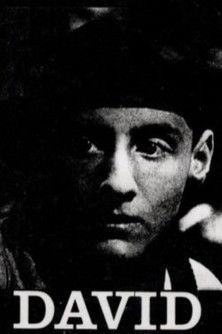
Although members of the Hitler Youth chant anti-Semitic paroles in front of his house during the Purim festival, Rabbi Singer is still profoundly convinced that Germany will stay a safe country for him, his family, and his fellow believers. But several years later, his son David is banned from going to school because he is a Jew. Shortly after, Rabbi Singer and his wife are deported. Now, young David also fears for his life. In constant fear of being detected, he tries to find a way to leave Germany.
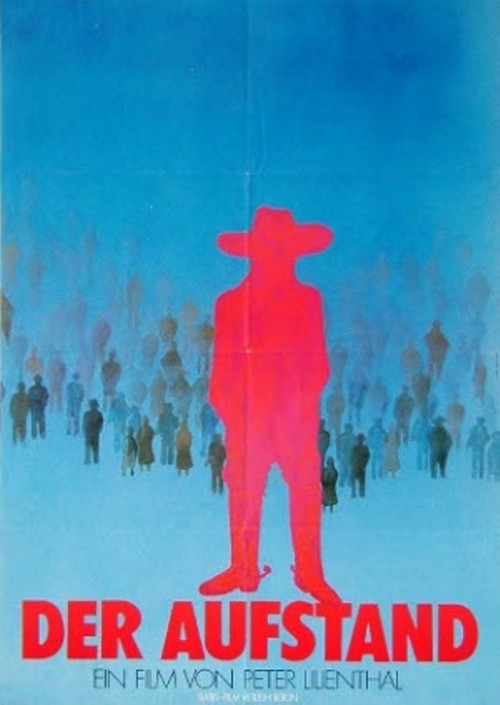
In Nicaragua, 1977, corruption and abuse of power are everyday occurrences under the Somoza family’s dictatorship. Eruptions of violence lead to a civil war, which the Sandinista revolutionaries win – at least for the time being. Against this backdrop, the conflict between a young soldier of the Somoza regime and his family, who sympathize with the insurgents, is illustrated.
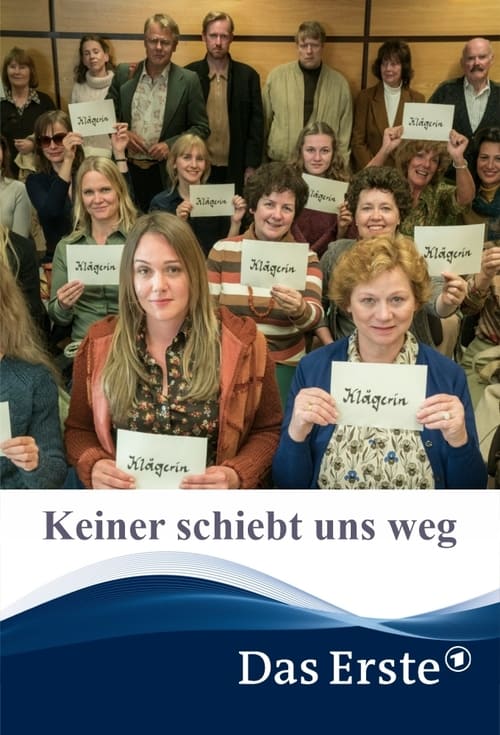
Gelsenkirchen, 1979: Three female employees of a photo lab discover by chance that they are paid much less than their male colleagues for their work. Lilli and her two friends want to take a stand against this, as the German constitution already states that men and women have equal rights.
Berlin pensioner Paul Krüger looks forward to lead his fatherless-raised pregnant granddaughter Annie to the altar, but Turkish groom Denis's sugar uncle insists due to Anatolian family honor tradition on the presence of her biological father Harald, whom her mother Susanne never even told about their child having broken up. Knowing only Harald moved to Greece, Krüger takes his pétanque (bowling) pub buddies Ecki and Bernd along to Hellas, a country they know nor trust. Equipped only with an old photograph, they find themselves on the wrong island, upsetting the wrong shopkeeper's family. Having crossed to the right one, they wander into a tempting German free sex commune, before even learning Harald is now an orthodox monk in a monastery, which observes lent silence, albeit without fasting. The clergyman won't consider returning until Paul calls in unenthusiastic help, and even then the monk isn't on their plane back.
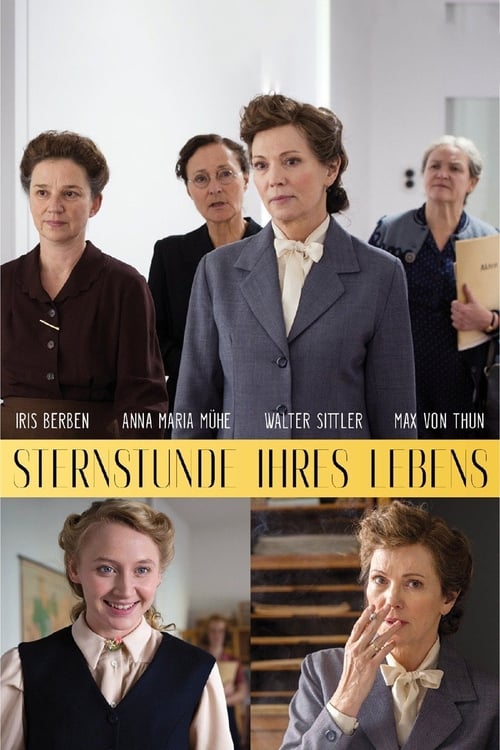
Bonn 1948. The member of parliament and lawyer Elisabeth Selbert fights tirelessly for the inclusion of the sentence "Men and women have equal rights" in the Basic Law of the future Federal Republic of Germany. Despite the opposition she encounters during sessions in the Parliamentary Council , there is _she does not stop and stubbornly sticks to her plan . Selbert experiences a grandiose triumph when her application is included in the new Basic Law under Article 3, Paragraph 2 . In doing so , she lays the foundation for what has now been a 65-year political and social debate on the subjectEqual rights.
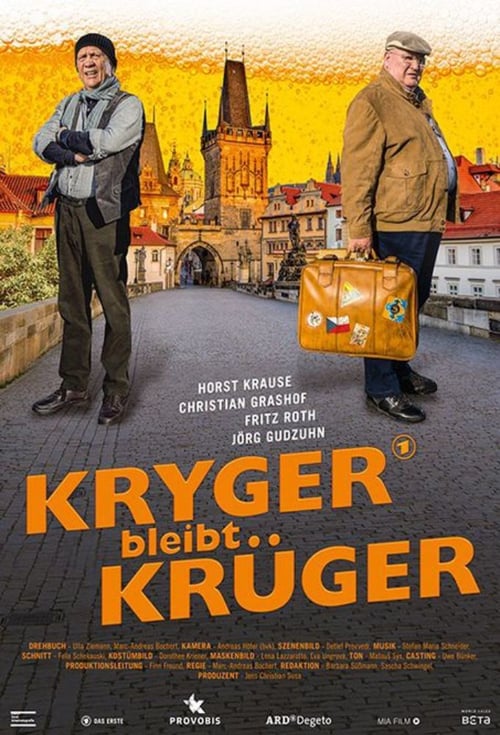
Berlin pensioner Paul Krüger gets to know his place of birth in the Czech Republic.
A cyclist decides to go for everything and win the 'Tour of Chile' Race, so he can finance the medical treatment for his ill mother with the prize. However, he must soon recognize that the sporting event is corrupted by commercial and marketing interests, in addition to the political goals of the military regime.
Sixty years after the Holocaust, director Peter Lilienthal, himself a victim and refugee of the Nazi regime, sheds a light on Jewish life in Germany in the early 2000s.