Betty Furness
Acting
Biography
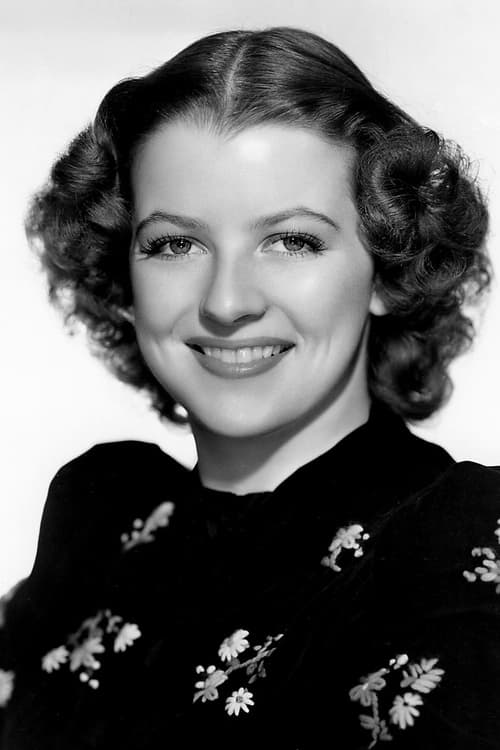
From Wikipedia, the free encyclopedia Elizabeth Mary Furness (January 3, 1916 – April 2, 1994) was an American actress, consumer advocate, and current affairs commentator. She began her professional career as a model before being noticed by a talent scout and being signed to a film contract in 1932 by RKO Studios. Her first film role was as the "Thirteenth Woman" in the film Thirteen Women (1932) but her scenes were deleted before the film's release. Over the next few years, she appeared in several RKO films, and became a popular actress. Among her film successes were Magnificent Obsession (1935) and the Fred Astaire and Ginger Rogers film Swing Time (1936). By the end of the decade, she had appeared in over forty films, but during the 1940s, she found it difficult to secure acting roles. In 1948, Furness was performing in the television series Studio One, which was broadcast live. She filled in for an actor to promote Westinghouse products during the advertisement break, and impressed the company with her easy and professional manner. They offered her a contract to promote their products and she thus became closely associated with them.
Known For

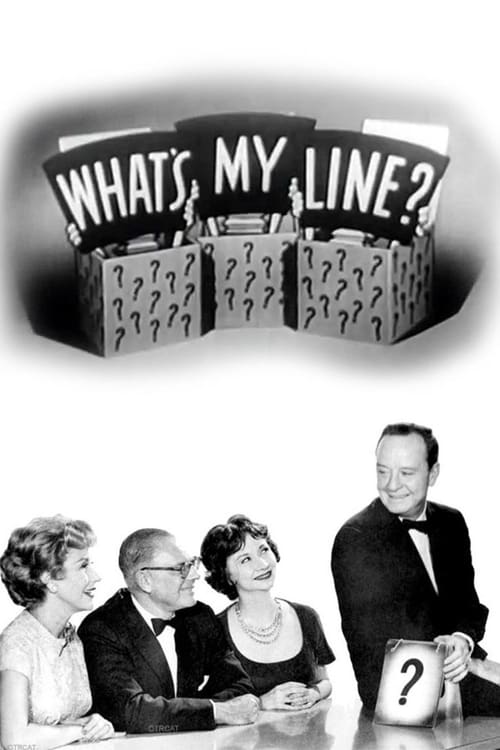
Four panelists must determine guests' occupations - and, in the case of famous guests, while blindfolded, their identity - by asking only "yes" or "no" questions.
What's My Line?

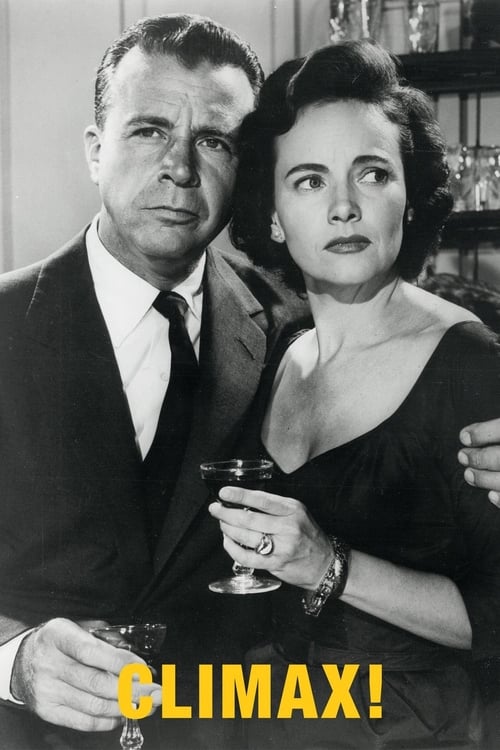
Climax! is an American anthology series that aired on CBS from 1954 to 1958. The series was hosted by William Lundigan and later co-hosted by Mary Costa. It was one of the few CBS programs of that era to be broadcast in color. Many of the episodes were performed and broadcast live.
Climax!

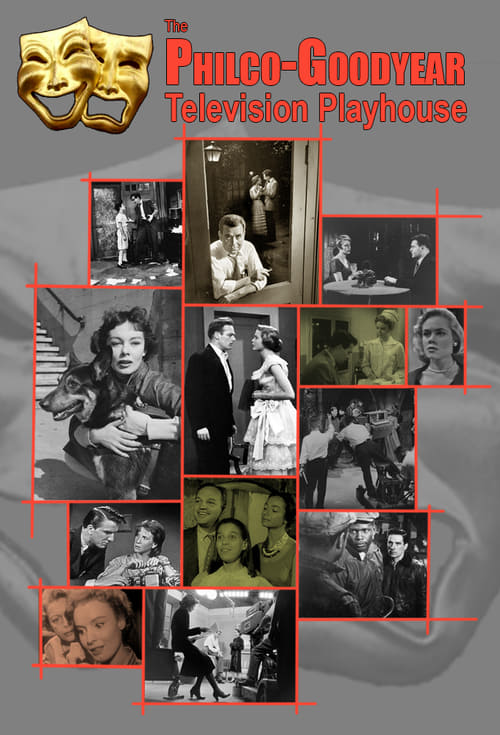
The Philco Television Playhouse is an American anthology series that was broadcast live on NBC from 1948 to 1955. Produced by Fred Coe, the series was sponsored by Philco. It was one of the most respected dramatic shows of the Golden Age of Television, winning a 1954 Peabody Award and receiving eight Emmy nominations between 1951 and 1956.
The Philco Television Playhouse

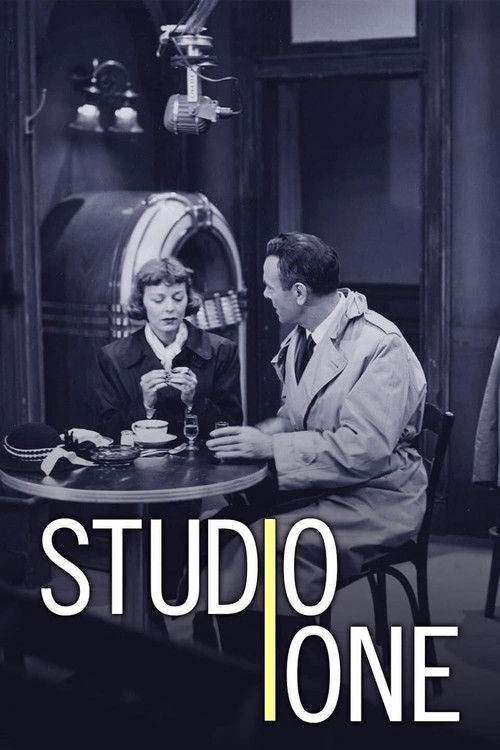
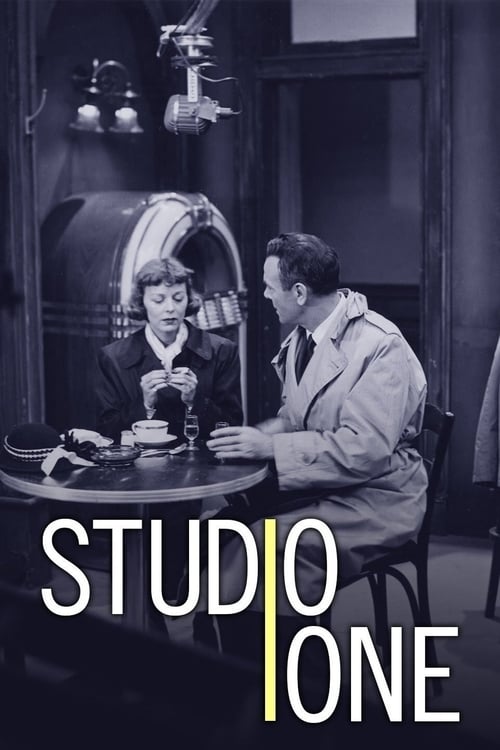
An American radio–television anthology series, created in 1947 by Canadian director Fletcher Markle, who came to CBS from the CBC. Studio One, presented by Westinghouse, was one of the first of the anthology TV programs. The episodes were often abridged remakes of movies from years gone by and many future well-known television and movie actors appeared in the productions.
Studio One

The Colgate Comedy Hour is an American comedy-musical variety series that aired live on the NBC network from 1950 to 1955. The show starred many notable comedians and entertainers of the era, including Eddie Cantor, Dean Martin and Jerry Lewis, Fred Allen, Donald O'Connor, Bud Abbott and Lou Costello, Bob Hope, Jimmy Durante, Ray Bolger, Gordon MacRae, Ben Blue, Robert Paige, Tony Curtis, Burt Lancaster, Broadway dancer Wayne Lamb and Spike Jones and His City Slickers.
The Colgate Comedy Hour

Westinghouse Desilu Playhouse is an American television anthology series produced by Desilu Productions. The show ran on CBS television between 1958 and 1960. Two of its 48 episodes served as pilots for the 1950s television series The Twilight Zone and The Untouchables.
Westinghouse Desilu Playhouse

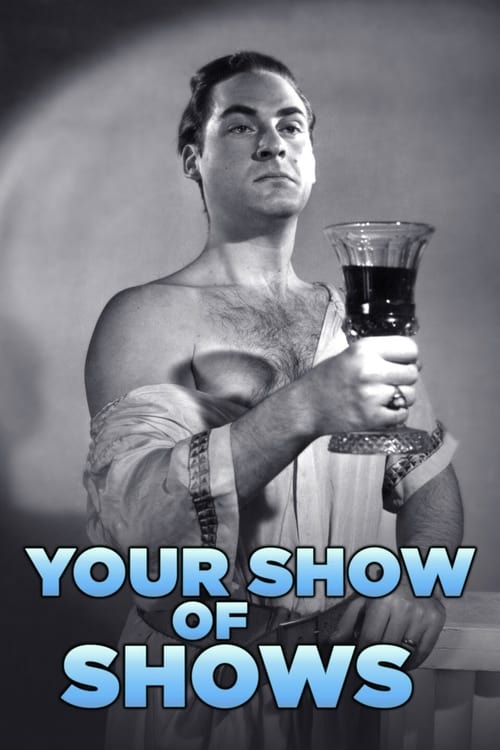
Your Show of Shows was a live 90-minute variety show that was broadcast weekly in the United States on NBC, from February 25, 1950, until June 5, 1954, featuring Sid Caesar and Imogene Coca. Other featured performers were Carl Reiner, Howard Morris, Bill Hayes, Judy Johnson, The Hamilton Trio and the soprano Marguerite Piazza. José Ferrer made several guest appearances on the series. The series was telecast from the now-demolished International Theatre at 5 Columbus Circle and the Century Theater, now demolished, in New York. During 2002, Your Show of Shows was ranked #30 on TV Guide's 50 Greatest TV Shows of All Time.
Your Show of Shows

A college football team recruits a tough convict.
Gridiron Flash

Lucky is tricked into missing his own wedding to Margaret and has to make $25,000 so her father will allow him to marry her. He and business partner Pop go to New York where they run into dancing instructor Penny. She and Lucky form a successful dance partnership, but romance is blighted by his old attachment to Margaret and hers for Ricky.
Swing Time

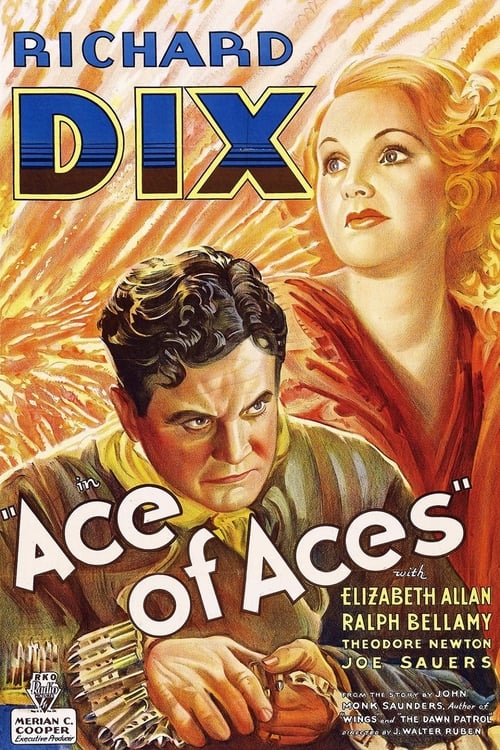
A sculptor who doesn't want to have any part of World War I is shamed by his girlfriend into joining the army. He becomes a fighter pilot, and undergoes a complete personality change.
Ace of Aces

Two Hollywood stuntmen compete for the same pretty extra.
Lucky Devils

The pilot for the television series, "The Defenders." The story of Walter and Kenneth Pearson, a father-and-son legal team. Broadcast as two segments of "Studio One," the story relates how the Pearsons defend a young man accused of killing a woman during a robbery attempt.
The Defender (Studio One)

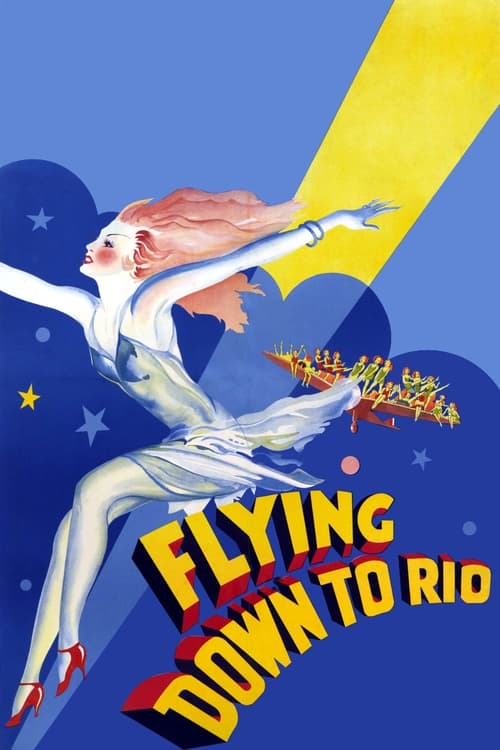
An American bandleader woos a Brazilian beauty who is already engaged to his employer. His friends try to help him, while learning the local dance, The Carioca. The first pairing of Fred Astaire & Ginger Rogers, and their only pre-Code film.
Flying Down to Rio

A newsreel photographer neglects his love life to get the perfect shot.
Headline Shooter

A judge hands four wayward boys to a college football coach who turns them into backfield stars.
The Band Plays On

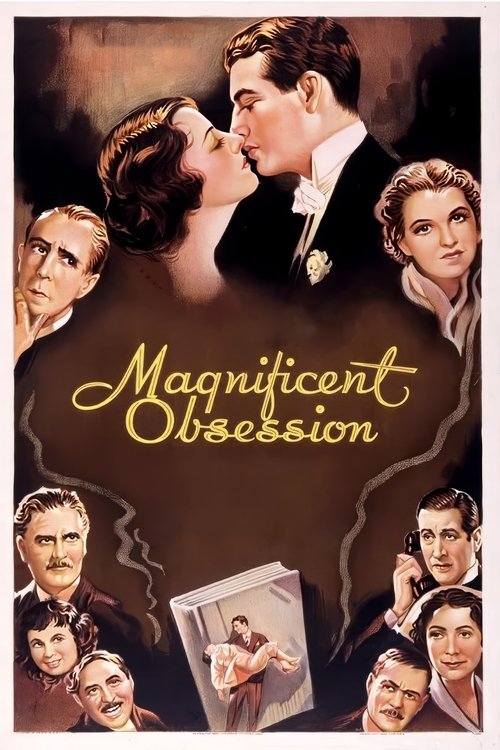
A playboy tries to redeem himself after his careless behavior causes a great man's death.
Magnificent Obsession

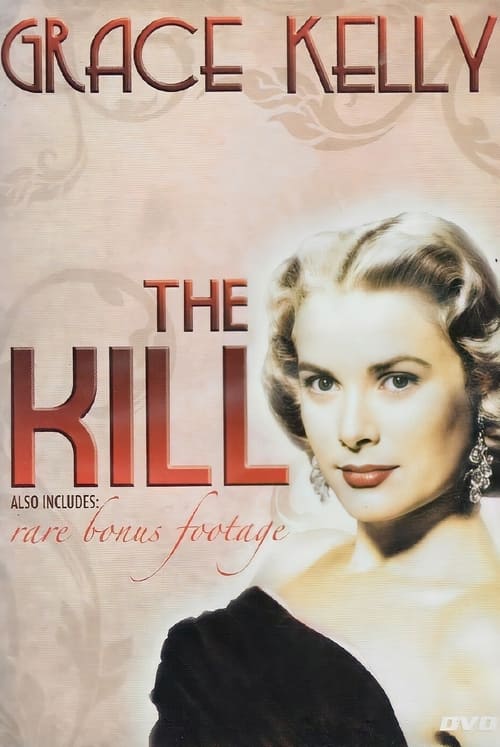
Jeff and his family just moved into a small, rural community. When two sinister locals tamper with Jeff's water pump, a fight breaks out among the three. Jeff is seen as a fugitive in the eyes of this bloodthirsty community...and there seems to be no way to stop them. Studio One, Season 5, Episode 1.
The Kill

A surgeon and an ambulance driver fight racketeers who take over their hospital.
Emergency Call

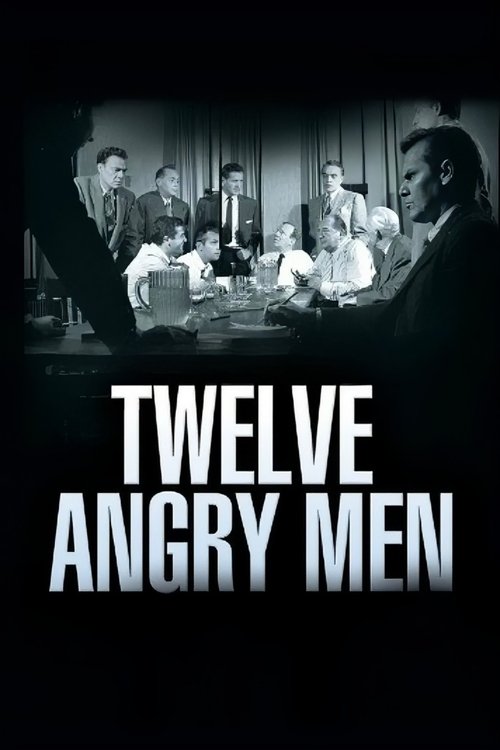
Twelve Angry Men is a 1954 teleplay by Reginald Rose for the Studio One anthology television series. Initially staged as a CBS live production on 20 September 1954, the drama was later rewritten for the stage in 1955 under the same title and again for a feature film, 12 Angry Men (1957). The episode garnered three Emmy Awards for writer Rose, director Franklin Schaffner and Robert Cummings as Best Actor.
Twelve Angry Men

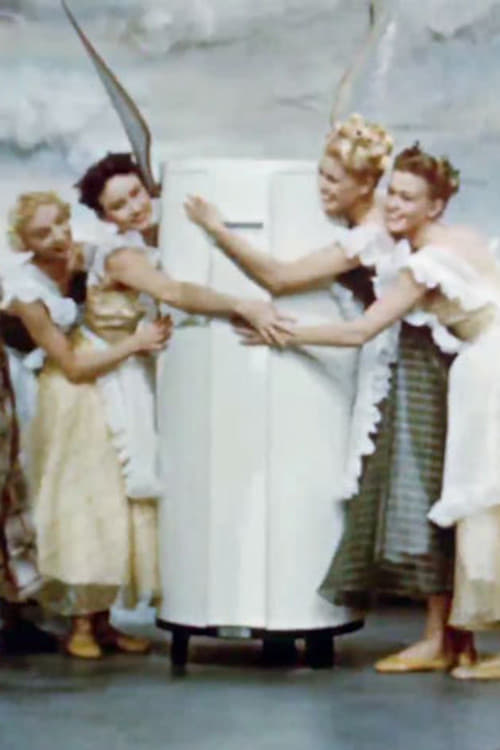
Westinghouse claims its electric appliances "freed women from the drudgery of housework." The first half involves a dream salesman at work; the second half is focused on the "Spring Sales Event," called "Freedomland."