Acting
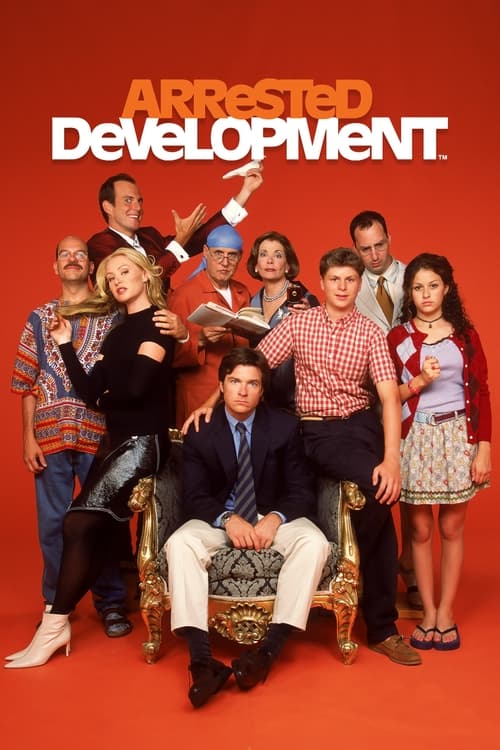
The story of a wealthy family that lost everything, and the one son who had no choice but to keep them all together.
A telenovela that dramatizes the romances and rivalries between two brothers and two sisters in Mexico between the years 1885 and 1900.
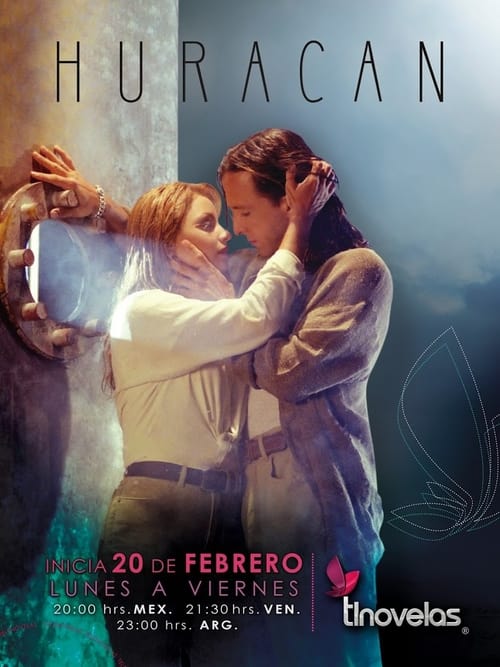
Huracán is a Mexican telenovela shown in Mexico from October 13, 1997 to March 27, 1998, starring with the late Jorge Russek, Fernando Balzaretti, and Eduardo Palomo.
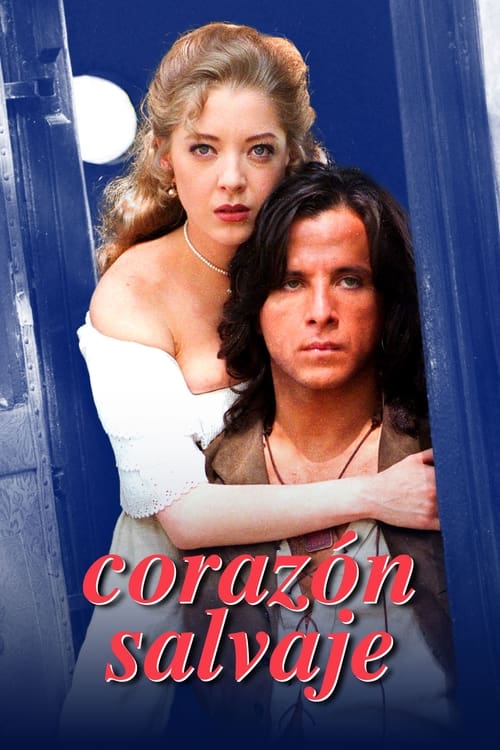
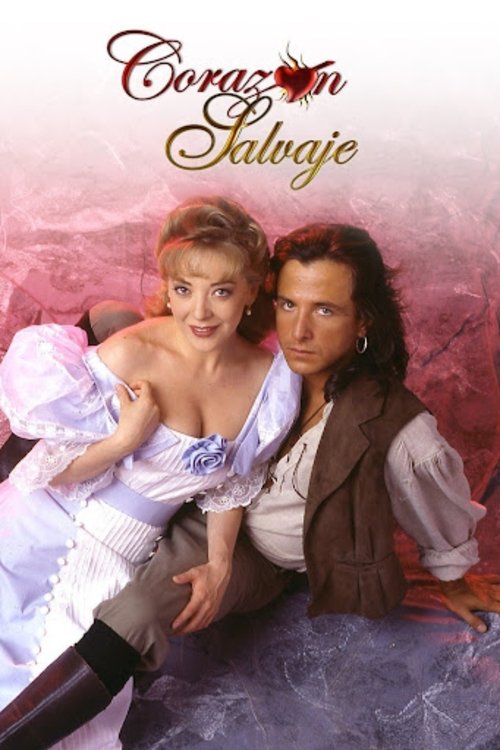
Corazón salvaje is a Mexican telenovela, which was produced by and broadcast on Televisa in 1966. It is the second of five screen adaptations of the novel of the same name by Caridad Bravo Adams. This telenovela was starred by singer Julissa while the 1977 production was starred by singer Angélica María who had previously had the role of Mónica in the 1968 film version. Actor Ernesto Alonso produced both telenovela versions. The role of Juan del Diablo went to Enrique Lizalde who, with Julissa, had previously starred in another Bravo Adams’ story, La mentira. This was the first starring role of Enrique Álvarez Félix, son of actress María Félix, in the role of the antagonist Renato Duchamp, the legitimate half-brother of Juan del Diablo. It was also the second time Jacqueline Andere co-starred with Enrique Lizalde, both being stage actors.
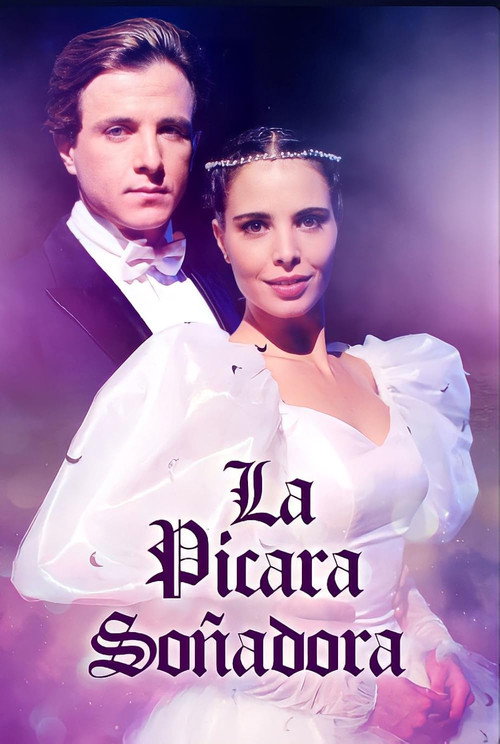
La Pícara Soñadora is a Mexican telenovela shown in 1991, based on a 1956 Argentine film of the same name directed by Ernesto Arancibia. This telenovela contains 80 episodes and stars Dina de Marco, Irán Eory, Eduardo Palomo, and Mariana Levy.
Kingpin is an American crime drama television series which debuted on the NBC network in the U.S. and CTV in Canada on February 2, 2003 and lasted 6 episodes. NBC's answer to The Sopranos and also influenced by The Godfather, Macbeth and Traffik, the story was about a Mexican drug trafficker named Miguel Cadena and his family life. It was to be followed by a television series, but low ratings canceled those plans. Commercials for the mini-series on NBC featured the song "Más" by the Mexican band Kinky.
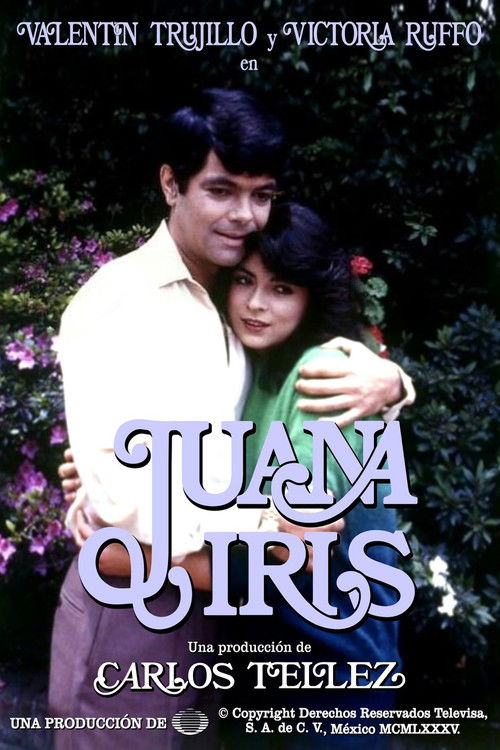
Juana Iris is a Mexican telenovela from 1985, starring Victoria Ruffo and Valentín Trujillo.
In the early 20th century, the Montes de Oca family—comprising two sisters and a cousin—finds itself entangled in an intense love triangle. Matilde is in love with her cousin Rodrigo, who loves the other sister, Branca Flor; she, in turn, loves a humble fisherman. Upon discovering this, Rodrigo accuses the fisherman of theft, leading to his arrest. The lovestruck cousin’s malice knows no bounds; learning that Branca Flor is carrying the fisherman's child, he waits for the baby to be born so he can make it disappear.
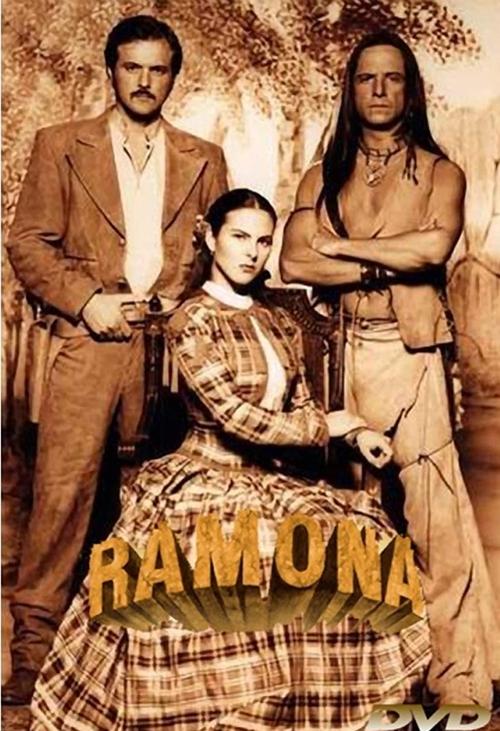
Ramona is a Mexican telenovela, based on the 1884 novel Ramona by Helen Hunt Jackson. It aired in 2000 on Televisa and was written by Lucy Orozco and Humberto Robles. This production featured Kate Del Castillo as Ramona and Eduardo Palomo as Alejandro.
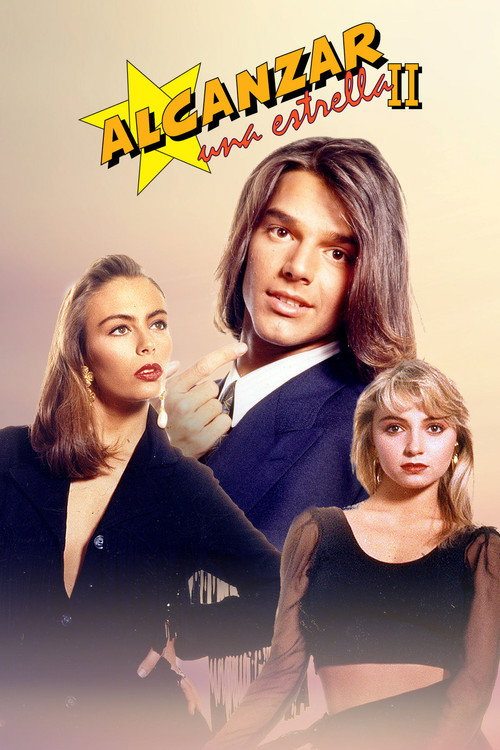
Eduardo invites young people from all over Mexico to join his new group, but at the last minute, Lorena shows up, and he decides to leave the group to accompany her on her world tour. It is then decided that the group will be formed without him; Jessica, Pablo, Marimar, Jorge, Silvana, and Miguel Angel are chosen to join, setting out in pursuit of fame and success as "Bonecos de Papel." The common struggles faced by these young people and the group's banter reflect this journey.
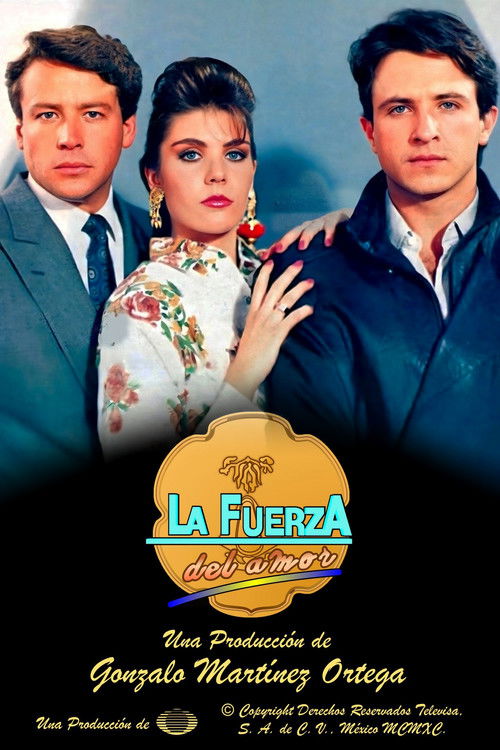
La fuerza del amor is a Mexican telenovela produced by Gonzalo Martínez Ortega for Televisa and originally broadcast on Canal de las Estrellas from June 4, 1990, to January 4, 1991. The story follows three young medical students who arrive in a remote town in Pachuca to complete their professional training. There, they face the influence of a local healer who has manipulated the community through false beliefs. As they try to gain the trust of the residents, they become involved in conflicts, love, and the struggle between knowledge and superstition.
No description available.
On October 2, 1968, a student uprising descends into violence after the Mexican government begins to use lethal force against the protesters.
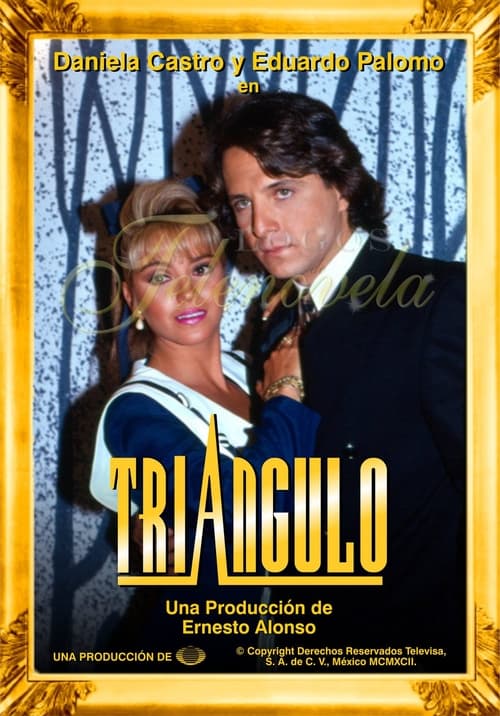
Triángulo is a Mexican telenovela produced by Ernesto Alonso for Televisa and originally broadcast on Canal de las Estrellas from August 3 to November 20, 1992. Created by María Zarattini and adapted by Irma Ramos, the telenovela stars Daniela Castro and Eduardo Palomo. The story follows Sara Granados, a kind-hearted young woman who is constantly mistreated by her stepmother and stepsister. After being deceived by the ambitious David and becoming pregnant, Sara finds support in his brother Iván, who falls in love with her. As David returns determined to reclaim her, the three become entangled in a love triangle marked by family conflicts, betrayal, and the search for happiness.
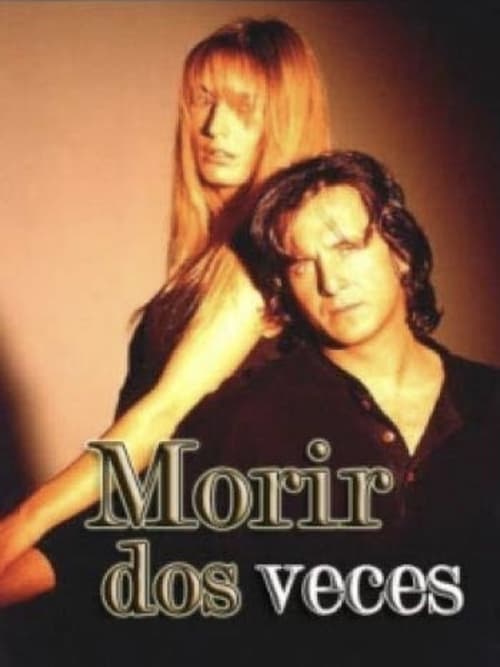
Morir dos veces is a Mexican telenovela produced by José Rendón for Televisa and originally broadcast on Canal de las Estrellas from February 26 to May 10, 1996. Created by José Rendón, with adaptation by Ximena Suárez, co-adaptation by Alfonso Espinosa, and literary editing by Martha Carrillo, the telenovela stars Eduardo Palomo and Carina Ricco. The story follows Silvana, a devoted wife whose life is shattered when her husband, Cristóbal, suddenly dies under mysterious circumstances. As the police uncover his connections to organized crime and suspect Silvana of murder, she becomes entangled in a dangerous web of deception, revenge, and betrayal. Meanwhile, the man everyone believed to be dead returns with a new identity, determined to destroy those who betrayed him.
When a mysterious fog surrounds the boundaries of California, there is a communication breakdown and all the Mexicans disappear, affecting the economy and the state stops working missing the Mexican workers and dwellers.