
Petros Fyssoun
Acting
Known For

No description available.
Οικογένεια

Famous writer Alexander contracts a terminal illness. He receives a letter from his wife describing a summer day 30 years ago, and leaves his seaside home to remember his past. This journey will allow him to wander between the past and the present, and encounter unexpected people, allowing him to collect unforgettable memories in the final moments of his life.
Eternity and a Day
No description available.
Άγγιγμα ψυχής
No description available.
Ο Κίτρινος Φάκελος

Love, the search for love, the desire for love... Three summers in the bright light of Attica, three sisters in their prime, Maria, Infanta, Katerina. Maria, the eldest, sensual, close to the mysteries of nature, Infanta, fiery but restrained in the face of love, Katerina, thirsty for independence, who chooses the dream. For her, the myth becomes reality, like the mysterious faces of the Polish grandmother and Captain Andreas. Katerina narrates these three summers with imagination, humor and immense tenderness, with a youthful grace that already has a touch of nostalgia.
The straw hats
Alexis is an explosive personality, passionate about life, humanity, nature, love and beauty. That is until the breakneck rhythm, intensity, stress and convolutions of career and economic success shatter him, alienating him from everyone and everything he loves: even his children and his soul mate Maria. Alexis is jolted back to reality when the unbridled greed of the multinational conglomerate his company is involved in causes an unprecedented ecological catastrophe costing many human lives. The multinational's Golden Boy suddenly realizes that he is nothing more than a cog in the machine he had fought so passionately against in his youth. He is determined to rediscover himself, to reclaim his soul, to rebuild the dream with Maria - but he is completely trapped. He is caught in a web of intrigue that tightens like a vice driving him to an inevitably lethal conflict with the conglomerate.
The Flight of the Swan
No description available.
Για Μια Θέση στον Ήλιο

No description available.
Kostis Palamas
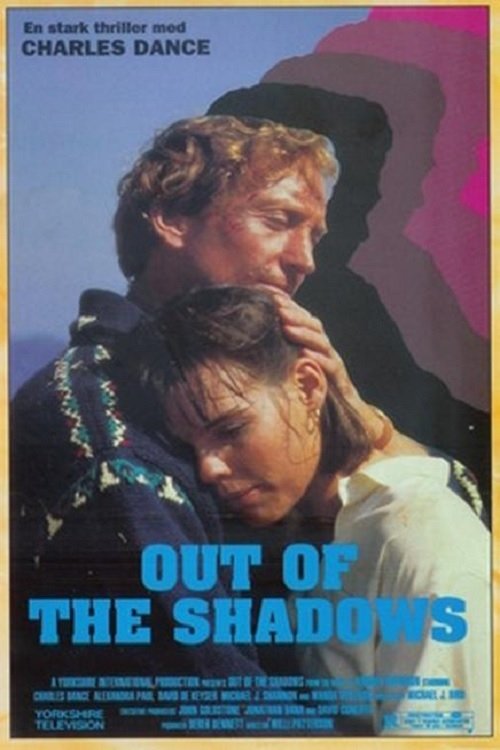
A U.S. Embassy worker is helped by an Interpol agent to prove herself innocent of a murder in the Greek isles.
Out of the Shadows

No description available.
Akrivi mou Sofia
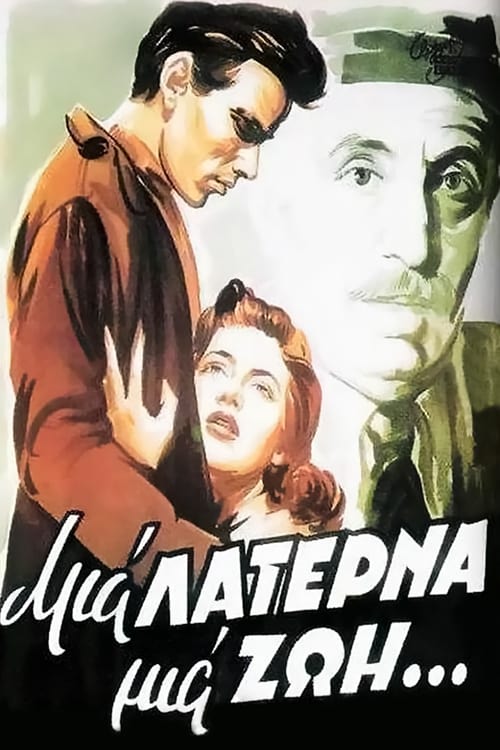
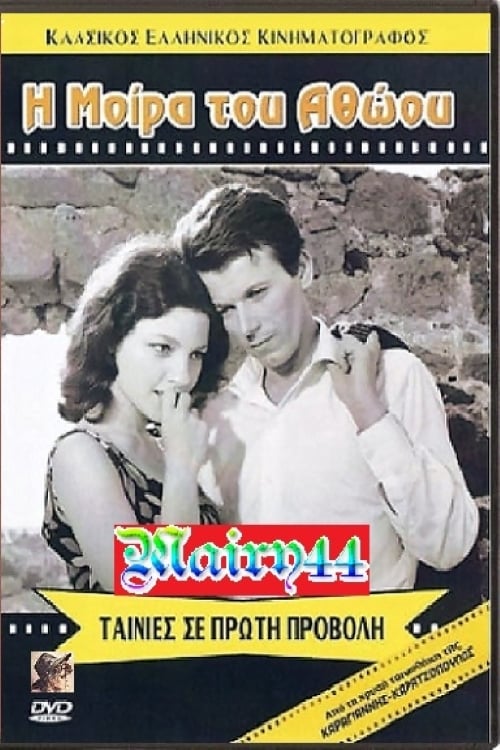
An organ grinder (Orestis Makris) loses his wife from complications during birth. Distraught by her death, he refuses to take care of the baby and gives it to a family (Lavrentis Dianellos and Nitsa Tsaganea) to raise. The child (Jenny Karezi) is raised comfortably, and her natural father is too embarrassed to meet her - until she falls in love with a poor musician (Petros Fysoun), and her foster parents refuse to accept their relationship.
One Street Organ, One Life

A young man, Jason, is on his way home and meets two beautiful women, Hope and Alexis. He falls for Hope, but has sex with Alexis. He doesn't know that Alexis' husband has hired a private detective to trail her, and the man reports back to Alexis' husband about her affair with Jason. The husband kills Alexis but the police suspect Jason. He and Hope have to clear his name and find enough evidence to prove the husband is the killer.
The Hot Month of August
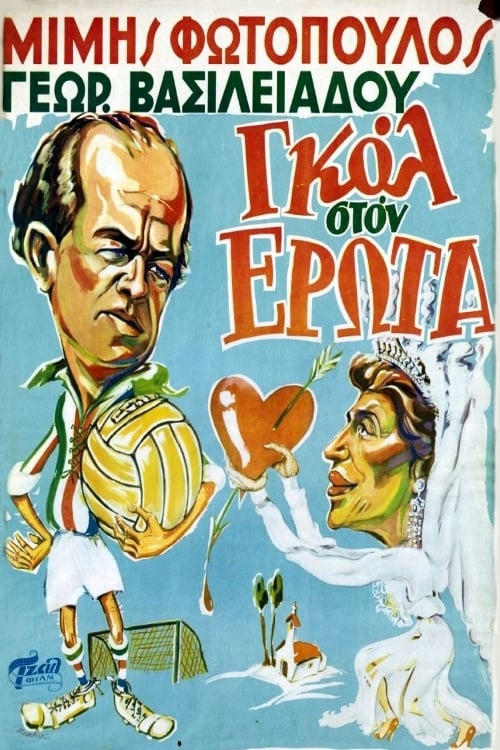
A barber owes a lot of money to his landlady, who shows great patience and understanding, hoping that one day he will convince him to marry her.
Goal in Love
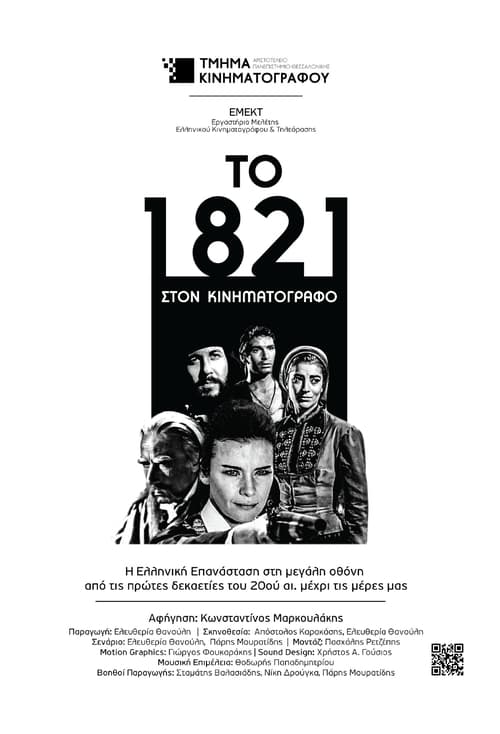
In 1821, in Cinema, he records the cinematic representations of the Revolution from the first decades of the 20th century. until the present day. Despite the fact that the Revolution of 1821 constitutes the founding act of the modern Greek state, as a subject matter it is underrepresented in national film production. This is one of the points on which the research looks, which simultaneously examines the periods of concentration of films on the subject of the Revolution or, respectively, the periods of its collective silence. The purpose of the documentary is to study the ideological discourse and the cinematic language of the films with the theme of 1821, in order to highlight the function of the cinema as a carrier of Public History and as a factor in shaping the collective historical consciousness.
1821 at the Cinema
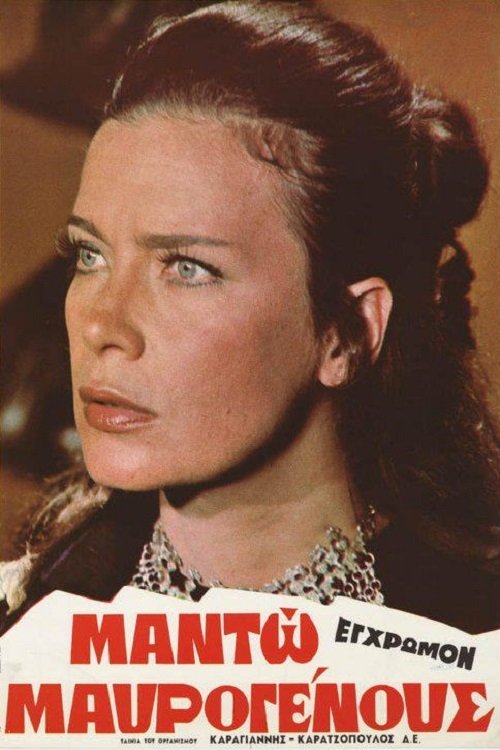
In Vienna 1820, the Manto Mavrogenous encounters a group of Greek students and talk of revolution to be made. Returning to Greece uncle of the initiates at Friendly Society. Madonna sells its dowry and equip their ships and army to help the revolution. Meet the founder of the Friendly Society, Dimitrios Ypsilanti, and builds relationships with him but encounters the objections of the political leaders of the struggle and particularly of Ioannis Kolettis who fears the two young people like to be the first king of the new nation. To break up the uses of beautiful paintings Niki monk who just came from Paris.
Manto Mavrogenous
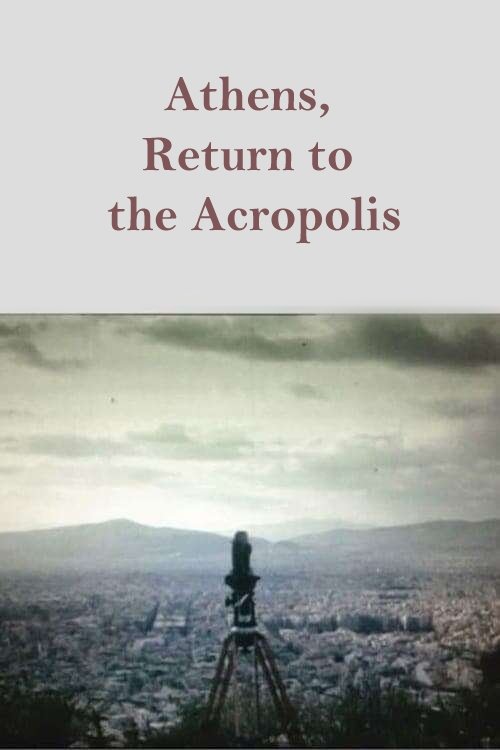
A poetic visit to the city of Athens, based on paintings, poems and philosophical texts.
Athens, Return to the Acropolis
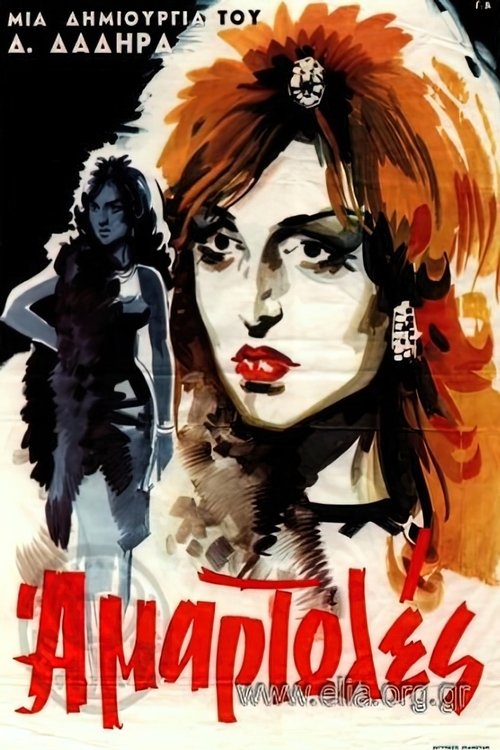
No description available.
Sinners
A cinematic portrait of director Nikos Koundouros, this documentary explores his artistic journey through the voices of renowned Greek artists, tracing the experiences and influences that shaped his visionary work.
Odyssea Corporum - Ballad for Nikos Koundouros
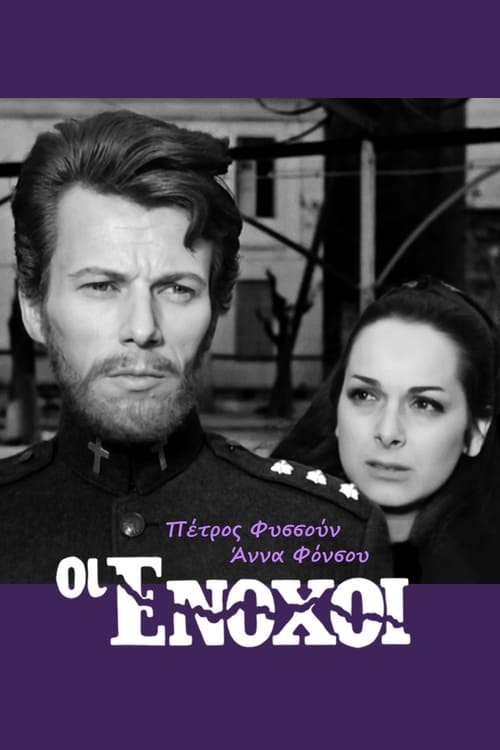
No description available.
Οι ένοχοι
No description available.