
Barbara Vida
Acting
Known For
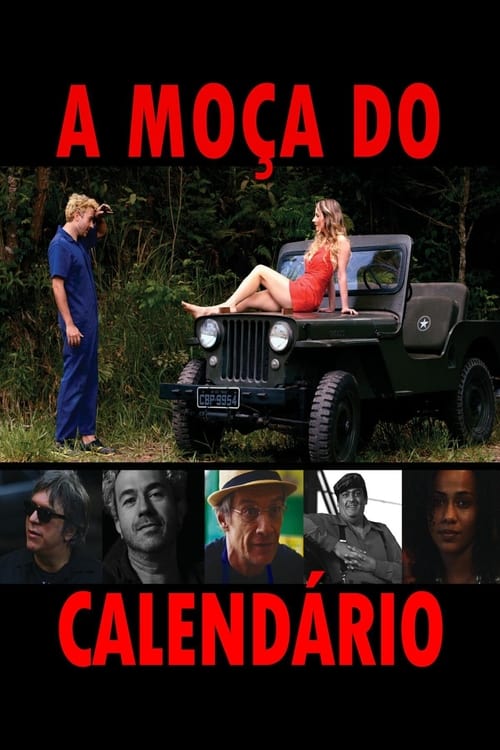
A film in which dream and reality intertwine, A Moça do Calendário tells the story of inácio, 40, married, without a permanent job. Ex-street sweeper, he works as a mechanic at Barato da Pesada, where he dreams of the calendar girl.
My Calendar Girl
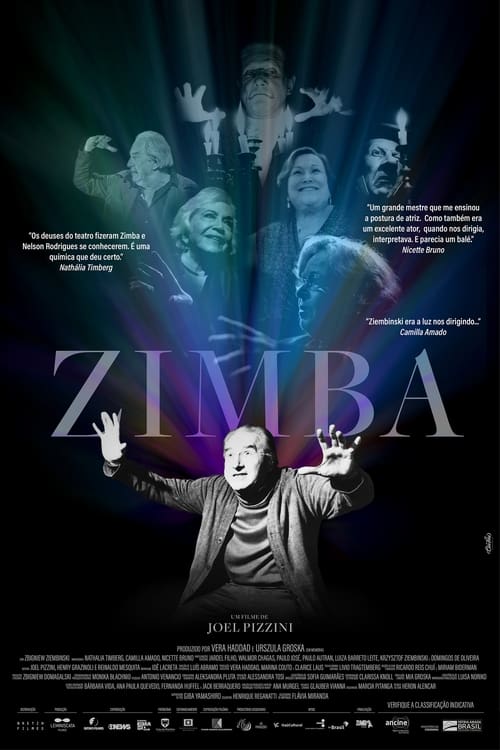
The trajectory and artistic imagery of actor and director Zbigniew Ziembinski (1908-1978), precursor of modern theater in Latin America and master of generations of Brazilian actors. The polyphonic montage builds on vast unpublished material, covering half a century of performances, teletheaters and interviews by Zimba, as he was known – before and after fleeing Poland, on the eve of the invasion of Warsaw – and recreates fragments of Wedding Dress , a play by Nelson Rodrigues which the Polish-Brazilian director won a revolutionary montage in 1943.
Zimba
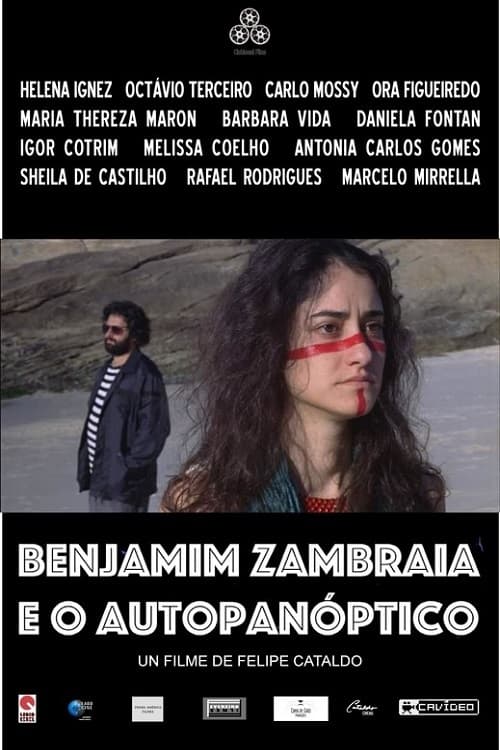
Benjamim Zambraia is a young drunk who wanders around the city and is sometimes treated with pampering and sometimes with a beating by his parents (Helena Ignez and Otávio Terceiro). As in Chico's book, the boy is obsessed with a big stone.
Benjamim Zambraia e o Autopanóptico
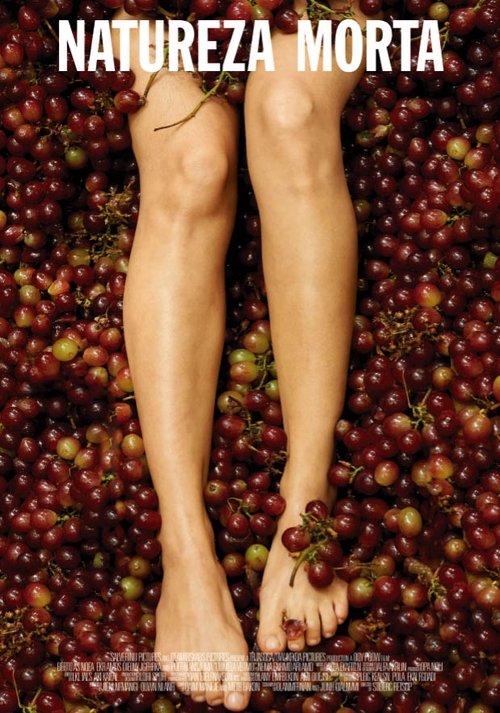
The narrative takes place in 1888 and tells the story of Lenita, a young woman, raised by her father, with an educated background, who disregards the existence of a man at his intellectual height. The film exposes the character's internal conflicts and the conventions of the time.
Natureza Morta
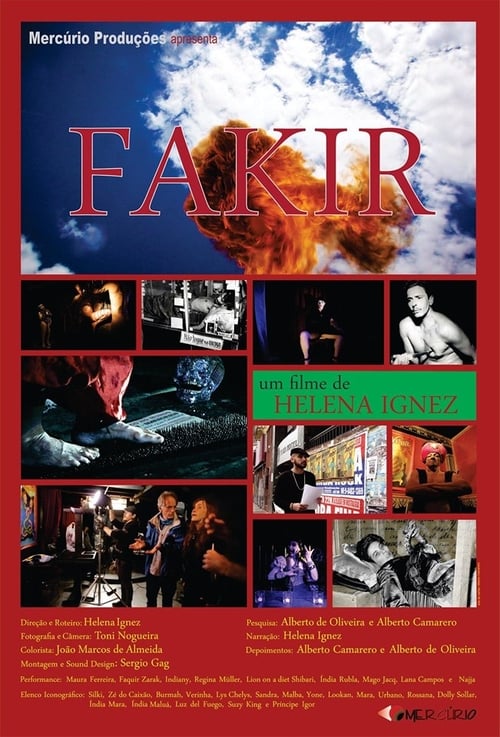
The feature-length documentary Fakir portrays the success of fakirism in Brazil, Latin America and France. This circus art origin show is presented and analyzed through archives that reveals the success of these presentations with their pain resistance championships and the great public presence, including politicians and government officials. Fakir spans current footage from contemporary artists who keep this art alive in performances and shows.
Fakir
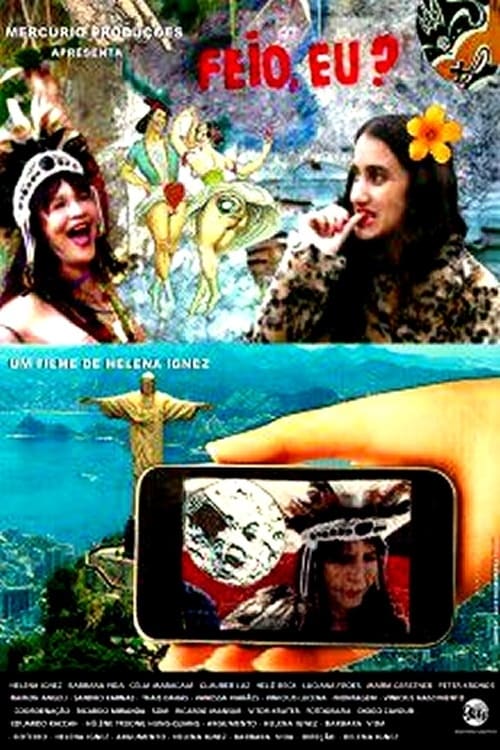
Ugly, Me? is a film manifesto made from a workshop for actors called Characters in Search of a Movie, in 'La pa', 'Rio De Janeiro', extended to Paris and 'Kerala' (India). Multifaceted like a kaleidoscope, the characters appear in multi-screens scenes and sequences. The images were captured with different kinds of cameras and Ugly, Me? uses this sign of the variety imposed by independent production as language experimentation. Transposing the boundaries of style, Ugly, Me? navigates in a sea of metaphors, philosophical and musical politics, from Prince Harry to Heraclitus, going through a series of authors like Rimbaud, Brecht, Nietzsche, Bispo do Rosario and Eduardo Viveiros DE Castro, capturing a contradictory and original country.
Ugly, Me?
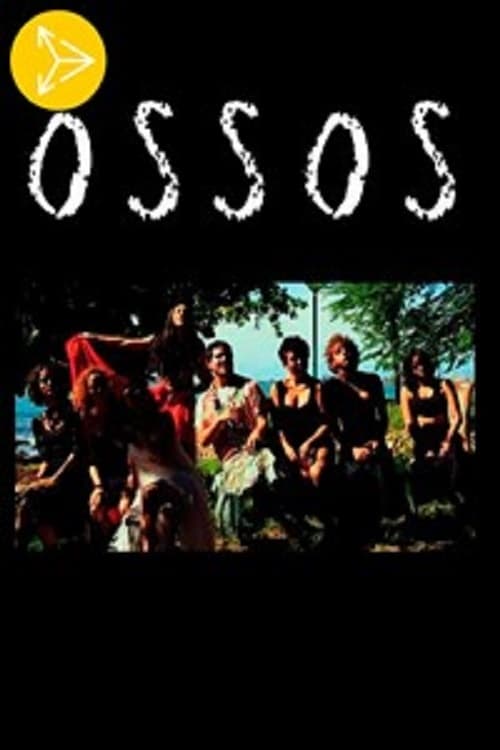
No description available.
Ossos
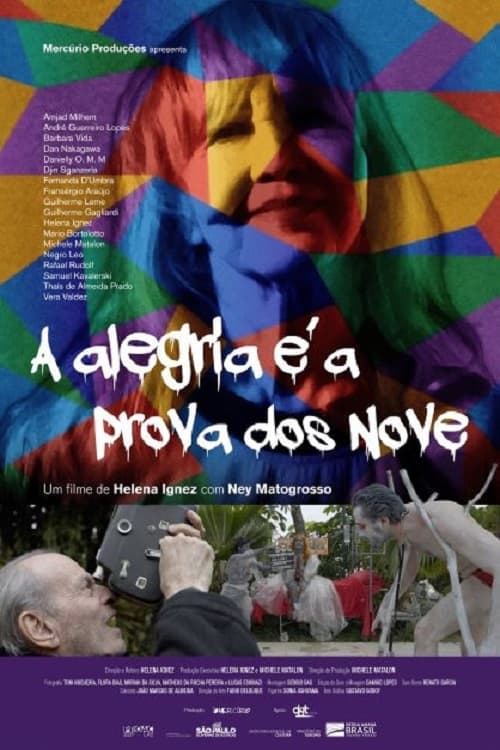
A film about love, also a memoir, about the trip made in the 1970s to Morocco by Jarda Ícone, an artist, sexologist, and octogenarian rocker, as she defines herself, and Lírio Terron, a human rights activist. In fact, a journey that is not over in their lives. Jarda Icon teaches classes on how women can obtain their own orgasm. With her group of disciples and friends Ana Brasil, Sheyla Fernanda, Caroline Sylvie and Lakshmi she develops self-sustainable feminist and artistic projects. The film is political, but not at all politicized in the traditional sense. It is an ode to the underground and counterculture movements, it is a hymn to freedom, and its title is also a tribute to Oswald d Andrade, one of the main names in Brazilian modernism.
Joy Is the Acid Test
No description available.
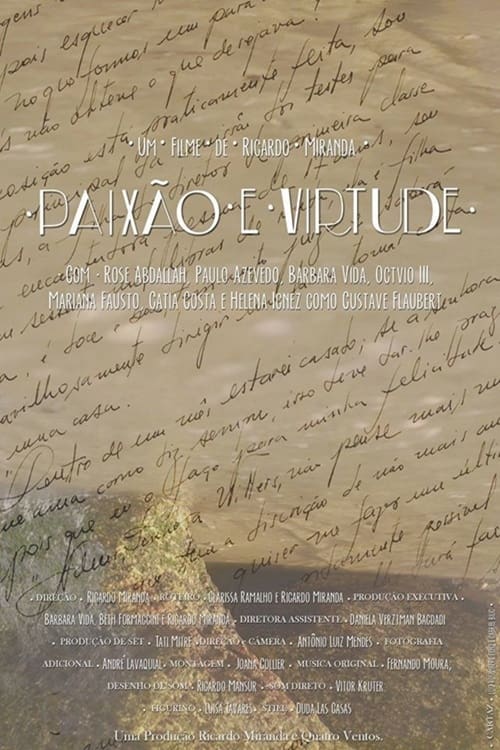
Paixão e Virtude
No description available.